
Rising Memory Costs are Driving GPU Prices Higher
Rising AI-driven server demand places intense pressure on global DRAM supply chains affecting multiple memory-dependent industries
Hardware by Tanvir Kabbo on Nov 27, 2025
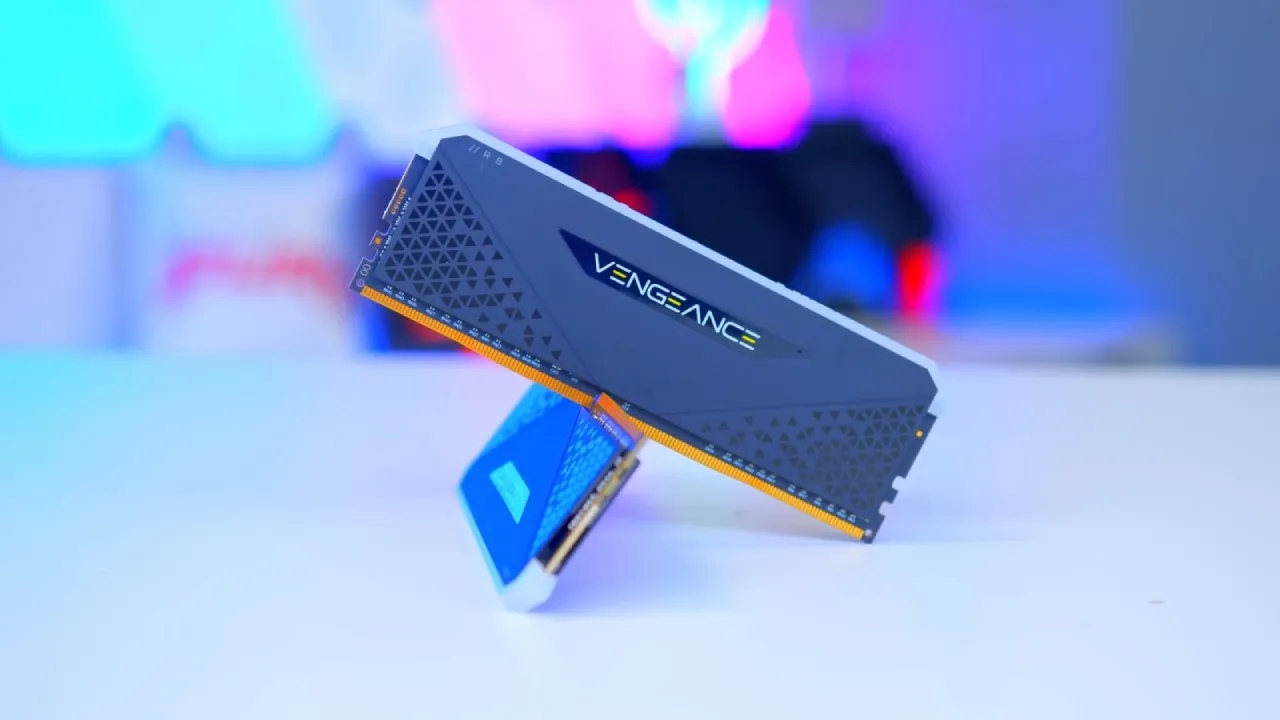
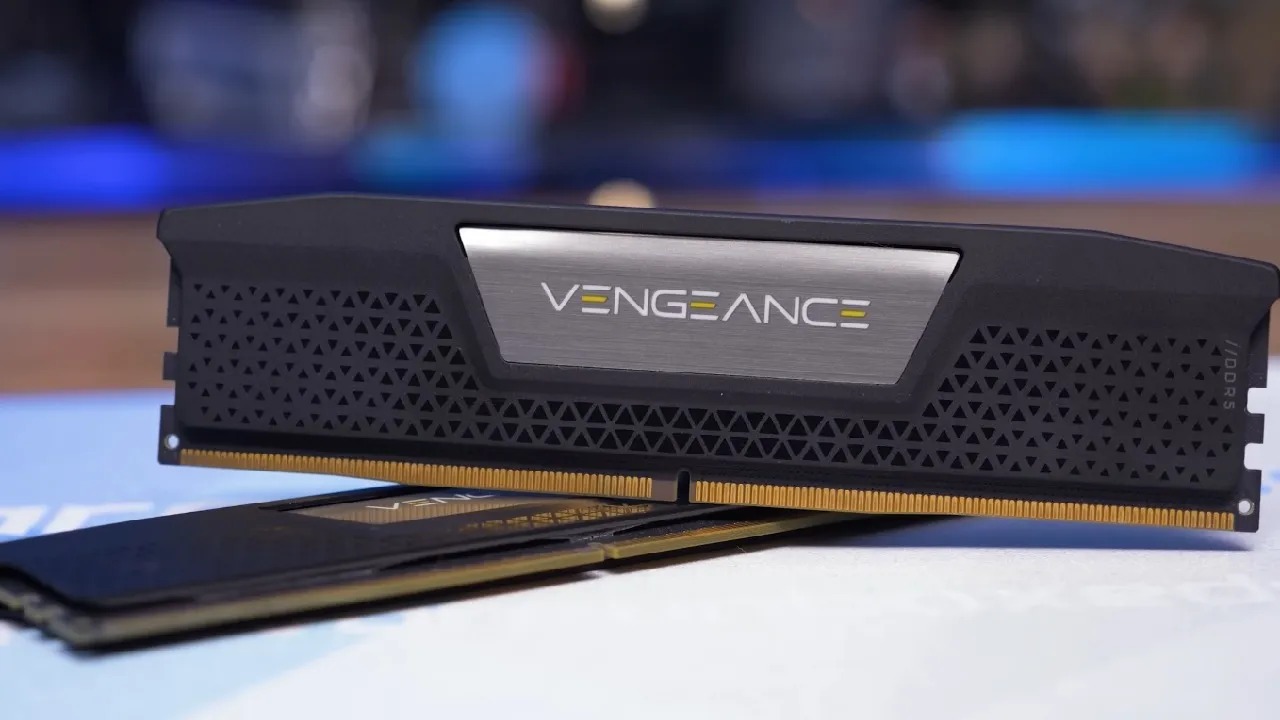
The cost of manufacturing and purchasing memory modules, including NAND flash and DRAM, has been rising rapidly, raising concerns about future pricing for devices that rely on memory. DDR5 for PC builds is now roughly twice the cost it was previously. While memory pricing has always been dynamic, the current surge feels different.
What makes it especially worrying is that this price escalation is affecting nearly every type of memory, leading to uncertainty across multiple product categories.
How AI Demand Is Reshaping the Memory Landscape
We have seen a massive spike in AI-driven demand, most of which is concentrated on server products, including GPUs, CPUs, and other compute components. Server DRAM is under pressure, and the introduction of LPDDR5X in Nvidia's server platforms creates new strain on the supply chain for smartphones and devices powered by LPDDR5.
High-bandwidth memory is also widely used in top-end GPUs. None of these are GDDR products, but memory is fungible at the manufacturing level. As suppliers allocate more wafer capacity toward server memory, pressure builds on GDDR6 and GDDR7 supplies. These drives consumer GPU pricing even though demand for consumer GPUs is not spiking the way it did in 2020 or during the crypto boom in 2017. Instead, it is a shift in manufacturing allocation.
GDDR6 prices have risen about 40% to 50% already, with expectations of more increases. For many GPUs, 10% to 25% of the total bill of materials is consumed by graphics memory alone, and rising memory costs threaten to erode margins—especially for low-end GPUs where cost flexibility is extremely limited.
Should You Buy a GPU Now?
As we move through the extended Black Friday season, a common question arises: Should you buy a GPU right now? We see no signs of a near-term Blackwell Super refresh, and current offerings from both AMD and Nvidia are now at MSRP or even below in some cases.
For budget buyers, we recommend prioritizing GPUs with sufficient VRAM. Entry-level options like the 5060 or 9060 models have 8GB of RAM, so we suggest avoiding them unless your focus is on older games. Meanwhile, Intel B580 and B570 models present excellent value for around $200, offering 10GB or 12GB options. Despite occasional driver inefficiencies and inconsistent launch performance, these GPUs solve the VRAM bottleneck at the low end.
What We Recommend in the Mid-Range Market
For the next tier up, pricing will determine what makes sense. If you find a 9060 XT near $299, that's excellent value for performance comparable to a PS5 Pro-class GPU with 16GB of memory.
On Nvidia's side, we strongly suggest sticking to the 16GB version of the 5060Ti. You get PS5 Pro-level output alongside Nvidia's strong feature set, including DLSS, transformer-based upscaling, multi-frame generation, and the ability to run heavy RT workloads like path tracing at 1440p. Cyberpunk with RT optimized settings performs impressively with MFG.
The 5070 offers proportionally better value than the 5060Ti, though with 12GB it lacks the ideal memory configuration. But in pure performance, it significantly outpaces the 5060 Ti. For those who can stretch further, the 5070Ti sits just below 5080 levels when overclocked and includes 16GB. This makes it a notable sweet spot in Nvidia's lineup.
On AMD's side, the 9070 XT is the more compelling mid-tier option. However, concerns about AMD's shorter product life cycles and the looming arrival of RDNA 5 make long-term value harder to predict. Mark Cerny's comments about upcoming architectural leaps reinforce that concern.
Pacing of Innovation and Market Stability
We are seeing the pace of generational GPU performance gains slow down significantly. That reality changes the buying strategy. Instead of waiting for the next big leap, many of us now evaluate current hardware, knowing that the next generation may not deliver dramatic improvements.
The 5070 suffered in reviews due to unrealistic expectations, including comparisons to the 4090 and the minimal uplift over the 4070 Super. But with the Steam Machine trending despite its aging hardware, we can see that the market is tempering overall performance expectations. Current-generation GPUs remain strong options, and the long-term pace of advancement is slower than before.
Why Waiting Might Cost More
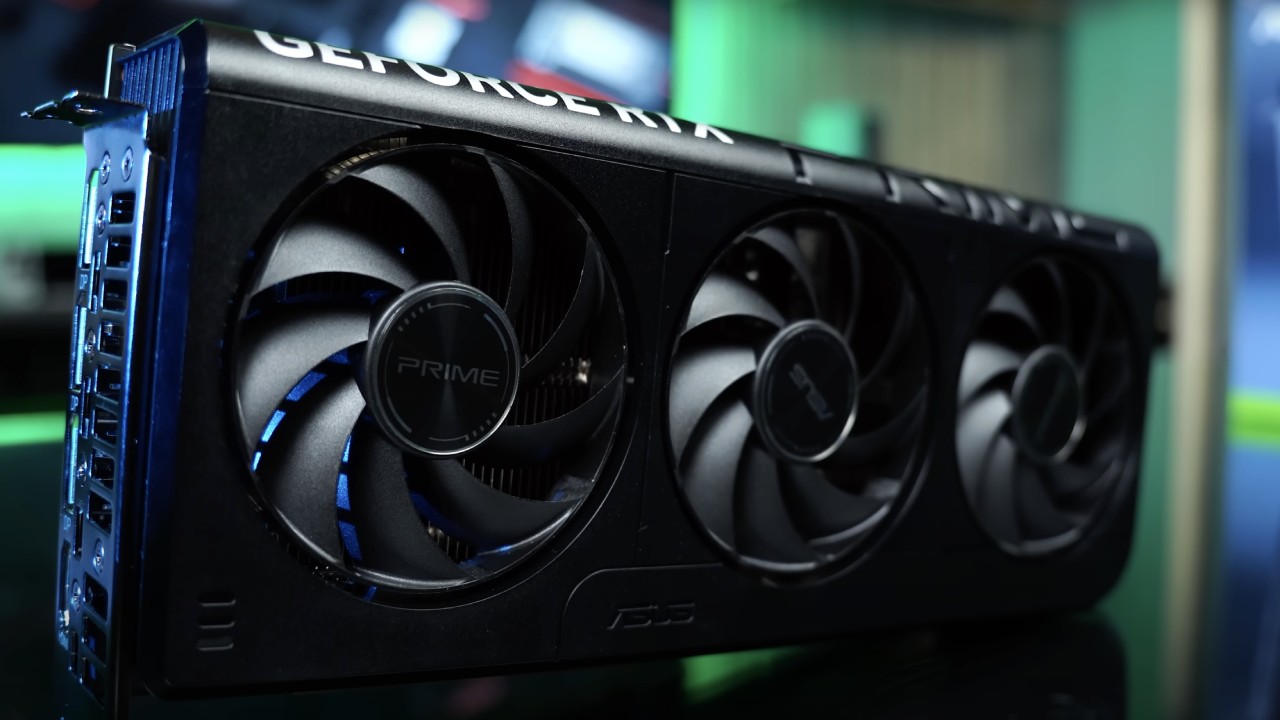
If you wait for the Blackwell Super series, note that these cards are expected to differentiate themselves primarily by offering higher VRAM, given rising DRAM prices, which could create severe upward price pressure when those products hit the market. Releasing GDDR7-heavy GPUs in a rising-memory-cost environment is problematic, and prices could be significantly higher than expected.
This memory squeeze also extends beyond GPUs. Any consumer product with high memory requirements—such as laptops, game consoles, or devices with integrated memory—will be affected. Lower-priced devices will be hit hardest. For example, offering a $400 discount on a next-gen console becomes more difficult as memory prices continue to climb.
Final Thoughts
Current AMD and Nvidia products are solid and offer compelling performance. The big challenge has been pricing and memory allocation. But now that GPUs are near or below MSRP, there is strong justification for buying sooner rather than later.
With no major architecture leaps expected in the immediate future and rising memory costs threatening the affordability of upcoming hardware, buying now may avoid higher prices and limited availability ahead.
Also, check our other hardware articles:
- AMD Ryzen 9 9950X3D Review: Setting The Standard For 2025 Gaming CPU
- Amazon Luna 2025 Review: Is Prime Gaming's Cloud Service Your Go-To For Casual Fun?
- AMD RX 9070 XT Review: AMD's RDNA 4 Champion for 1440p Gaming
- GeForce Now Ultimate: Ditching Your Gaming PC For Cloud RTX 4080 Power?
- NVIDIA GeForce RTX 5080 Review (2025): Still A 4K Gaming Powerhouse?
- Intel Core Ultra 9 285K Review And Performance Breakdown (2025)
- AMD Ryzen 7 9800X3D Review: 3D V-Cache Goes God Mode with Stunning Gaming Performance
- Intel Core Ultra 9 285K vs AMD Ryzen 7 9800X3D: In-Depth Gaming Performance and Benchmark Comparison
- NVIDIA GeForce RTX 5080 Super Performance In Cyberpunk 2077: Path Tracing & DLSS 4.0 Tested
- RTX 5090 Performance Testing In GTA 5 – 1080p, 1440p, and 4K Max Settings Benchmark
- AMD Radeon RX 9070 XT In Cyberpunk 2077: Ray Tracing & FSR 4.0 Tested
- Intel Arc B580 Review: The $250 GPU Revolutionizing 1440p Gaming
- Intel Arc B570 Vs. B580: Value, Specs, And Real-World Gaming Performance
- Intel Arc B570 Review: Efficient Xe2 Performance At An Affordable Price
- RTX 5090 Laptop Vs. M4 Max MacBook Pro: Ultimate Raw Performance Vs. Battery Endurance
- Intel Arc b580 Vs. RTX 4060: Game Performance And Value Analysis
- RTX5090 Hell Is Us Demo 4K Ultra Benchmark: DLSS Vs. Native Performance Guide
- NVIDIA RTX 5070 Review: Mid-Range Muscle or Marketing Hype?
- Nintendo Switch 2 Review: Handheld Performance, Features & Value Breakdown
- RTX 5070 Ti Review: Performance, Thermals & Power Efficiency Tested
- Samsung Odyssey OLED G81SF Review 2025: Ultimate 32-Inch QD-OLED Gaming Monitor
- AMD RX 9070 Performance Review: Thermals, Clocks, and Real-World FPS
- AMD Ryzen 5 7600 Review: Best Budget Gaming CPU of 2025?
- AMD Radeon RX 7800 XT Review: RDNA 3 Power For Midrange Gaming
- Asus ROG RTX 5090 Astral OC Vs. Founders Edition: The 4K Gaming Benchmark
- ASUS ROG Astral RTX 5090 OC Edition Review: 32GB GDDR7 & 4K Gaming Benchmark
- Intel Core i5-13400F Gaming Performance: Still Worth It in 2025?
- ASUS GeForce RTX 5090 LC Liquid Cooled GPU Review: Unmatched Silence & Speed
- ASUS ROG Ally X Handheld Review: Double the Battery, Double the Comfort
- Lenovo Legion Go S Review: The Ultimate Steam Deck 2 Alternative
- Sapphire NITRO+ AMD Radeon RX 9070 XT Review: The Ultimate 4K Gaming GPU
- Alienware 16 Area 51 Review: The Ultimate 2025 Gaming Laptop
- Alienware Area-51 Review: Unmatched 4K, Thermal, and Acoustic Performance
- AMD Ryzen 7 7800X3D: Delivers Gaming Performance Far Beyond Expectations
- AMD Ryzen 9 7900X Review: Powering the AM5 Era with DDR5 & PCIe 5.0
- Intel Core i9‑14900K vs. AMD Ryzen 7 7800X3D: Power Profiles & Gaming Benchmarks
- Intel Core i9 14900K: Specs, Benchmarks, and Competitor Comparison
- ASRock Radeon RX 7800 XT Challenger OC Review: Best Price-to-Performance GPU of 2025
Senior Editor, NoobFeed
Gaming Hardware Updates
No Data.