
RTX 5060 Ti 16GB vs. RTX 5070 12GB: Which GPU Will Age Better for Gaming?
Growing VRAM requirements continue to define GPU longevity as 8GB graphics cards show significant performance decline in modern gaming.
Hardware by Masaru Hoshino on Aug 26, 2025
One of the questions posed was whether gamers might benefit if Nvidia or AMD stuck with TSMC's 4NP node for another generation instead of rushing to newer, smaller processes. While it may seem logical that sticking with a mature process would reduce costs, the reality is quite different.
According to our team, performance gains would stall without a major architecture redesign, and simply producing larger dies on the same node would increase costs rather than reduce them. Furthermore, mature nodes remain in high demand across industries, meaning their wafer costs do not drop as much as gamers might expect.
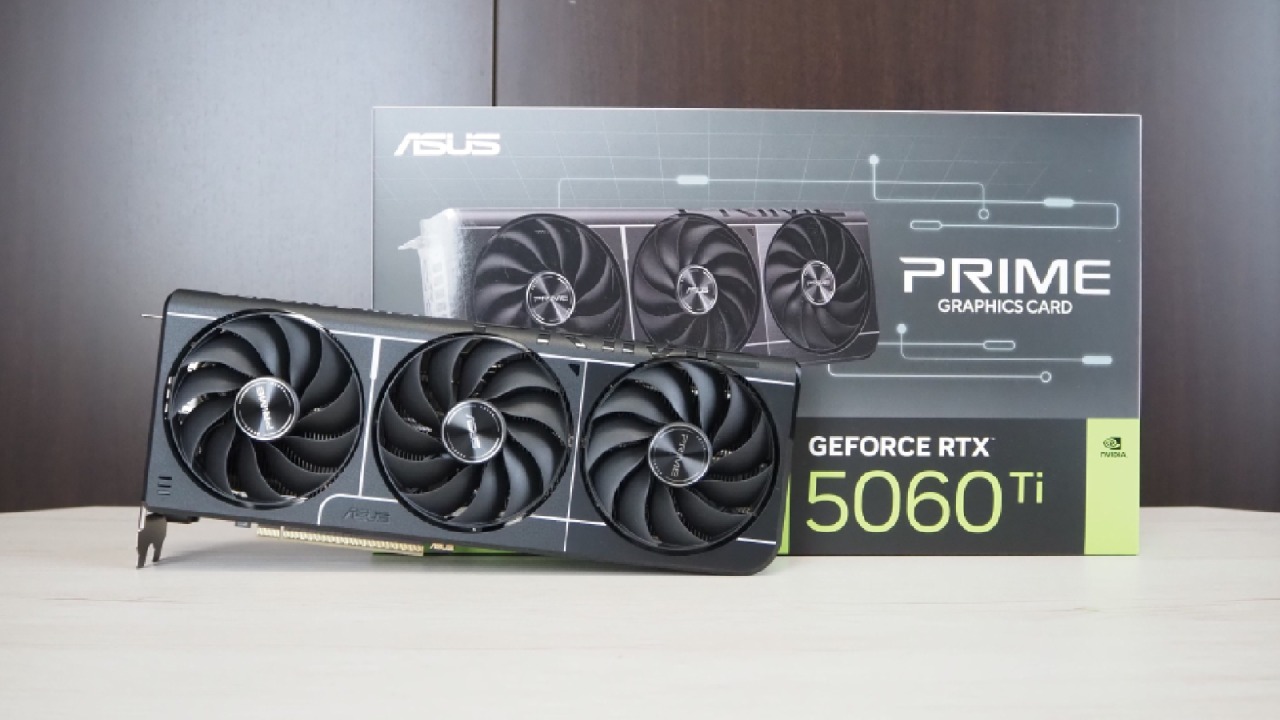
Ultimately, buyers seeking less expensive graphics cards will find this plan unfeasible since GPU manufacturers are reluctant to compromise performance and profitability in order to accommodate lower pricing.
Future of 8GB GPUs
Another pressing problem that was fixed was the robustness of graphics cards with 8GB VRAM. Everyone felt that 8GB had become a major limitation by 2025. Even at 1080p medium settings, cards such as the RTX 4060 Ti 8GB have not held up well over time and are frequently bottlenecked in contemporary games.
Looking ahead two years, our team believes 8GB cards will struggle severely, reducing them to stutter-heavy experiences in demanding games.
While Nvidia may still attempt to sell 8GB GPUs at the very lowest entry level, doing so risks long-term brand damage as more consumers become aware of VRAM constraints. Anything less than 12GB is rapidly becoming obsolete, and 8GB is no longer a suitable baseline.
5060 Ti and 5070 Conundrum: 16GB vs. 12GB
The comparison between a potential RTX 5060 Ti with 16GB of VRAM and an RTX 5070 with 12 GB of VRAM was one of the most intriguing ones made.
In raw performance, the 5070 would outpace the 5060 Ti by about 30% offering stronger results in non-VRAM-limited scenarios.
However, the VRAM difference complicates the decision. A 16GB card will likely age better than a 12GB card, making the 5060 Ti potentially more valuable in the long run despite being slower at launch.
We found out that if games start using more memory in a few years, 12GB GPUs' resale value would become an issue.
The decision ultimately boils down to priorities for buyers: those looking for endurance may find the 16GB option more appealing, but those seeking immediate performance may prefer the 5070.
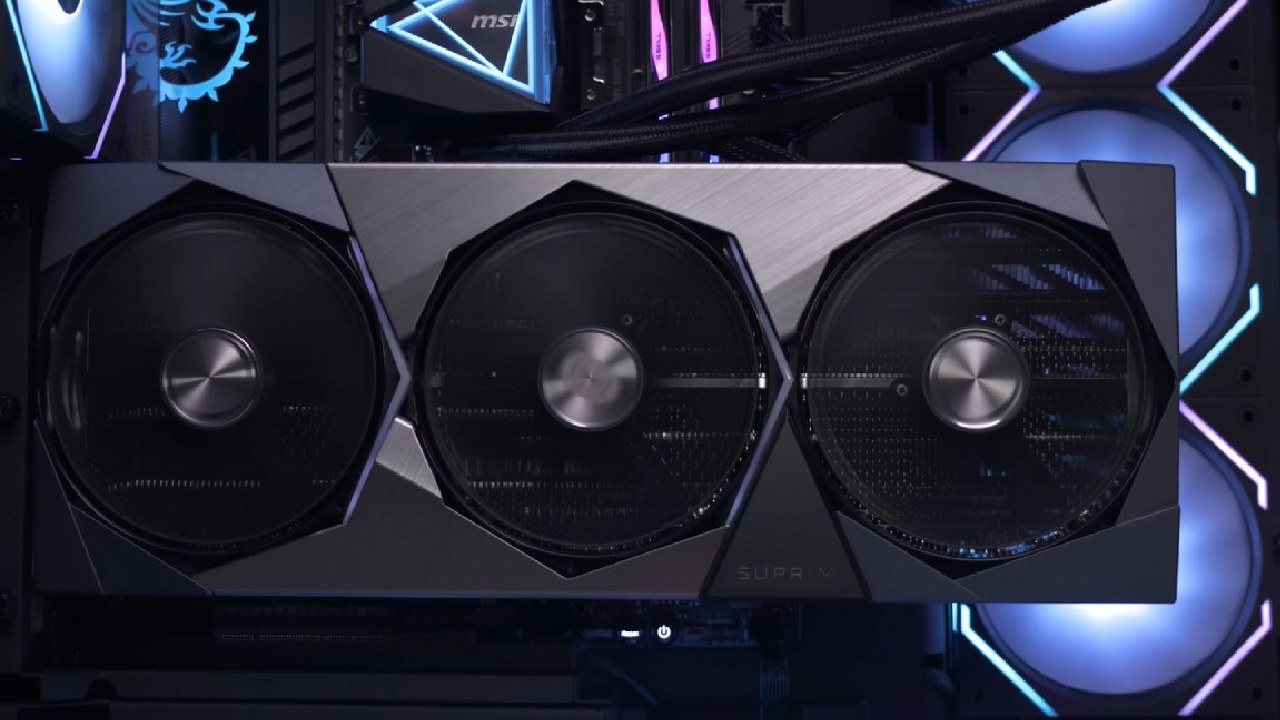
AMD's Decision to Stick With GDDR6
We also discussed AMD's alleged choice to stick with GDDR6 for its next RX 9000 series GPUs instead of switching to GDDR7 like Nvidia.
From AMD's point of view, the approach makes logical sense, even though aficionados who appreciate cutting-edge specs could be disappointed.
AMD's products are more appealing to average consumers since GDDR6 is easily available, less expensive, and allows them to deliver GPUs at lower price points. However, there are trade-offs with this approach.
Competitors with GDDR7 technology might outperform GDDR6 cards in memory-intensive applications or at higher resolutions, making GDDR6 cards less viable in the long run.
Even if AMD puts the onus of possible obsolescence on the customer, the advantages of affordability and sales volume still exceed the dangers.
Key Takeaways: Strategic Decisions and VRAM Awareness
We illustrated the growing importance of VRAM capacity in determining graphics card performance and long-term value. Since 8GB is essentially outdated and 12GB may not be around for long, the safest choices for gaming are rapidly overtaking 16GB and higher.
However, since using outdated nodes does not always result in cheaper chips, the debate over process nodes brings to light the economic reality of GPU manufacture.
Another illustration of how crucial it is to strike a balance between price and capability is AMD's announcement of GDDR6.
The takeaway for gamers is simple: in addition to raw numbers, take memory settings and long-term survivability into account when choosing a new GPU.
Check Our Other NVIDIA Articles:
- GeForce RTX 5090 Unleashed: Is NVIDIA's New Flagship the Ultimate 4K Gaming GPU?
- NVIDIA GeForce RTX 5080 Review (2025): Still A 4K Gaming Powerhouse?
- NVIDIA GeForce RTX 5080 Super Performance In Cyberpunk 2077: Path Tracing & DLSS 4.0 Tested
- RTX 5090 Performance Testing In GTA 5 – 1080p, 1440p, and 4K Max Settings Benchmark
- RTX 5090 Laptop Vs. M4 Max MacBook Pro: Ultimate Raw Performance Vs. Battery Endurance
- NVIDIA RTX 5070 Review: Mid-Range Muscle or Marketing Hype?
- Asus ROG RTX 5090 Astral OC Vs. Founders Edition: The 4K Gaming Benchmark
- ASUS ROG Astral RTX 5090 OC Edition Review: 32GB GDDR7 & 4K Gaming Benchmark
- ASUS GeForce RTX 5090 LC Liquid Cooled GPU Review: Unmatched Silence & Speed
Editor, NoobFeed
Gaming Hardware Updates
No Data.