
GeForce RTX 5070 Ti vs. Radeon RX 9070 XT: Balanced 1440p Upscaling Performance in 2025 Benchmarks
Ray tracing workloads enhance the RTX 5070 Ti’s strengths, while several rasterized scenarios favor the RX 9070 XT significantly.
Hardware by Tanisha Aria on Nov 19, 2025
Nvidia's GeForce RTX 5070 Ti and AMD's Radeon RX 9070 XT are in a close race to lead the mid-range GPU market in 2025. The two cards are designed for 1440p gamers who want to use upscaling technologies while playing.
With DLSS 4 on Nvidia and FSR 4 on AMD, the test goes beyond just comparing raster speed and examines how modern games scale in real-world conditions. This test uses new information from earlier RTX 5070 and RX 970 benchmarks to see where each card stands now in terms of price and performance.
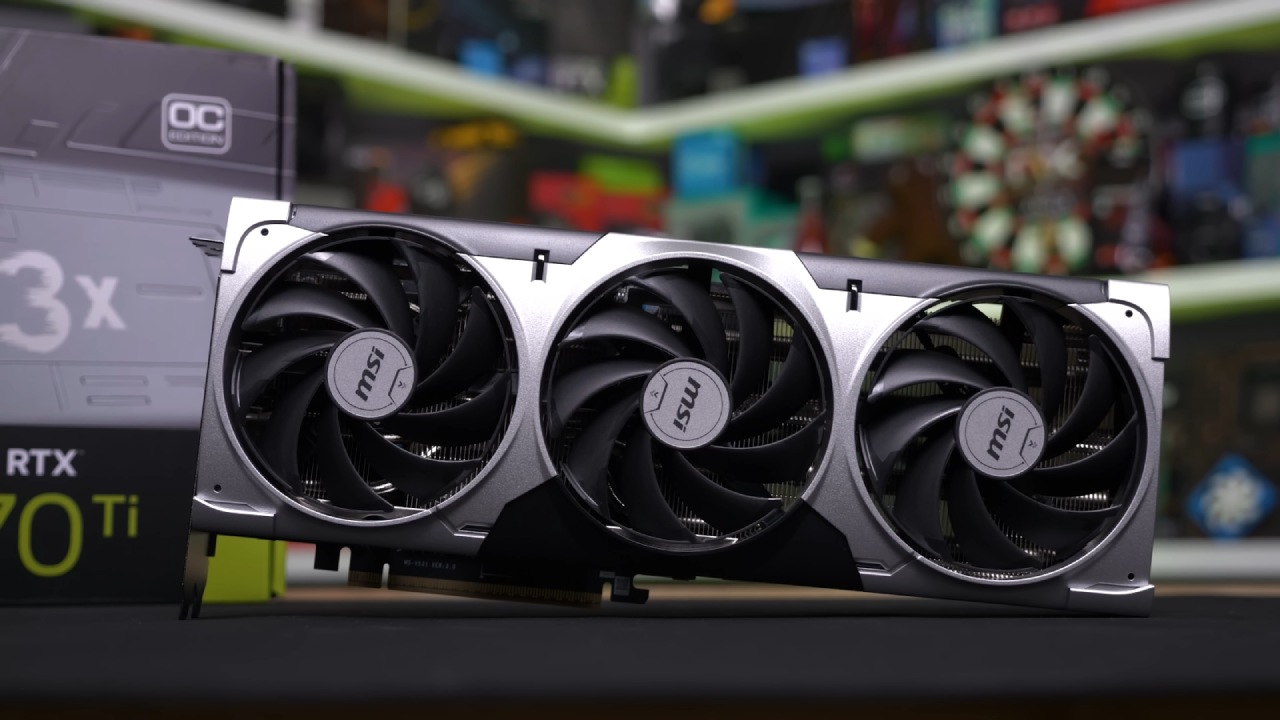
The RTX 5070 Ti usually sells for its MSRP of $750 USD, while the RX 9070 XT still costs around $650, about $50 more than it was meant to cost. The value equation is more complicated now that this gap is smaller than planned.
The test machine has a Ryzen 7 9800X3D processor, DDR5-6000 CL30 memory, the latest drivers, and global overrides for both DLSS 4 and FSR 4 to ensure games use the latest upscaling. Even if their retail units come with factory overclocks, all GPUs run at their base clock speeds.
Horizon Zero Dawn Remastered Performance Overview
Horizon Zero Dawn Remastered leans slightly toward AMD, as the RX 9070 XT renders natively 4% better than the 5070 Ti. This lead grows to 6 percent when quality upscaling is used. However, once upscaling is enabled, both GPUs deliver high-refresh-rate performance. This title puts the 5070 Ti more in line with the RX 970 than with the 9070 XT.
Ratchet and Clank Rift Apart Scaling Behavior
Nvidia got a bigger win with Ratchet and Clank: Rift Apart. The RTX 5070 Ti runs 16% faster than the 9070 XT when ray tracing is enabled at the very high setting. It runs 15% faster when quality upscaling is turned on. The DLSS quality mode output is the same as the Radeon card's FSR performance mode. Still, the GeForce option offers much clearer images.
The Last of Us Part I Frame Rate Comparison
In The Last of Us Part I, both cards perform almost identically in native mode, with the 5070 Ti slightly faster when quality upscaling is enabled. In performance mode, the GeForce card is 5 percent ahead of the RX 970. Still, total gameplay is the same for both models, and the GeForce card is always ahead.
Marvel's Spider-Man 2 Upscaling Efficiency
Nvidia has done well again with Marvel's Spider-Man 2. In native rendering, the RTX 5070 Ti beats the 9070 XT by 11%. This edge grows to 19% when quality is increased. We can see that DLSS 4 scales better than FSR 4 in this game, and Nvidia has a 30 percent advantage at 1% lows.
Assassin's Creed Shadows Native Rendering Trends
In Assassin's Creed Shadows, the RX 9070 XT takes the lead, going against the trend. It's 15% faster than the 5070 Ti directly and about 10% faster when quality upscaling is used. Overall, this game gains less from upscaling than many others. This keeps the results closer to how they would behave in native rendering.
The Last of Us Part II Radeon Advantages
In The Last of Us Part II, the RX 9070 XT has a 13% speed edge over other cards and a 9% quality upscaling edge. This is also where the RX 970 outperforms the 5070 Ti. This is a good showing for AMD's design in this engine.
Ghost of Tsushima Comparative Results
Once more, Ghost of Tsushima benefits from the Radeon option. Using quality upscaling, the 9070 XT has an 8% advantage over the 5070 Ti. This margin is the same as the original rendering spread. In this game, the 5070 Ti is more like the RX 9070 than the RX 9070 XT.
.jpg)
STALKER 2 Upscaling Behavior Differences
In a strange case, STALKER 2 shows that FSR 4 works better on Radeon GPUs than DLSS 4 does on GeForce GPUs. Indeed, the 5070 Ti is 12 percent faster out of the box, but in quality-upscaling mode, its lead drops to just 3 percent. 1% lows are still low for both GPUs because of Unreal Engine 5 traversal stutter, which neither design can fully fix.
Marvel Rivals GPU Comparison
The 5070 Ti is 4 percent ahead naturally and 5 percent ahead when quality upscaling is enabled, keeping the race close in Marvel Rivals. Both GPUs give almost the same gameplay experience in smaller upscaling modes, like performance.
Kingdom Come Deliverance II Frame Time Observations
The RTX 5070 Ti works better with Kingdom Come: Deliverance II; it has 10% better original performance and 12% better performance with quality upscaling. Even though the averages are slower, the RX 9070 XT has steadier 1% lows, especially when upscaling. This means that frame dips happen less often.
Star Wars Outlaws FSR 4 Scaling Gains
One of the best arguments for FSR 4 is Star Wars: Outlaws. In native mode, the RTX 5070 Ti is 8% faster than the 9070 XT. However, when quality is raised, it is 8% slower. From original to quality upscaling, the 9070 XT gets 39% better, but the 5070 Ti only gets 18% better. The 5070 Ti works much more like an RX 970 when it comes to upscaling than it does like a 9070 XT.
Hunt Showdown Recent Driver Improvements
Hunt Showdown is pretty much a tie, with the Radeon card having a 3% edge in both original and upscaling modes. The 5070 Ti was much faster when it first came out, but AMD's recent driver updates have made the 9070 XT work as expected.
God of War Ragnarok Frame Rate Balance
God of War Ragnarok starts out with a tie in native speed, but when quality upscaling is used, the RX 9070 XT comes out on top by 5%. At the same settings, the 5070 Ti still performs better than the RX 9070, but it falls between the RX 9070 and the RX 9070 XT most of the time.
Stellar Blade GeForce Advantages
Stellar Blade greatly favors Nvidia. The RTX 5070 Ti is 29% faster than the 9070 XT natively and 27% faster when quality is increased. That said, the GeForce card also has much lower 1% lows, showing a clear consistency edge. AMD still needs to do some work to improve this game's performance.
F1 25 Mixed Strengths Across Metrics
F1 25 shows results that change based on the measure. The 5070 Ti is 6% faster out of the box, but the 9070 XT is 2% faster when quality upscaling is used. The GeForce model still has 9 percent better lows and 1% better highs, making it the more steady performer overall.
Cyberpunk 2077 Ultra RT Performance Analysis
Both GPUs are pushed by Cyberpunk 2077 with the ultra ray tracing setting. Still, the RTX 5070 Ti comes out on top with an 18% native edge and a 13% quality upscaling advantage. Even more importantly, 1% lows strongly favor Nvidia, with a 24% lead, making gameplay much smoother.
Hogwarts Legacy Upscaling Summary
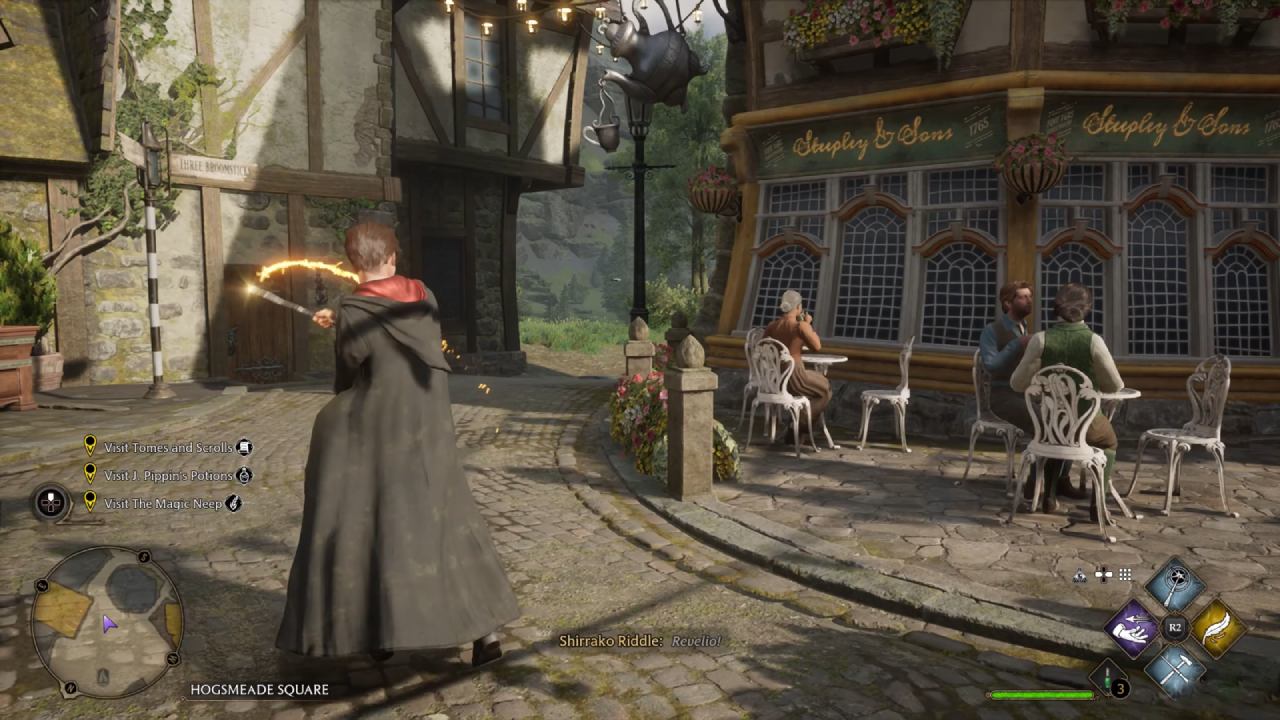
Hogwarts Legacy is pretty much a tie. The RTX 5070 Ti is slightly faster when running games on its own, but both GPUs perform the same when upscaling, whether you look at rates or 1% lows.
Borderlands 4 Average Performance Comparison
Borderlands 4 doesn't show many changes. The RX 9070 XT is only 2% better at quality upscaling. The differences between the two cards are so small that they could be thought of as the same.
Mafia: The Old Country Radeon Strength
Mafia The Old Country Radeon Power Mafia The RX 9070 XT has a 9 percent edge in the Old Country when running natively and a 13 percent advantage when quality upscaling is used. In this game, the 5070 Ti acts more like an RX 970, but the RX 9070 XT is still ahead.
Dying Light: The Beast GeForce Dominance
Dying Light The Beast thinks that the RTX 5070 Ti is one of its biggest wins. It's 19% faster than the 9070 XT out of the box and 14% faster with quality upscaling. To get close to the 5070 Ti's quality mode performance, the Radeon card needs to be in at least balanced mode.
The Alter's Comparative Stability
The Alter is another very close game. The 5070 Ti is 3% faster, and the 9070 XT is 4% faster when quality upscaling is enabled. The 9070 XT usually has better 1% lows, and FSR 4 scaling works a little better than DLSS 4 in this case.
Battlefield 6 1440p Performance Results
In Battlefield 6, the RTX 5070 Ti is 5% faster out of the box and 9% faster with quality upscaling enabled. I think DLSS scales better than FSR in this case. Even though the 1 percent lows are still closer, the 5070 Ti still gives you a faster total gaming experience.
Average Performance Across 22 Games
When using native graphics, the RTX 5070 Ti is 5% faster than the RX 9070 XT in all 22 games. But when quality upscaling is enabled, the difference drops to just 2%, making them equal in a sense. In lower-quality upscaling modes, the difference remains at 2–3 percent, and the lowest points are almost identical on both GPUs at 1 percent.
The 5070 Ti is 15% faster than the RX 970 at native settings and 9% faster with quality upscaling enabled. This makes it a typical match when the 5070 Ti is using DLSS at Quality and the RX 970 is using FSR Balanced. On the other hand, the 5070 Ti is 27% faster than the 5070 when running natively and 24% faster when upscaling. There is no DLSS 4 setting that lets the 5070 match the Ti version.
Performance Spread Between the Two GPUs
Nine games show that the 5070 Ti is faster than the 9070 XT in native graphics, while only four games show that the Radeon card is faster. Nvidia excels at ray tracing and at systems that use a lot of geometry. When quality upscaling is enabled, games are more evenly matched. Seven games give Nvidia a clear lead, ten games end in a tie, and five games favor AMD by more than 5 percent.
Final Buying Recommendation
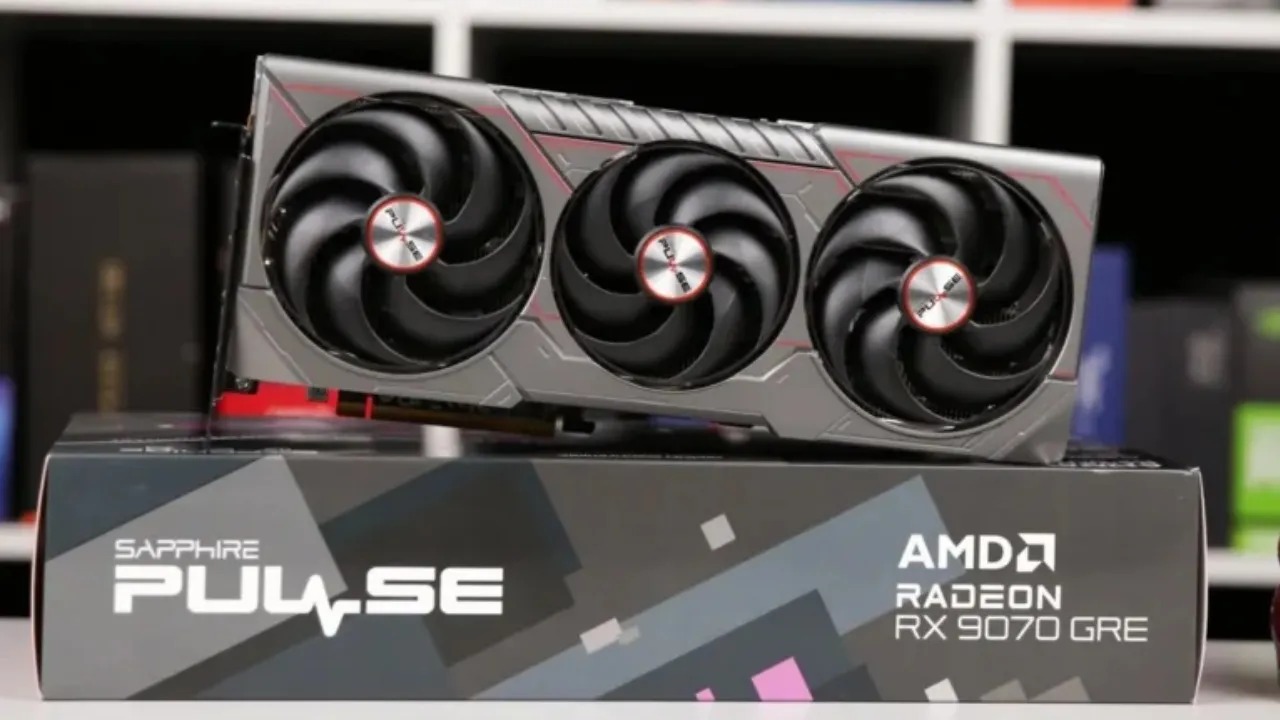
When looking at the RTX 5070 Ti and RX 9070 XT side by side, the best choice relies on price and the games being played. The 5070 Ti costs $750 and the 9070 XT costs $600.
AMD's card costs 20% less and has the same speed, so it's the better deal for most buyers. At this price difference, Nvidia's better features can't make up for the price difference.
The GeForce card is still the better overall product because it has better upscaler support, better picture quality through DLSS 4, and a stronger fallback chain for older games. In new games, AMD's FSR 4 support has been great, but DLSS is still the standard in the industry's back library.
Nvidia still has a big edge for gamers who often play older games. The speed results from this testing will be more useful to players primarily interested in new games released between 2023 and 2025.
The RX 9070 XT is still a better value for money, despite the 5070 Ti being faster and smoother in heavy ray tracing tasks like Cyberpunk 2077's ultra RT setting. Unless the 5070 Ti goes on sale or the 9070 XT stays priced above its MSRP, the Radeon model is still the better buy for most gamers who want to upscale to 1440p.
Check Our Other NVIDIA Articles:
- GeForce RTX 5090 Unleashed: Is NVIDIA's New Flagship the Ultimate 4K Gaming GPU?
- NVIDIA GeForce RTX 5080 Review (2025): Still A 4K Gaming Powerhouse?
- RTX 5090 Laptop Vs. M4 Max MacBook Pro: Ultimate Raw Performance Vs. Battery Endurance
- NVIDIA RTX 5070 Review: Mid-Range Muscle or Marketing Hype?
- RTX 5070 Ti Review: Performance, Thermals & Power Efficiency Tested
- Asus ROG RTX 5090 Astral OC Vs. Founders Edition: The 4K Gaming Benchmark
- ASUS ROG Astral RTX 5090 OC Edition Review: 32GB GDDR7 & 4K Gaming Benchmark
- ASUS GeForce RTX 5090 LC Liquid Cooled GPU Review: Unmatched Silence & Speed
- MSI GeForce RTX 5090 32GB SUPRIM SOC Review: Power Efficiency, Cooling, and Gaming Performance
- INNO3D RTX 5060 Ti 16 GB X2 Review: Gaming Benchmarks, Temps, and Power Efficiency
- HP Omen 45L Review: RTX 5090 Performance, Thermals, and Value Analysis
- ASUS TUF Gaming GeForce RTX 5060 Ti Review: DLSS 4, Power Efficiency, and Gaming
- ASUS Prime RTX 5060 Ti OC 16GB Review: DLSS 4, Ray Tracing, & Thermals Tested
- NVIDIA GeForce RTX 5060 Review: Specs, Gaming, and Cost per Frame
- MSI GeForce RTX 5090 GAMING TRIO OC Review: A Monster Power GPU
Contributor, NoobFeed
Gaming Hardware Updates
No Data.