
Gaming PC Prices Could Rise as Hardware Costs Increase
Rising component costs and AI-driven demand are reshaping the value of expensive gaming PCs and long-term hardware upgrades.
Hardware by Shinji Okazaki on Aug 28, 2026
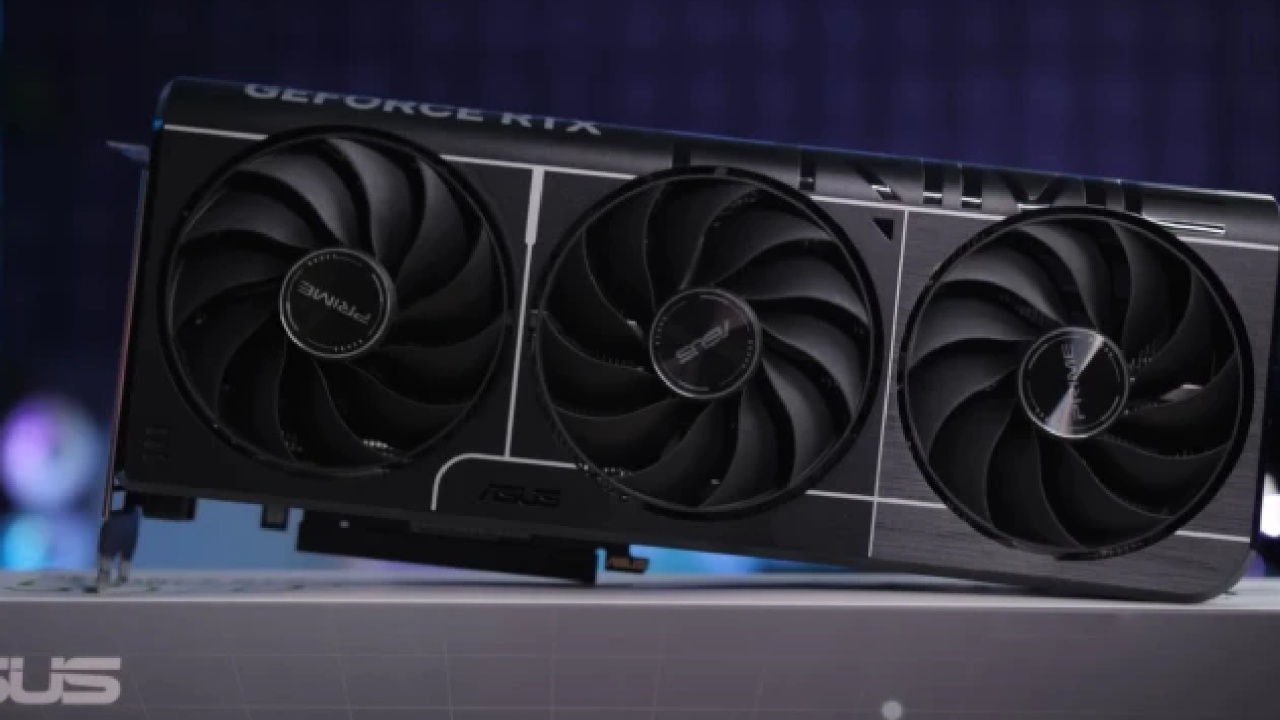
As the price of PC gear goes up, some people are wondering if it makes sense to spend more now to save money in the long run. The PS6 is likely to have graphics performance around an RTX 5070 Ti, and NVIDIA support could come to SteamOS. This means that a powerful gaming PC could be useful across a number of hardware generations.
With the PS6 graphics power expected to perform around the level of a 5070 Ti and the possibility of SteamOS eventually having NVIDIA support, it raises the question of whether spending big money now on a gaming PC could provide 10 years of at-or-above mainstream-level gaming. The idea is that spreading the cost of an expensive gaming PC across 10 years could bring the cost per year down to a more reasonable level.
Five or Six Years May Be More Realistic
Spending a huge amount of money now with the expectation of a PC that lasts 10 years is hard to justify. A high-end PC can deliver strong gaming performance for several years. Spending more on a system that handles current games well and could extend into the next generation by a considerable margin can be reasonable.
However, 10 years is much more difficult to predict. Graphics products have historically struggled to maintain the same level of performance relative to newer games over such a long period. Future feature-level requirements could also change, even for hardware such as an RTX 5090.
Driver support is another unknown. Nobody can safely predict the state of driver support a decade from now. A $1,500 gaming PC can represent a relatively safe purchase for several years, but spending $5,000 on a PC specifically because it is expected to last 10 years is a different proposition. A more reasonable expectation could be around five or six years.
Buying Hardware Before Prices Rise
The question of whether to buy new hardware now or wait has become increasingly important as component prices continue to change. Recent hardware pricing has shown how quickly costs can rise. An M3 Ultra Mac Studio, for example, experienced a price increase of around 35-40% after orders had already been placed.
Industry-wide indications also suggest prices could keep rising. Some Valve engineers have pointed out that current retail prices do not necessarily reflect the cost of future inventory when OEMs purchase components. There are some potential exceptions. Mice, speakers, monitors, and other peripherals without significant storage or memory requirements may not face the same pressure.
However, if a PC or console purchase is already planned within the next 6 months to a year, delaying the purchase could carry a greater risk of encountering higher prices. That does not necessarily mean buying the most expensive hardware available. A 5090 PC doesn't suddenly become a sensible purchase just because prices are expected to rise.
Displays Could Remain Less Affected
Instead of adding more software and smart functionality, televisions could focus more heavily on being displays. PC monitors are technically closer to this concept already, although the display market has its own complications. Recent issues involving LG products show that even this category isn't completely isolated from broader hardware problems.
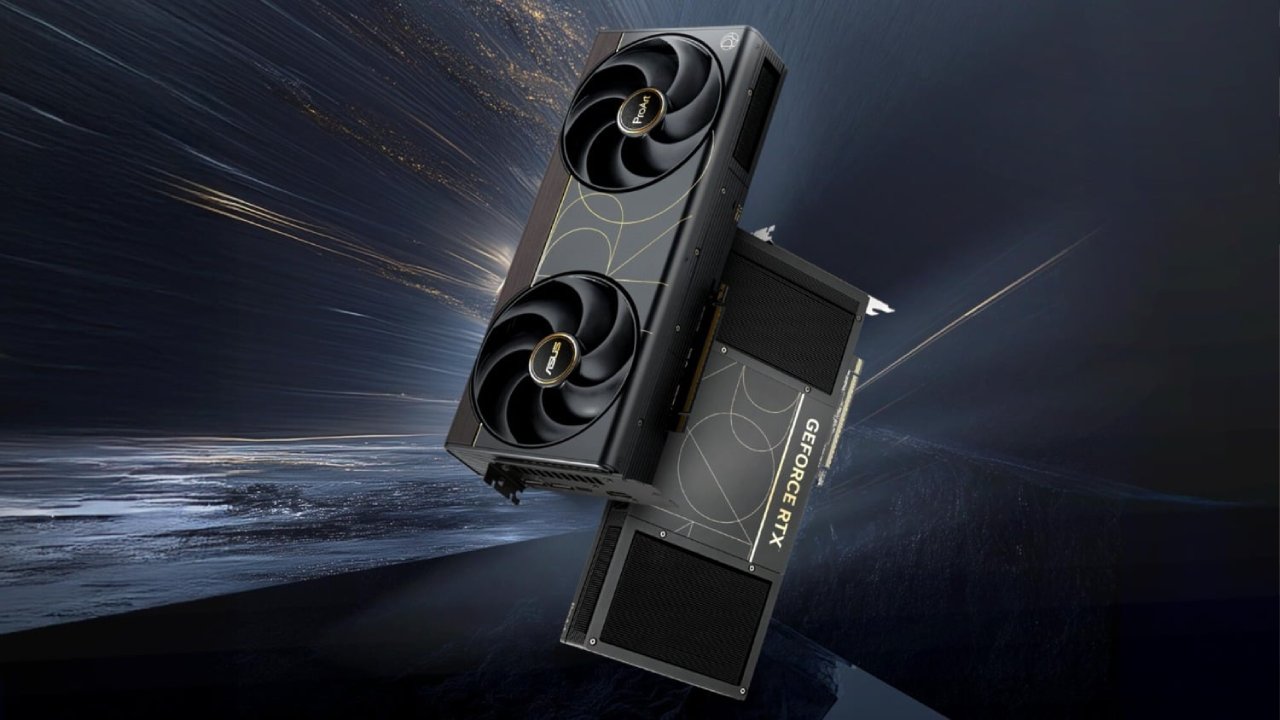
For buyers already interested in a particular product, waiting indefinitely may not offer a clear advantage if prices keep rising. The main question is when the current hardware shortage will stop increasing at its current rate. Where there is a market and there is demand, supply will eventually have to respond.
The current situation can be viewed as a one-off shock to the system, although there is no guarantee that the disruption will be resolved quickly. Demand for memory and other components is strong outside of AI. That means the broader computing industry will eventually need additional supply.
New fabs can come online to help address the situation, but the problem is the timescale required to build and bring those facilities into production. In the meantime, it remains difficult to determine when additional supply will arrive. Forecasts from companies such as AMD, ASUS and MSI can change from week to week.
A good gaming PC can still offer strong value, but it's hard to expect it to remain mainstream.
Five or six years represents a more realistic period for maintaining strong performance from a high-end system. Looking back to the PlayStation 4 generation, you could build a PC that delivered a similar level of performance for a similar price once you factored in subscriptions and other costs.
Across that generation, however, the PlayStation 5 eventually delivered considerably more hardware capability than the PC hardware available at a similar market position. The current generation is different. A PlayStation 5 is roughly comparable in performance to an RTX 2080-class component.
Today's RTX 2080-equivalent hardware, roughly represented by the RTX 4060, can still deliver a PlayStation 5-like experience. That illustrates why buying a strong PC can provide several years of useful gaming performance. Still, it also shows why expecting a single graphics card to remain at the same performance level for 10 years is difficult.
Editor, NoobFeed
Gaming Hardware Updates
No Data.