
NVIDIA RTX 5090 Prices Rise as AMD Expands FSR 4.1 Support for Older Radeon GPUs
Nvidia’s premium GPU strategy continues pushing flagship graphics cards further beyond mainstream gaming budgets.
Hardware by Nahe Yan on Jun 08, 2026
Pricing remains an issue in the GPU market; driver problems persist, and longer upgrade cycles continue to plague it. In contrast, NVIDIA continues its quest for high-end hardware and software capabilities, while AMD grapples with a driver issue and expands support for older GPUs.
Meanwhile, a new set of rumors suggests that a new budget-friendly Radeon GPU may be in the works. NVIDIA has released a 007 First Light bundle for RTX 50 GPUs, covering the entire range from the RTX 5090 to the RTX 5060 Ti. DLSS 4.5, Multi-Frame Generation, and Path Tracing 4+ are supported.
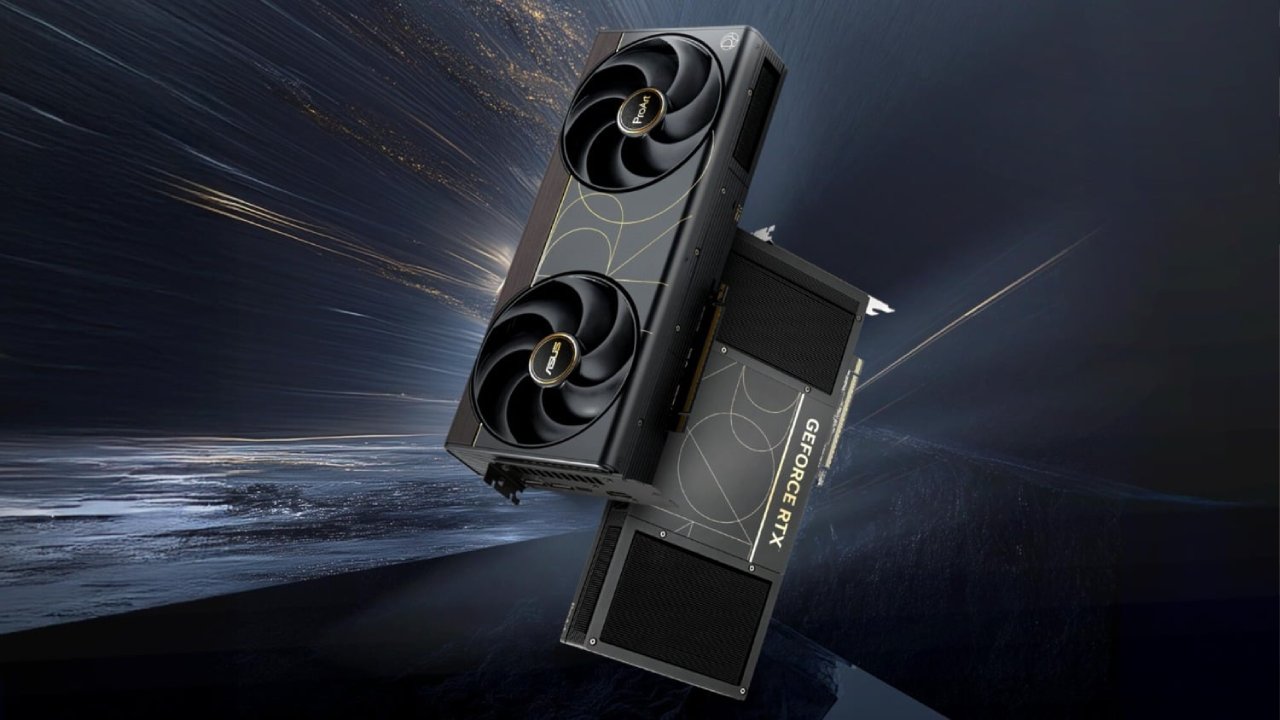
NVIDIA RTX 50 Bundle Does Not Change Pricing Concerns
But a free game doesn't affect price worries. With 32GB of GDDR7 memory, a 512-bit memory bus, the Blackwell architecture, and high performance, the RTX 5090 is Nvidia's most powerful gaming GPU. RTX 5090 might be worth considering for users with 4K displays, demanding editing projects, or AI model workloads.
However, when the primary goal is simply to play games at higher frame rates, the equation becomes more difficult to formulate. Due to the escalating price of VRAM, NVIDIA is reportedly passing on another $300 price increase to board partners for the RTX 5090 and RTX 5090D V2.
In many stores, the RTX 5090 was selling for more than its listed MSRP of $9,099, even before the price increase. With continued price increases, the conversation shifts from pure gaming performance to value. Many gamers will find the RTX 5090 upgrade less straightforward than it used to be. It has become a product focused on buyers who value product benefits more than the price-to-performance ratio.
Adrenalin Driver Bug Raises Concerns for AMD
AMD has another issue with its Adrenalin 26.5.1 driver. A bug with Zero RPM mode has been reported by some Radeon users. This will help to minimize noise and dust build-up by shutting down the GPU fans during idle periods. Users report that Zero RPM can be stuck after the monitor goes to sleep or is turned off, and then wakes up.
Therefore, the GPU fan might not start up properly. When fans are set to Zero RPM and gameplay begins, temperatures can rise rapidly. This can cause thermal throttling, system crashes, or extra heat load on the graphics card. For Radeon GPUs, it might be a good idea to observe fan activity after waking a monitor from sleep mode. GPU temperatures should also be monitored under load.
AMD Brings FSR 4.1 to Older Radeon GPUs
AMD has also announced an update many users of its Radeon graphics cards have been hoping for. FSR 4.1 upscaling is expected for RX 7000 graphics cards in July 2026, and for RX 6000 cards in early 2027. This is important as FSR 4 was reserved for more recent RDNA 4 graphics cards.
Older RX 6000 and RX 7000 graphics cards, however, can handle an INT8 implementation, and community tools have shown that this technology can operate successfully on older GPUs. In the end, AMD decided to continue supporting the feature across all products, not just newer ones.
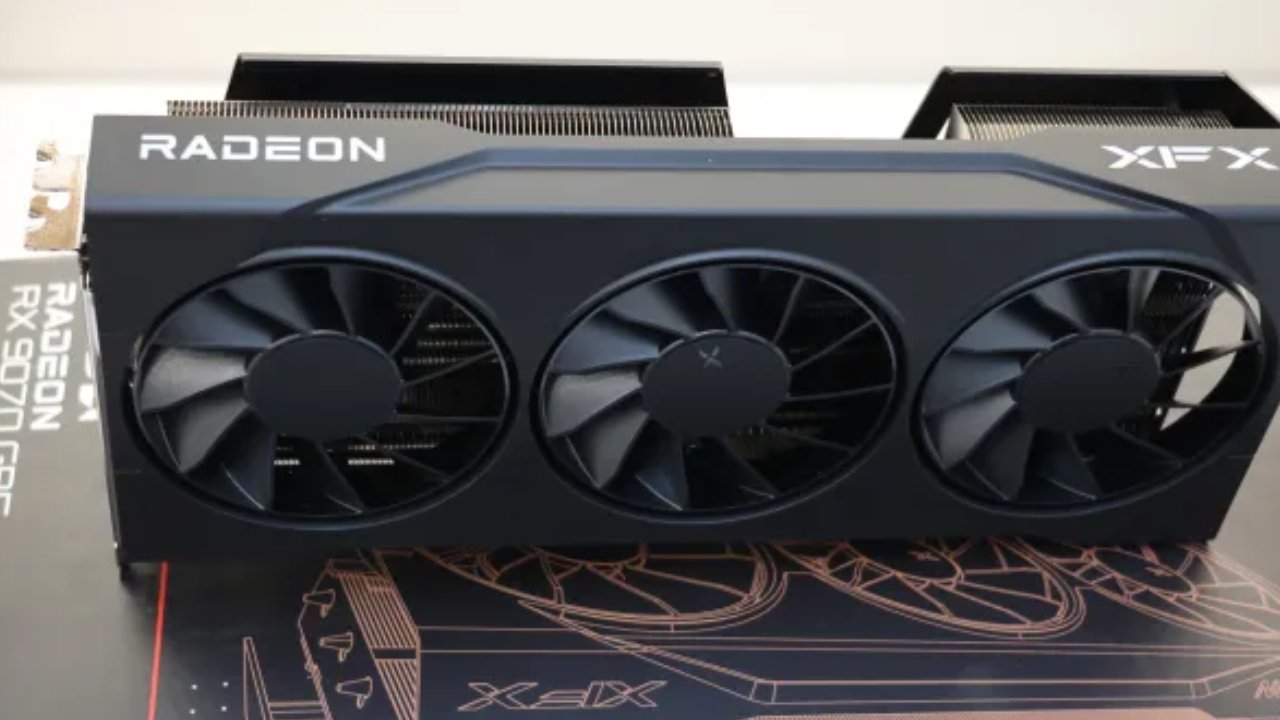
However, there is a significant restriction. The update will focus solely on upscaling FSR 4.1. Not all Redstone features will be supported by older Radeon GPUs, including ML Frame Generation, Ray Generation, and Neural Radiance Caching. Despite those constraints, better upscaling could help prolong the lifespan of older graphics cards.
For RX 6000 and RX 7000 owners, the update might help extend their graphics card's lifespan and maintain playable frame rates in the latest games. When considering GPU prices, it is easy to see how much in financial savings can be achieved by not upgrading the hardware.
Rumors Pointing to a Radeon RX 9050
Another rumor involving AMD has also caught people's attention. Some reports indicate that AMD is developing its first RDNA 4 graphics card, which they've dubbed Radeon RX 9050. Specs are rumored to be 8GB of GDDR6 memory, a 128-bit memory bus, and 2,048 cores.
It is rumored to be the cheaper 1080p gaming card. The principal issue is VRAM capacity. 8GB is enough for esports titles and lighter titles, but modern AAA games, high-resolution textures, ray-tracing games, and heavy modding can require more memory. This makes the RX 9050 potentially a viable choice unless they launch it at a competitive price.
When the price gets close to the better 12GB/16GB competitors, shoppers will have to do some research.
The best ecosystem remains Nvidia's, with the latest DLSS, RTX technologies, AI capabilities, and wide game compatibility. Meanwhile, high costs are a big problem for many purchasers. While driver-related problems remain to be solved, AMD has announced that FSR 4.1 will be available for older Radeon GPUs, a step in the right direction for current users.
At the high end of the market, where speed is the most important factor and cost is not an issue, NVIDIA remains the leader. In this case, when considering value, VRAM size, driver compatibility, and longevity, we must not automatically assume the most expensive is the best.
Do some research before upgrading to check current pricing, monitor GPU temperatures, verify VRAM requirements, and confirm whether you still need your graphics card. Most of the time, however, the best course of action is to wait it out.
Editor, NoobFeed
Gaming Hardware Updates
No Data.