
Yoshi & The Mysterious Book Reportedly Shifted Consoles Mid-Dev
An insider claims the upcoming platformer changed consoles mid-development, and the shift explains a lot about how it looks and runs today.
News by Adeela Tas on Jul 22, 2026
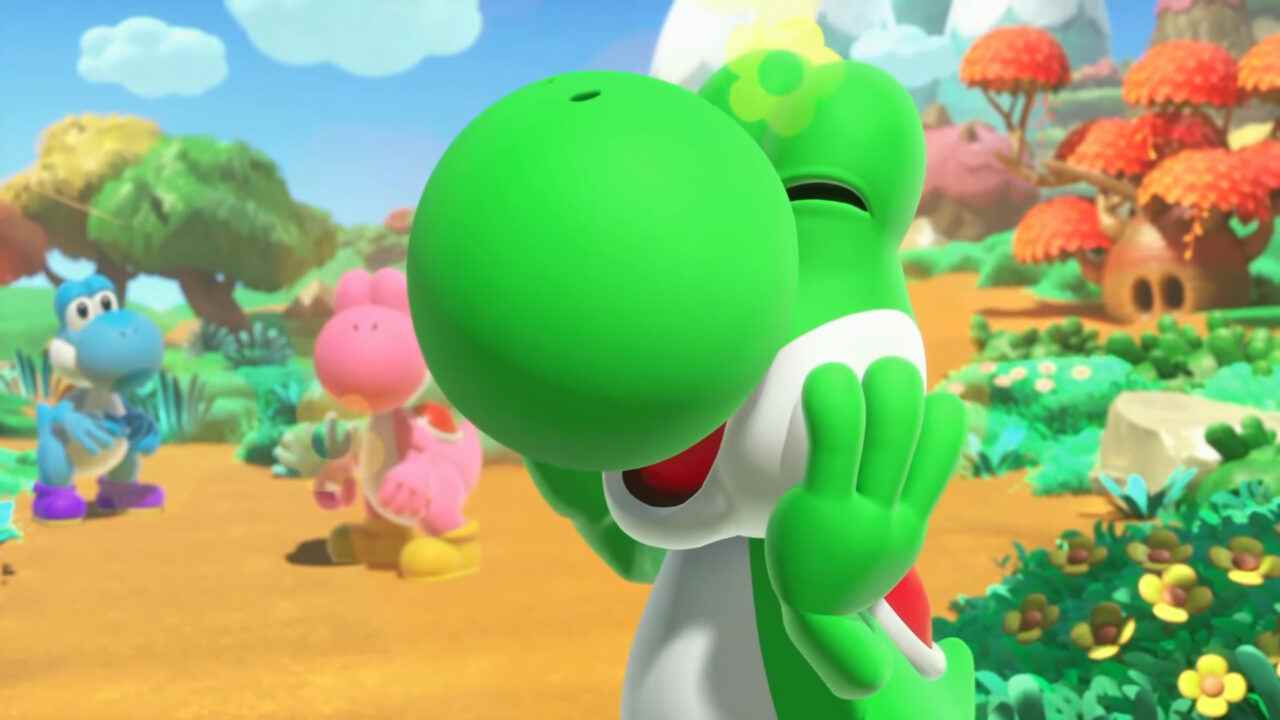
New details have surfaced regarding the origins of Yoshi and the Mysterious Book, revealing that Nintendo’s latest platformer didn't start out as a Switch 2 exclusive. Instead, you're looking at a game that reportedly started development on the original Nintendo Switch before eventually making the jump to Nintendo's newer hardware.
The insider's information reportedly traces back to a Japanese gaming magazine, with the details later translated and shared by a patent-tracking outlet. Per this account, Takashi Tezuka was originally attached to Yoshi and the Mysterious Book as producer, but he stepped back once his attention shifted toward Super Mario Bros. Wonder.
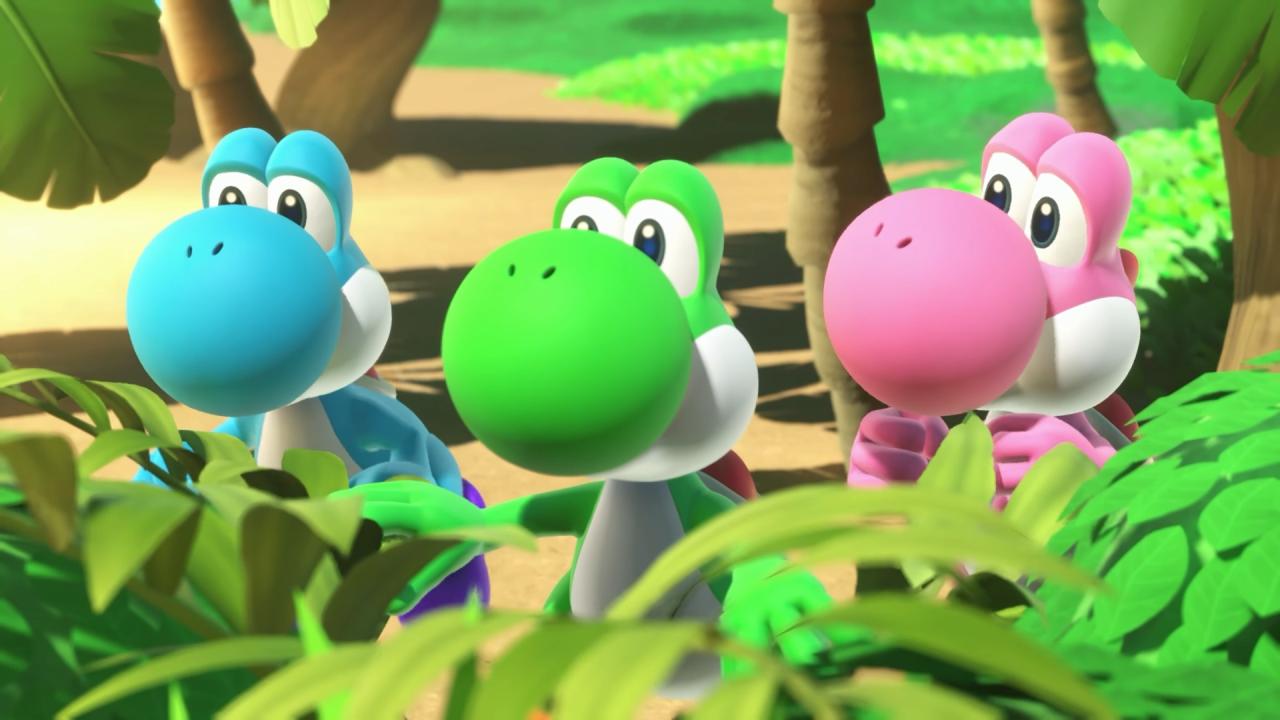
Hisashi Nogami reportedly took over the reins and carried the project forward.
Honestly, none of this should surprise you if you've been paying attention to how console transitions usually go. When a new system launches, you tend to see a wave of titles that quietly began life on the outgoing hardware, especially in that first or second year.
Cross-generation development has become the norm as engines have gotten more flexible and backward and forward compatibility have made it easier to shift a project between systems without starting from scratch. The Switch 2 fits right into that pattern.
Nintendo built it as a natural evolution of the original Switch rather than a total reinvention, aiming for something considerably more powerful, reportedly around ten times stronger according to NVIDIA, while still carrying forward the identity that made the original console click with players.
You can actually see hints of that dual-console origin in Yoshi and the Mysterious Book itself. Its resolution in portable mode isn't pushing the Switch 2 to its limits, which lines up with the idea that this could've started as a Switch title before getting reworked. Had it stayed a Switch-only release, it likely would've looked and run noticeably rougher.
Part of that also comes down to the engine choice.
Yoshi and the Mysterious Book runs on Unreal Engine 5, and Unreal Engine 5 has had a spotty track record on Nintendo hardware, with some titles struggling to hit ideal resolutions or steady frame rates. The good news is that Yoshi and the Mysterious Book reportedly locks in at 60 frames per second on Switch 2, so whatever hiccups the engine has caused elsewhere don't seem to be an issue here.
This kind of cross-gen development isn't unique to Yoshi and the Mysterious Book either. Titles like Mario Kart World and Donkey Kong Bananza have followed a similar path, and the same is likely true for Metroid Prime 4: Beyond and the various Switch 2 Edition upgrades.
Expect this trend to stick around for a while. You probably won't see games that were conceived entirely with Switch 2 in mind until roughly the third or fourth year of the console's life. It'll be interesting to see whether other upcoming titles, like Fire Emblem: Fortune's Weave or the rumored Ocarina of Time remake, also trace back to Switch-era origins.
At the end of the day, though, which console a game started on doesn't really matter much if the final product delivers. What matters more is how it plays and looks once it's actually in your hands. This lines up with an earlier prediction that a lot of Switch 2 software would essentially be Switch games elevated with better visuals and refined features, rather than something built completely from scratch.
All of this ties back to a bigger conversation about horsepower—specifically, how far Switch 2 pushes things compared to its predecessor.
Given that the Switch 2 isn't leaping anywhere close to PlayStation 5-level power, you shouldn't expect a jump so dramatic it feels like you're suddenly playing on high-end PC hardware. What you should expect, and what really matters here, is Nintendo's first-party lineup and AA RPGs running considerably smoother than they did on the original Switch.
The added power is also enough to bring over demanding third-party releases like Final Fantasy VII Remake, Final Fantasy VII Rebirth, and Resident Evil Requiem, while still handling first-party titles and stronger AA RPGs, such as The Legend of Heroes: Trails in the Sky the 1st , with noticeably better performance than before.
Editor, NoobFeed
Related News
No Data.