
Yoshi and the Mysterious Book Review
Nintendo Switch 2
A storybook expedition that reimagines discovery with childlike wonder and surprising creative confidence.
Reviewed by Zahra Morshed on May 20, 2026
For decades, Nintendo has been turning platform games into spectacular displays of movement, rhythm, and mechanical accuracy. But the nicest thing about the corporation has always been its willingness to attempt new things with familiar people. Mario is the regular idea man, but Yoshi has quietly become Nintendo's home for softer, weirder concepts.
Yoshi and the Mysterious Book makers don't adhere to the rules of platform games. They are more interested in exploring the interests of the players. It feels more like flipping pages in a live book than racing to the finish line. Nintendo’s Yoshi and the Mysterious Book, by Good-Feel, has the tall task of shifting minds about a series long associated with soft platforming and handmade visual beauty.
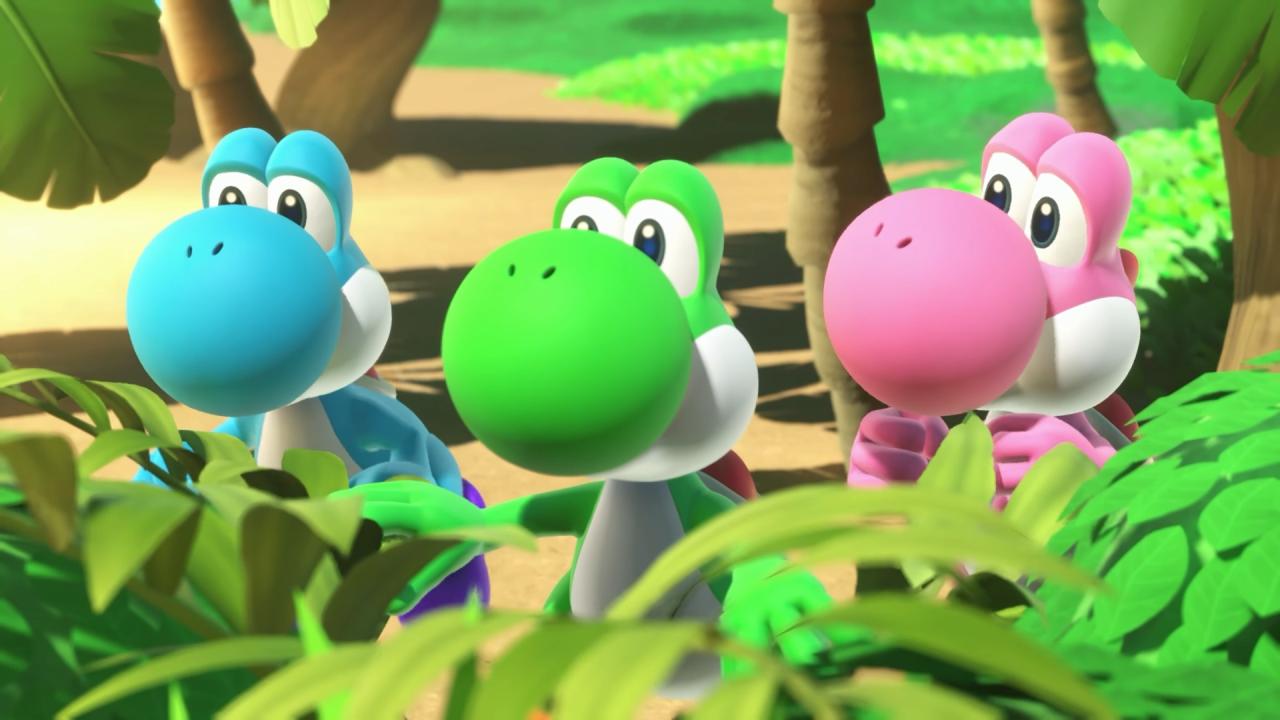
Rather than repeating the structure of Yoshi's Island, it prioritizes experimentation, interaction with the world, and discovery through puzzles. This is a major creative decision that immediately makes this game stand out from prior Yoshi adventures. It’s a gloriously stupid idea.
In the magic book, Mr. E loses the information that was buried in its magic pages, so the Yoshis must go into its colorful worlds and find creatures they had forgotten. This setup allows each level to have its own habitat, where viewing is more vital than surviving. You don't beat foes in the normal sense, but instead engage with animals to understand how they act, how they affect each other, and how their skills change the world around them.
This sort of reasoning makes Yoshi and the Mysterious Book one of the weirdest new platform games from Nintendo.
The game deliberately avoids features that punish the player, instead choosing to focus on mechanics that foster exploration and discovery. Health isn’t that important, death isn’t that common, and progress is about engaging with others, not controlling them. That softer creative approach almost seems bold in a discipline that is all about strong spikes and escalation.
There is a strong sense of love that runs through everything else. The watercolor artwork, stop-motion animation, and beautiful character designs all contribute to the world seeming handmade, filled with affection. But beneath the glamour is a game struggling to address a huge question. Can discovery still be interesting when most of the usual ways of challenge and growth are taken away?
In Yoshi and the Mysterious Book, the solution to that question is both brilliant and perplexing. The stories told in Yoshi games have never been the main draw, and Yoshi and the Mysterious Book is no exception. The narrative is aimed at stimulating exploration beyond emotional drama. Mr. E, a magical talking encyclopedia, returns to Yoshi’s Island after losing whatever information was stored in its pages for some unknown cause.
The Yoshis offer to find out such knowledge again, by exploring illustrated regions and learning about the animals that reside there. Bowser Jr. and Kamek finally arrive, searching for the strange secrets that the book contains. However, their presence never actually becomes a danger. The tale is deliberately light for most of the experience. It’s not about dramatic cutscenes or emotional tension. Instead, it’s about atmosphere and humor and discovery.

That simplicity works surprisingly well because there’s enough personality in the environment to keep people interested. What is more remarkable about the tale structure, however, is the fact that each habitat tells mini-stories through interaction. A fishing creature teaches patience with its environmental problems. Fun surroundings with surprises, levels with trouble-making flower beings. Every species is part of a wider visual language, produced via experimentation and observation.
In Yoshi and the Mysterious Book, there is not much speech, but that’s because the environment always makes you intrigued. The serial style also helps with pacing. Each chapter brings new gameplay mechanics, monsters, and visual ideas before the old ones become too much to manage. The game encourages exploration through humorous discoveries, so success feels directly tied to your interest rather than just doing repeated tasks.
Every pace helps to make the trip fascinating, even when the primary tale isn’t very terrific. But the story lacks emotional momentum beyond its core idea. The characters don't really change, and the great story shocks usually have no lasting repercussions. Clearly, the game favors comfort and ease of use above emotional depth, which is great for younger players but can make the journey feel a bit shallow at times.
Part of the game's charm is, of course, its real embracing of innocence.
Yoshi and the Mysterious Book doesn't attempt to be darker or more grown-up than it needs to be. Instead, it gives itself over to wonder and makes discovery a type of storytelling in itself. That purity lends a timeless sense to the game that I’m finding harder and harder to come across in today’s platformers.
Yoshi and the Mysterious Book is a game that breaches a lot of the norms you usually find in Nintendo platform games when it comes to how it functions. The days when a level was just an obstacle course with some aim in mind are gone. Instead, each stage is an interactive learning space where the core game loop is experimentation. You tour ecosystems, talk to creatures, and write down what they find in Mr. E’s magical dictionary.
Yoshi can still devour adversaries, fling eggs, and flutter jump, but these skills are now employed for exploration rather than combat. Each creature has its own interactions that alter the way you move and solve challenges. Some are employed as tools. Some are utilized as horses. Many of them modify the surroundings in odd ways. There are so many possible ways to play the story, because new creature mechanics are added all the time.
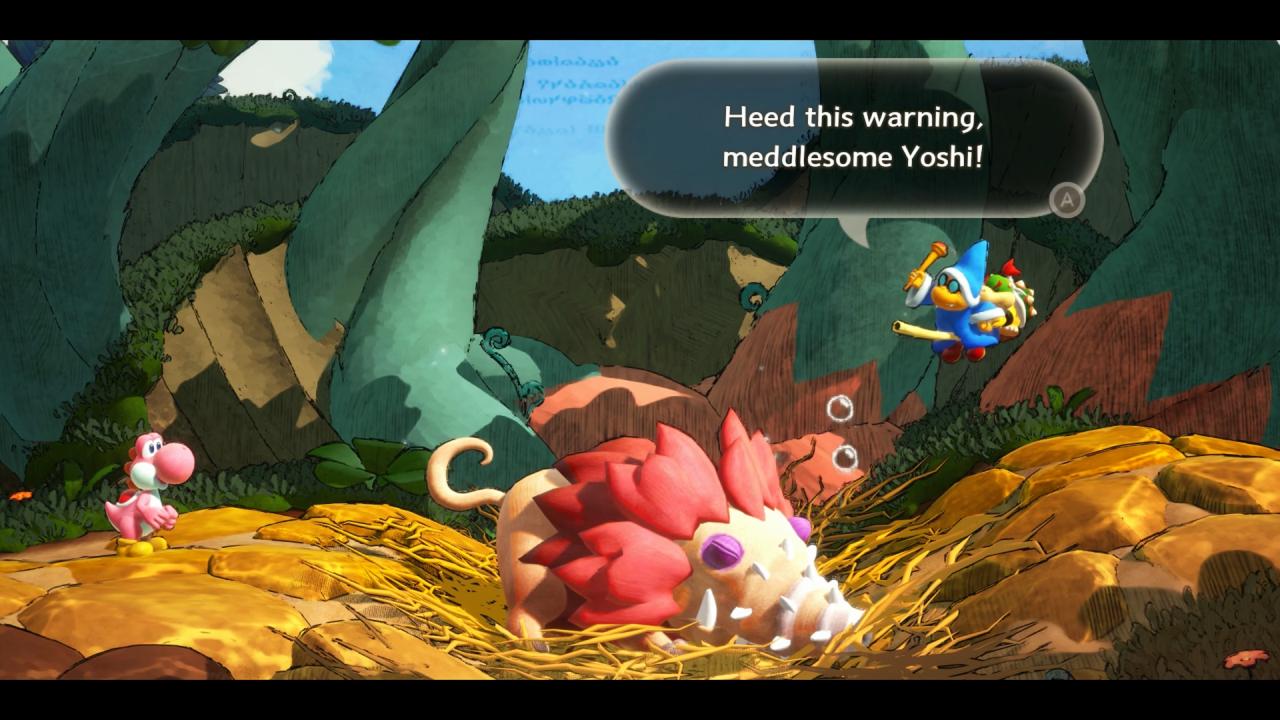
Progress comes from making findings. You get points by finding out how creatures behave, how the world impacts them, and how hidden processes work in each habitat. These points allow you to read more chapters and motivate you to perform a lot of research. It’s very clever for that, because the structure rewards inquiry and success, not speed or mastering a machine.
The cool thing about the system is that you learn things automatically as you play. You may wash the muck off the flower creatures with water. Yoshi's treatment of the odd animals determines their response. Most of the time, you solve environmental puzzles by accident rather than knowing exactly what to do. Yoshi and the Mysterious Book constantly relies on you to find things out for yourselves instead of offering you too many lessons.
There are extra optional aspects to the game. These include Smiley Flowers, tokens and interface meters that can be unlocked. These mechanics give new ways to move, but don’t feel too vital to the main experience. Some meters track findings or how creatures act, but most are more like entertaining frills than helpful ways to improve the game.
Importantly, failure is not frequently punished. In normal circumstances, Yoshi can't really die; falling into pits only resets his location immediately. This design ensures that the focus is on exploration and experimentation rather than frustration. This ease of entrance is good for the younger crowd. The absence of true stress might sometimes make them less engaged in the game in the long run for expert players.
Yoshi and the Mysterious Book is not much of a combat game, and that design decision makes a massive difference to the experience.
Normal foes are not generally a threat. Instead, animals are like puzzle pieces or tools for the environment or interactive toys that get kids to explore new things. Now the game’s progression is battle finding rather than based. The core of puzzle design is figuring out how creatures act and how their surroundings influence them.
Some levels require you to invent imaginative ways to transform ecosystems, others require you to combine the skills of different creatures to uncover hidden treasures. Sometimes you will need to maneuver flowers toward the sun, other times you’ll need to play around with physics, bouncing on platforms or water currents.
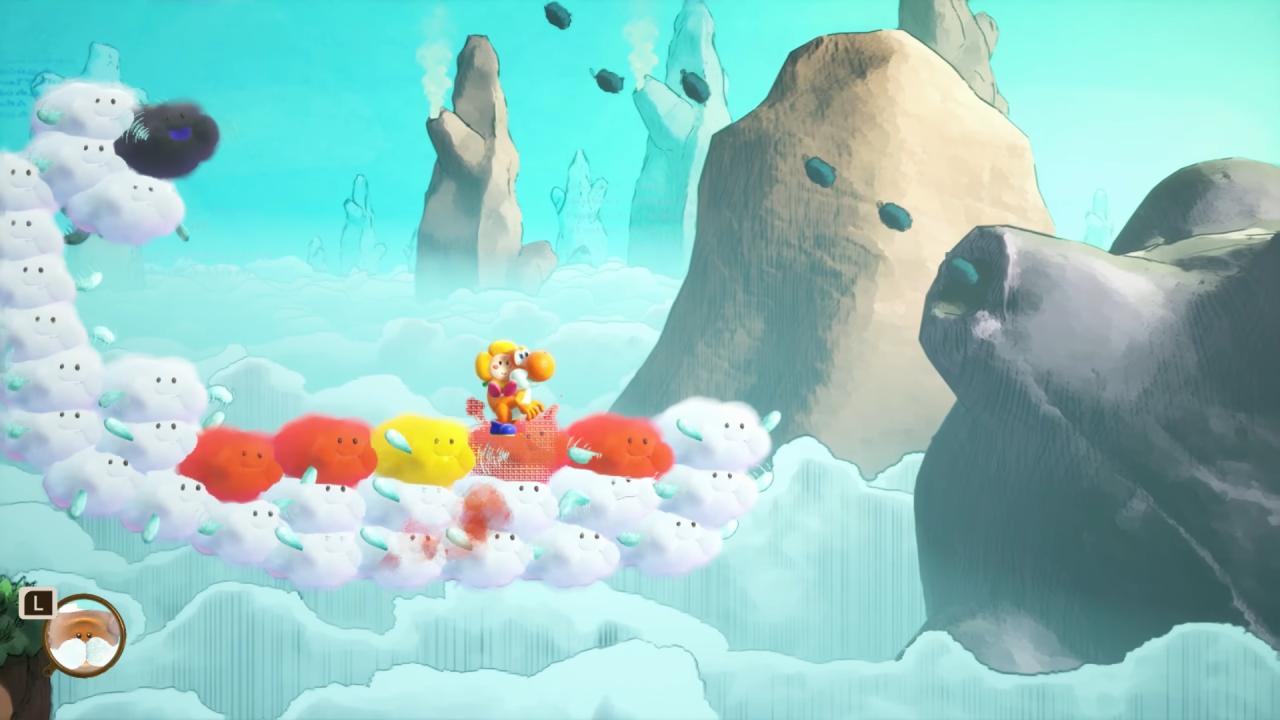
The best problems arise from people’s innate curiosity. Experimenting with how creatures and environments work with each other often results in you discovering new things by mistake. It offers the game a rewarding sense of experimentation that you don’t frequently experience in current platformers. Yoshi and the Mysterious Book is at its best when you are urged to think outside the box, instead of following a set of rules.
The inventiveness of many surroundings is reflected in the way they are designed. Movement and puzzle-solving are continually altered, in just a few ways: fishing sequences, gliding mechanics, and creature navigation tasks. Nintendo has always been brilliant at providing new features before they grow tiresome, and this game generally sticks to that philosophy.
But not every game is as good as the previous. Many goals are excessively reliant on unclear clues or cryptic discussions, causing gamers to roam aimlessly in search of answers. Some of the later physics-based movement portions of this game are annoying because the controls don't always respond as they should, and the world doesn't always make sense. These elements of the game are considerably different from the way it’s generally made.
Then there are occasions where the difficulty is spiked and feels strangely out of place with the rest of the game. In levels where you need to rescue creatures, or where the gameplay is more stealth-based, it’s shockingly hard for younger players to be accurate in some scenarios. These abrupt challenges feel a bit out of place, but the game is still fairly fair overall.
But overall, the concept of the puzzle is quite clever. Yoshi and the Mysterious Book moves away from typical combat and opens up for experimentation-driven gameplay that is not often seen in Nintendo’s platform games. It might not be as crazy for you if you are into practical stuff, but its originality always makes up for that.
The great thing about Yoshi and the Mysterious Book is how it makes experiments into pleasant things to do.
The discoveries do not feel forced. They come organically, not because you are told to. You are rewarded for trying new things, touching objects you don’t often touch, and watching wildlife closely. Over time, the thrill of finding new things in a delightful way becomes quite addictive. Much credit also goes to the diversity of species.
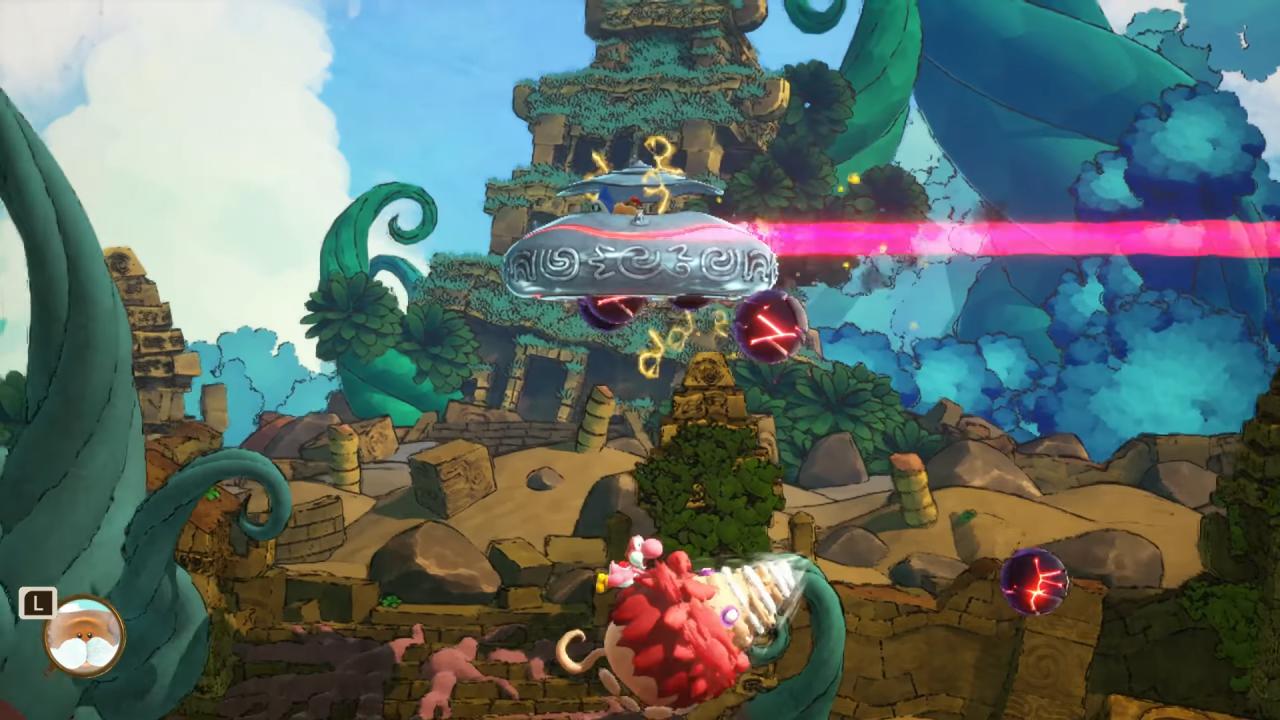
Almost every new species introduces new gameplay elements that make exploring and solving challenges a completely different experience. Nintendo and Good Feel don't want to keep rehashing the same ideas. This makes the environments look and work differently for most of the campaign. This constant stream of new ideas makes the experience fascinating even when it isn’t too hard.
Another important plus is its easy accessibility. The game is basic enough for those who are younger to enjoy, but not fully easy, thanks to hint systems, forgiving checkpoints, and small penalties. The game makers recognize that exploration might be irritating if you constantly fail at it. Yoshi and the Mysterious Book performs a superb job of maintaining the momentum by removing harsh consequences.
But in the long run, it is a hard game to play over and over. Many environments that used to be there lose their sense of wonder, and look the same over and over again. Sometimes, going back to earlier stages to complete the last few goals feels more like ticking boxes than really exploring. The problem difficulty varies as well. Some jobs are quite straightforward to figure out, but others have ambiguous answers that leave gamers less satisfied.
Physics-based interactions don't always operate as intended, especially in scenes with a lot of movement, waves, physics-based bouncing, or unstable platforms. These portions disrupt the otherwise smooth flow of discovery. In general, the method is quite innovative, even with these flaws. Yoshi and the Mysterious Book proves that platform games don’t always require hard battles or perfect timing to be interesting.
The core mechanic is curiosity itself, and this approach of constructing it lends it a unique, creative personality. There are no experience points in Yoshi and the Mysterious Book. But the discovery method built into each environment makes progress quite rewarding. Through experimentation and exploration, you gain discovery points that can be used to unlock new chapters and settings.
This approach puts curiosity as the primary incentive system. Every time you meet a creature, it helps the plot get on its path in a bigger way. In Mr. E’s encyclopedia, you jot down such things as actions, world reactions, and secret game mechanics. These discoveries provide frequent tiny rewards that help people desire to attempt new things without using standard leveling systems.
Nintendo understands that emotional fulfillment can be more rewarding than improvement in data, if done correctly.
Also, the game has collectible currency, such as tokens, that can be used to get hints for unsolved findings. This mechanic keeps the sense of discovery alive while gently tempering dissatisfaction from getting too bad. You can play as much or as little as you like, and you won’t be punished for being interested.
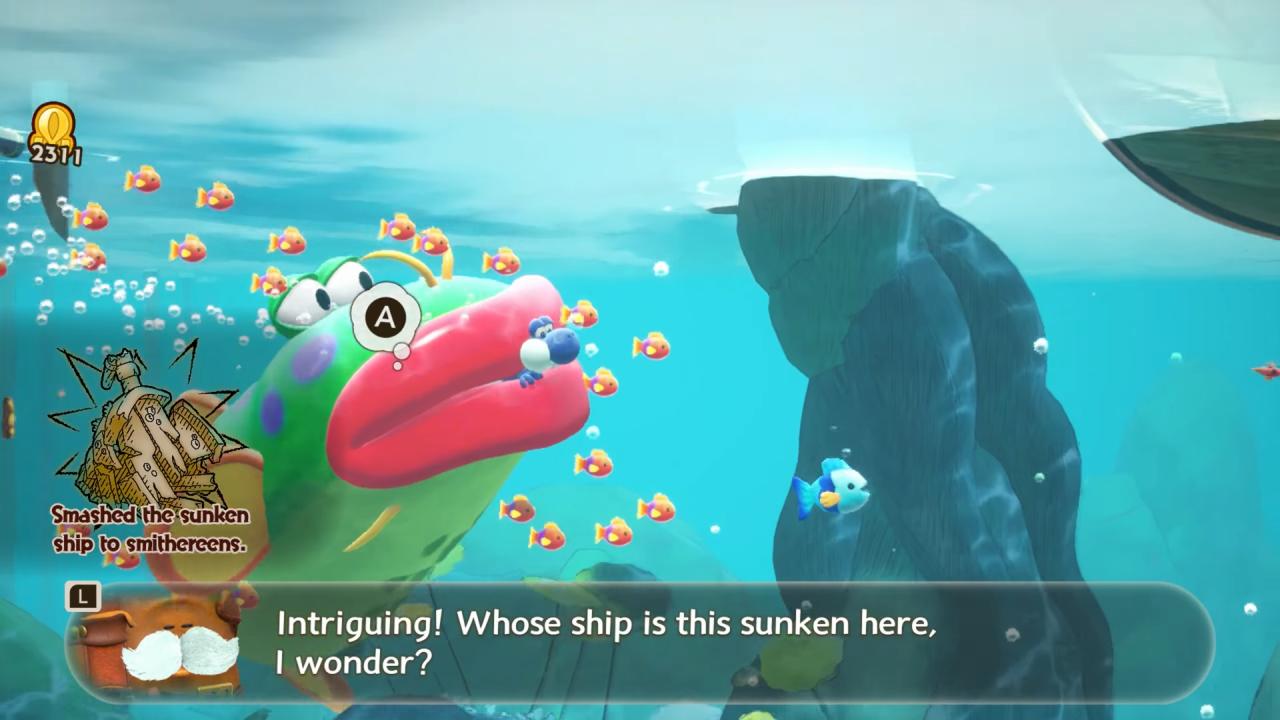
Most importantly, growth never feels like a lot of grind. Habitats include plenty of extra finds, so you can explore them all the way through to unlock new chapters automatically, no need to keep farming. The speed is consistent and quiet, which goes perfectly with the overall feel of the game, which is one of gentle play.
But occasionally progress stalls because the gains are primarily conceptual, not life-altering. Discovering new things is fun, but the fact that the way the game plays doesn’t alter much can make extended sessions less exciting. Mostly, players interested in upgrades and upping the challenge may finally demand better progression hooks.
But the simplistic structure is exactly what the game is about. In Yoshi and the Mysterious Book, learning equals growth, and finding things is a fun way to play and a method to advance the story along. That beauty presents a unique approach for the experience to tie its themes together.
Yoshi and the Mysterious Book could be one of Nintendo’s most visually stunning new platform games. Each environment is like a hand-drawn image that comes alive with watercolor effects, colored pencil shading, and stop-motion-like animation. It makes the world feel less like a traditional gaming world and more like going through an animated children’s book.
The creature designers deserve a lot of recognition because each species has its own individuality, which you can see in how it moves and animates. Bubble creatures jiggle with amusing flexibility, enormous beasts stomp around with exaggerated weight, while tiny animals respond fast and adapt to what Yoshi does. It’s these small characteristics about the way things behave that make ecosystems feel extremely alive.
The diversity of the environment is still quite stunning. The campaign includes tropical coastlines, underwater tunnels, and flower-filled fields, in addition to chilly locations and weird vistas right out of a novel. Nintendo always changes the colors so you don't get into a groove. Yoshi and the Mysterious Book understands the importance of visual momentum in exploration-based design.
The stop motion animation really does capture the fun of the game.
Yoshi's movements seem a little stiff, like a handmade puppet being worked frame by frame in a real-life fairytale setting. That’s the lovely sense that permeates the whole event, that choice on how to look at it. Performance also remains surprisingly consistent. There are no clear technological modifications to the game, both docked play and portable mode preserve the visual clarity and smoothness.
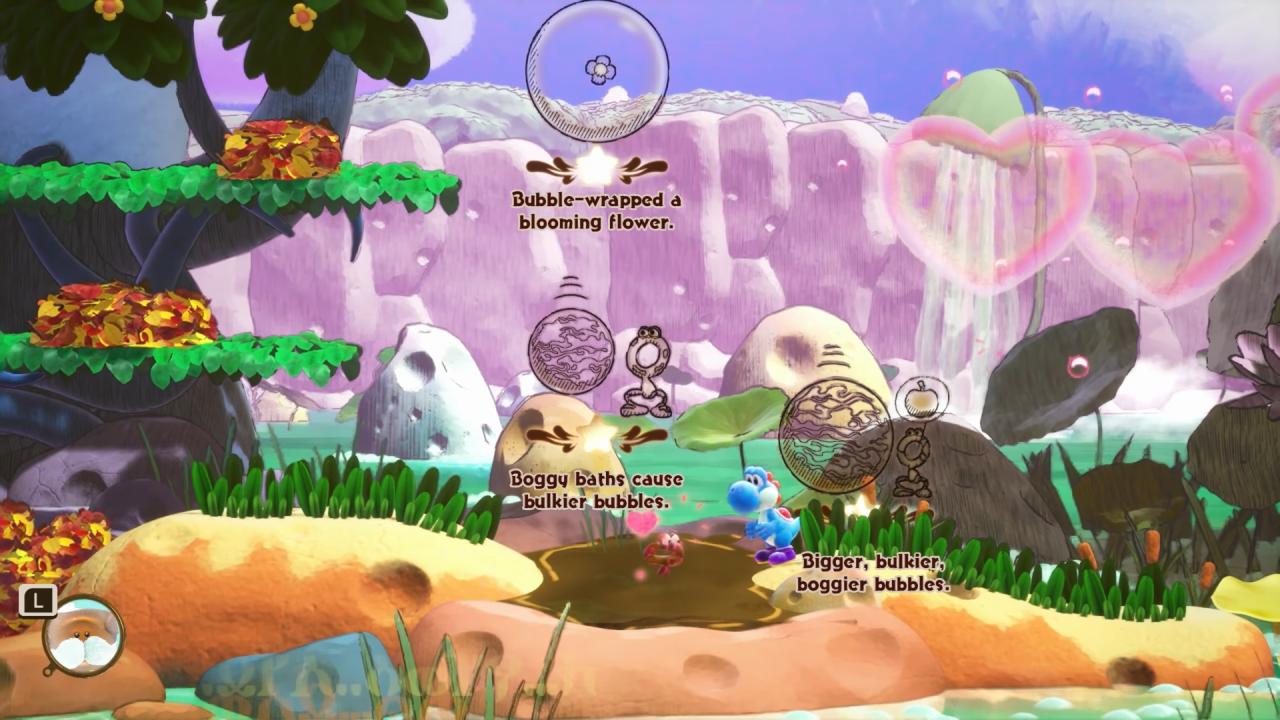
Considering the number of animated pieces and environmental interactions, the technological consistency definitely deserves attention. One downside, as far as looks go, is that some settings value charm over readability. Some interactive things blend in too much with the background, making it difficult to know how to complete riddles.
It remains a highly great artistic effort. Yoshi and the Mysterious Book always feels like something personally produced, with a lot of love and creative vision. The music design of Yoshi and the Mysterious Book complements the game’s milder tone. The soundtrack consists of light orchestral tunes and lively percussion, with some quirky ambient sounds that help make exploring feel more comfortable.
Music is not something that normally requires attention. It is more like a soft guide that accompanies you in each scenario. The authenticity is further enhanced by the sounds of the surroundings. Animal sounds, bubbling water, rustling paper and calm background music contribute to the sensation of being within a magical, living story. Every habitat has a different soundscape, which makes exploring more fun without being over the top for younger players.
The understated sound design truly helps the lighter emotional tone of the game. Nintendo doesn't always keep the drama cranked up, letting the quiet intervals happen naturally. This pace is calming and invites experimentation and observation rather than urgency or anxiety. Also to be lauded are the voices of animals, which bring character without bogging down in language.
Strange chirps, squeaks, and over-the-top replies instantly give away how someone is feeling, making every discovery interesting and fulfilling. Yoshi and the Mysterious Book knows how to draw in the folks with the sound without being bothersome. The soundtrack doesn't have any instantly recognizable music like the main Mario games, but it does a good job of keeping the mood consistent throughout the campaign.
The music never interferes with the performance and just enhances the warm, imaginative feeling of the trip.
Yoshi and the Mysterious Book is a hit for not acting like other Nintendo platform games. Rather than focusing on challenge, speed, or battle, the game focuses on exploration and curiosity as the key drivers of progression. That option provides for one of the more creatively exciting experiences the organization has had in years.
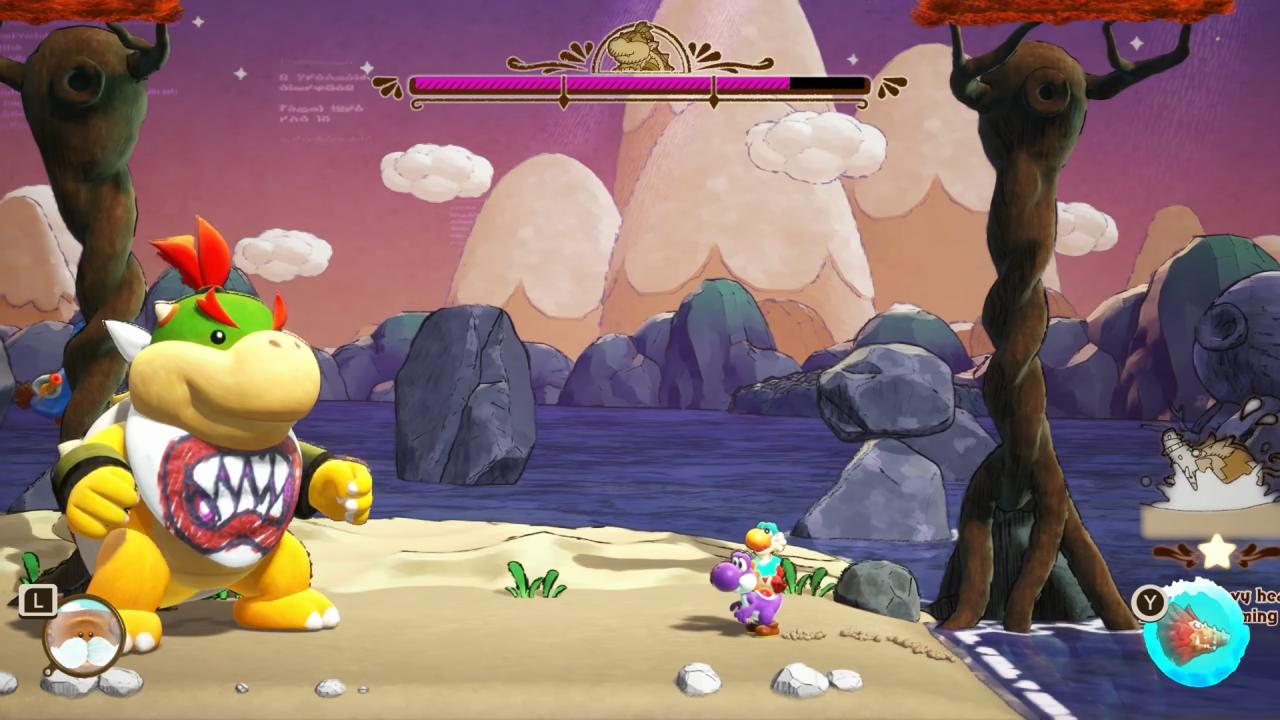
The discovery method is incredibly inspiring to me. It makes me want to try new things, and it provides us with frequent bursts of surprise and delight. The diversity of species in the game is still astounding, and the handcrafted visuals give out an atmosphere full of love and inventiveness. Every page of Mr. E's magical universe seems like it was crafted with care to make you want to play.
But the less formal structure of the game makes it difficult to do some things. Sometimes things can drag throughout long sessions thanks to weak story stakes, variable puzzle quality, and insufficient long-term difficulty. Some gamers could struggle with no real platforming challenges or any helpful means to proceed.
But those complaints seldom get in the way of the talent on display. Yoshi and the Mysterious Book understands that happiness is to be found in simple astonishment, not in perpetual worsening. It invites you to look at, experiment with, and enjoy the little nuances about the environment that most platformers would skip right over.
In the end, it’s one of Nintendo’s most unusual modern platformers, since it values inventiveness over rivalry. This doesn’t actually change the genre in terms of how it works, but it does modify how a Yoshi adventure may make you feel. Yoshi and the Mysterious Book is a very pleasant trip through imagination for those who are ready to go along with its slow pace and concentrate on finding.
Contributor, NoobFeed
Verdict
A beautifully imaginative platformer replacing combat and pressure with discovery and warmth. Yoshi and the Mysterious Book occasionally lacks challenge and narrative depth, but its charm and originality make the adventure consistently delightful.
72
Related News
No Data.