
IllFonic's Halloween: The Game Fixes Asymmetrical Horror Formula
A pick-up-and-play horror multiplayer title built on familiar asymmetrical gameplay, centered around a Michael Myers objective, with solid single-player content to round out the experience beyond online play.
News by Adeela Tas on Aug 30, 2026
When you look at the crowded fall release schedule, Halloween: The Game has one advantage that many of the other major releases do not: you do not have to commit dozens of hours to it at once. That matters when September is already packed with large games competing for your time.
Instead of being another huge RPG demanding your attention every night, this is the kind of release you can play for a couple of evenings, leave alone for a week, and return to whenever you feel like it. That flexibility is especially useful if you normally gravitate toward single-player games.
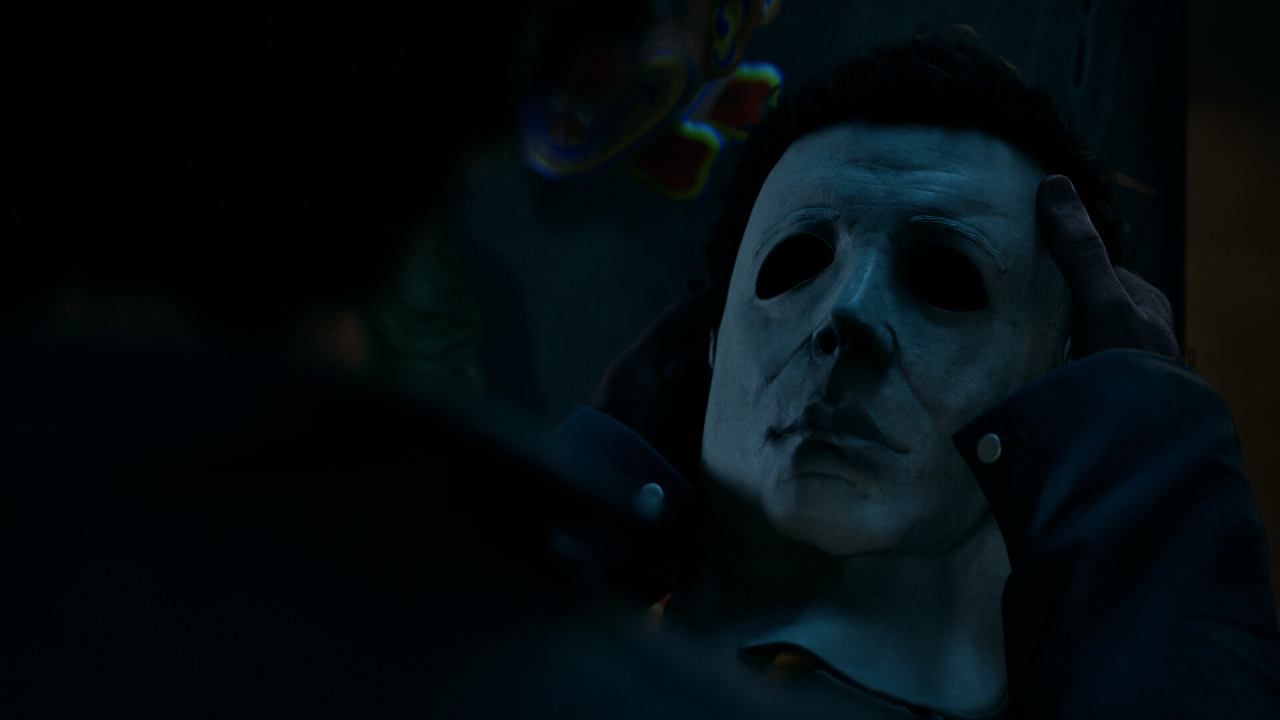
Halloween: The Game is an online-focused title, which makes it somewhat different from the usual kind of game you might prioritize.
Still, the appeal comes from the way it seems to combine the familiar structure of asymmetrical horror with the specific identity of Michael Myers and the Halloween setting. Halloween: The Game nevertheless has a different rhythm from those games. You can jump into a match without needing to settle into a long campaign, and that makes it easier to fit around everything else arriving at the same time.
You can spend a few nights learning the mechanics, disappear for a while, and come back without feeling like you have abandoned a 50- or 60-hour story. What makes it more interesting is how strongly it recalls Friday the 13th. Dead by Daylight has remained the biggest name in this corner of gaming, but Friday the 13th helped establish a particular kind of energy for licensed asymmetrical horror.
It was messy, buggy, and sometimes chaotic, yet those qualities were part of what made it memorable. For many players, it showed how much fun could come from putting a recognizable horror villain into a multiplayer playground. Halloween: The Game appears to take some of that foundation and push it further.
As a survivor, you are not simply waiting around for Michael to find you. You move through the environment, interact with people, search for resources, and work toward getting out of town. Some interactions appear to use quick-time-style sequences, giving you another reason to stay engaged while moving toward your escape.
Michael has his own objective beyond simply eliminating the survivors.
He is also meant to terrorize the town, which gives his side of the match another layer. The survivors have to escape, but helping civilians can also benefit the team, creating an incentive to do more than focus entirely on your own survival.
That kind of design is part of what makes the game feel closer to the spirit of that classic horror setup than a straightforward killer-versus-survivor format. You have the familiar elements of escaping in a vehicle, dealing with a police or law-enforcement situation, entering buildings, searching for useful items, and trying to figure out the safest route through the map.
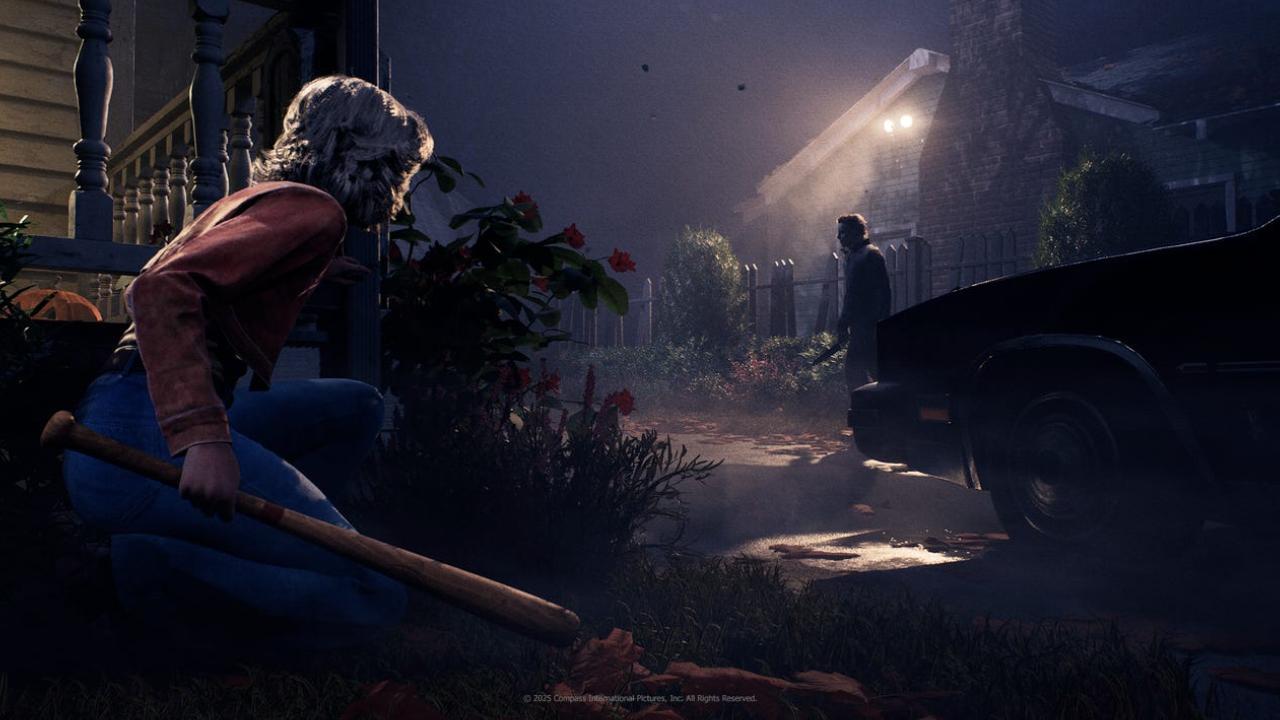
The structure is recognizable, but it has been adapted around Halloween rather than simply copying another game. That is important because licensed multiplayer horror games often run into limitations that have nothing to do with their basic gameplay. The property itself can become a problem. Developers may only have access to certain films, characters, costumes, locations, or versions of a villain.
Once the available material has been used, there may not be much room left for new cosmetics or content without negotiating additional rights. That earlier game became a particularly obvious example of that problem, while Texas Chainsaw Massacre has also faced the challenge of working within the material it can use.
Halloween: The Game could eventually face similar questions, even if the initial package is strong.
That is one reason it makes sense not to assume that every licensed asymmetrical horror title will have unlimited room to grow. There is another concern that follows this genre around: long-term support. IllFonic's history with multiplayer projects means players naturally pay attention to how long a new release will receive updates, matchmaking support, and fresh content.
A game can launch successfully and still struggle later if its player population drops. Queue times can become uneven, with popular roles filling instantly while other roles take significantly longer to find. That uncertainty is one of the biggest risks surrounding the game.
You could have a match in seconds as a survivor but potentially wait much longer for Michael, depending on the community. Some multiplayer horror games have lasted, while others have gradually lost players or eventually shut down their servers.
Evil Dead: The Game is an example of how quickly that situation can change. A multiplayer title can have a dedicated audience and still reach a point where ongoing support becomes difficult. Once servers go offline, the value of a game built around online matchmaking becomes a very different proposition. That is where Halloween: The Game gets another advantage.
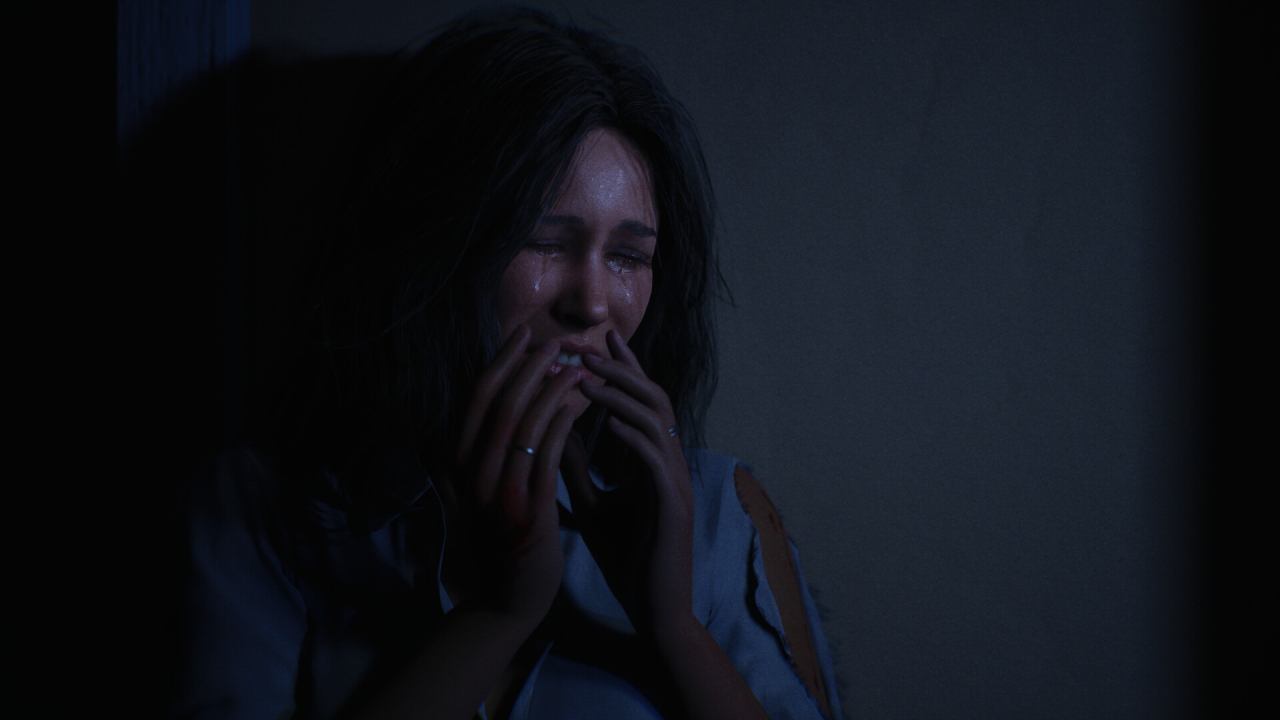
Its planned single-player content gives the package something to fall back on if you eventually need a break from multiplayer.
This is not being presented as a massive single-player campaign that will compete with the biggest story-driven releases of the year. Instead, the appeal comes from having something more substantial than the minimal offline offerings that often accompany this genre. Cutscenes, narration, different locations, and different scenarios can make that mode feel more deliberate.
Even if it does not become the main reason to play, having additional content matters when the online portion depends so heavily on an active player base. If you can return to the game and have something to experience without immediately needing a full lobby, that adds value.
Halloween: The Game also benefits from simply looking fun. The core idea is easy to understand, but there are enough systems for players to develop their own approaches. That creates the kind of metagame that can develop quickly once people have spent enough time with it. Players will learn which methods work best for escaping, how to deal with Michael, how to use the environment, and how Michael players can counter the survivors.
For someone who prefers single-player horror, that does not automatically make an online game appealing, but it does make this particular format easier to justify. You do not need to treat it like another full-time game. Halloween: The Game can sit alongside the bigger releases rather than replacing them.
Past licensed horror releases show the range of outcomes Halloween: The Game faces.
You can play for 50 or 60 hours if you want, but you can also spread those hours across weeks instead of finishing everything in one sustained stretch. The overall impression is that this is a more refined version of an idea that has already worked.
That earlier game proved that licensed horror could create a chaotic multiplayer experience with its own personality. Texas Chainsaw Massacre showed that the formula could be adjusted without losing what makes it interesting. Other releases, including Predator: Hunting Grounds, Ghostbusters, and Killer Klowns, have each taken their own approach, with very different results.
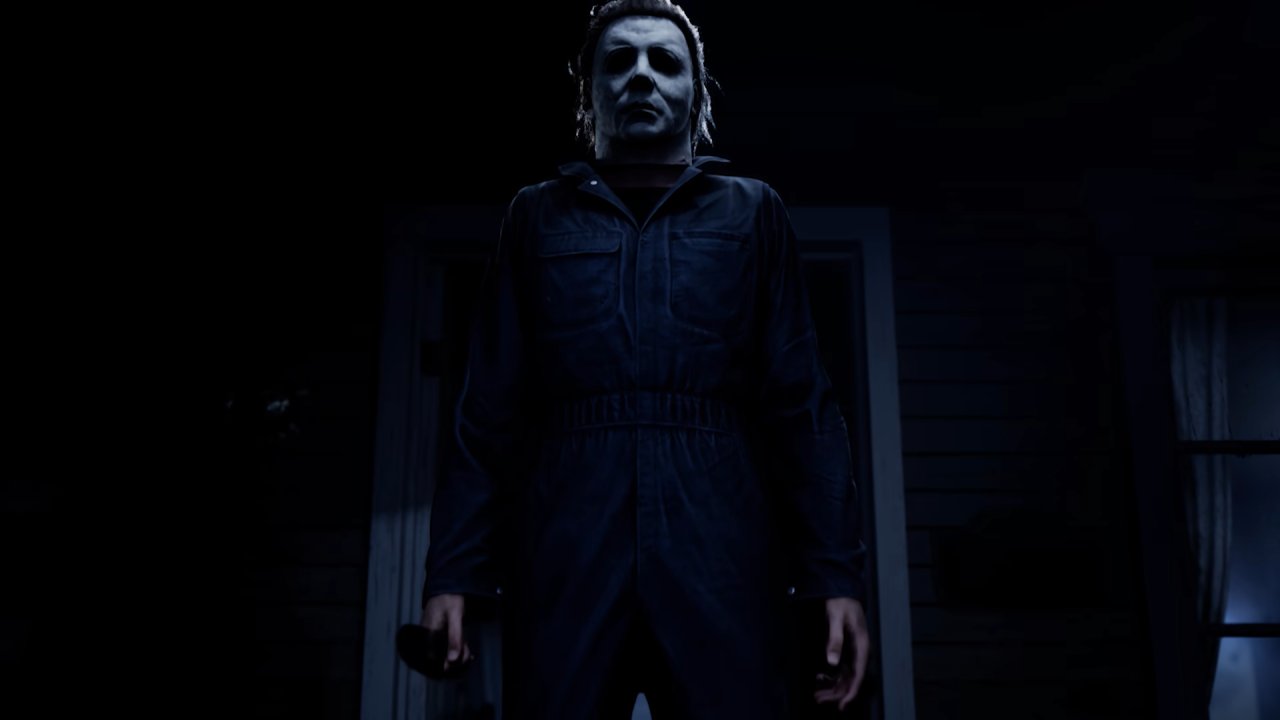
Predator: Hunting Grounds had a period where it performed extremely well before its momentum faded. Ghostbusters has received substantial support but never seemed to reach the same level of player activity as the biggest games in the genre. Killer Klowns, meanwhile, had plenty of ideas but struggled to achieve the kind of sustained growth that would turn it into a major multiplayer staple.
Halloween: The Game therefore arrives with both a clear opportunity and some obvious risks. It has a recognizable horror icon, a format that already has an established audience, and gameplay that appears designed to encourage experimentation. At the same time, its future will depend heavily on matchmaking, support, content, and how well the community sticks around.
Halloween: The Game is not necessarily trying to reinvent asymmetrical horror, and that may actually be part of its appeal.
It looks like it is taking ideas players already understand, adding Michael Myers and the Halloween setting, and refining them into something that feels more polished. If the servers stay healthy and support lasts, it could revisit that old Friday the 13th-style energy with fewer rough edges.
For a crowded fall season, that gives Halloween: The Game a useful place in your backlog. It can be a game you play heavily at launch, a game you return to between bigger releases, or simply something you keep installed for the nights when you want a quick horror match rather than another long campaign.
Editor, NoobFeed
Related News
No Data.