
Intel Breaks AMD’s 18-Month Amazon Dominance With Core Ultra 7 270K Plus and Core i7-14700K
Intel ends AMD’s 18-month Amazon dominance as the Core Ultra 7 270K Plus and Core i7-14700K surge through retail rankings.
Hardware by Masaru Hoshino on Aug 26, 2026
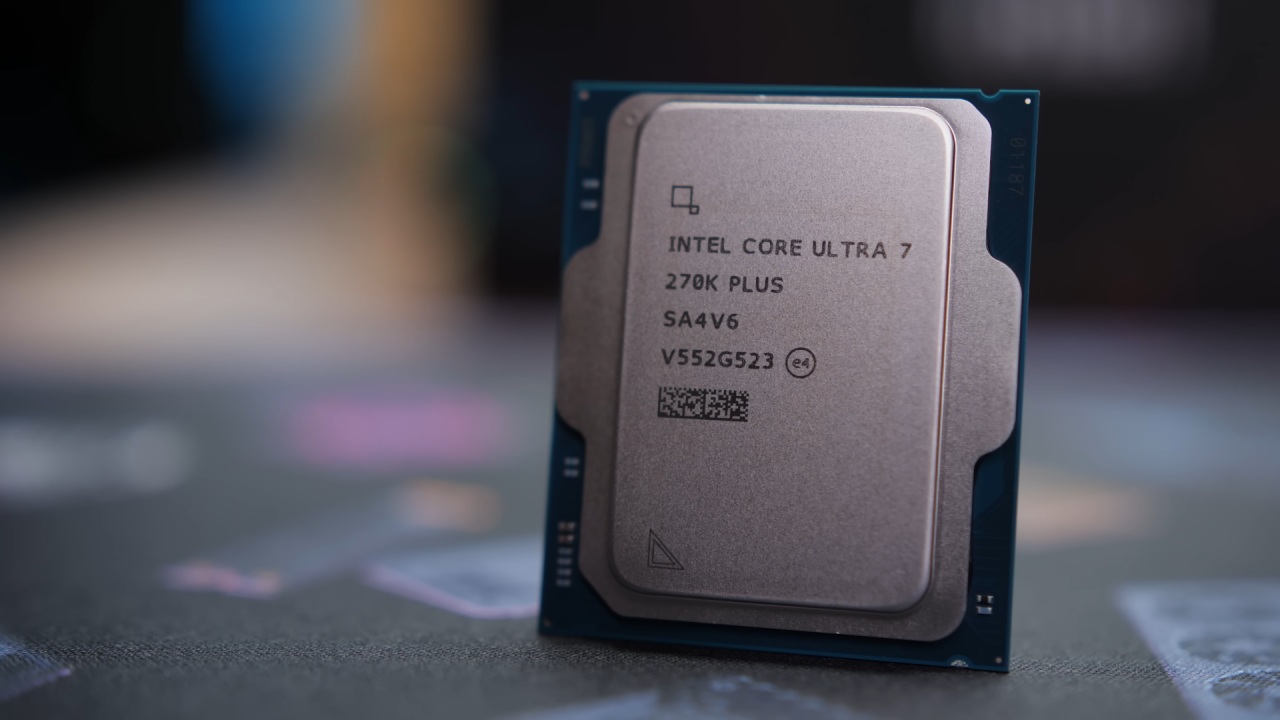
Intel has finally broken one of the longest-standing traditions in the DIY CPU industry. After over 18 months of AMD absolutely dominating Amazon's top 10 best-selling CPU rankings, two Intel processors have finally broken into the chart, a clear sign that changing platform costs are starting to influence consumer buying habits.
Intel's Core Ultra 7 270K Plus has risen to sixth spot, and the older Core i7-14700K has taken eighth. AMD's Ryzen 5000, 7000, and 9000 series processors had claimed every spot in the top 10 since late 2024, so Intel's rapid return is all the more impressive.
Don't read the shift as a rapid turnaround for the overall CPU market. But it does show how quickly retail demand can shift when CPU prices drop, and memory prices begin to affect the overall system cost. For DIY builders, the CPU is only one part of the equation, and the current market is making that reality impossible to ignore.
The $250 Arrow Lake Value Proposition
The most significant Intel entry is the Core Ultra 7 270K Plus, which has reached Amazon's number-six position after aggressive price reductions have pushed its street price to just over $250.
That price fundamentally changes the processor's market position. The Arrow Lake Refresh chip combines 24 cores with a performance profile aimed at both demanding productivity workloads and gaming, but its original pricing could make competing options more attractive. Once the price moves toward the $250 range, however, the value proposition becomes substantially stronger.
For productivity users, the high core count gives the processor an obvious advantage in workloads such as rendering, compilation, video production, compression, and other heavily threaded applications. Gaming buyers are also increasingly sensitive to total platform costs, so a heavily discounted high-end CPU can be attractive even when another processor delivers stronger performance in specific gaming scenarios.
This is the critical distinction between benchmark charts and retail charts. Benchmarks determine which processor is technically faster under a particular workload. Bestseller rankings reveal which performance-to-price combination consumers are actually willing to buy.
The 270K Plus appears to be benefiting directly from that calculation. At just over $250, Intel has effectively repositioned an Arrow Lake Refresh processor as a high-performance value option rather than simply another premium CPU.
The DDR4 Safety Net Keeps the 14700K Relevant
The appearance of the Core i7-14700K at number eight is arguably even more interesting because it is an older 14th-generation Raptor Lake Refresh processor competing successfully against newer products.
The 14700K features 20 cores and remains a powerful option for demanding desktop workloads. More importantly, it can run on DDR4 memory with compatible motherboards. That seemingly straightforward platform advantage has become even more important as DRAM prices continue to put pressure on PC builders.
For consumers trying to control the cost of a new system, avoiding expensive DDR5 memory can make a substantial difference. A DDR4-based build lets buyers reuse existing memory in some cases or buy comparatively affordable DDR4 modules, rather than committing to a more expensive memory upgrade alongside a new motherboard and processor. That creates a powerful reason to choose an older Intel platform.
The current DRAM crisis is therefore changing how consumers evaluate CPU generations. Instead of automatically moving toward the newest platform, some builders are prioritizing the lowest overall system cost. The 14700K benefits from precisely that behavior.
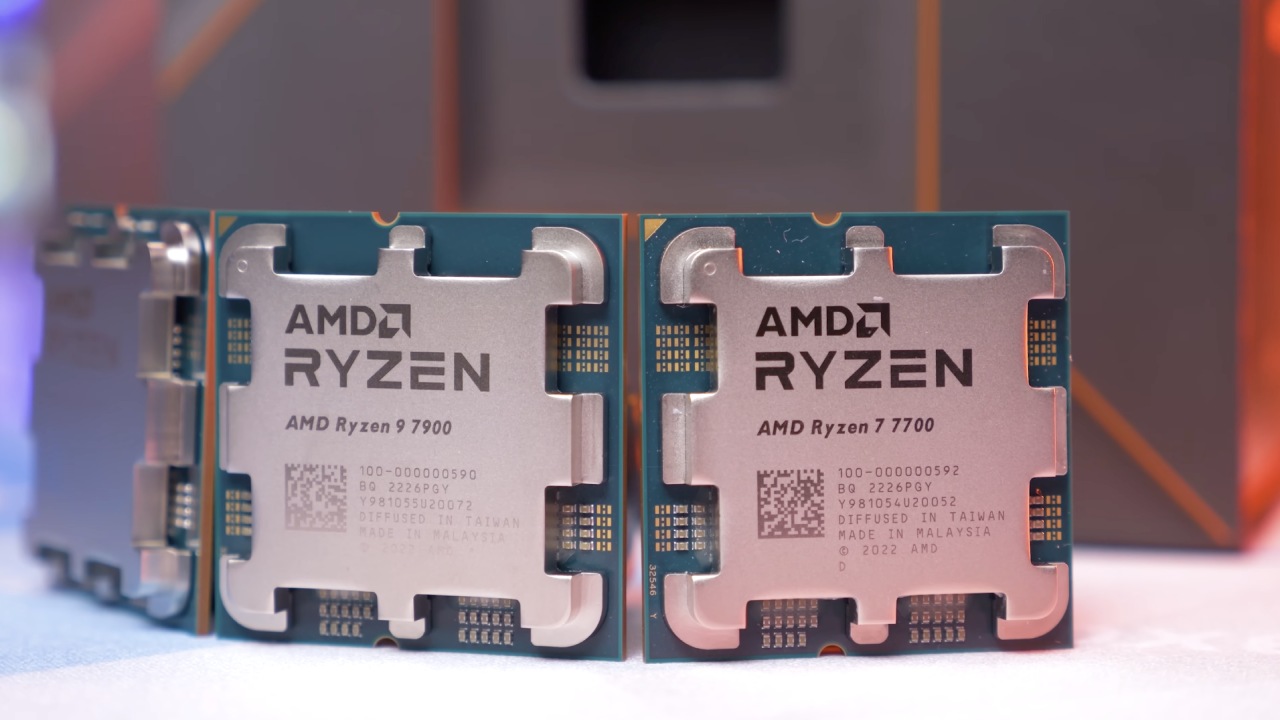
Its presence above newer AMD processors such as the Ryzen 7 7700X and Ryzen 7 5800XT suggests that consumers are not necessarily chasing the latest architecture. They are looking for the most economical path to a powerful PC.
AM5 Faces a Different Cost Equation
AMD's AM5 platform remains an important part of the modern desktop market, but its reliance on DDR5 adds an extra cost for new buyers. That does not make Ryzen processors unattractive. In fact, buyers already invested in AM5 have a major upgrade path without replacing the motherboard. The problem is more pronounced for consumers building from scratch, especially those already dealing with elevated memory prices.
This is where Intel's two Amazon entries matter most. The Core Ultra 7 270K Plus competes with aggressive pricing on the processor side, while the Core i7-14700K benefits from DDR4 support and the lower starting cost of the older platform. They are approaching the value market from different directions, but both respond to the same consumer priority: reducing the total cost of a high-performance PC. Amazon's Rankings Signal a Changing DIY Market
The end of AMD's 18-month Amazon streak is more than two Intel processors appearing on a bestseller chart. Retail rankings reflect actual purchasing decisions, which are driven largely by price, availability, and component costs. AMD's previous dominance showed how successfully Ryzen processors had captured DIY demand. Intel's return now demonstrates that those purchasing patterns can shift when market conditions change.
The timing matters because the DRAM crisis has made memory a much larger factor in system-building economics. A processor that allows buyers to avoid an expensive memory transition can suddenly become more attractive than its age would suggest. That gives Intel an opportunity that has little to do with architecture alone.
Editor, NoobFeed
Gaming Hardware Updates
No Data.