
The Shift From Consumer PCs to Subscription Computing in the AI Era
Subscription-based computing models emerge as corporations prioritize recurring revenue over long-term consumer hardware ownership.
Hardware by Nahe Yan on Dec 23, 2025
The businesses are post-consumer. They don't need customers right now. Private equity firms and big businesses want to make sure that individuals not only rent homes and cars, but also subscribe to computers. Greed in data centers and AI has gone beyond just consumers and is now aimed at all of humanity. The change is obvious with partnerships like Palantir and a growing interest in using AI in the military. There isn't enough money in the private sector; thus, defense expenditures must also be used to pay for extraction.
These companies can always outbid anyone else. This is not a problem with the gaming computer. This isn't a problem for people who construct their own PCs. This is a problem for everyone. NVIDIA is in the headlines amid industry claims that it plans to slash consumer GeForce GPU output by 30% to 40% next year, focusing instead on selling GPUs to businesses.
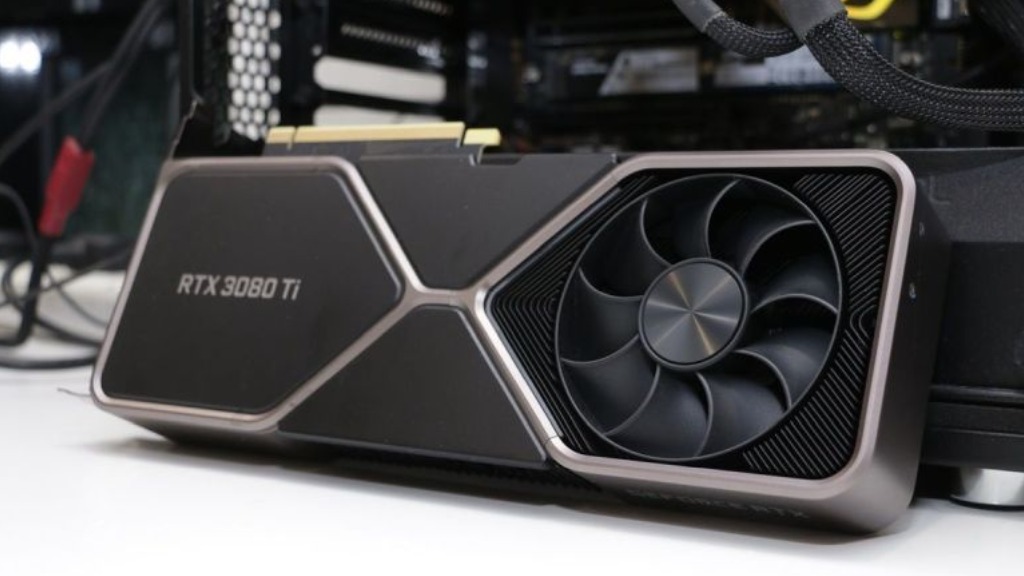
As usual, regular people have to deal with the economy, while big businesses work with governments to take money out of the market and place computing power in the cloud, where they can lease it back later.
This change comes at the same time that NVIDIA's GPU subscription scheme is getting more expensive, so you'll have to pay for a flagship GPU every five years, whether you own it or not. The way to go is clear. Companies and private investors are pushing computers toward the housing market paradigm, where ownership goes away, and subscriptions take its place.
Combining GPU Supply
NVIDIA sold 600,000 GPUs to an AI company backed by a sovereign investment, and another 60,000 GPUs went through a hyperscale partner. Meta AI is getting 1.3 million more GPUs for a data center that will be big enough to cover most of Manhattan. Nscale has 300,000 GPUs; SKH Hynix and Samsung each have 50,000 GPUs; xAI has 200,000 GPUs, with plans to reach 1 million GPUs; Oracle has 400,000 GPUs; and OpenAI has systems planned that will require 10 gigawatts of electricity.
Microsoft plans to get more than 100,000 GPUs, and the US Department of Energy will get another 100,000. Taxpayers will pay for that last allocation, which includes the cost of the hardware, power use, grid upgrades, land use, and environmental effects, all of which are much more than the cost of a computer.
NVIDIA would rather sell a million GPUs to one company than to a million people. That's not surprising. Interestingly, NVIDIA's CEOs are publicly backing the military-industrial complex and the use of AI technology in defense.
Memory, AI, and Pressure from the Market
Stargate is expected to use up 40% of the world's DRAM supply on its own. NVIDIA will likely use up 77% of the AI wafer allocation. It is expected that NVIDIA's 2027HBM bit demand will exceed all of 2025HBM demand. Taking into account yield loss and interposer wafers makes it even harder to get consumer devices.
Micron, a close collaborator of NVIDIA, has basically given up on customers while making billions through tax incentives and subsidies. Its cloud-based memory sales increased 257% from one year to the next, and its operating margins in its mobile and client businesses rose from 15% to 47% over the same period. Changes were made to deals, and customers had to pay for them.
At the same time, average salary growth was only 0.1% month-over-month and 3.5% year-over-year, barely faster than inflation. The unemployment rate was also the highest it had been in four years. Now, gaming companies may need to make games more efficient to offset the cost of memory. That is seen as a good thing, but the bigger picture shows that the system is moving toward AI surveillance and economic pressure.
The Memory Industry Breakdown
We are paying attention to the. The prices of GPUs and memory are tightly related. Prices for finished GPU cards rose briefly, but every GPU comes with memory, and memory prices have gone through the roof. If you bought memory months ago and sold it today, it might have been the best investment you could have made.
The three biggest memory makers are ramping up HBM production for GPUs. Servers need hundreds of gigabytes or terabytes of RAM. People in the industry say that much DDR memory capacity has been moved to HBM or to server applications. LPDDR that was set aside for AI CPUs is no longer available to the mobile or consumer sectors. This drives up pricing and puts pressure on Intel and AMD, which need low memory prices to stay competitive.
System integrators and add-in board partners have been told there will be fewer GeForce GPUs available in 2026. Reports say NVIDIA may limit GeForce GPU supply by 30% to 40% in early 2026 due to a memory shortage. This includes not only GPU VRAM but also consumer system RAM, which raises prices for both.
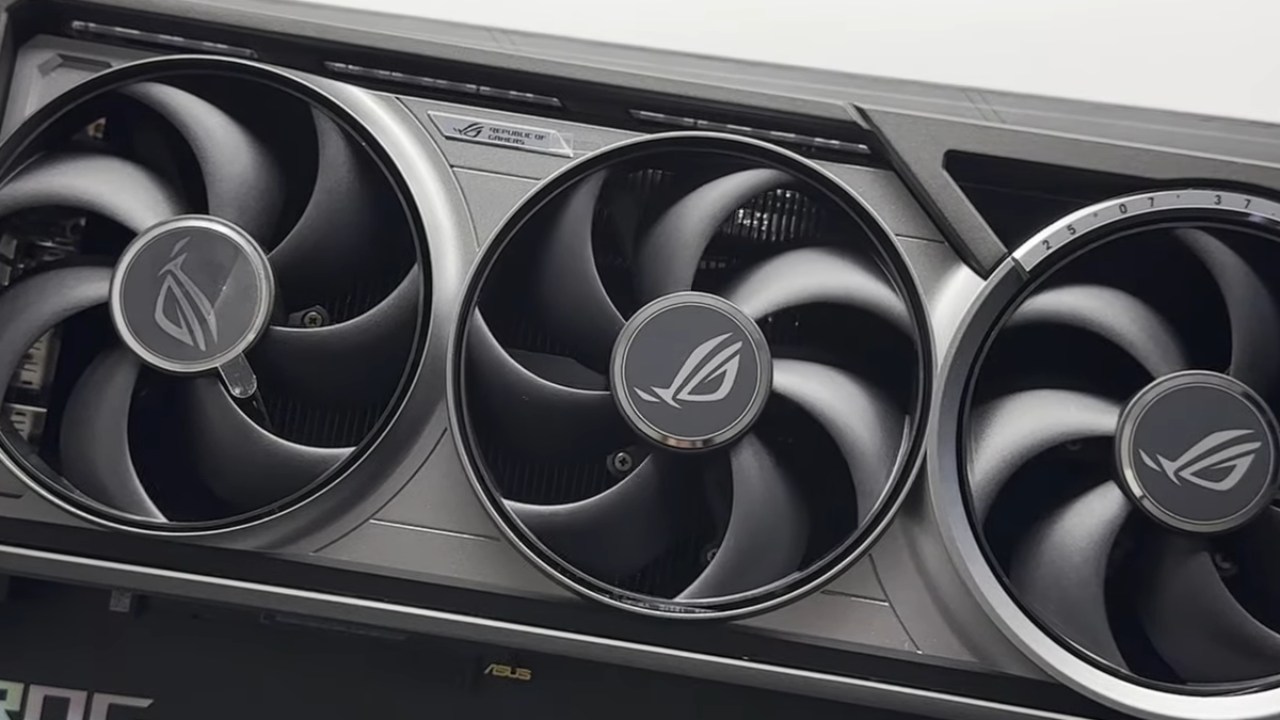
NVIDIA is putting the 16 GB 5070Ti and 5060Ti devices at the top of its list. There are rumors that NVIDIA might stop including VRAM with its GPU silicon, meaning partners would have to source memory on their own. Smaller partners would have to pay more and have less access, which would raise prices and make it harder for consumer GPUs to recover.
Recent statistics showed that GPU prices were declining and that more models were available at MSRP. RTX 5090, on the other hand, had the most VRAM and AI utility, so it went up in price. Its average price rose to $3,312, which is more than the $ 2,000 MSRP.
Allocating memory to AI and data centers could slow or halt the price rebound. HBM memory requires more wafer area and processing time than GDDR memory. Interposers increase wafer demand, lowering HBM yields and making packaging more difficult. Everyone agrees that HBM is more expensive than consumer GDDR memory in every way.
Because wafers are in limited supply, one data center GPU can replace several consumer GPUs. Data centers buy a lot of goods at larger margins, which makes manufacturers hike consumer prices to keep making money. This isn't good for you, but it's good for businesses that need the goods.
Loss of Ownership and Subscription Computing
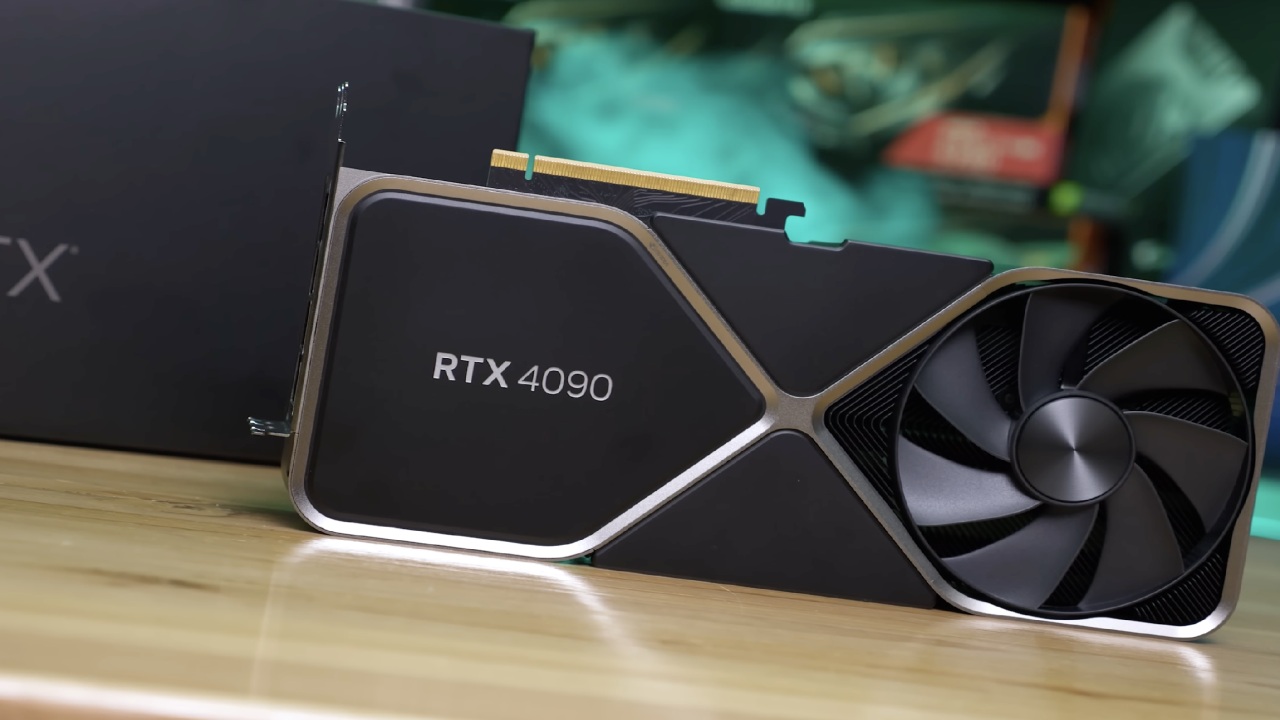
NVIDIA's GeForce Now subscription demonstrates the long-term plan. Users can get an RTX 4090-level system with time constraints for $20 per month. That cost is equal to or greater than the price of acquiring a GPU outright over 5 years. Usage quotas, secret terms, and rolling hour limits make people even more dependent on subscriptions.
Over time, high prices, limited availability, and rental models make people less likely to purchase. You only have to sell a GPU once. Selling a subscription brings in recurring income. NVIDIA keeps the hardware, pushes AI features, and adjusts the conditions whenever it wants.
In private equity, reliable revenue comes from leasing rather than from selling, which aligns with this trend. Computers are being treated as property, making people more dependent and giving them less control over their purchases.
Wider Effects
There is no reason for AI businesses to get government money from taxpayers and then turn around and hurt those same taxpayers financially. The AI business has turned against people and customers. Deregulation leads to zoning loopholes, pollution, and health problems in nearby towns. Bills of energy go up, ecosystems are hurt, and people who are already having trouble paying for power have to pay for data center growth that makes their bills go up even more.
This isn't just about memory or GPUs. It affects prices, land use, privacy, and electricity. Big companies can outbid individuals, pool resources, and then rent them back. It's easy to see how this is like the housing market. Renting brings in a steady stream of cash. There is no more ownership.
Consumers don't get much value from used data center hardware. When it loses value, it is thrown away or recycled within closed business loops. People who want local AI tools are being priced out, so they have to sign up instead.
Final Thoughts
Data centers and AI greed have gone beyond just consumers and are now after all of humanity. The long-term goal is to eliminate ownership. You can't stop a single company from buying millions of GPUs by voting with your dollars. Boycotts could make the situation worse.
The businesses are post-consumer. They move money around amongst themselves, get public money, and then sell you subscriptions again. When this happens, and it will, it will be folks who don't work in tech. It will affect everyone.
This issue is too big for any one group to handle. People who like PCs aren't the only ones who can do it. Policymakers, regulators, and knowledgeable citizens will all need to work together to fix it. We have spoken with people involved in the legislative process about these topics, not as specialists, but to ensure everyone understands the facts.
We can't fix this by ourselves. But it affects everyone, and ignoring it makes things worse.
Also, check our other NVIDIA articles below:
- NVIDIA GeForce RTX 5080 Review (2025): Still A 4K Gaming Powerhouse?
- NVIDIA RTX 5070 Review: Mid-Range Muscle or Marketing Hype?
- RTX 5070 Ti Review: Performance, Thermals & Power Efficiency Tested
- ASUS GeForce RTX 5090 LC Liquid Cooled GPU Review: Unmatched Silence & Speed
- MSI GeForce RTX 5090 32GB SUPRIM SOC Review: Power Efficiency, Cooling, and Gaming Performance
- INNO3D RTX 5060 Ti 16 GB X2 Review: Gaming Benchmarks, Temps, and Power Efficiency
- HP Omen 45L Review: RTX 5090 Performance, Thermals, and Value Analysis
- ASUS TUF Gaming GeForce RTX 5060 Ti Review: DLSS 4, Power Efficiency, and Gaming
- ASUS Prime RTX 5060 Ti OC 16GB Review: DLSS 4, Ray Tracing, & Thermals Tested
- NVIDIA GeForce RTX 5060 Review: Specs, Gaming, and Cost per Frame
- MSI GeForce RTX 5090 GAMING TRIO OC Review: A Monster Power GPU
Editor, NoobFeed
Gaming Hardware Updates
No Data.