
Steam Deck 2 Demand Surges as Valve Holds Strong Against Competition
Steam Deck continues to run next-generation games smoothly while maintaining strong relevance despite aging hardware and emerging competition.
Hardware by Tanvir Kabbo on Mar 25, 2026
People are increasingly showing signs that they are ready for a Steam Deck 2. The current device has now been around for over four years, a timeline that feels surprisingly short given how impactful it has been. Despite its age, the Steam Deck continues to impress with its ability to run brand-new games like Monster Hunter Stories 3. Built on a next-generation engine, the game runs phenomenally well, showing just how capable the hardware still is.
A major factor behind this continued relevance is how modern games are being optimized. With newer handheld platforms pushing similar performance targets, developers are effectively optimizing their games in ways that benefit the Steam Deck as well. As a result, we continue to receive strong ports across multiple titles, and this trend is expected to continue for the next few years.
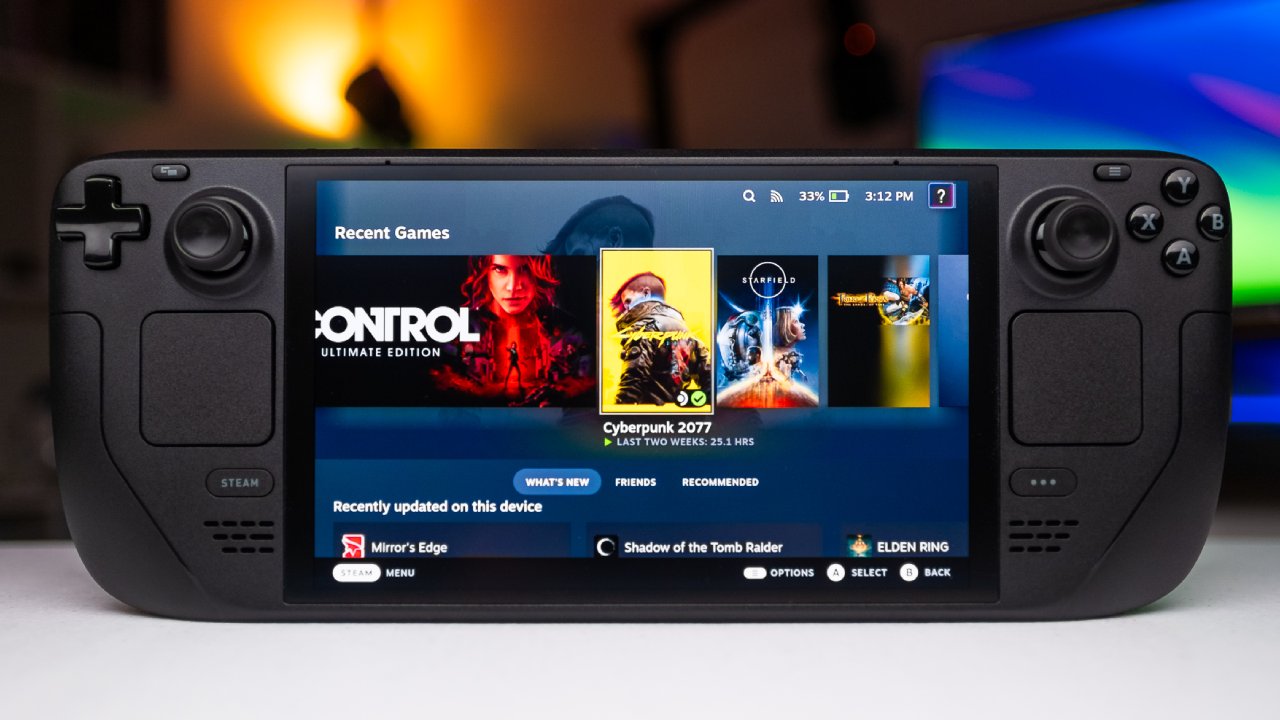
From our perspective, the Steam Deck sits in a very comfortable position. It is not the most powerful device available, but it strikes a balance by being good at everything rather than excelling at just one thing. The differences between competitors often seem small or require sacrifices.
Some devices can give you higher frame rates, but they have to lower the resolution to 800p, which could make things less clear on bigger screens. Some devices have displays with improved resolution but the same performance, making the update less important.
Because of this, many people feel satisfied with their current Steam Deck while still being open to a next-generation version. Data suggests that around 67% of users believe the Steam Deck OLED remains relevant, but they would be excited if a new version were announced. At the same time, most do not see competing devices as significantly better overall.
We don't think a Steam Deck 2 will come out right away, though. With new hardware projects now underway, a more realistic time frame seems to be around 2027 or maybe 2028. In the past, announcements have come out of the blue, so it's safe to believe that work is still going on, even if there isn't any solid information.
The next iteration will likely focus on achieving a meaningful leap in performance and battery life rather than incremental improvements.
Custom Controller Profiles Receive a Major Upgrade
Custom controller profiles have always been a powerful feature, especially for games that lack native controller support. We often rely on them for genres like survival games, extraction shooters, and strategy titles.
However, finding and managing these profiles on the Steam Deck has not always been a smooth experience due to the smaller screen and occasional interface slowdowns.
Now, things have improved significantly with the introduction of a web-based interface called Steam Input DB. This platform makes it much easier for us to look at and comprehend controller profiles.
One of its best advantages is that it shows the layout of the controller in a way that makes it easy to see where each button is and what it does. Reading through lists of bindings is a lot harder than this.
Searching for community profiles has also become more streamlined. Instead of navigating through inconsistent in-device menus, we can now quickly find the most relevant and highly rated profiles through a cleaner interface. This reduces friction and makes it easier for you to jump into games that otherwise would not support controllers.
The improvement is substantial enough that it feels like something that should exist as an official feature. It makes it easier to use and access on all devices that run Steam, not just the Steam Deck.
Lower Game Prices Are Driving Higher Sales on PC
Recent research into the gaming sector has revealed an interesting trend: games that cost less tend to sell more copies and make more money overall. Instead of focusing on discounted high-priced titles, the data shows that games with a base price around $30 perform better than those launched at $70.
From our perspective, this trend is influenced by several factors. In the past, PC gamers were used to paying about $50 for new games. The move to $70 in the current generation is a big one, and a lot of gamers don't want to use that pricing model.
Trust is another important thing. Games that cost a lot of money frequently have problems with performance when they first come out, and often need patches and updates to fix them. This has led to a growing mindset where players avoid pre-ordering and instead wait for improvements and price drops. When a game launches in a polished state at a lower price, it immediately stands out as a better value.
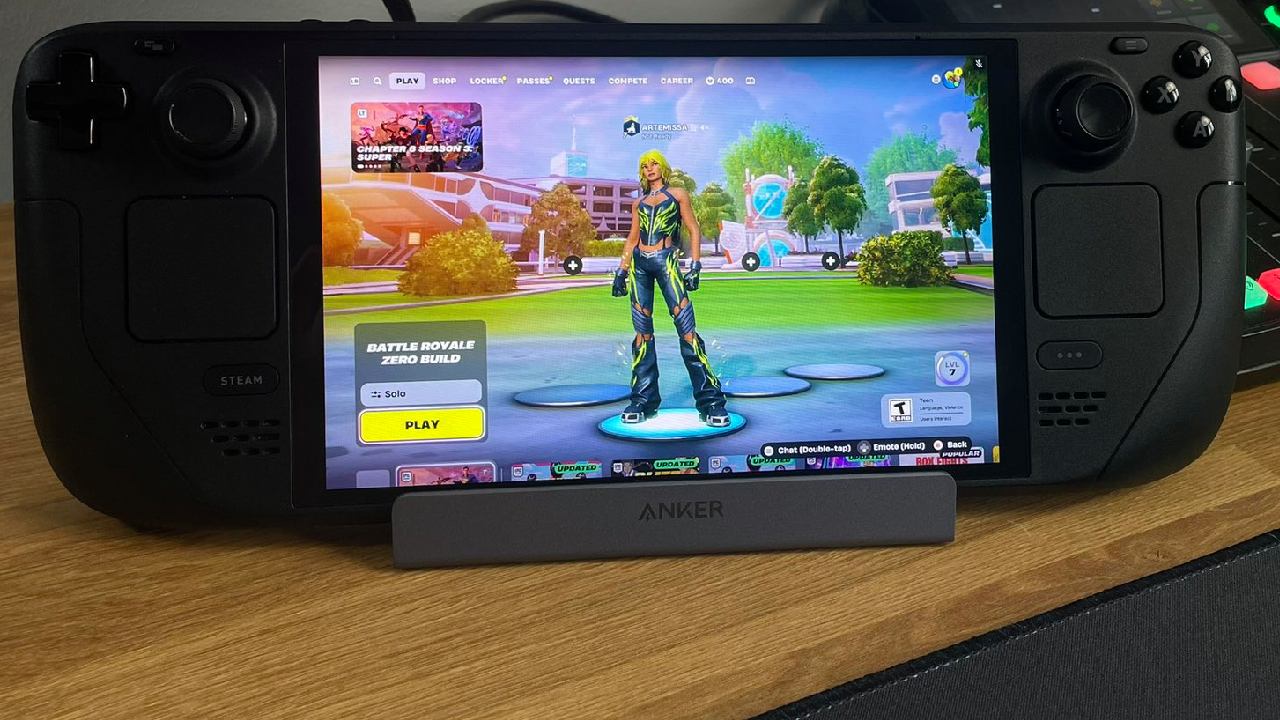
At the same time, indie games have significantly raised their quality standards. Many of these titles offer polished gameplay, innovative mechanics, and excellent performance, especially on devices like the Steam Deck. As a result, they provide strong value at a lower cost, attracting more players.
What we are seeing is not simply a preference for cheaper games, but rather a demand for better value. When developers give users good experiences at fair prices, players spend more money overall. The popularity of cheaper games shows that customers' expectations have changed. Now, value and performance are more important than traditional price ranges.
A Stable Present and a Promising Future
The Steam Deck is still a flexible and dependable handheld gaming device. It stays relevant even when new hardware comes out because to its balanced architecture and ongoing support from developers. The ecosystem is changing for the better.
Usability is getting better, like better management of controller profiles, and the industry as a whole is moving toward games that are well-optimized and not too expensive.
In the future, the advent of a next-generation device will probably happen at the same time as a big jump in technology. For now, the current environment provides a powerful and consistent experience, which shows that the Steam Deck is still in a very good spot.
Also, check our other hardware articles:
- AMD Ryzen 9 9950X3D Review: Setting The Standard For 2025 Gaming CPU
- Amazon Luna 2025 Review: Is Prime Gaming's Cloud Service Your Go-To For Casual Fun?
- AMD RX 9070 XT Review: AMD's RDNA 4 Champion for 1440p Gaming
- GeForce Now Ultimate: Ditching Your Gaming PC For Cloud RTX 4080 Power?
- NVIDIA GeForce RTX 5080 Review (2025): Still A 4K Gaming Powerhouse?
- Intel Core Ultra 9 285K Review And Performance Breakdown (2025)
- AMD Ryzen 7 9800X3D Review: 3D V-Cache Goes God Mode with Stunning Gaming Performance
- Intel Core Ultra 9 285K vs AMD Ryzen 7 9800X3D: In-Depth Gaming Performance and Benchmark Comparison
- NVIDIA GeForce RTX 5080 Super Performance In Cyberpunk 2077: Path Tracing & DLSS 4.0 Tested
- AMD Radeon RX 9070 XT In Cyberpunk 2077: Ray Tracing & FSR 4.0 Tested
- Intel Arc B580 Review: The $250 GPU Revolutionizing 1440p Gaming
- Intel Arc B570 Vs. B580: Value, Specs, And Real-World Gaming Performance
- RTX 5090 Laptop Vs. M4 Max MacBook Pro: Ultimate Raw Performance Vs. Battery Endurance
- Intel Arc b580 Vs. RTX 4060: Game Performance And Value Analysis
- RTX5090 Hell Is Us Demo 4K Ultra Benchmark: DLSS Vs. Native Performance Guide
- NVIDIA RTX 5070 Review: Mid-Range Muscle or Marketing Hype?
- Nintendo Switch 2 Review: Handheld Performance, Features & Value Breakdown
- RTX 5070 Ti Review: Performance, Thermals & Power Efficiency Tested
- Samsung Odyssey OLED G81SF Review 2025: Ultimate 32-Inch QD-OLED Gaming Monitor
- AMD RX 9070 Performance Review: Thermals, Clocks, and Real-World FPS
- AMD Ryzen 5 7600 Review: Best Budget Gaming CPU of 2025?
- AMD Radeon RX 7800 XT Review: RDNA 3 Power For Midrange Gaming
- Asus ROG RTX 5090 Astral OC Vs. Founders Edition: The 4K Gaming Benchmark
Senior Editor, NoobFeed
Gaming Hardware Updates
No Data.