
Steam Machine vs. Next-Gen Consoles: Machine Learning, Ray Tracing, and VRAM Issues
GPU limitations and split memory design highlight potential challenges for running next-generation games and advanced machine learning features efficiently.
Hardware by Tanvir Kabbo on Nov 25, 2025
The next article discusses the machine's actual specifications and the reactions they have elicited. Supporters have responded in large numbers, and many queries indicate they are worried about performance, longevity, and technological positioning.
The conversation is mostly on the system's GPU options, machine learning capability, RAM setup, and whether the design really takes into account how gaming technology will change in the future.
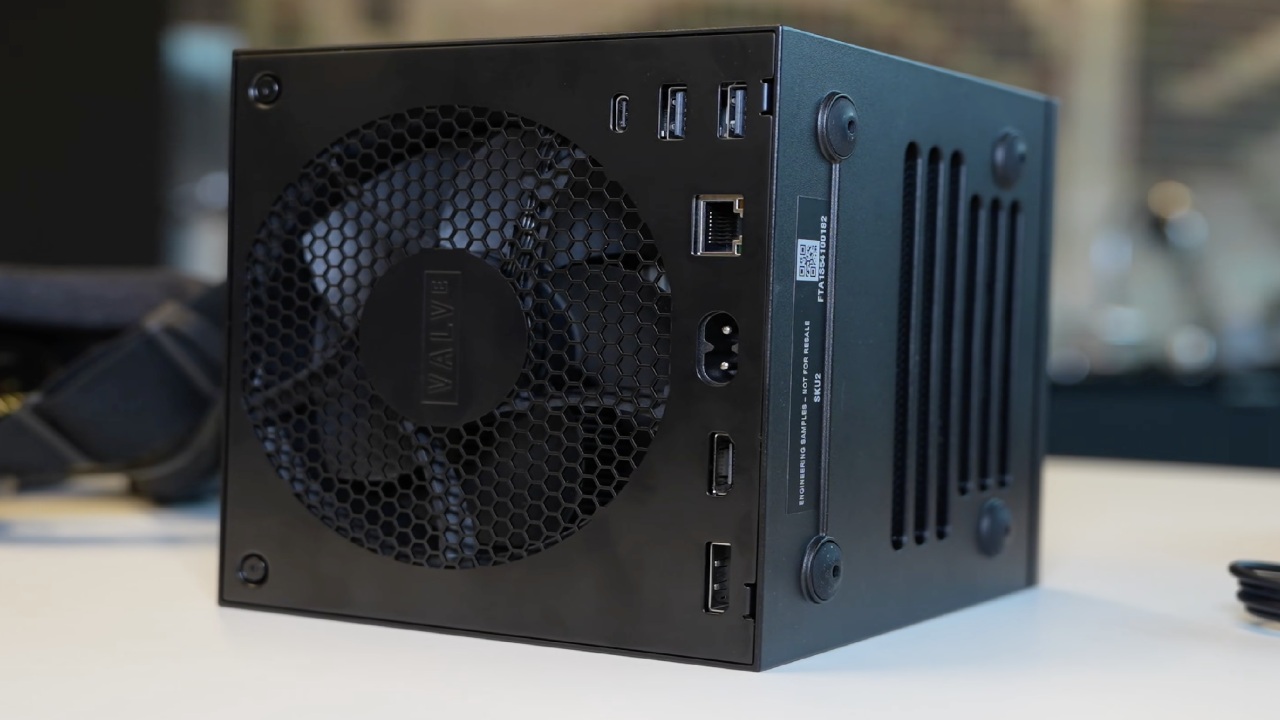
Reactions to the Hardware Specification
We begin with a set of concerns commonly raised about the device's positioning. With Valve moving ahead in the PC console hybrid space, some supporters have questioned which company is best placed to compete in this new category.
Questions arise over whether Valve may have jumped the gun with hardware that appears incapable of supporting the latest feature sets, such as FSR 4, and whether the machine learning hardware in Microsoft's upcoming device could provide a significant performance and image-quality advantage.
There is also uncertainty about whether consumers will care about these differences and whether Valve can break into Microsoft's proposed market segment, or vice versa.
Another reaction reflects excitement over the newly released concept while also expressing disappointment that a machine shipping in 2026 has specs similar to a 2020 base PS5. Valve is working with other companies to make more SteamOS devices, suggesting that future systems will feature much more powerful GPUs.
Yet concerns remain over whether such an uncompromised hybrid could appear soon. Further comments address unfulfilled expectations, such as full FSR 4 support or adaptive trigger capabilities. However, some still view the device as an appealing PC-equivalent companion for future systems. Others wonder whether Valve will release a more powerful "Pro" model with native FSR 4 support within two years.
GPU Design and Forward-Looking Limitations
We address the central issue: the GPU. The CPU appears forward-looking, but the GPU becomes the chief point of contention. RDNA 2 was not strong in ray tracing, RDNA 3 only marginally improved, and much of its performance gains came from dramatically larger chip sizes like the 7900 XTX. By contrast, this device uses a much smaller chip, which limits its ray tracing capabilities.
All major hardware manufacturers, including AMD, Microsoft, Sony, Nvidia, and Intel, have shifted toward a machine learning future due to the plateau of rasterization as a means of scaling performance. Without a native FSR 4 implementation on this device, the hardware becomes bound to the compromised INT8 version rather than the superior full RDLA 4 variant.
This seems like a big problem because the gadget was designed for both last-gen and current-gen games, but it has several issues that make it less useful. Many consumers have become less patient with earlier upscaling systems and now prefer newer ones, such as XeSS or inserted FSR 4 ports. This feeling shows that the old technology base is not a good foundation for a long-term system.
We acknowledge that the OS experience remains excellent, but the GPU timing appears misaligned. The assumptions likely come down to cost and AMD's portfolio availability, as a suitable RDNA 4-based mobile part may simply not have been available in the required configuration.
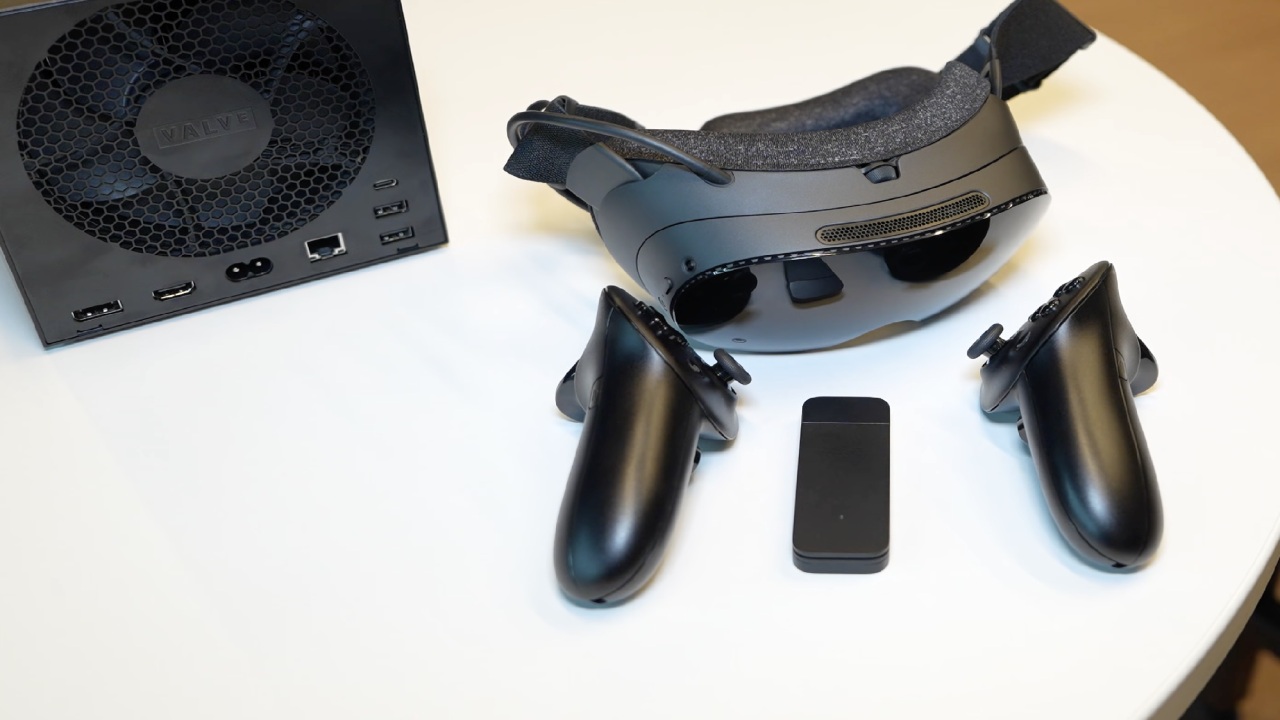
Performance Expectations Relative to Older Generations
When you compare it to the full Navi33 edition, you can see why the hardware doesn't feel up to par. Its setup is still quite similar to that of the RX 6600 XT from the previous generation. At its debut, the 7600 was criticized for not being much better than the 6600 XT, which had the same 32 compute units.
A stripped-down version of that chip coming out in 2026 with limited machine learning ability is worrying. Although this hardware still aligns with a large portion of existing GPUs and will run games, it is not set up for the new paradigm expected with the arrival of new consoles, where machine learning and ray tracing will take center stage.
Broader Considerations on Ray Tracing, ML Features, and VRAM
From a broader perspective, the CPU and GPU computational performance seem okay, albeit a little weak. The main problems, though, are with ray tracing acceleration and machine learning capability. Both of these are behind newer designs like RDNA 5 and Nvidia's always-developing RT hardware. Concerns remain about emerging technologies such as ray regeneration and new FSR 4-dependent pipelines.
The 8GB VRAM restriction is now a major issue. Many games may come with a preconfigured Steam Machine configuration. However, players will still need to be careful about balancing resolution, textures, ray tracing, and features that use VRAM. Some people have said that Linux might help with VRAM pressure compared to Windows, but the problem is still genuine and serious.
A 128-bit bus running at 18 Gbit/s provides about 288 GB/s of bandwidth, which is fine but not great. Even though the system memory is 24GB, splitting it between 16GB of system memory and 8GB of VRAM makes it far less future-proof.
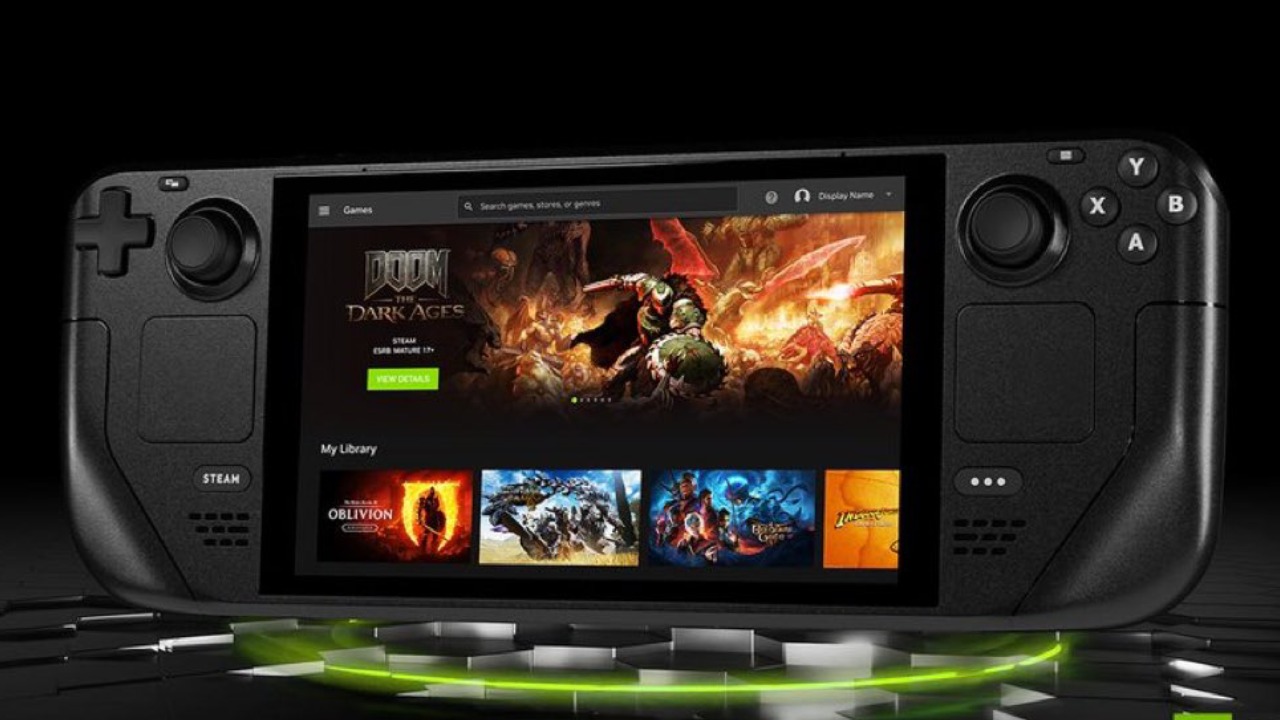
Concerns About a Potential "Pro" Model
The idea of a "Gabe Cube Pro" makes me think about how often upgrades happen. Valve has had many chances to create a Steam Deck Pro in the past, but they never did. Only the screen and memory speeds improved, though. We think that a more flexible configuration paradigm could have been preferable for users.
The fixed VRAM setup doesn't match PC culture, where customization is a big plus. Split memory removes the advantages of shared VRAM and limits adaptability.
We recognize that cost likely influenced the decision to use separate CPU and GPU chips instead of a unified SOC like the Steam Deck. A unified memory pool would have offered more flexibility. Still, it may have been less economical or less feasible given the constraints of using GDDR6 for both CPU and GPU.
Final Thoughts
The design is the result of several concessions that make sense from a cost and manufacturing perspective, but it's evident that the product won't last long. The device may not age well in a future where advanced reconstruction methods and ray-tracing-heavy pipelines are common, given its limited GPU, limited machine learning capabilities, and limited VRAM.
While the CPU and OS experience remain strong, the GPU specification raises valid concerns about whether this hardware truly anticipates where gaming technology is headed.
Also, check our other hardware articles:
- AMD Ryzen 9 9950X3D Review: Setting The Standard For 2025 Gaming CPU
- Amazon Luna 2025 Review: Is Prime Gaming's Cloud Service Your Go-To For Casual Fun?
- AMD RX 9070 XT Review: AMD's RDNA 4 Champion for 1440p Gaming
- GeForce Now Ultimate: Ditching Your Gaming PC For Cloud RTX 4080 Power?
- NVIDIA GeForce RTX 5080 Review (2025): Still A 4K Gaming Powerhouse?
- Intel Core Ultra 9 285K Review And Performance Breakdown (2025)
- AMD Ryzen 7 9800X3D Review: 3D V-Cache Goes God Mode with Stunning Gaming Performance
- Intel Core Ultra 9 285K vs AMD Ryzen 7 9800X3D: In-Depth Gaming Performance and Benchmark Comparison
- NVIDIA GeForce RTX 5080 Super Performance In Cyberpunk 2077: Path Tracing & DLSS 4.0 Tested
- AMD Radeon RX 9070 XT In Cyberpunk 2077: Ray Tracing & FSR 4.0 Tested
- Intel Arc B580 Review: The $250 GPU Revolutionizing 1440p Gaming
- Intel Arc B570 Vs. B580: Value, Specs, And Real-World Gaming Performance
- RTX 5090 Laptop Vs. M4 Max MacBook Pro: Ultimate Raw Performance Vs. Battery Endurance
- Intel Arc b580 Vs. RTX 4060: Game Performance And Value Analysis
- RTX5090 Hell Is Us Demo 4K Ultra Benchmark: DLSS Vs. Native Performance Guide
- NVIDIA RTX 5070 Review: Mid-Range Muscle or Marketing Hype?
- Nintendo Switch 2 Review: Handheld Performance, Features & Value Breakdown
- RTX 5070 Ti Review: Performance, Thermals & Power Efficiency Tested
- Samsung Odyssey OLED G81SF Review 2025: Ultimate 32-Inch QD-OLED Gaming Monitor
- AMD RX 9070 Performance Review: Thermals, Clocks, and Real-World FPS
- AMD Ryzen 5 7600 Review: Best Budget Gaming CPU of 2025?
- AMD Radeon RX 7800 XT Review: RDNA 3 Power For Midrange Gaming
- Asus ROG RTX 5090 Astral OC Vs. Founders Edition: The 4K Gaming Benchmark
- Intel Core i5-13400F Gaming Performance: Still Worth It in 2025?
- ASUS GeForce RTX 5090 LC Liquid Cooled GPU Review: Unmatched Silence & Speed
- ASUS ROG Ally X Handheld Review: Double the Battery, Double the Comfort
- Lenovo Legion Go S Review: The Ultimate Steam Deck 2 Alternative
- Sapphire NITRO+ AMD Radeon RX 9070 XT Review: The Ultimate 4K Gaming GPU
- Alienware 16 Area 51 Review: The Ultimate 2025 Gaming Laptop
- Alienware Area-51 Review: Unmatched 4K, Thermal, and Acoustic Performance
- AMD Ryzen 7 7800X3D: Delivers Gaming Performance Far Beyond Expectations
- AMD Ryzen 9 7900X Review: Powering the AM5 Era with DDR5 & PCIe 5.0
- Intel Core i9‑14900K vs. AMD Ryzen 7 7800X3D: Power Profiles & Gaming Benchmarks
- Intel Core i9 14900K: Specs, Benchmarks, and Competitor Comparison
- ASRock Radeon RX 7800 XT Challenger OC Review: Best Price-to-Performance GPU of 2025
Senior Editor, NoobFeed
Gaming Hardware Updates
No Data.