
Nintendo Switch 2 Hardware Choices and Xbox Series S Performance Debate
Nintendo’s balanced approach to pricing and performance reflects deliberate trade-offs aimed at maintaining market momentum and broad consumer appeal.
Hardware by Tanvir Kabbo on Dec 11, 2025
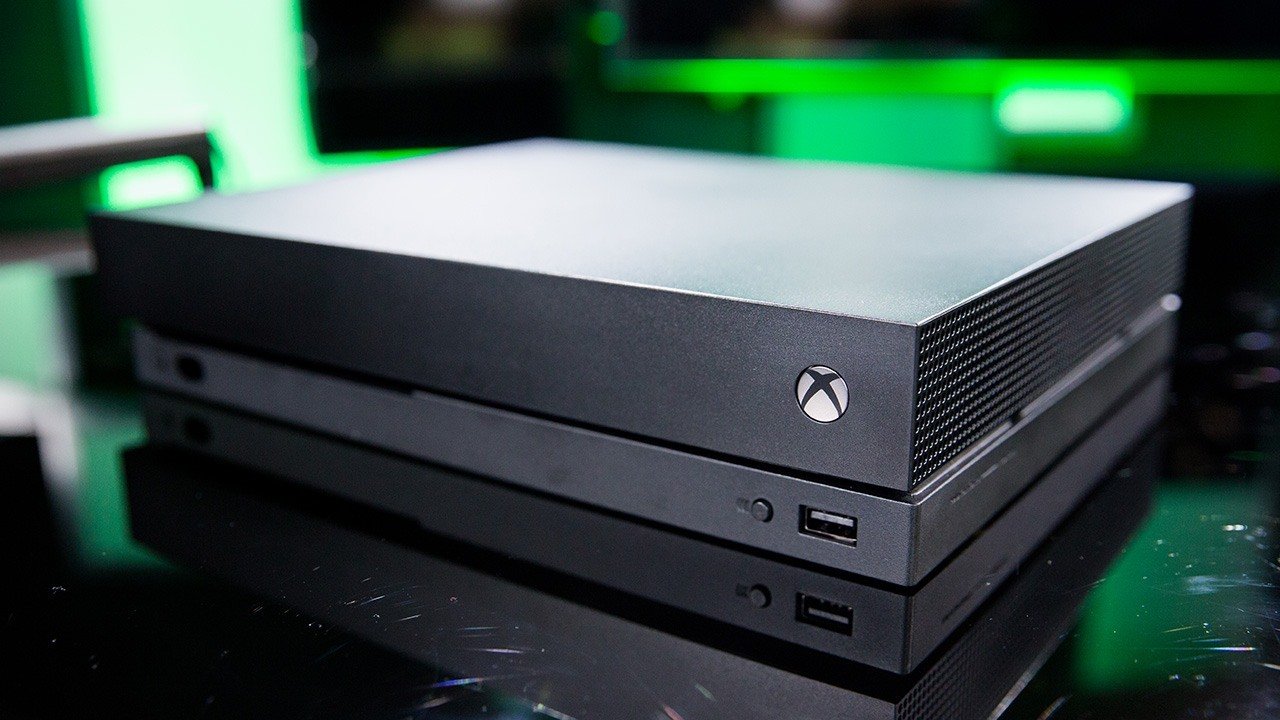
Fans are asking whether Nintendo would have been better off charging an extra $50 to $100 for Switch 2 to match Series S's performance. People often discuss whether a slightly better Nvidia GPU could have helped the system meet those goals.
The larger topic also examines the choices that went into making the chipset, the real-world limits of memory bandwidth, and the balance Nintendo struck between cost, efficiency, and making the product available to a wide audience.
.jpg)
Evaluating the Switch 2 Hardware Choice
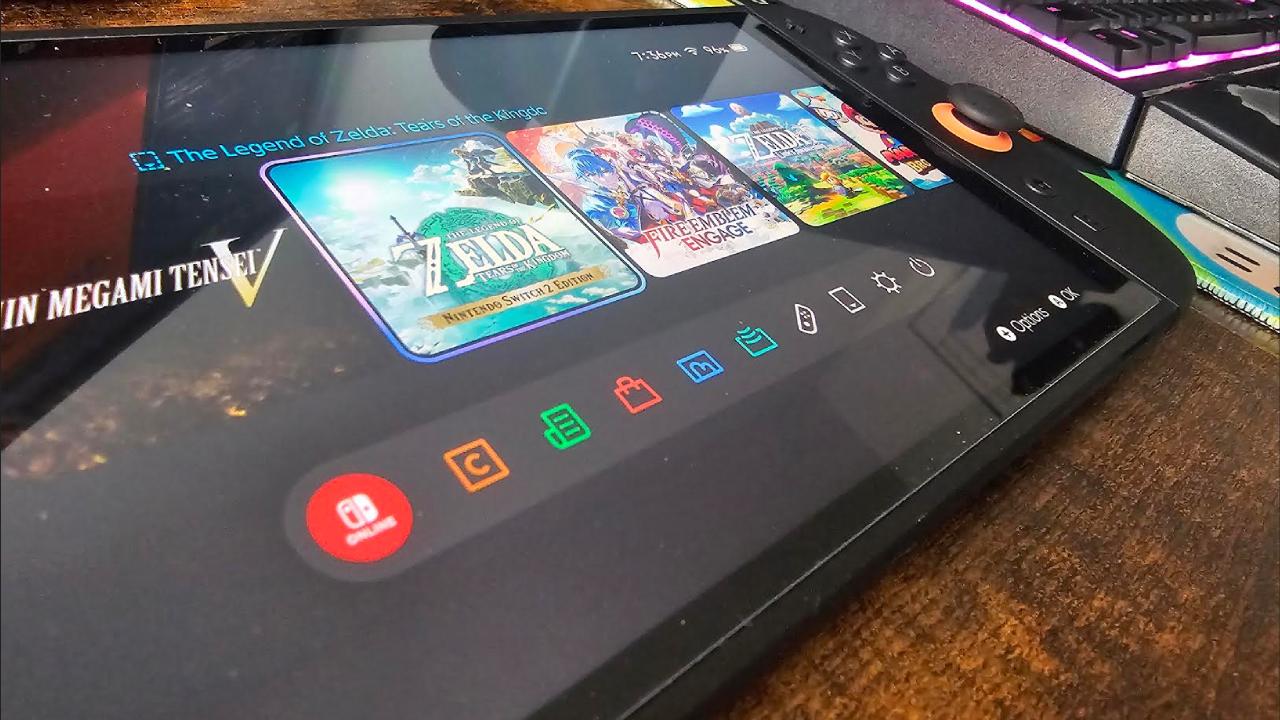
When we look at Switch 2 SoC and the results developers are achieving, we actually think Nintendo and Nvidia made a strong call with the chosen configuration. Beyond the raw technical analysis, you only need to check the sales numbers for Switch 2.
It appears to be among the fastest-selling consoles ever. With that level of momentum, it becomes difficult to argue that Nintendo misjudged the hardware direction. The price increase over the original Switch was already borderline for some buyers.
Yet, it continues to sell at an extraordinary pace. If the price had jumped to $600 or more, we think it would have absolutely hurt its success. It still would have sold, but nowhere near as strongly. The current design hits the performance targets Nintendo needed while staying within the price range required for broad appeal.
Could Nintendo Have Matched Series S Performance?
A key part of this debate is the belief that Nintendo could have added a slightly better Nvidia GPU and reached Series S performance. Based on what we have seen, that is not a realistic expectation. There were concerns during the run-up to the launch, since the specifications had been known for years, and some worried the hardware was anemic.
Concerns over the process node turned out to be largely unfounded, except for a slightly reduced battery life compared to early expectations. Even then, Switch 2 is arguably the most efficient modern handheld available.
Yes, a larger GPU could have been included, but only if paired with faster memory to take advantage of the extra compute. Even then, memory bandwidth would remain a core limitation. Switch 2 uses 6400 megatransfers/s of memory on a 128-bit bus in docked mode.
While mobile products support 7500 megatransfers/s or even 9600 megatransfers/s of memory, you do not get a proportional bandwidth increase without widening the bus. A wider bus is impractical for a device of this size.
Process Node and Efficiency Constraints
Another major factor is the process node. You are only looking at a shrink from roughly 8nm/10nm hybrid nodes to 5nm or 4nm nodes, which are the most advanced ones Nvidia could realistically use for a product like this. A move to 3nm was out of the question for a graphics product during Switch 2 development window.
These shrinks do not automatically double GPU performance in real-world handheld environments. Memory bandwidth and power constraints become the bottleneck much earlier.
Even when we compare current PC handhelds at 20W, those devices generally cannot match the efficiency of Switch 2 in delivering high-quality visuals, despite being on more advanced process nodes. That is partly due to
Nvidia's architectural advantages, but also highlights why achieving Series S performance is not an easy win. Series S targets remain far above what a compact, low-power handheld can reasonably hit without massive cost increases.
Developer Optimization and Long-Term Performance
We always told folks that if Switch 2 didn't look great on paper, the original Switch had very few specifications, but developers still made amazing things happen. We can already see early indicators that developers are achieving amazing performance on Switch 2.
When deciding whether more GPU power would have really changed the system, it's important to look back. Raw TFLOPs alone don't close as many gaps as optimization does.
Looking Back and Hypothetical Alternatives
If we could travel back in time and inform Nintendo that Switch 2 wouldn't ship until 2025, even though it was made in 2021, things could be different. They may have picked a newer process or a different architecture. But given the constraints they actually had, Switch 2 is performing exceptionally well.
Shipping a much larger 5nm chip with a significant performance uplift would have been extremely challenging, if not outright infeasible, given power, thermal limits, cost, and memory bandwidth.
Balance Nintendo Achieved
Switch 2 strikes a good balance between efficiency, affordability, and power. If the price for Series S-like performance had gone up, it would have meant higher thermals, larger memory buses, faster memory modules, and a big jump in production costs.
Greater changes would not guarantee the performance uplift some users imagine, and they likely would have meaningfully hurt sales momentum. For now, we think Nintendo struck the right balance—and as always, the possibility of a future Switch 2 Pro remains an enticing idea for long-term enthusiasts.
Also, check our other Handheld articles :
- ASUS ROG Ally X Handheld Review: Double the Battery, Double the Comfort
- Nintendo Switch 2 Vs. Original Switch 1: A Full Comparison
- How To Connect A Camera And Join Voice Chat With Nintendo Switch 2
- Nintendo Switch 2 Review: Handheld Performance, Features & Value Breakdown
- ROG Xbox Ally X Vs. ROG Ally X: Display, Battery & Controls
- ASUS ROG Ally X vs. Steam Deck OLED: Display, Battery & Gaming Benchmarks
- MSI Claw 8 AI+ Review: Display, Controls & Gaming
- Nintendo Switch 2 vs. Steam Deck OLED: Gaming, Performance, Battery, Display and Value
- PlayStation Portal Review: Remote Play, Cloud Streaming & Travel Gaming
- PlayStation Portal vs. Lenovo Legion Go: Best Portable Gameplay
Senior Editor, NoobFeed
Gaming Hardware Updates
No Data.