
Xbox Project Helix: Next Generation Console Confirmed With Xbox and PC Game Support
Project Helix confirmation signals Microsoft’s continued commitment to dedicated Xbox hardware despite growing focus on ecosystem services and PC integration.
Hardware by Masaru Hoshino on Mar 07, 2026
There has been a lot of talk lately about Xbox and its long-term prospects. Asha Sharma is now in control due to a leadership change. Several public pronouncements, including brief social media replies, have piqued the interest of the gaming industry and sparked speculation.
Combined with ongoing rumors and industry chatter, many people are wondering whether Xbox could return to a stronger focus on exclusives and what the future might hold for new hardware.
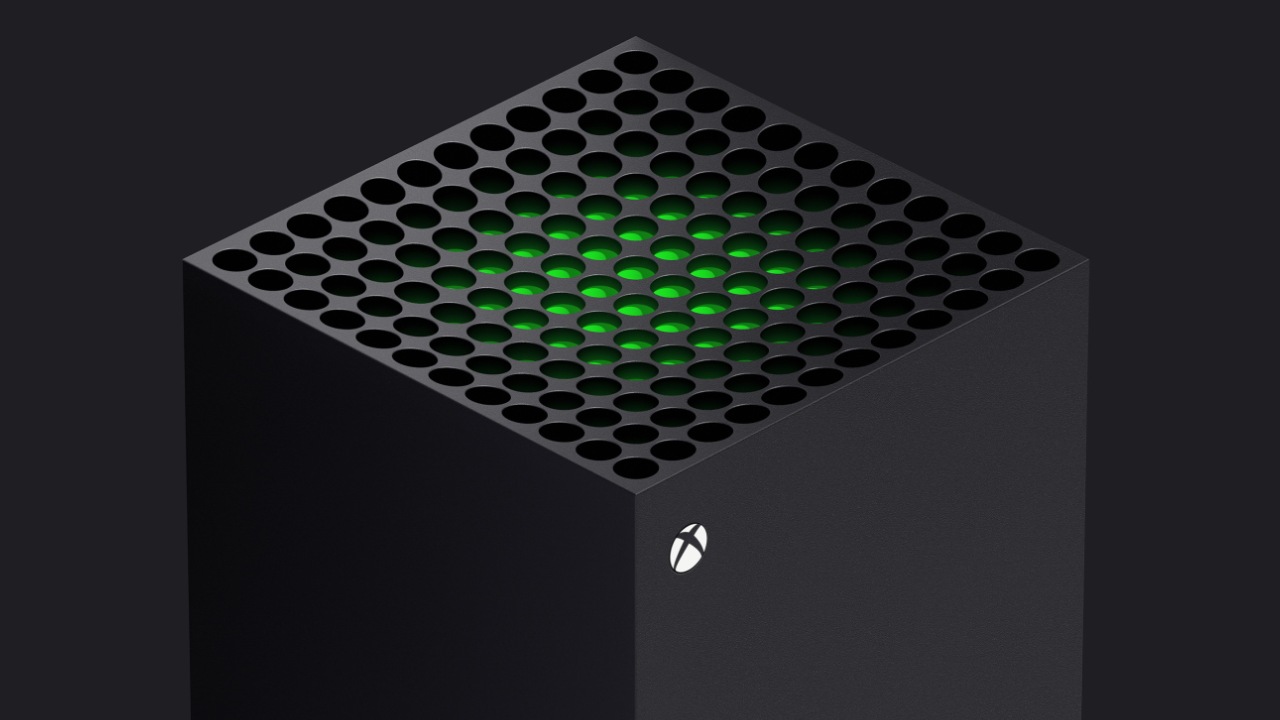
At the center of the conversation is a newly mentioned project, Project Helix, which appears to be the codename for the next-generation Xbox console. The announcement itself was short, but it immediately ignited discussions about performance, PC integration, pricing, and what the next era of Xbox could look like.
Project Helix and the Next Generation of Xbox Hardware
Asha Sharma shared a brief message about a meeting with the Xbox team and confirmed their commitment to the brand's future. In that message, Project Helix was identified as the codename for the next-generation Xbox console. According to the statement, the upcoming hardware aims to lead in performance while supporting both Xbox and PC games.
That confirmation alone is significant. For a while, speculation suggested that Xbox might shift further away from traditional console hardware and focus more on services and ecosystem integration. Hearing that a next-generation console is still in development gives fans renewed hope about the platform's long-term direction.
However, confirmation does not necessarily mean immediate release. Hardware projects can change direction or face delays. While such situations were more common in the 90s, they still remind everyone that early announcements do not always guarantee a finished product reaching the market.
A Console Designed for Both Xbox and PC Games
One of the most interesting parts of the announcement is the statement that Project Helix will play both Xbox and PC games. In many ways, that aligns with what has already been rumored for years. The idea resembles a hybrid approach that blends console gaming with PC-style functionality.
The concept sounds simple, but the execution raises several questions. Integrating PC functionality into a console environment means dealing with multiple storefronts and software ecosystems. We may need to consider whether platforms like Steam, the Epic Games Store, or GOG could coexist alongside the traditional Xbox Store on the system.
If full PC storefronts become available on the console, pricing differences may create complications. For example, a game might be cheaper on Steam than on the Xbox store. That situation could raise questions about the incentive to purchase games through the Xbox ecosystem rather than alternative PC storefronts.
Major Questions Still Unanswered
Despite confirming the existence of next-generation hardware, the announcement does not address two major topics that continue to dominate discussions: Game Pass and exclusives.
The future of Xbox exclusives remains uncertain. The statement about Project Helix does not suggest that games will stop launching on other platforms. Many people assume that a “return of Xbox” could mean a stronger focus on exclusives again. Still, nothing in the announcement actually confirms that idea.
Game Pass also remains a major question. If Xbox were to return to a more traditional exclusive strategy, the service would likely need adjustments. Currently, the model includes first-party games launching on the service day one. Yet, the overall impact of that approach continues to be debated.
Price Concerns and Market Challenges
Another topic generating discussion is the possible price of Project Helix. Hardware capable of running modern PC titles alongside console games could require expensive components. With technology prices rising across the industry, there is a strong possibility that the console could exceed $1,000.
Even reaching $999.99 would already place the system in a premium category compared to previous console generations. Prices for memory, graphics cards, and other technologies keep rising, making it difficult for manufacturers to maintain their old console pricing structures.
Market volatility also has an effect on how long plans take. If the pricing of parts keeps going up, the final retail price could change a lot between when the game is first developed and when it comes out.
Release Timeline and Industry Expectations
When Project Helix will actually start is another crucial concern. Some people think it will happen in 2027, but the current state of the market could push that date back even further. Depending on how hardware prices and supply chains change, a release window in 2028 might make more sense.
But waiting too long might also be hard. Technology prices change quickly, and hardware designed years earlier may become expensive to manufacture by the time it launches. Balancing development timelines with market conditions will likely be one of the biggest challenges for the project.
What the “Return of Xbox” Could Mean
The phrase “return of Xbox” has sparked plenty of speculation, but its meaning remains unclear. Some see it as a clue that exclusives could come back as a big part of the plan. Some people think it may mean better hardware innovation or a closer connection between console and PC ecosystems.
For now, the statement is open to interpretation. More information could come out at upcoming industry events, notably developer conferences where studios and hardware partners typically talk about their plans for the future in private.
Project Helix is still an interesting look at what the future of Xbox hardware might look like until we get more details.
Also, check our other hardware articles:
- AMD Ryzen 9 9950X3D Review: Setting The Standard For 2025 Gaming CPU
- Amazon Luna 2025 Review: Is Prime Gaming's Cloud Service Your Go-To For Casual Fun?
- AMD RX 9070 XT Review: AMD's RDNA 4 Champion for 1440p Gaming
- GeForce Now Ultimate: Ditching Your Gaming PC For Cloud RTX 4080 Power?
- NVIDIA GeForce RTX 5080 Review (2025): Still A 4K Gaming Powerhouse?
- Intel Core Ultra 9 285K Review And Performance Breakdown (2025)
- AMD Ryzen 7 9800X3D Review: 3D V-Cache Goes God Mode with Stunning Gaming Performance
- Intel Core Ultra 9 285K vs AMD Ryzen 7 9800X3D: In-Depth Gaming Performance and Benchmark Comparison
- NVIDIA GeForce RTX 5080 Super Performance In Cyberpunk 2077: Path Tracing & DLSS 4.0 Tested
- AMD Radeon RX 9070 XT In Cyberpunk 2077: Ray Tracing & FSR 4.0 Tested
- Intel Arc B580 Review: The $250 GPU Revolutionizing 1440p Gaming
- Intel Arc B570 Vs. B580: Value, Specs, And Real-World Gaming Performance
- RTX 5090 Laptop Vs. M4 Max MacBook Pro: Ultimate Raw Performance Vs. Battery Endurance
- Intel Arc b580 Vs. RTX 4060: Game Performance And Value Analysis
- RTX5090 Hell Is Us Demo 4K Ultra Benchmark: DLSS Vs. Native Performance Guide
- NVIDIA RTX 5070 Review: Mid-Range Muscle or Marketing Hype?
- Nintendo Switch 2 Review: Handheld Performance, Features & Value Breakdown
- RTX 5070 Ti Review: Performance, Thermals & Power Efficiency Tested
- Samsung Odyssey OLED G81SF Review 2025: Ultimate 32-Inch QD-OLED Gaming Monitor
- AMD RX 9070 Performance Review: Thermals, Clocks, and Real-World FPS
- AMD Ryzen 5 7600 Review: Best Budget Gaming CPU of 2025?
- AMD Radeon RX 7800 XT Review: RDNA 3 Power For Midrange Gaming
- Asus ROG RTX 5090 Astral OC Vs. Founders Edition: The 4K Gaming Benchmark
Editor, NoobFeed
Gaming Hardware Updates
No Data.