
Zen 6 vs Intel Nova Lake: What You Need to Know About Cache and IPC Gains
Zen 6 splits integer unit schedulers into six, improving power efficiency and future-proofing architecture.
Hardware by Mitsuba Miyu on Jan 01, 2026
A lot of talk and recent leaks in the tech world suggest that AMD's Zen 6 might be a really big step forward in CPU design.
Redesigning the cache, changing the architecture, and rethinking the platform strategy all point to significant speed gains, especially for users willing to wait rather than upgrade right away.
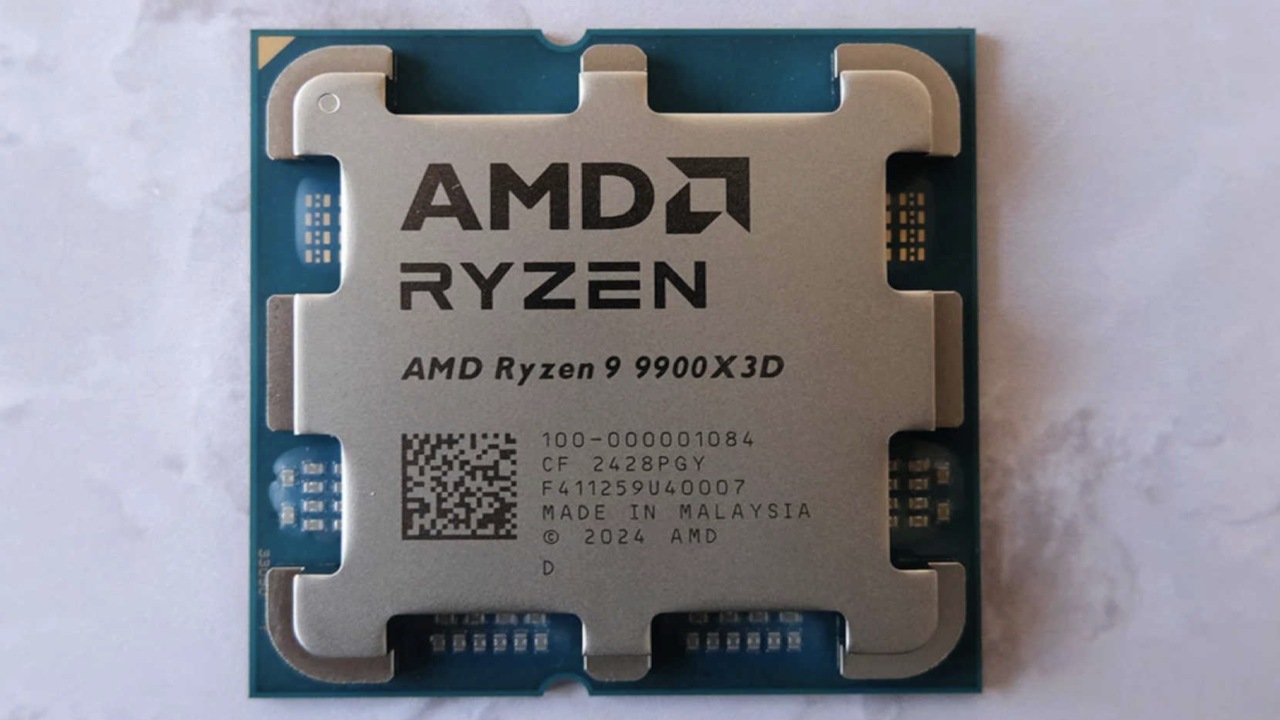
L3 Cache Expansion and Early Leaks
We want to go back to March, when a very interesting fact was revealed by a leak from Zang Xho Hong. Based on that data, each CCD in a desktop non-X3D Zen 6 CPU could have up to 48MB of L3 cache. In this case, each CCD would have 48 MB of L3 cache.
There is a good reason for that design choice. Medusa is supposed to scale up to 12 cores per CCD. It is expected that the Ryzen desktop and mobile lineup will be called Medusa.
That is 50% more cores than Zen 5's 8-core design with 32MB of L3 cache. It only makes sense that AMD would need to increase the L3 cache, or else those extra cores won't have enough cache on the chip.
X3D Cache and Intel Nova Lake Comparisons
Intel's Nova Lake design later gave HXL more ideas to work with. Nova Lake will likely have two tiles, each with its own BLLC cache. That would be 144 MB per tile and 288 MB for two tiles.
HXL says AMD might be trying to match those numbers differently. The plan is for each CCD to have 144 MB overall, comprising 48 MB of standard L3 cache and 96 MB of X3D cache. With two CCDs, a single processor would have a total of 288 MB of cache.
This is very interesting because, as reported, Zen 5 X3D parts came out later with dual-CCD versions, like the 9950X3D2 that was supposed to exist.
It looks like AMD might have been planning to build Zen 6 around this setup from the very beginning. They could even release dual-CCD X3D models as their first ones. If that happens, you might not have to wait months for a better version, which would be great.
A Reason to Skip Zen 5?
If you didn't do Zen 5, Zen 6 might be a very good reason to not do anything and wait. People who aren't in a rush to change right now should wait, because they will get a much better and more advanced platform.
Extreme Cache Rumors and Halo Products
About five months ago, a rumor from Moore's Law Is Dead suggested that AMD might be able to increase cache capacity further. The claim was that Zen 6 could handle up to 192MB of X3D cache across stacked dies, with one layer of X3D cache on top of another, then adding standard L3 cache on top of that.
In theory, AMD could do this, but it would probably cost a lot of money. We don't think that kind of style would work on popular platforms. Rather, it gives off the impression of being a possible halo product, maybe just for very high-end consumer chips or even just for data center use.
If Intel's Nova Lake turns out to be really great, AMD could respond with something this extreme, even if it comes out in very small quantities. This wouldn't be surprising.
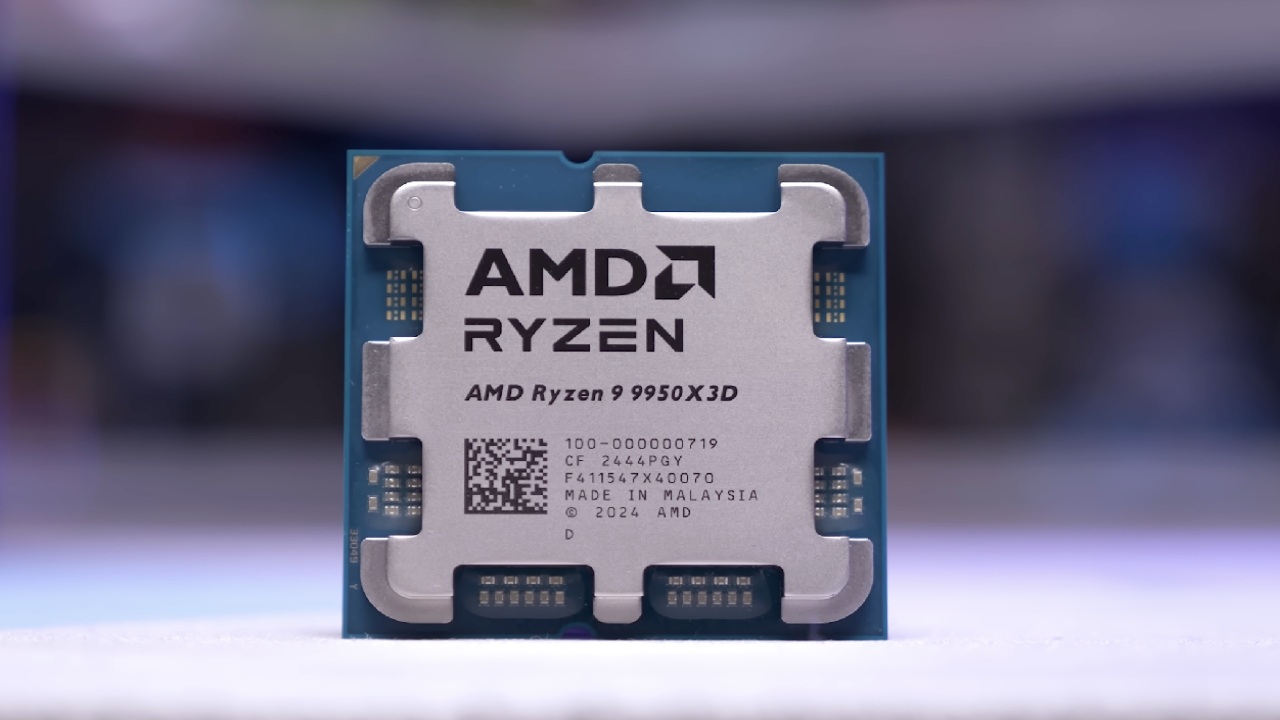
Architectural Changes and Scheduler Redesign
Besides cache, Zen 6 will have major architectural changes. A new official Zen 6 document has come to light. It shows that AMD is changing how integer units work for schedulers. There is only one primary scheduler on Zen 5, but Zen 6 reportedly splits it into 6 schedulers.
AMD could have many reasons for doing this. One of these is probably power efficiency, but it also aligns with broader architectural changes that seem to be making way for Zen 7. Right now, both AMD and Intel appear to be making changes that will allow for more complex designs in the future.
Dual IMC Rumors and Memory Handling
A second IMC design might be added, which is another big claim. People who are generally well-liked in the hydrotuning software development industry shared this information with us. We can't say for sure that this is true, but the people involved have a history of being reliable.
If this is true, changes to the IMC could have a big impact on how memory growth and stability work. Even so, proof is still out of reach, making this one of the more uncertain parts of Zen 6.
Clock Speeds and Frequency Expectations
When it comes to clock frequency, standards are pretty realistic. We think that, in normal conditions, Zen 6 chips will probably reach around 6.2GHz to 6.3GHz.
In some labs, though, golden samples can clock higher, especially when using higher voltage and special cooling. But in the real world of binning, average chips sold in stores won't reach those levels.
While getting close to 7 GHz might be possible in extreme situations, it isn't realistic for everyday Ryzen processors.
IPC Gains and Performance Projections
It's always hard to guess how much IPC will go up. We expect at least a 10% IPC rise, and it might even be closer to 15%. It's hard to know, though, if the claimed gains are from higher clock speeds or just better architectures.
AMD now has more room to work, having moved to a 2nm process. A 10%–15% IPC gain seems realistic, given this and the architectural changes. AMD has also talked about numbers like a 1.3x increase in thread density and over 70% improvements in speed and efficiency.
IPC alone cannot be credited with those numbers, as they are affected by many factors, such as core counts, efficiency gains, and growth.
Zen 6 vs Nova Lake Outlook
Right now, the only real thing that could go wrong for Zen 6 is what Intel does with Nova Lake. Zen 6 may have better single-thread speed, but Intel may be better at multi-thread workloads. Even so, much is still speculation about the product's final clock speeds and settings, since those details aren't known yet.
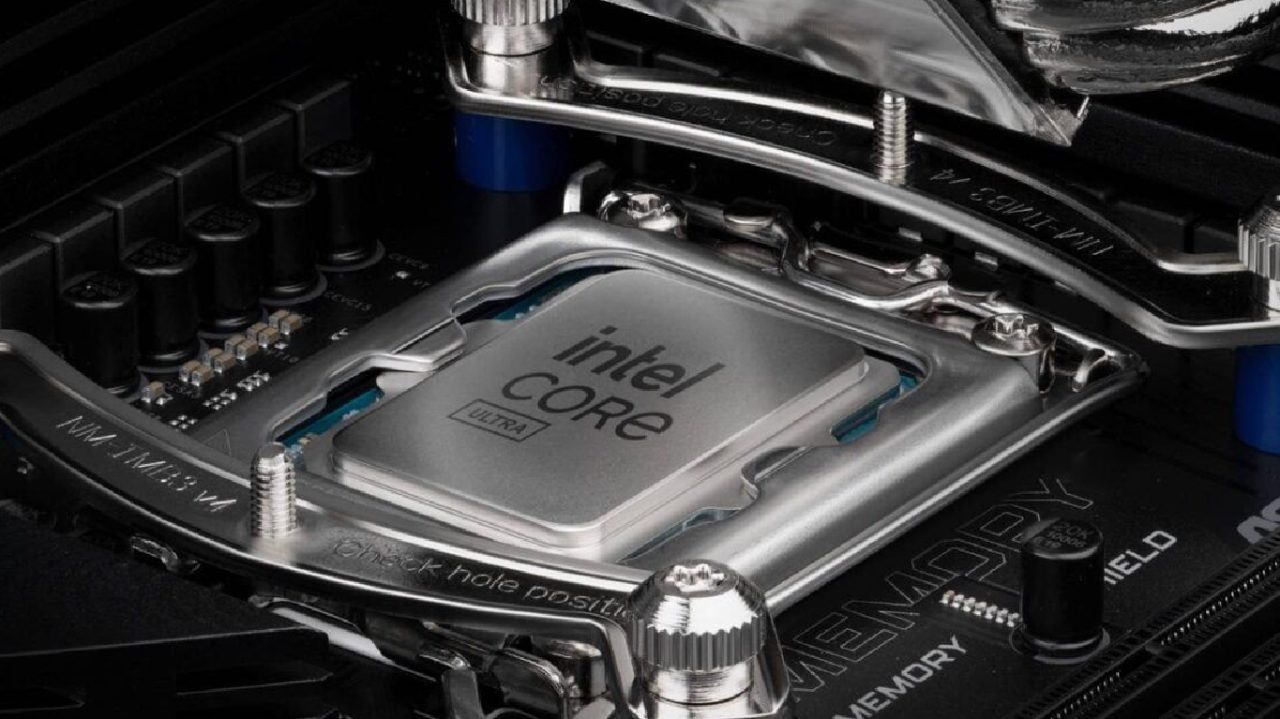
In some gaming situations, Intel's U-BLLC cache designs are supposed to work really well. Intel, on the other hand, is going to a new platform again, but AMD is staying with AM5. The longevity of platforms remains one of AMD's biggest advantages.
Platform Longevity and Memory Concerns
AM5 might even go into Zen 7, but there are different stories about whether Zen 7 will use AM6 instead. A release on two platforms might happen, but there's no confirmation yet. If AM6 does come, it will probably be around the same time as new standards like DDR6.
Memory price is still a big problem. Since data centers use large amounts of memory, prices have risen significantly. The memory market may have changed a lot by the time Zen 6 comes out. Supplies might improve due to higher production, new sellers, or changes in demand.
Final Thoughts
Zen 6 is looking like it will be an extremely bold building. Between adding to the cache, redesigning the scheduling, possible changes to the IMC, and a continued commitment to AM5, there are a lot of reasons to be excited.
If you're using an older platform and don't feel like you have to switch, waiting for Zen 6 could be worth it. In the next one or two years, a lot will depend on how memory price and platform changes play out. Still, everything points to AMD's Zen 6 being a very important event.
Also, check our other AMD articles below:
- AMD Ryzen 9 9950X3D Review: Setting The Standard For 2025 Gaming CPU
- AMD Ryzen 7 9800X3D Review: 3D V-Cache Goes God Mode with Stunning Gaming Performance
- AMD RX 9070 Performance Review: Thermals, Clocks, and Real-World FPS
- AMD Ryzen 5 7600 Review: Best Budget Gaming CPU of 2025?
- AMD Radeon RX 7800 XT Review: RDNA 3 Power For Midrange Gaming
- Sapphire NITRO+ AMD Radeon RX 9070 XT Review: The Ultimate 4K Gaming GPU
- AMD Ryzen 7 7800X3D: Delivers Gaming Performance Far Beyond Expectations
- AMD Ryzen 9 7900X Review: Powering the AM5 Era with DDR5 & PCIe 5.0
- Intel Core i9‑14900K vs. AMD Ryzen 7 7800X3D: Power Profiles & Gaming Benchmarks
Editor, NoobFeed
Gaming Hardware Updates
No Data.