
007 First Light Sparks Sequel Talk as Industry Shifts Toward Faster Game Development
Amazon's role, IO Interactive's future, and a changing mindset in modern gaming development.
News by Mahi Araf on Jun 14, 2026
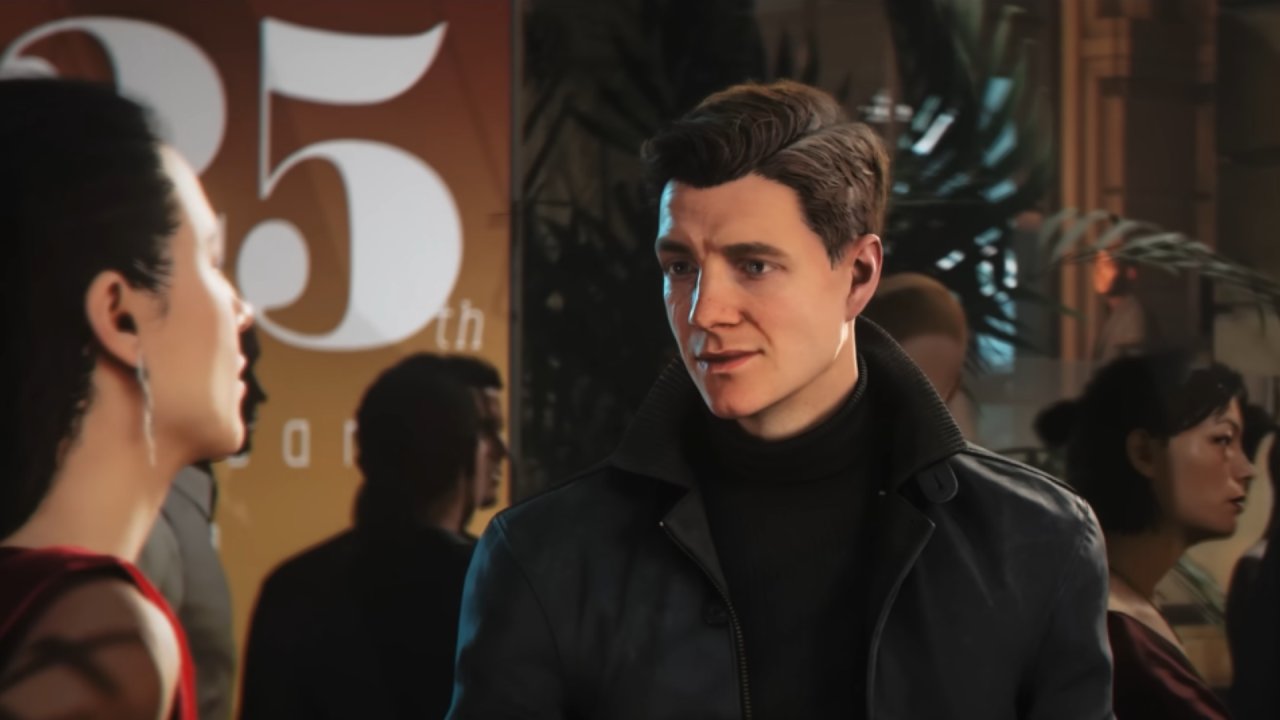
You're looking at a pretty interesting situation around 007 First Light right now, especially after the game reportedly sold 3 million copies in its first week. Even with a massive budget sitting around the 200 million mark, that kind of launch puts it in a very strong position. It also naturally gets you thinking about what comes next and how expensive that next step actually needs to be.
You can already see why people are comparing it to IO Interactive's approach with Hitman. The first Hitman World of Assassination project was a huge production, costing around $80 million and taking about 4 to 5 years to build.

But once the foundation was in place, things changed pretty quickly.
Hitman 2 was developed in roughly two years on a reduced budget because many of the systems and assets were already in place. Then Hitman 3 followed even faster, landing in about 20 months and still ending up as the best-reviewed entry in the trilogy.
So when you apply that same thinking to 007 First Light, you'd assume a sequel wouldn't just be likely but also cheaper and faster to produce. That's usually how it works when a studio locks in a strong engine, systems, and design structure. It becomes less about rebuilding and more about refining.
That's why the situation gets more interesting when Amazon Game Studios comes into the picture.
There was talk from someone at Amazon suggesting that the game deal was signed before they owned the James Bond IP, and that they would be handling future development. A lot of people took that as meaning IO Interactive might be losing control of the First Light direction and that things could shift fully in-house under Amazon.
But that's not exactly what the clarification ended up being. The updated messaging was more cautious, basically saying nothing official is being announced yet, but they're very happy with how 007 First Light is performing and a sequel probably makes sense. So instead of a clear takeover or reset, it looks more like things are still being shaped behind the scenes.
From what you can piece together, the most likely outcome is that IO Interactive stays in full creative control while Amazon Game Studios steps in as publisher for future entries of 007 First Light. That actually lines up with how successful the first game has been, especially since it's being described as one of the standout releases of the year and even compared to some of the best cinematic action experiences out there.
You also get that Uncharted-style feel from it, which is notable considering that franchise isn't really being actively pushed by Sony right now.
In that kind of setup, you'd expect Amazon to take a hands-off approach where they mainly provide funding and support rather than trying to reshape what's already working. The logic is pretty simple: if a studio delivers something this strong with full creative freedom, then changing that formula doesn't really make sense. The better move is usually to back it and let it grow.
There's also a broader industry angle forming around all of this. You're starting to see a shift where successful games are being treated more like long-term platforms instead of one-off projects, especially when development teams already have a strong pipeline and reusable systems. That's part of why the Hitman example gets brought up so often, since it shows how a franchise can become more efficient over time without losing quality.
At the same time, there's another interesting conversation happening around development speed.
You've got games like Clair Obscur: Expedition 33 changing its internal approach, with developers accepting that games don't always need to be perfect on day one as long as they bring something new and can be delivered faster. That mindset is becoming more common, especially in a space where players are willing to tolerate a bit of roughness if the ideas are strong enough.
Put together, all of this points to a bit of a turning point in the industry. Studios seem to be learning that efficiency, reuse, and faster turnaround times can actually lead to better outcomes when handled correctly, rather than endlessly stretching development cycles.
The only downside sitting in the background is hardware pricing. With costs staying high, it naturally slows down adoption of newer systems. But that also means consoles like the PS5 are likely to stick around longer, and that's not exactly something you're going to see many players complain about right now.
Senior Editor, NoobFeed
Related News
No Data.