
Bayonetta 4 Could Fit Nintendo Switch 2 as Series Eyes Future
PlatinumGames is staying quiet about its next move, but comments about Bayonetta's future and the new hardware make a new chapter look increasingly possible.
News by Adeela Tas on Oct 05, 2026
PlatinumGames has not announced its next Bayonetta project. Still, recent comments from CEO Atsushi Inaba suggest the studio has plenty of ideas for where the character and her world can go next. That matters because Bayonetta is nearing 17 years old. Yet, the series remains an important part of Nintendo's lineup, and the arrival of Nintendo Switch 2 gives PlatinumGames a stronger platform to work with.
Shift Up came up in a recent conversation with Inaba, who talked about the original Bayonetta and the chance of keeping the franchise going for years to come. He praised the character's design and said the series has stayed fresh despite its age. The discussion even touched on taking the series all the way to Bayonetta 10.
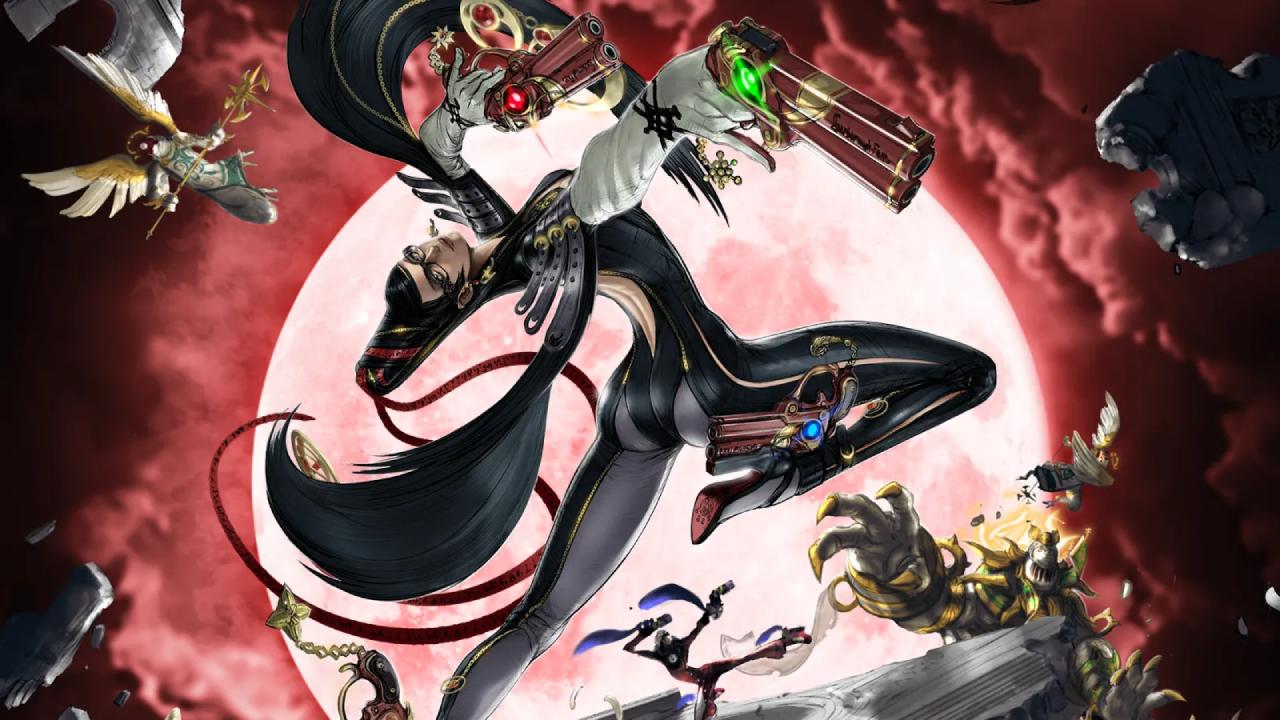
That was clearly a playful long-term thought, but the more interesting part came when Inaba was asked about the next game. His response was essentially no comment. He wouldn't confirm what PlatinumGames has planned, but he did say he strongly wants to expand Bayonetta as a character and broaden her world.
Inaba also asked fans to wait and see what form that ambition eventually takes.
That leaves the studio with plenty of room to surprise players, while also making it difficult to know whether the next project will be a traditional sequel, another type of Bayonetta game, or something else entirely. Still, the comments make Bayonetta 4 feel less like a distant fantasy and more like a project already under consideration. No official announcement has been made yet, so treat the idea as unconfirmed.
However, the careful wording, laughter, and refusal to discuss the next game suggest PlatinumGames doesn't want to reveal its plans before the right time. The Nintendo Switch 2 connection also makes sense. PlatinumGames has yet to release a brand-new game specifically for the system, and Inaba described the hardware as having considerable potential.
The machine gives developers more options for performance and presentation, even if it doesn't reach the raw power of a PlayStation 5 or XBOX Series console. For a series built around responsive combat, that could be more important than chasing cutting-edge visuals. That is where Bayonetta 4 could fit particularly well. The series does not need to become a massive, expensive open-world production to succeed.
What Bayonetta needs is fast combat, precise controls, creative enemies, and a story willing to go completely over the top. A stronger Nintendo platform can give PlatinumGames more room to improve resolution, frame rates, and effects without forcing the studio into the enormous budget major AAA projects now require.
Nintendo also has a clear reason to keep the franchise around.
Bayonetta may not sell at the level of Mario, Zelda, or other major Nintendo properties, but it gives the platform a mature action series that Nintendo doesn't develop internally. The character is already part of Super Smash Bros., while previous games have established a dedicated audience on Nintendo hardware. That makes the relationship useful for Bayonetta 4 and both sides.
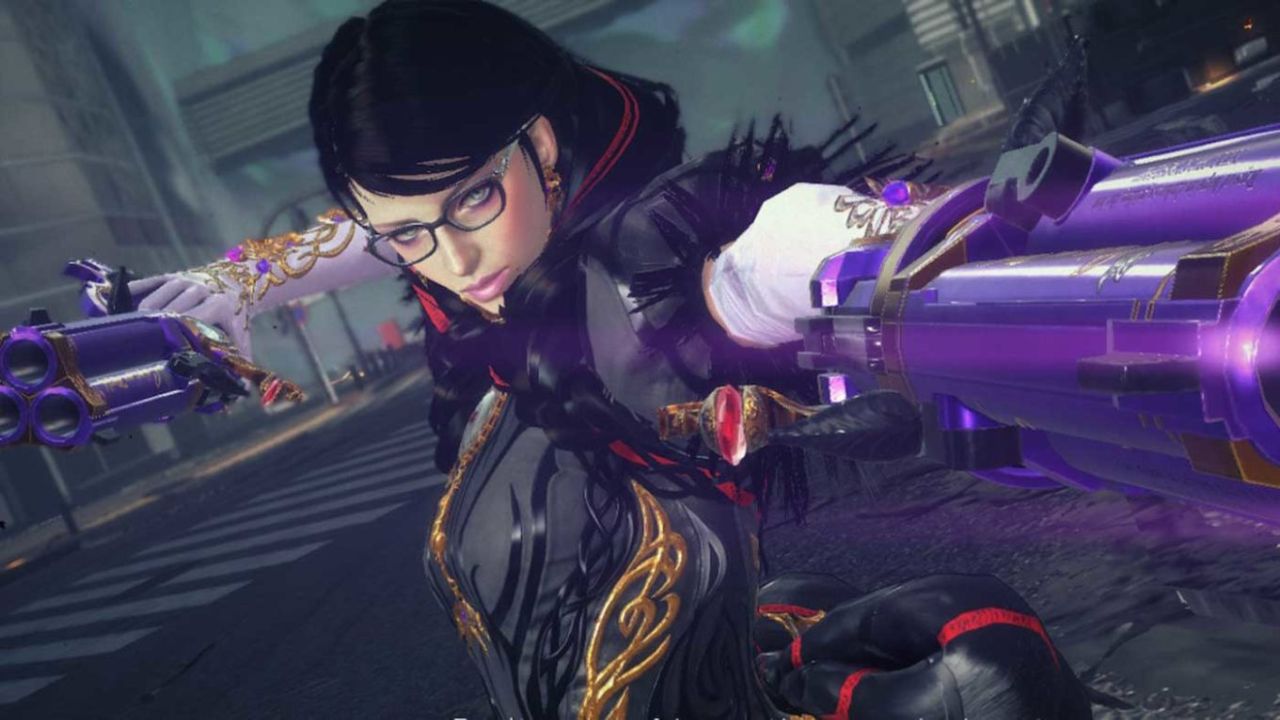
The franchise's history also explains why its future has been so unpredictable. The first Bayonetta launched on XBOX 360 and PlayStation 3, with the latter version suffering from technical problems. Sega initially supported Bayonetta 2 but later withdrew its funding. PlatinumGames then approached other major platform holders, but neither Microsoft nor Sony took on the project.
Nintendo eventually stepped in, allowing Bayonetta 2 to release on Wii U. That decision caused plenty of debate at the time, but it also established Nintendo as the series' long-term home. Bayonetta 3 later followed on the original Switch after being announced early in that system's life and spending years in development.
Its eventual release included performance problems, particularly around its frame-rate target, although the game benefits considerably from the extra power of Nintendo Switch 2. The hardware already shows what a stronger system can do for older Switch games. Some titles can run at higher frame rates or maintain targets more consistently without receiving a dedicated upgrade.
Bayonetta 3 is a notable example because its original performance could fluctuate considerably while targeting 60 frames per second.
On the newer system, it can get much closer to that target even without a specific patch. That opens the door to possible updates for the existing trilogy. Bayonetta 1, Bayonetta 2, and Bayonetta 3 could receive performance or resolution improvements, either through free updates or paid definitive-style releases.
A similar treatment could potentially reach Cereza and the Lost Demon. Nothing has been confirmed, but updating the older games would give Nintendo and PlatinumGames an easy way to bring attention back to the franchise before a future sequel.
Bayonetta 4 would also benefit from hardware designed around higher performance from the beginning. The Switch 2 can aim for higher frame rates and supports DLSS, so developers have more to work with when trading off how a game looks against how smoothly it runs.
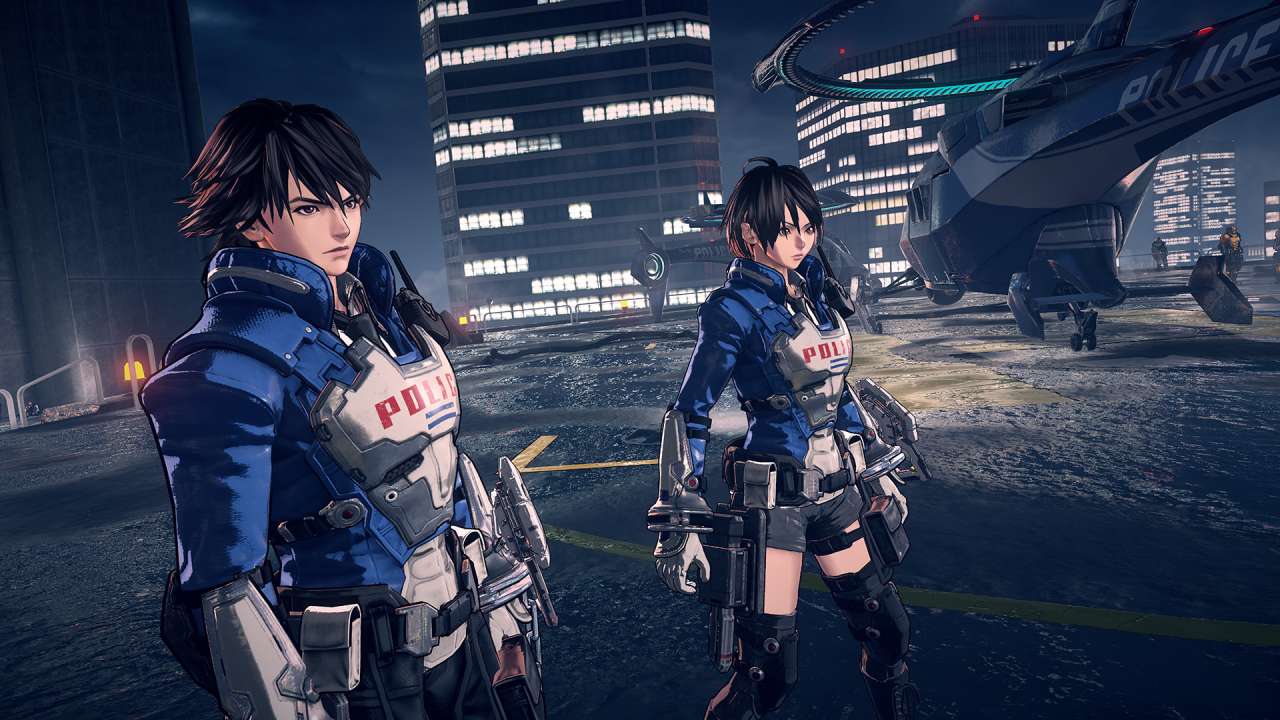
PlatinumGames could use that extra headroom to smooth combat, improve visual effects, and create larger or more detailed environments while keeping the core action responsive. Another PlatinumGames series could benefit from the same treatment: Astral Chain.
The 2019 action game sold more than one million copies and was considered a success, with older figures putting sales at roughly 1.3 million. Its development costs were also relatively modest compared with many modern productions, which makes its commercial performance more meaningful than raw sales numbers alone suggest.
The biggest complication is that Takahisa Taura, who played a major role as producer and director, has since left PlatinumGames.
Some of the staff connected to the original project may have moved on as well. Nintendo still owns the Astral Chain intellectual property, so the final decision about its future would ultimately involve Nintendo. That makes Astral Chain 2 harder to predict than Bayonetta 4. Before a sequel happens, an update to the original game would arguably be the more straightforward move.
Astral Chain is locked to 30 frames per second on the original Switch, rather than running at an uncapped frame rate that could naturally benefit from newer hardware. That is frustrating because other games can gain performance improvements simply by running on the more powerful system.
An upgraded Astral Chain could therefore be a strong fit for Nintendo Switch 2. A release targeting 1080p and 60 frames per second, or potentially 4K and 60 frames per second in supported modes, would give the game a noticeable second life. The original is already packed with missions, secrets, replayable content, and activities, so it doesn't need a large expansion to justify a return.
Physical copies have also remained relatively expensive, with copies sometimes selling for more than $50 depending on condition and completeness. That gives Nintendo and PlatinumGames another reason to consider a new edition. A free performance patch would obviously be the most consumer-friendly route, but a remaster could also give the game a fresh commercial push.
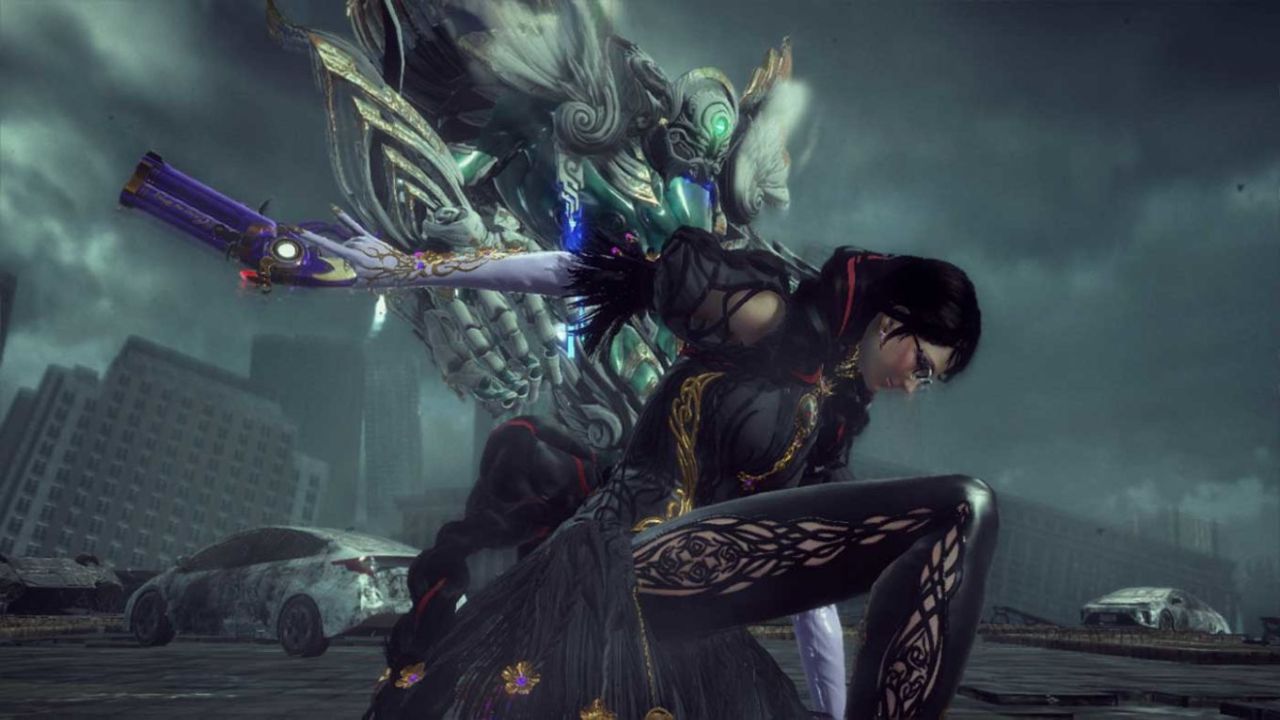
Astral Chain 2 remains the more uncertain possibility. Its sales were solid rather than enormous, and the departure of key creative staff makes a direct follow-up more complicated. Even so, Nintendo could still see value in bringing Astral Chain 2 back, particularly if the next game were designed specifically for the newer console rather than limited by the original hardware.
If that happens after Bayonetta 4, the results could be impressive.
Astral Chain already looked unusually ambitious on the first Switch, combining stylish combat, detailed environments and its Legion mechanics within portable hardware. Building a sequel specifically around the newer hardware would give PlatinumGames far more room to push those ideas.
For now, the clearest signal is that PlatinumGames is thinking about Bayonetta’s future, even if it is not ready to explain what comes next. Bayonetta 4 has not been officially announced, and neither has a new Astral Chain project. But with the Nintendo Switch 2 providing more performance headroom and Nintendo still having a reason to support distinctive action games, both franchises have a plausible path forward.
Editor, NoobFeed
Related News
No Data.