
Control Resonant's Doubled Length Could Hurt Its Pacing
An insider who just finished replaying the original game breaks down what Control Resonant needs to keep, and the one habit that could weigh the sequel down.
News by Adeela Tas on Aug 23, 2026
If you have been paying attention to anything Remedy-related lately, you already know Control Resonant is closing in fast, and the wait is starting to feel real. According to one insider who recently sat down and played through nearly the entire original Control from start to finish, including the AWE expansion and most of The Foundation, there is a lot riding on this next chapter.
The source wanted to revisit the first game specifically to figure out what worked, what did not, and what the upcoming sequel absolutely needs to carry forward. The idea behind the replay was simple. Rather than relying on memory alone, the insider wanted fresh eyes on the original before getting too deep into anything new, since so much of the lore in this universe tends to reward people who actually remember the small details.
.jpg)
The insider found one clear strength and one real concern.
So instead of jumping straight into speculation, the source broke things down into one thing the first game nailed completely, and one habit that could genuinely hurt Control Resonant if it carries over unchecked. Starting with the positives, the source did not hesitate.
The level design in the original game is considered one of the best in the industry, full stop. Layer that with the lore, which the insider called some of the richest storytelling in gaming, and then factor in the overall world-building tying everything together, and you get a combination that very few studios manage to pull off.
According to the source, this is where Remedy separates itself from almost everyone else making games right now. You can tell within minutes that you are playing something from this studio, yet somehow each project still manages to feel completely distinct from the last one, and that same identity is exactly what people want to see carried into the sequel.
That distinctiveness is exactly what has this insider a little nervous heading into the sequel, mainly because of scale. The original title built its identity around a single, shifting building known as The Oldest House, a location so strange that entire pages of in-game notes are dedicated to explaining how it bends space and hides itself from anyone who is not supposed to find it.
The Oldest House's mystery is exactly what scale could threaten.
The insider compared it to a hidden island from an old pirate movie, somewhere you can only reach if you already know exactly where to look. That sense of mystery is a huge part of why the level design landed so well in the first place, and it is not something that translates automatically just because a sequel gets bigger. Losing that feeling once the story moves beyond The Oldest House is the real risk worth watching for.
Fortunately, according to the insider, early signs point toward Control Resonant carrying that weirdness forward rather than losing it. Gameplay reveals so far have shown houses twisting sideways, gravity flipping in ways that echo the original game's most memorable sequence toward its ending, along with subway trains bending and warping in a similar style.
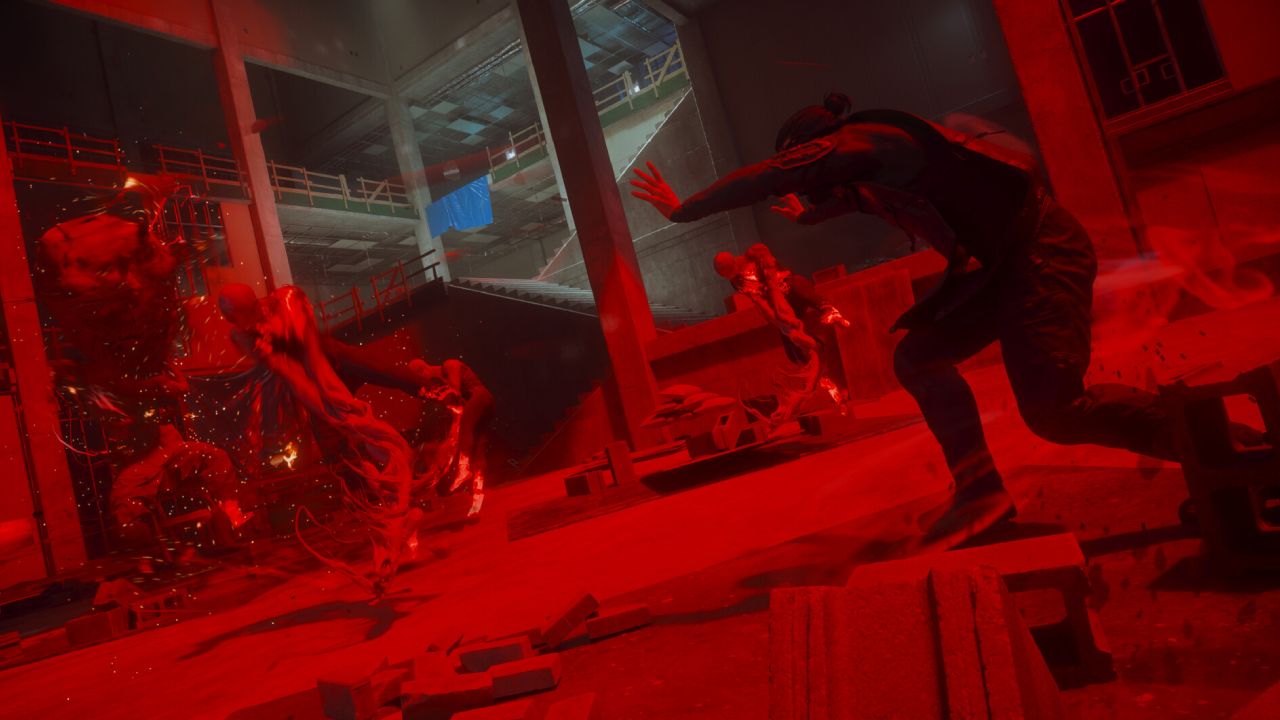
To the source, this suggests the same experimental, almost cube-like approach to environments and physics is very much alive going into Control Resonant, which is a genuinely encouraging sign for anyone worried the sequel might play it safe. If that level design philosophy carries through the entire runtime, the insider believes this could end up being one of the more visually inventive games in recent memory.
Then there is the lore, which the insider described as one of the strongest aspects of the entire universe. So much of the story lives outside the main missions, tucked into documents scattered throughout every corridor, and the source admitted to reading literally every single one during this replay.
That same lore depth demands answers, not just endless new questions.
It is a lot of text, but according to the insider, it is worth it because of how deeply it ties into the larger shared universe, one that already connects to Alan Wake and could easily set up something even further down the road. The insider did stress one thing though: any universe this connected has to keep answering roughly as many questions as it raises.
Games that lean heavily into mystery can get away with adding new threads constantly, but if a story keeps introducing twists without resolving older ones, things start to feel unbalanced rather than intriguing. Since Control Resonant is expected to expand well beyond the walls of The Oldest House and into a much larger setting, maintaining that balance becomes even more important than it ever was in the original game.
Now for the concern. According to the source, pacing is the one real weakness of the original game, and it is the thing they worry about most heading into the sequel. On its own, the first Control is actually a fairly short experience if you push straight through the story, and it is not particularly demanding in terms of needing extra side content just to stay competitive.
The trouble, as the insider explains it, comes from how easily the main story gets buried under everything else the game throws at you, and that same pacing problem is exactly what worries the source about Control Resonant going forward.
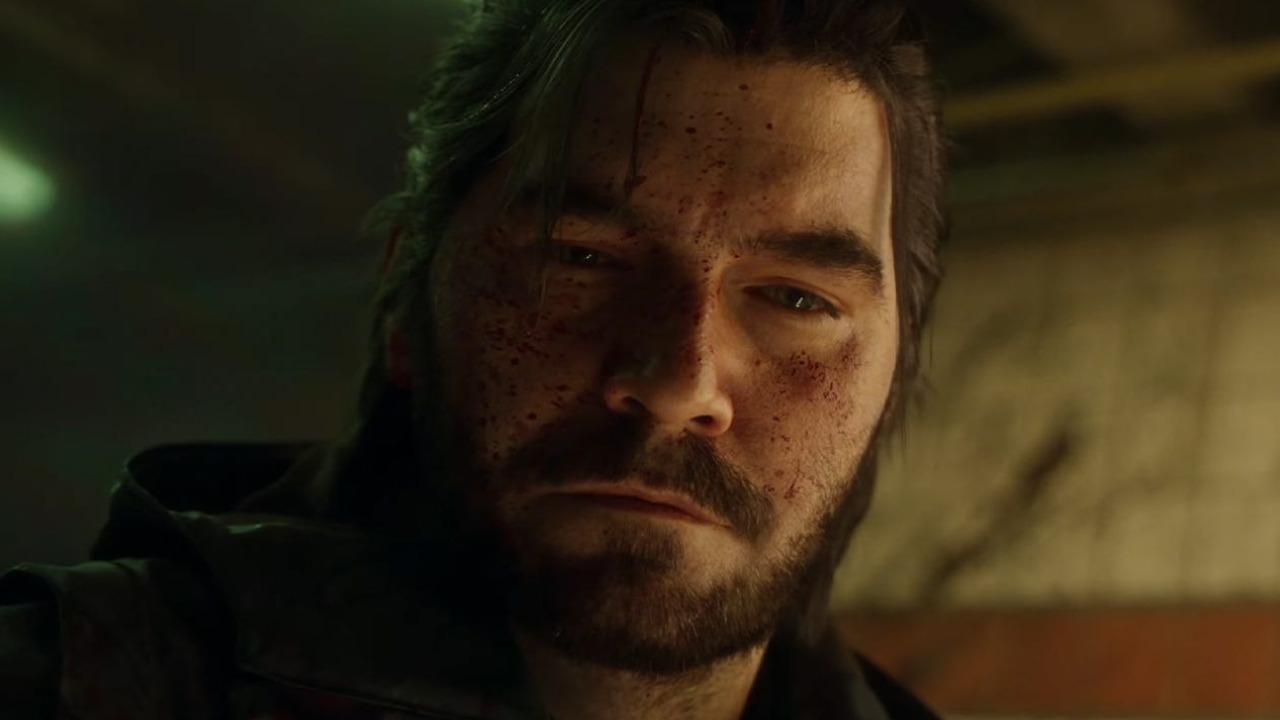
A bigger sequel means the original's pacing problem could worsen.
Since the sequel is expected to be roughly double the length of the original, that concern only grows. The insider pointed out that a longer runtime usually means a much larger volume of side missions and repeatable activities, similar to the random rescue and combat events that popped up throughout the first game.
More content is not automatically a problem, but according to the source, it becomes one if the main story is not strong enough to pull you back in after long stretches away from it, and pacing is exactly the piece that determines whether that works.
The insider gave a pretty specific example from their replay. A single main story mission might be built around maybe seven to ten minutes of actual objective completing, yet the same mission can stretch past an hour once you factor in all the reading, side rooms, and collectibles packed into it.
Multiply that pattern across a game twice the size, and the insider worries the pacing issues already present in the original could become far more noticeable in Control Resonant, especially once the world outside The Oldest House opens things up even further.
Despite the pacing worry, this concern doesn't outweigh the positives.
To be clear, the source is not saying any of this ruins the experience. The concern is more about balance than quality. Bigger does not automatically mean better, and according to the insider, doubling the scope of a game does not guarantee double the fun either.
It can just as easily mean twice the busy work if the main story is not gripping enough to carry that extra weight, something the insider believes could turn off more casual players if Control Resonant leans too hard into padding rather than trusting its own strengths.
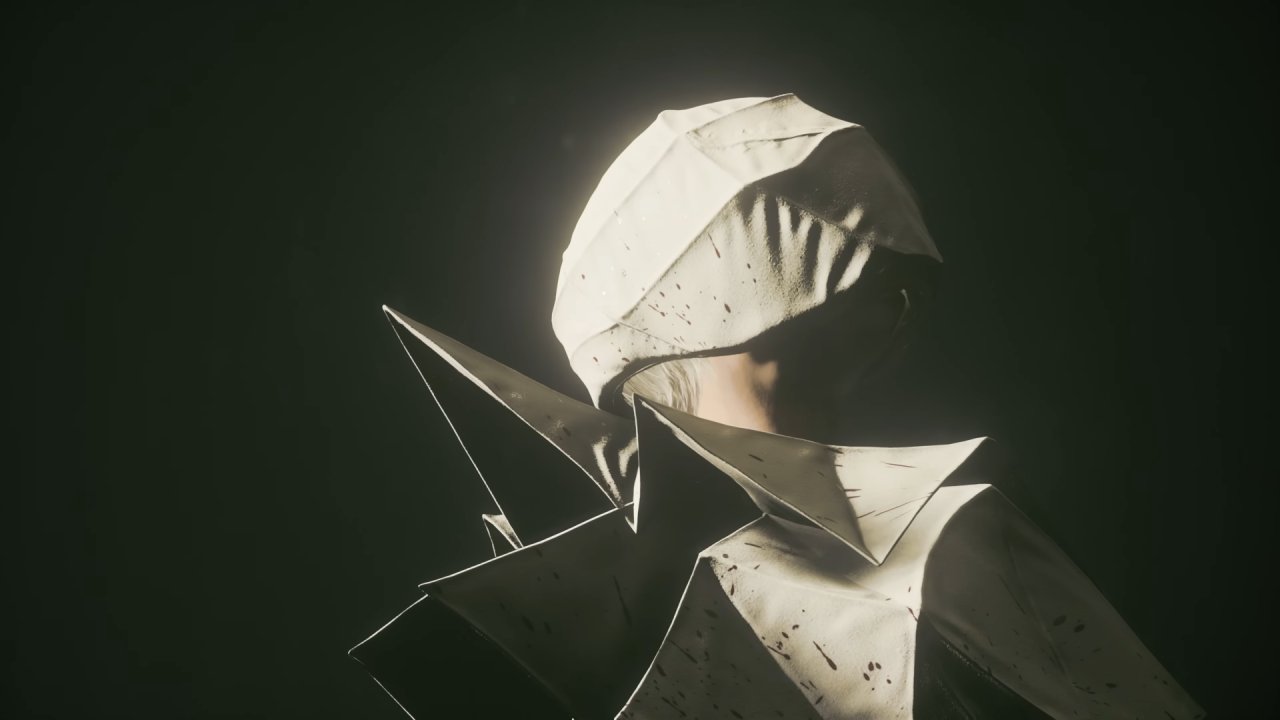
Even with that concern on the table, the overall outlook from this insider remains largely positive. The gameplay itself is already getting strong reactions from those who have seen it in action, and the source is confident Remedy has that part figured out completely.
The bigger question, at least according to this particular breakdown, is whether Control Resonant can stretch its runtime to thirty, forty, or even fifty hours while still making every single one of those hours worth showing up for. If the studio manages that, this could end up standing as one of the most ambitious releases the studio has ever put out, and a worthy next step for a universe that keeps getting bigger with every entry.
Editor, NoobFeed
Related News
No Data.