
Sony Pretended Not Seeing It As Death Stranding 2 Slipped Onto PC
A silent ESRB rating, a sudden publisher swap, and a release window that's shrinking faster than anyone expected.
News by Asura Kagawa on Dec 01, 2025
As new regulatory filings slowly come out, rumors about Death Stranding 2 have taken an interesting turn. The ESRB has given a grade to the PC version of Kojima Productions' upcoming sequel. This means that the game will soon be available on more platforms, instead of just in the distant future.
These early labels are often like breadcrumbs that show the way to a launch window that is coming up soon. The scene seems carefully planned, a subtle sign that Strand features are about to be brought to more platforms than just consoles. There were eight months between when the last game in the series came out on PlayStation and when it came out on PC.
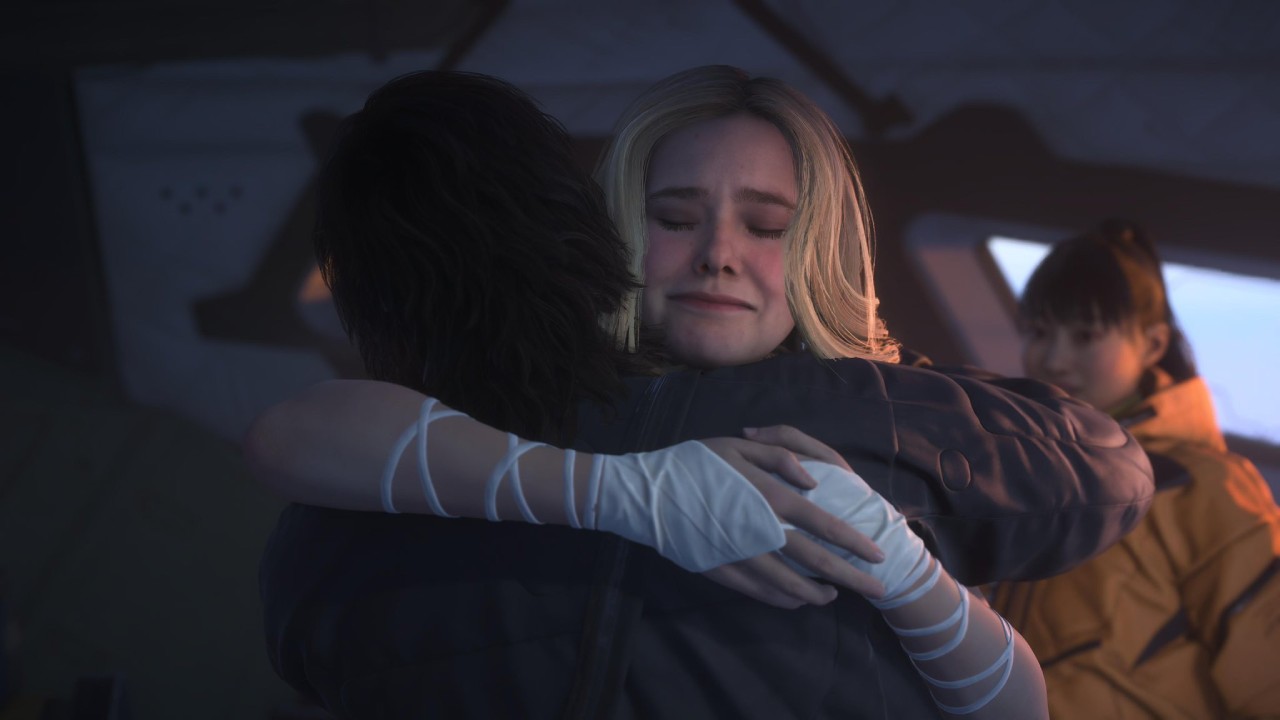
At that point in time, that schedule seemed normal, especially for a studio trying out a hybrid form of distribution. People who follow the industry now think the gap will be shorter, maybe even six months. This is because of a change in strategy and an awareness of PC's growing importance. The second movie looks like it will move faster, which means the team wants to reach a wider audience more quickly.
There is a much stranger detail in the ESRB's entry. The PC version is labeled by Sony Interactive Entertainment instead of 505 Games, which put out the first PC version. That change alone shows that the strategy needs to be rethought.
Sony has jumped into PC production with a fervor that wasn't present when the first Death Stranding was being made. The sequel now carries all of Sony's cross-platform goals, making it more in line with the company's larger goal of making games available on more than one platform.
Having control over the intellectual property for Death Stranding adds another level of difficulty. Kojima Productions now has full control over the IP.
This happened in a planned way and was connected to the start of the series. This means that the company is in charge of the creative work, but the way the books are published shows how Sony's views are changing. When the deal was first made, PlayStation wasn't very interested in PC as a location. These days, that way of thinking has changed completely, and PC releases are now seen as smart additions rather than uncommon events.
This growing interest in PCs is not a stand-alone thing. It's similar to recent choices made across Sony's business. Games like Horizon, Ghost of Tsushima, The Last of Us, and God of War have all been brought back to life with PC versions. They get more attention, last longer, and reach people whose standards are different from those of traditional console users.
Analysts saw this coming with Death Stranding 2 long before the ESRB listing confirmed it. It feels like the game was meant to be in this setting from the start. The change in authors for the PC version is a sign of a bigger change going on inside the company. Sony used to hire outside companies to handle PCs, but the company now seems eager to take on that responsibility itself.
This makes it clear that they want to be in charge of every step of the process, from overseeing development to distributing the final product. It makes the ecosystem tighter by making sure that the story's identity and presentation stay the same across all devices. It also shows how confident Sony is in the sequel's ability to make money.
This choice is also clearer when looked at in the context of a bigger picture. The leaders of the company have been making it clearer that PC is an important growth path. This makes sense because development costs are going up, hardware cycles are changing, and people around the world want high-quality experiences on any device. The sequel is the first game in a new age, and fans of the first game, as well as PC gamers who found the series through the first port, are looking forward to it.
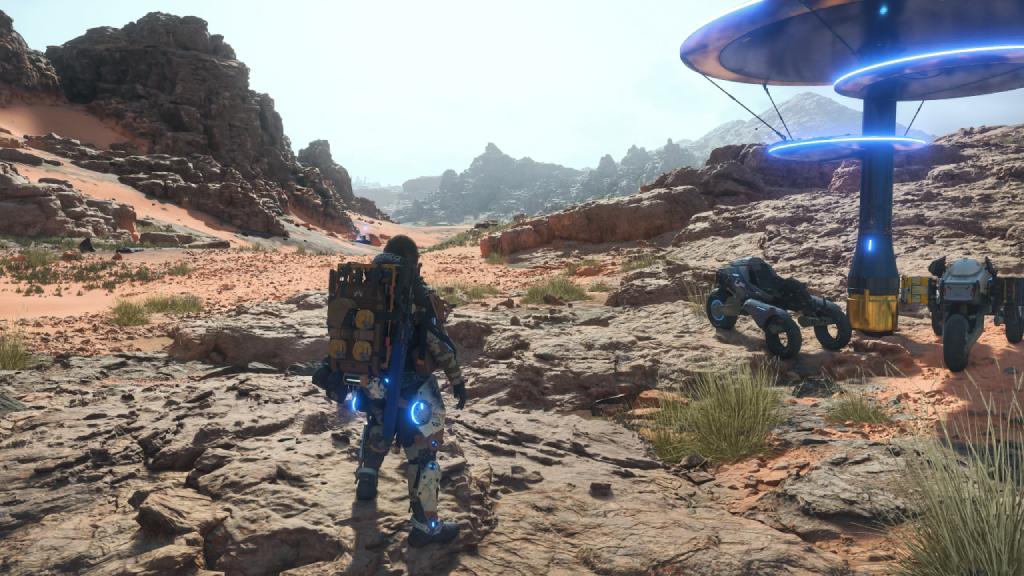
Ratings listings are often early signs that marketing is moving forward. They come before trailers, statements, and release dates, quietly working behind the scenes to build excitement. The ESRB mark on the PC version is like a light tap on the shoulder, letting everyone know that a planned release is almost here. Publishers almost never go after these licenses without a bigger plan already in place.
There are signs that the basic parts of a multi-platform rollout are already in place. This development also shows how platform exclusivity is changing over time.
Ten years ago, it would have been impossible for a big PlayStation-related IP to move so quickly to PC. Today, it's seen as a natural next step in a cross-platform approach that's based on how the market works. The IP's ownership structure makes the publishing world even more fluid, where partnerships and artistic freedom meet in ways that don't follow the rules.
As an example, Death Stranding 2 shows how hybrid models can work without losing their character. The slow release of information about the movie makes it even more mysterious. Kojima Productions has always been very careful about how much information it gives out, and they often mix story ambiguity with thematic depth.
Even though the ESRB listing is just a formality, it fits into the trend that was already there. It supports the idea that the world of Strand links is about to grow again, but this time in a planned, steady way that builds excitement gradually rather than quickly.
Analysts in the field will probably see this as Sony continuing its steady move toward more software options. It's now just as competitive in digital platforms as it is in hardware, and adding Death Stranding 2 to its PC lineup makes it even stronger in that area. The fact that the sequel is coming to PC shows that Sony wants to release its most popular games in more than one market, adopting a more adaptable marketing style that fits the way people play games today.
Sony's move to publish PC games itself points to a future where third-party partners will be less important for big games.
It shows that knowledge is being taken in-house and that people are realizing that keeping an eye on everything at all times makes events go more smoothly and brands look more consistent. Given how well Death Stranding did on PC around the world, this much attention makes it likely that the successor will do even better. For the platform, this makes it an important part of the franchise's existence.
As the industry waits for more news, excitement grows about when the successor will come out on PC. Based on how often the first game came out, the second one might come out soon after the first one for consoles. This kind of synchronization keeps the narrative discourse going and builds group momentum. It also makes sure that the Strand world stays culturally relevant for everyone, not just people who are tied to a single device.
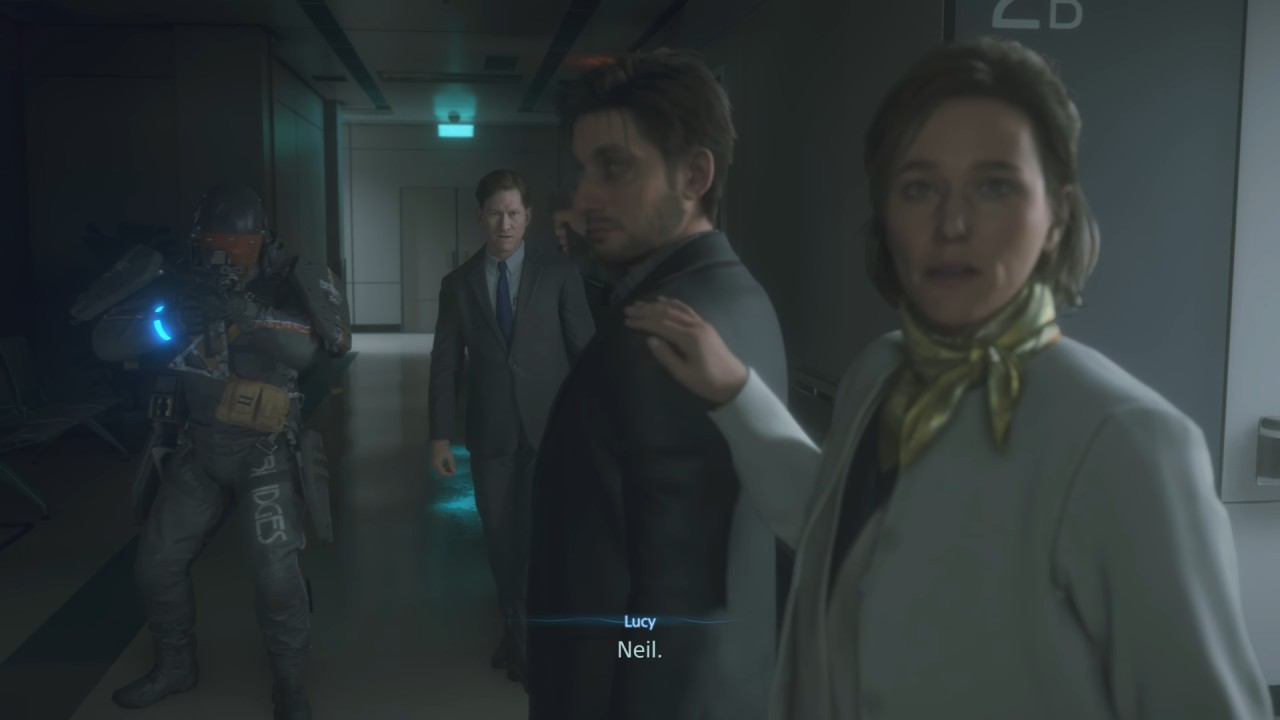
The ESRB certification is the start of a bigger step. It means that internal builds are getting close to being ready for review. It means everything is ready, even if the studio stays quiet on purpose. It also makes the successor one of the most important multiplatform games coming out this year. There are many signs that the rollout will be carefully planned and shaped by both artistic ambition and strategic insight.
Death Stranding 2 is getting ready to cross yet another barrier as the horizon gets closer. The change in publishers, the sped-up schedule, and the planned certifications all fit together in a way that is too consistent to ignore. The path to PC has begun, and the next part of the Strand world is quietly getting ready for a bigger, more connected audience. Something is getting closer, and every small movement makes it look like it's getting ready to show itself.
Staff Writer, NoobFeed
Related News
No Data.