
DRAM Lawsuit Could Impact PS6 and PlayStation Overall
The case could influence memory prices across future PlayStation hardware.
News by Elme Dhee on Jul 24, 2026
The global DRAM market is back in focus after allegations that three of the industry's largest manufacturers colluded to control memory supply and raise prices. Together, Samsung, SK Hynix and Micron account for about 90 percent of the DRAM market, giving them big influence over one of the most critical components in the technology sector. The lawsuit has raised new questions about competition and pricing in a market dominated by only a few players.
DRAM is a key component in smartphones, laptops, gaming PCs, servers, and Sony's PlayStation consoles, so manufacturers will have a hard time avoiding a significant price increase. The same memory technology is also expected to play an important role in future hardware, including the rumored PS6. Rising DRAM costs could have a ripple effect across the gaming industry, potentially increasing production costs for hardware manufacturers and, ultimately, the prices consumers pay.
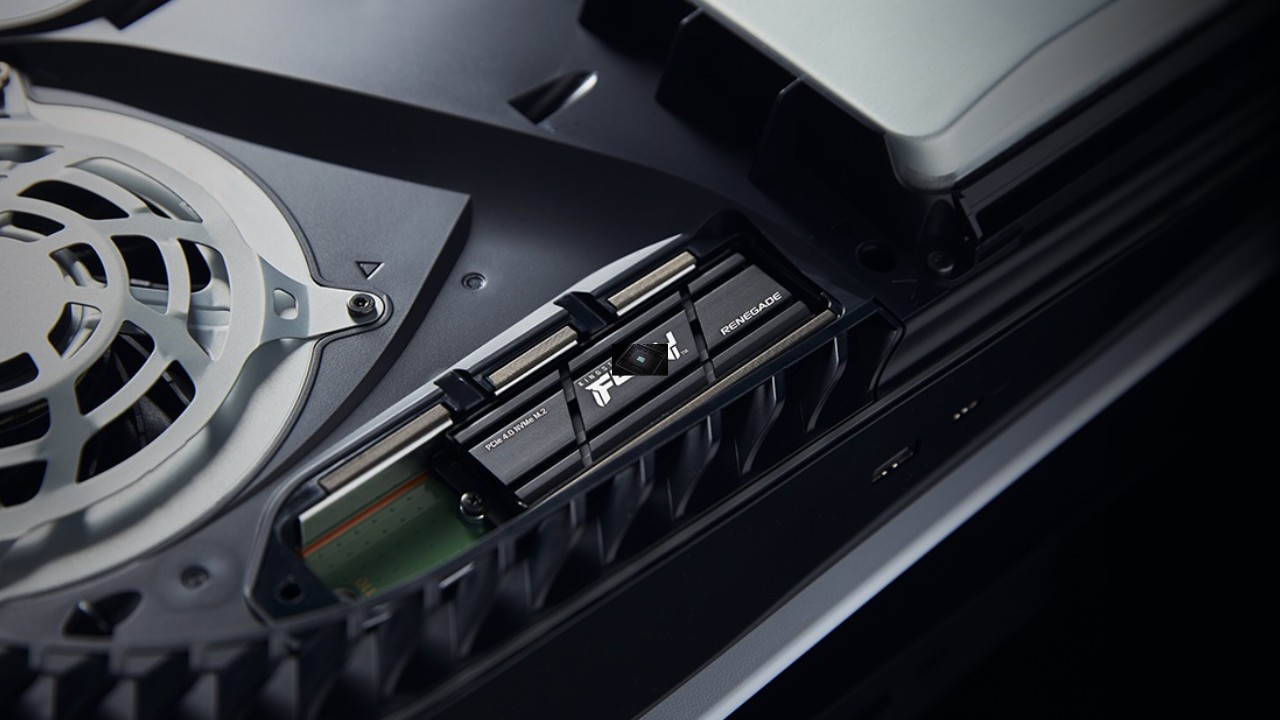
Three companies dominate the global DRAM market.
Samsung, SK Hynix and Micron are an oligopoly that supplies the world's DRAM memory and controls the lion's share of the market. DRAM is an important part of laptops, cell phones, servers, gaming PCs and new consoles like the PlayStation 5, so a big jump in the price of memory could ripple through the entire tech industry, affecting manufacturers and consumers alike.
When the price of DRAM goes up, companies typically either raise the price for consumers or cut hardware specs to preserve profit margins. This could affect the manufacturing costs of future PlayStation systems, accessories, and other consumer electronics in the gaming world. Instead of passing the entire increase on directly to buyers, companies may also cut memory capacities in entry-level devices or replace more expensive components.
The suit claims the limits on supplies increased prices.
The lawsuit alleges that Samsung, SK Hynix and Micron intentionally reduced conventional DRAM output beginning in about 2022, when memory demand softened and surplus stockpiles depressed prices. It is considered normal business practice to cut back production during market slowdowns. Still, critics say the lack of meaningful competition has allowed all three companies to profit from tighter supply and far higher prices.
The complaint alleges that production cuts led to price increases of up to 700 percent in DRAM prices over four years. Instead of competing by making more and charging less, each maker benefited from the lack of availability, leaving hardware firms with few alternative suppliers for one of the industry's key components, the suit alleges.
The demand for AI further tightened consumer DRAM supplies.
The rapid growth of artificial intelligence also reshaped the memory market. AI companies and large-scale data centers are investing heavily in advanced computing infrastructure. At the same time, manufacturers have increasingly shifted production toward High Bandwidth Memory, or HBM, which offers substantially higher profit margins.
The supply of traditional DRAM for consumer products further declined as a larger portion of manufacturing capacity moved to HBM. The shortage hit makers of gaming hardware, laptops, smartphones and other electronics, which could lead to higher manufacturing costs for companies like Sony, while keeping prices high for consumers of devices using conventional DRAM technology.
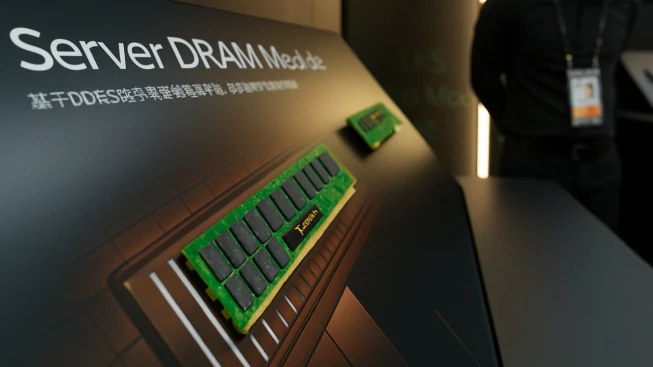
The history of the industry does not help growing concerns.
The lawsuit also references previous legal issues in the industry. Samsung, Hynix and Micron were involved in a major DRAM price fixing scandal in the late 1990s and early 2000s that resulted in hefty criminal fines and prison terms for some executives. That history has bred skepticism about what the companies are doing now in terms of production.
Manufacturers say recent pricing is in line with normal market dynamics, supply chain issues, and increased demand driven by artificial intelligence. But critics say the immense market share of only three companies gives them immense power over pricing and production, reducing the competitive pressure that would otherwise help stabilize memory prices.
The case could expose the true way memory prices are set.
The case has now entered a critical discovery phase where internal emails, production strategies, and company communications could become central pieces of evidence. The investigators will seek to determine whether the supply cuts were independent business decisions or coordinated efforts to limit competition and keep DRAM prices high industry-wide.
The lawsuit points to the awesome power that a few companies wield over critical technology components, though the legal process could take years to play out before a final resolution. Whatever the findings may be could have long-term implications for hardware manufacturers, including Sony, especially when shaping production costs for future products, including the PlayStation family and even possibly the PS6.
Editor, NoobFeed
Related News
No Data.