
Sony Swaps PS5 Hardware Sales Drive For Heavy Monetization
New comments from Sony leadership suggest the company is shifting its focus from selling more consoles to earning more revenue from its existing players.
PlayStation by Adeela Tas on Sep 08, 2026
It's getting increasingly difficult not to factor in Sony’s psychological state during this period of the PS5 era, after the company's CEO, Hiroki Totoki, recently made an announcement. Highlighting the console's life-cycle phase, Totoki emphasized that Sony has no need to market the PS5 aggressively now.
Instead, it should focus on generating steady income from existing customers, since over 125 million users play PlayStation each month. That strategy makes some business sense on paper. The PS5 has already built a huge audience, with more than 95 million consoles sold and around 125 million monthly active users cited in the discussion.
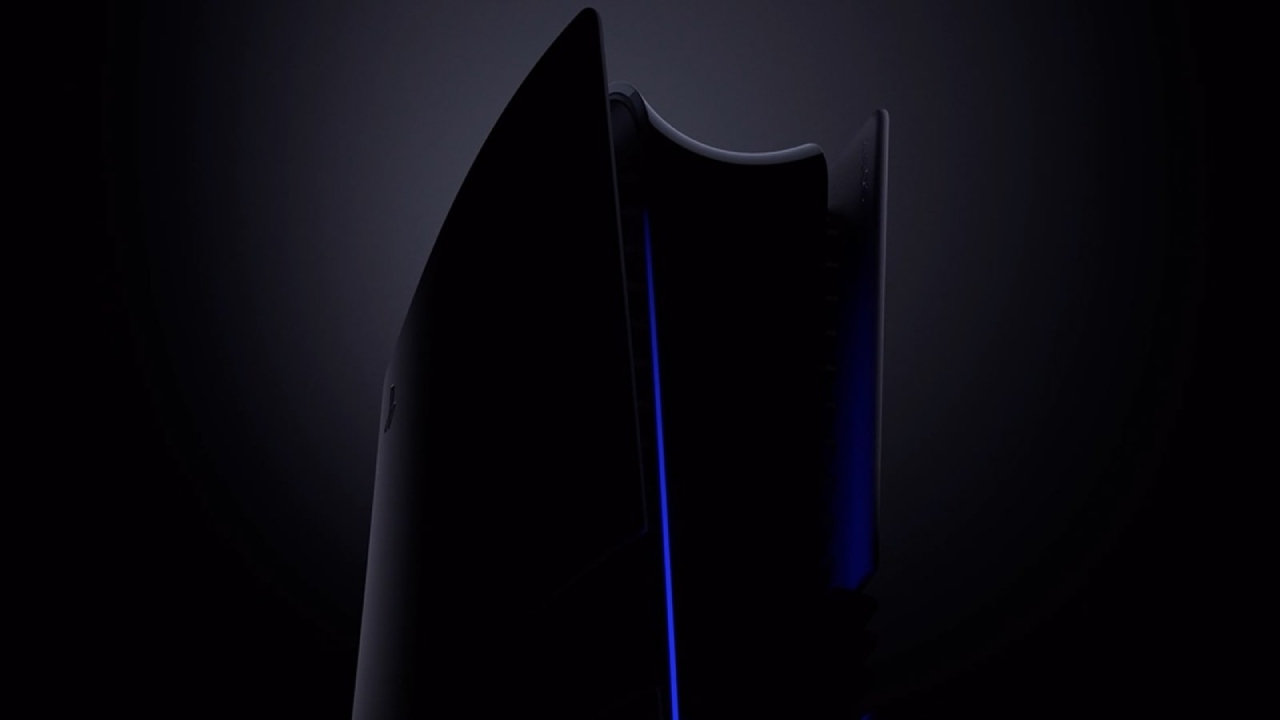
On the other hand, the PS5's price is becoming harder and harder to stomach, especially as the generation progresses.
Still, the message raises bigger concerns for you as a PlayStation fan. If Sony is no longer focused on bringing new people into the ecosystem, it raises questions about how much effort will go into giving those potential new players a reason to buy the console in the first place. The criticism goes beyond one statement, too.
Sony's broader strategy this generation has repeatedly appeared focused on what the company believes can generate long-term revenue rather than simply delivering the games its core audience has been requesting. A major part of that strategy has been live-service games.
Sony spent heavily in this area, acquired Bungie and worked with several other studios, while also redirecting some of its traditionally single-player teams toward multiplayer projects. The goal was clear: find a massive recurring hit that could generate revenue for years.
That plan has not gone smoothly. More than 10 live-service projects have reportedly been canceled, and Sony has also cut ties with outside teams and shut down studios that failed to produce the profitable live-service experience the company wanted.
The result has been a huge amount of money spent without delivering the expected wave of successful games.
For you, the frustration is not simply about wasted money. It is about what those resources could have produced instead. PlayStation has a long list of dormant franchises with audiences still waiting, including Jak and Daxter, Sly Cooper, Uncharted, and inFAMOUS. Japan Studio's closure also remains a sore point because of the creative projects that could have come out of that team.
That makes the PS5 situation feel less like a single bad decision and more like part of a larger pattern. Sony appears increasingly interested in extracting more value from its established audience, while the games that could strengthen that audience's loyalty have not always received the same attention.
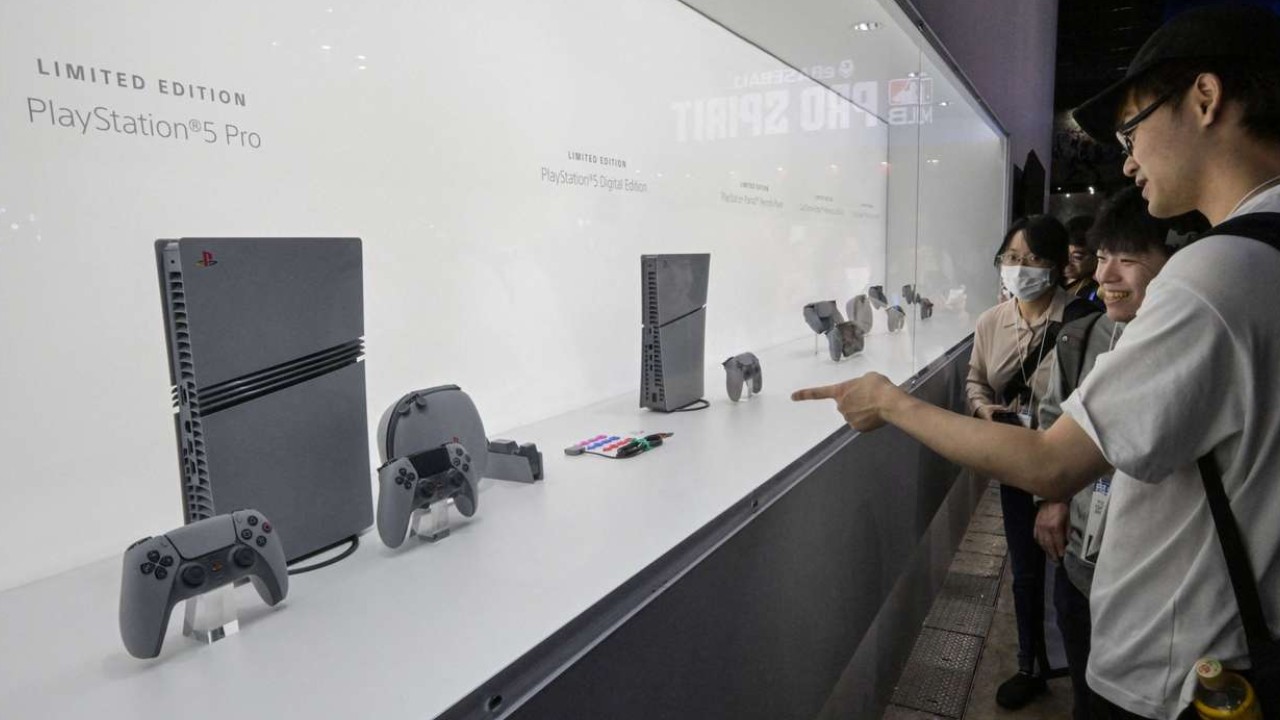
Another problem with that approach is momentum. Even if Sony is comfortable with the current PS5 install base, the company still needs to think about what happens when the next generation arrives. However, existing PlayStation owners will not get upgraded to PlayStation 6 automatically.
In any case, consumers' decision to purchase the next console will be based on their attitude towards the current PS5 generation, their relationship with it, and especially the games that represent this generation. This is exactly what makes Sony vulnerable.
A console priced at $1,000 or more would already face resistance, especially if it doesn't include a disc drive.
If the company also fails to build a strong exclusive lineup before the current generation ends, convincing existing players to make another expensive upgrade could become much harder. The PS3 offers a useful example of why momentum matters. That console struggled early, but Sony eventually built a strong exclusive library and finished the generation on a much better note.
That recovery goodwill helped carry the company into the PS4 era, especially when Microsoft faced major criticism around the XBOX One launch. Sony has its own chance, but it is not guaranteed that the player base will remain loyal forever. PS5 fans are out there, but keeping them will not be about profits alone.
The company needs games that make the platform feel worth owning. It needs reasons for current players to remain excited, and it needs enough momentum to make the next generation feel like a natural step rather than another expensive purchase.
Sony's leadership may believe the current audience is large enough to support the business for years, but that does not make future growth irrelevant. A generation can look successful on a sales chart while still leaving fans dissatisfied with the platform's direction.
.jpg)
For the PS5, the remaining years could therefore be more important than they appear.
Sony has already built a massive installed base, no small feat. But now comes the harder part: proving it can turn that audience into lasting goodwill and real, sustainable revenue, not just short-term numbers. If the company keeps prioritizing monetization while falling short on the exclusive, system-selling games that strengthen the platform's identity, the transition to PlayStation 6 could be far tougher than it needs to be.
The safest path forward is probably for Sony to close out the PS5 generation on a high note, with enough genuinely compelling games and trust-building decisions that players don't just tolerate the shift, but actively want to follow Sony into whatever comes next.
Editor, NoobFeed
Latest Articles
No Data.