
PS6 Costing Nearly $1,000, While Sony’s PSP 3 and Digital Future Raise More Questions
Leaked PS6 hardware details point to a seriously powerful console, while Sony’s rumored new handheld and shift away from discs could change how PlayStation games are bought and played.
PlayStation by Rahe Numa on Sep 08, 2026
PS6 hasn't been officially announced yet, but rumors about Sony's next console are already everywhere. If even some of these reports are true, the next PlayStation could be very different from what we're used to. The biggest talking point right now is the potential price.
A recent estimate suggests it might cost Sony about $960 to build the PS6. Unsurprisingly, this has sparked headlines about a possible $1,000 price tag. But remember, $960 isn't the confirmed retail price for the PS6.
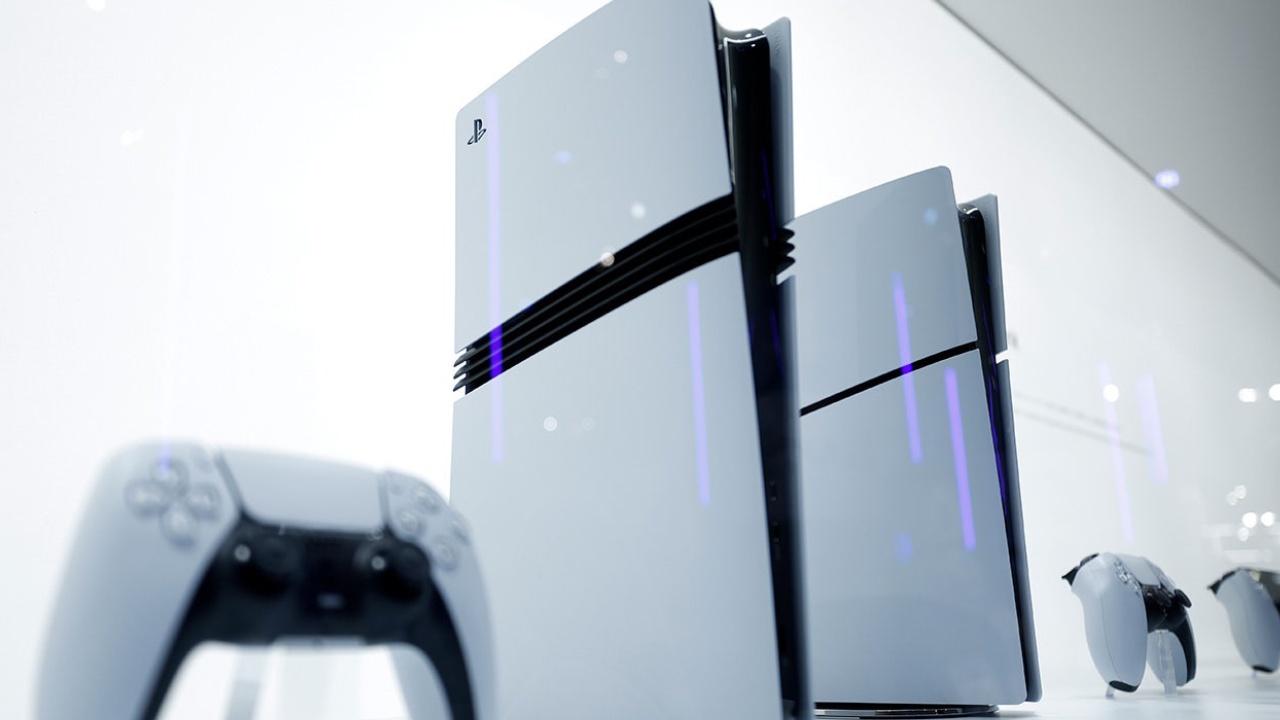
That number is just an estimate of Sony's hardware costs.
When you factor in distribution, marketing, and retailer markups, the final price can look very different. Still, it does make you wonder what Sony is packing into this machine. A PS6 that might be seriously expensive. Current reports suggest Sony's next console could feature a powerful AMD-based setup, ample high-speed memory, and a 1TB SSD.
One rumor suggests PS6 will have about 30GB of GDDR7 memory, a big leap from what the PS5 offers. That's where things start getting interesting. Modern games are becoming more demanding. Modern games need more power than ever. Features like higher-resolution graphics, advanced lighting, ray tracing, and AI rendering all require more powerful hardware.
Sony obviously doesn't want the PS6 to feel like just a small step up from the PS5. Advanced processors and large storage capacity can quickly drive up manufacturing costs. That's reportedly one reason the estimated PS6 bill of materials has climbed from earlier figures.
If Sony really faces a $960 manufacturing cost, it faces a tough choice. Should Sony sell the console at a loss or with a tiny profit to keep the launch price reasonable? Or should it accept that the PS6 will be a premium product? Neither option is especially appealing.
Consumers are willing to pay more for a premium console, especially with the PS5 Pro.
But there's a huge psychological difference between paying several hundred dollars for a console and seeing a PlayStation system approach the $1,000 mark. That could make it a tough sell for many people. Then there's the rumored PSP 3. Sony might not be focusing all its next-gen hardware plans on the living room.
Rumors also point to a new PlayStation handheld, sometimes called the PSP 3 or PS6 Portable. Supposedly, it's being developed under the codename Canis.s.If these reports are true, this won't just be another PlayStation Portal-style device. That's a key difference.
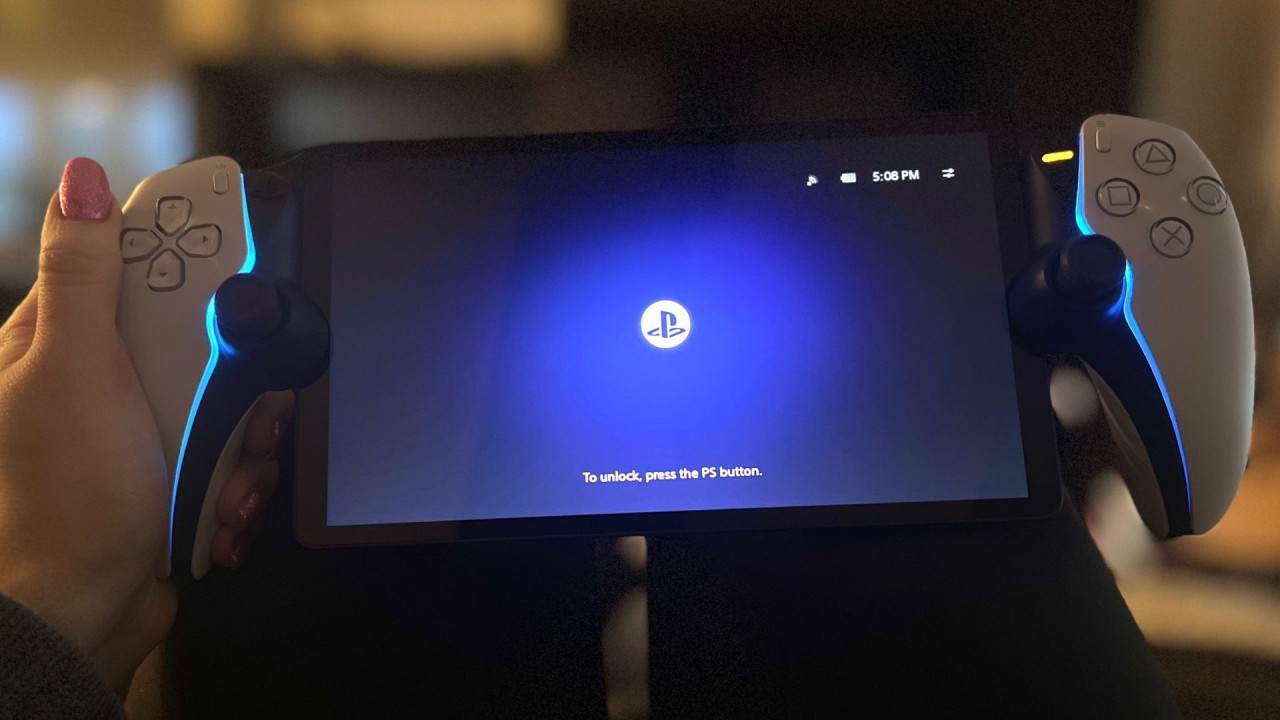
The PlayStation Portal is primarily built around Remote Play. The PlayStation Portal mainly relies on Remote Play and cloud gaming. A true next-gen handheld would reportedly run games locally, offering a more classic portable PlayStation experience.
Reports point to a 3nm AMD processor with a power target of about 15W. Other possible specs include a big unified memory pool and fast NVMe storage. The challenge, of course, is battery life. You can add powerful hardware to a handheld, but you can't ignore heat and battery drain. A device that lasts only 45 minutes before needing a charge won't be a hit.
So Sony needs to find the right balance between performance and efficiency.
If Sony pulls that off, the result could be really interesting. Imagine a PlayStation handheld that can run many of the same games as the PS6. That would give Sony something it hasn't had since the PS Vita: a real portable gaming platform that's closely tied to the main PlayStation ecosystem.
Could the PS6 and PSP 3 handheld work together? This is where the rumors get more interesting than just the specs. Sony might build its next generation around several devices instead of just one console. Or it could offer maximum performance at home, while the handheld targets players who want to take their games on the go.
Some reports even suggest the handheld could get a performance boost when docked. Humor territory, but the idea makes sense. Nintendo has already shown how popular hybrid gaming devices can be, and the success of the Steam Deck and ROG Ally proves there's a real market for portable gaming hardware. Need to copy either approach.
It could create its own version, with the PlayStation ecosystem at the center. Or a change that could have an even bigger impact on consumers. Physical games might be on their way out. No Discs, cheaper Games? This might be the most important part of Sony's rumored strategy.
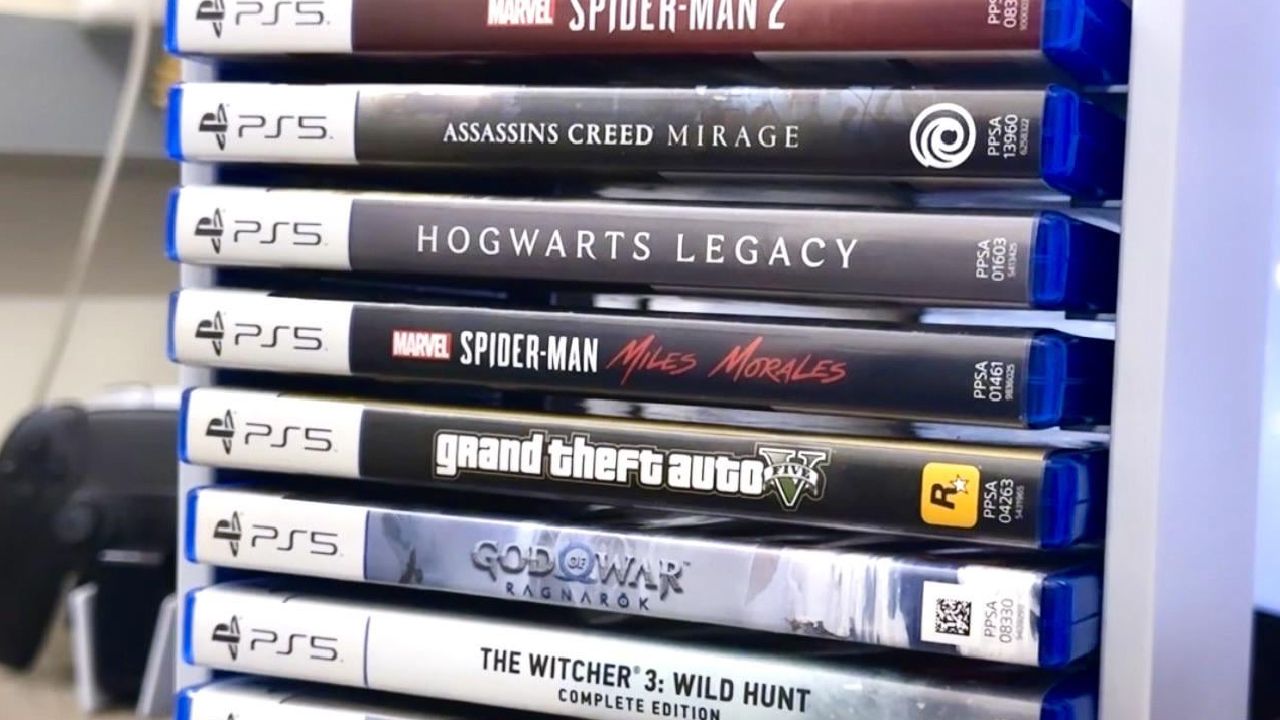
Sony is moving more toward digital distribution, and some reports say the company plans to stop making physical game discs for new PlayStation releases starting in 2028.
For some, that's not a big deal. If you already buy all your games digitally, nothing really changes. For everyone else, losing physical games means losing something important. They can be bought second-hand. They can be traded with friends. You can sell them when you're finished. Retailers can discount them to clear stock.
A digital purchase. Digital purchases don't work the same way. Buy through the PlayStation Store, and you're essentially locked into Sony's ecosystem. So it's easy to think that eliminating physical competition would lead to higher digital prices. Jacob Navok, former Director of Business Development at Square Enix, has made a surprisingly different argument.
According to Navok, a digital-only PlayStation marketplace could eventually make games cheaper, since publishers would have to compete harder for attention in the PlayStation Store. PC gaming works. Older games regularly receive huge discounts, publishers try out different pricing, and thousands of titles compete for your attention.
A game doesn't have to stay at its launch price just because there's no physical copy on a shelf. But there's a big catch. Digital competition doesn't, but it comes with a big catch: prices. Just because publishers compete digitally doesn't mean prices will automatically drop. Publishers still decide how much their games cost.
Without physical retailers and the second-hand market as alternatives, consumers would have fewer ways to avoid the official digital price.
That's why losing physical games is such a tricky issue. For a shipment, you don't need to swap discs, and you can download the game within seconds of purchasing it. But don't forget that convenience comes with a trade-off. You don't get the same kind of ownership flexibility you do with a physical copy.
And that matters even more when games disappear from stores or online services eventually shut down. Whether Sony's digital future is good or bad for consumers will probably depend on one thing: how competitive the PlayStation Store actually becomes.
If publishers keep competing with discounts, bundles, and aggressive pricing, players could benefit. If publishers keep competing with discounts, bundles, and aggressive pricing, players could benefit. If releases remain expensive, consumers could end up missing out on physical games far more than they expected.
Sony's next generation is starting to look very different: you start to see a much bigger picture. The PS6 is a very powerful and expensive console. serious return to dedicated handheld gaming. Sony's shift toward digital distribution could fundamentally change how people buy PlayStation games.
And that shift could completely change how people buy PlayStation games.
Sony hasn't officially revealed the PS6, confirmed these rumored specifications, or announced a retail price. The same goes for the handheld. But the direction of the rumors is fascinating: a future where the hardware is more powerful, the ecosystem is more connected, and physical media plays a much smaller role.
The big question isn't whether the PS6 will cost exactly $1,000.Sony thinks consumers will pay for the next generation of PlayStation. If the hardware really is as ambitious as these reports suggest, Sony might have to choose between losing money on each console or asking customers to pay a premium to drive digital game sales; the company could be building something much bigger than just another console generation.
For PlayStation fans, that's both exciting and a bit worrying. Handhelds sound great.
Editor, NoobFeed
Latest Articles
No Data.