
Sony PS6 Pricing Strategy Revealed as Hardware Costs Begin to Drop
Rising console prices and shifting hardware costs reshape expectations for next generation PlayStation launch pricing strategy.
Hardware by Nahe Yan on Apr 03, 2026
Everyone is getting ready for a $1,000 PlayStation, but it might end up costing less. Prices in the gaming business have been all over the place, especially since the PS5 and PS5 Pro prices went up recently. Not long after such price shifts, advances in AI efficiency and lower RAM demand drove hardware prices down. It looks like the earlier price hikes may have been planned in advance, so prices could change later if they stay the same.
Even though the prices were higher, many people rushed to buy PS5 Pro systems. Instead of focusing on games, purchasers either upgraded from the base PS5 or bought the Pro completely. People are doing this because they want to get a console before big releases.
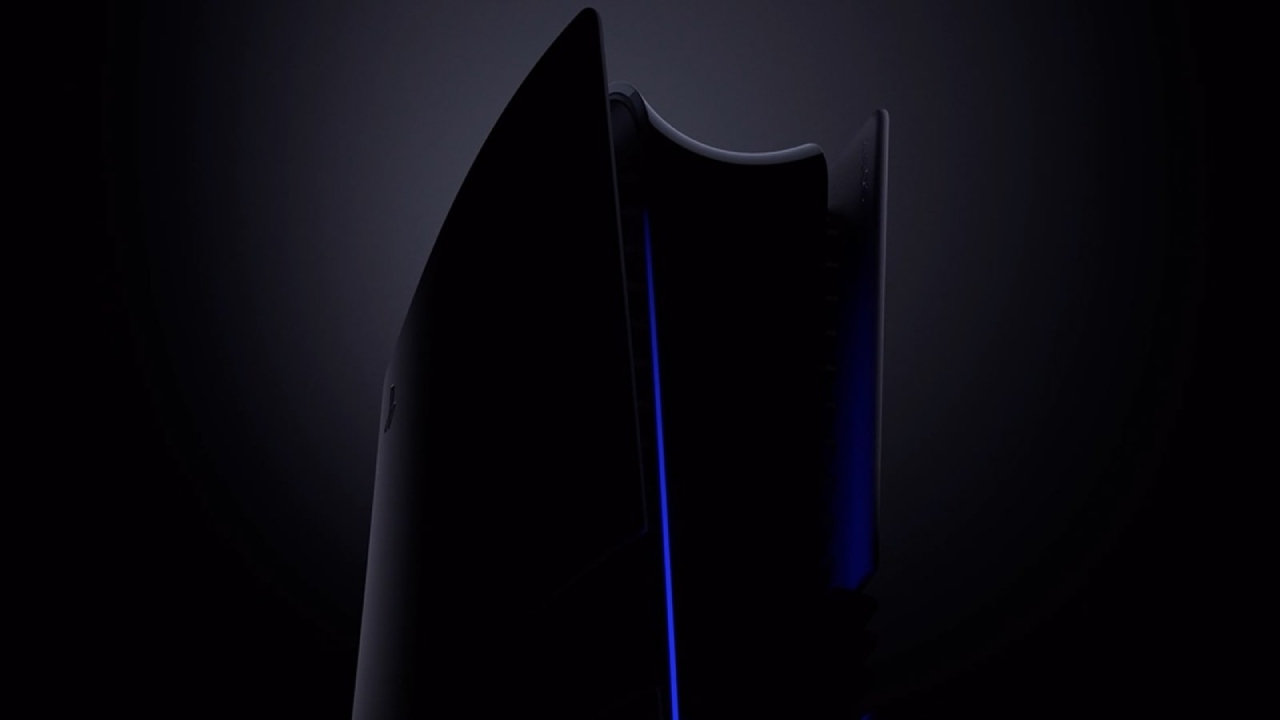
Expectations for PS6 Prices and Changes in the Market
It's normal to be worried about a $1,000 PS6. Different hardware solutions are pushing for better performance, and some estimates suggest prices will remain similar. But history shows that very high launch prices can cause problems. Earlier generations needed to make changes over time to reach a more reasonable price. That event still affects decisions made now.
The total cost of the PS6 parts is estimated at a little over $700. If Sony sticks to its past pricing, the system might come out at $699. That price would be in line with prior trends and help maintain the company's market position. Even though it's higher than in the past, it's more acceptable given the sector's broader developments. Other types of hardware and software have already moved into price ranges that are the same or higher.
A possible structure might be like past versions, with a base version costing $699 and a more expensive version including a disc drive. A lot more people are using digital versions now, with about 75% of players choosing to download games rather than buy physical copies. That change is still affecting how prices are set and how products are made.
Expectations for Release Window and Hardware
PS6 is still scheduled to come out around 2027. There have been rumors of delays, but several sources say that development is going as planned. There's little need to delay the launch further if the hardware parts are ready.
Compared to past generations, the launch time may not be as stable. Changes in the market and limited supply could affect availability. At the same time, many people might want to keep their current consoles longer, especially those who just got the PS5 Pro.
Expectations for performance predict a big gain over the present PS5, maybe even doubling its capabilities. Even compared to the PS5 Pro, increases could reach 50%. But CPU performance remains a major issue that needs to be addressed, as it continues to hold back console performance compared to mid-range PCs.
Sony's Promise to Console Exclusives Sony's strategy is still shaped by how it handles exclusives. People have been talking about whether more games will come to PC, but right now, it looks like the focus will stay on console-first releases. If a game isn't a live service or multiplayer game, the PC versions might not be the most important ones.
Players react differently to this method. Some people prefer access to more platforms, while others prefer access to only one. From one perspective, exclusives strengthen a platform's identity and motivate people to invest in the ecosystem. On the other hand, they make it harder to get to.
You might observe that exclusive titles often generate new ideas and affect the entire business. Platform-specific updates have led to significant improvements over the last few years. At the same time, expanding to PC can help you reach more people, but it might make people less likely to buy a console.
In the end, it looks like the path is clear. Sony is still putting its console environment first, and it doesn't look like that will change anytime soon.
Gameplay in Crimson Desert
Crimson Desert is a big open-world game, although the first few hours can feel slow. The first 10 to 12 hours are mostly about setting things up, and you can't move on until you finish several chapters. Around the fourth chapter, the game starts to make more sense.
Exploration gets more interesting when systems open up. Things like riddles, interacting with the environment, and skill growth start to come together. For instance, employing tools like fire to solve cave problems makes the game more interactive and gives players greater rewards.
The pace doesn't work for everyone. A long introduction can be hard, especially in a category with many identical books. But when you look at the whole game, the first few hours are only a minor part of the whole experience.
You might like how the mechanics are introduced slowly, as it keeps the player from getting overwhelmed at first. At the same time, the game gives you more flexibility later on, moving toward unfettered exploration and experimentation.
The design philosophy also differs from that of previous games. Some games provide you with constant help and directions, while Crimson Desert is more about finding things out after the first part. A lot of the experience is defined by this balance between structure and freedom.
Final Thoughts
The future of games is still being shaped by how much things cost, what people expect from devices, and how platforms are used. There are still some unknowns, but the PS6 is likely to launch in 2027 and cost around $699 at launch. On the other hand, Sony's commitment to console-only games and new ways to make games shows that the business is always shifting.
Also, check our other hardware articles:
- AMD Ryzen 9 9950X3D Review: Setting The Standard For 2025 Gaming CPU
- Amazon Luna 2025 Review: Is Prime Gaming's Cloud Service Your Go-To For Casual Fun?
- AMD RX 9070 XT Review: AMD's RDNA 4 Champion for 1440p Gaming
- GeForce Now Ultimate: Ditching Your Gaming PC For Cloud RTX 4080 Power?
- NVIDIA GeForce RTX 5080 Review (2025): Still A 4K Gaming Powerhouse?
- Intel Core Ultra 9 285K Review And Performance Breakdown (2025)
- AMD Ryzen 7 9800X3D Review: 3D V-Cache Goes God Mode with Stunning Gaming Performance
- Intel Core Ultra 9 285K vs AMD Ryzen 7 9800X3D: In-Depth Gaming Performance and Benchmark Comparison
- NVIDIA GeForce RTX 5080 Super Performance In Cyberpunk 2077: Path Tracing & DLSS 4.0 Tested
- AMD Radeon RX 9070 XT In Cyberpunk 2077: Ray Tracing & FSR 4.0 Tested
- Intel Arc B580 Review: The $250 GPU Revolutionizing 1440p Gaming
- Intel Arc B570 Vs. B580: Value, Specs, And Real-World Gaming Performance
- RTX 5090 Laptop Vs. M4 Max MacBook Pro: Ultimate Raw Performance Vs. Battery Endurance
- Intel Arc b580 Vs. RTX 4060: Game Performance And Value Analysis
- RTX5090 Hell Is Us Demo 4K Ultra Benchmark: DLSS Vs. Native Performance Guide
- NVIDIA RTX 5070 Review: Mid-Range Muscle or Marketing Hype?
- Nintendo Switch 2 Review: Handheld Performance, Features & Value Breakdown
- RTX 5070 Ti Review: Performance, Thermals & Power Efficiency Tested
- Samsung Odyssey OLED G81SF Review 2025: Ultimate 32-Inch QD-OLED Gaming Monitor
- AMD RX 9070 Performance Review: Thermals, Clocks, and Real-World FPS
- AMD Ryzen 5 7600 Review: Best Budget Gaming CPU of 2025?
- AMD Radeon RX 7800 XT Review: RDNA 3 Power For Midrange Gaming
- Asus ROG RTX 5090 Astral OC Vs. Founders Edition: The 4K Gaming Benchmark
Editor, NoobFeed
Gaming Hardware Updates
No Data.