
Why Final Fantasy VII Remake Part 3 Could Become Square Enix’s Most Complete RPG
Final Fantasy VII Remake Part 3 is being developed as the definitive and most ambitious chapter of the trilogy.
News by Nami Tanaka on Jan 25, 2026
People are already calling Final Fantasy VII Remake Part 3 the most ambitious game in the series, and what we know about it so far suggests that it will be bigger, deeper, and have more content than both Remake and Rebirth put together. Expanded systems, activities that are part of the story, and plans for large-scale customization make it seem like this isn't just the last chapter but a carefully built peak that will bring the whole remake project together into one final experience.
Statements from the development team make it clear that Part 3 is being developed to be the most complete version of the Final Fantasy VII world yet. Instead of just ending the story, the game is built around immersion, allowing players to live in the world through multiple levels of gameplay, side content, and meaningful customization.

This direction aligns with a larger design theory that has been developing over the course of the trilogy and now seems fully realized. The return of Queen's Blood is one of the best examples of this method in action When it was first released in Rebirth, the card-based minigame quickly went from being a simple distraction to a full-fledged system with its own tactics, levels, and story elements.
As we saw in Part 3, it was called "powered-up," which definitely suggests a big growth. Queen's Blood is likely to get new cards, rules, game modes, and more advanced progression systems. This will make it an important part of the whole experience, rather than just extra content you can skip.
We can see how this fits into Square Enix's broader goal of getting players to spend real time in the world without straying too far from the main story.
Queen's Blood already had its own story and quest chain in Rebirth. In Part 3, that idea seems poised to grow into a much larger web of linked side stories. You should be able to spend hours on this system and still feel like it fits in with the narrative scheme as a whole.
This growth is not happening on its own. This is another example of how Part 3 wants to combine old and new stories: the famous snowboarding minigame from the first Final Fantasy VII is back. Minigames in earlier versions were often used as separate distractions. In Part 3, snowboarding is intended to be directly connected to the story.
These scenes are being planned to align with specific character moments, emotional beats, or major plot developments. This will make them more like story tools instead of just arcade-style breaks. This update demonstrates how the minigames in the Square Enix franchise have changed throughout time.
Things like riding are now used to set the story's rhythm and tone rather than taking players out of it. You're not only undertaking a challenge to obtain a reward; you're also taking part in periods that are meaningful to you emotionally or thematically. This strategy strengthens the game's cinematic flow and helps you stay in the game, especially during lighter or more entertaining moments.
Part 3 is said to be the most in-depth of the three, extending beyond just the systems. Interviews with the development team consistently show that there are many more side activities, personalization options, and ways to progress in the game. The goal is to make the structure for optional materials more open and to include new weapons, clothing, and cosmetic items. It's not enough to just add more systems; each one needs to bring something important to how players interact with the world.
There is no doubt that the outfit system is one of the boldest additions
Part 3 won't just let you switch costumes; you'll be able to change the style, color, and other visual aspects of each outfit in great detail. This means outfits are no longer fixed patterns but adaptable ways to make things your own. Reports say hundreds of possible combos are being considered, with unique costume sets for each character.
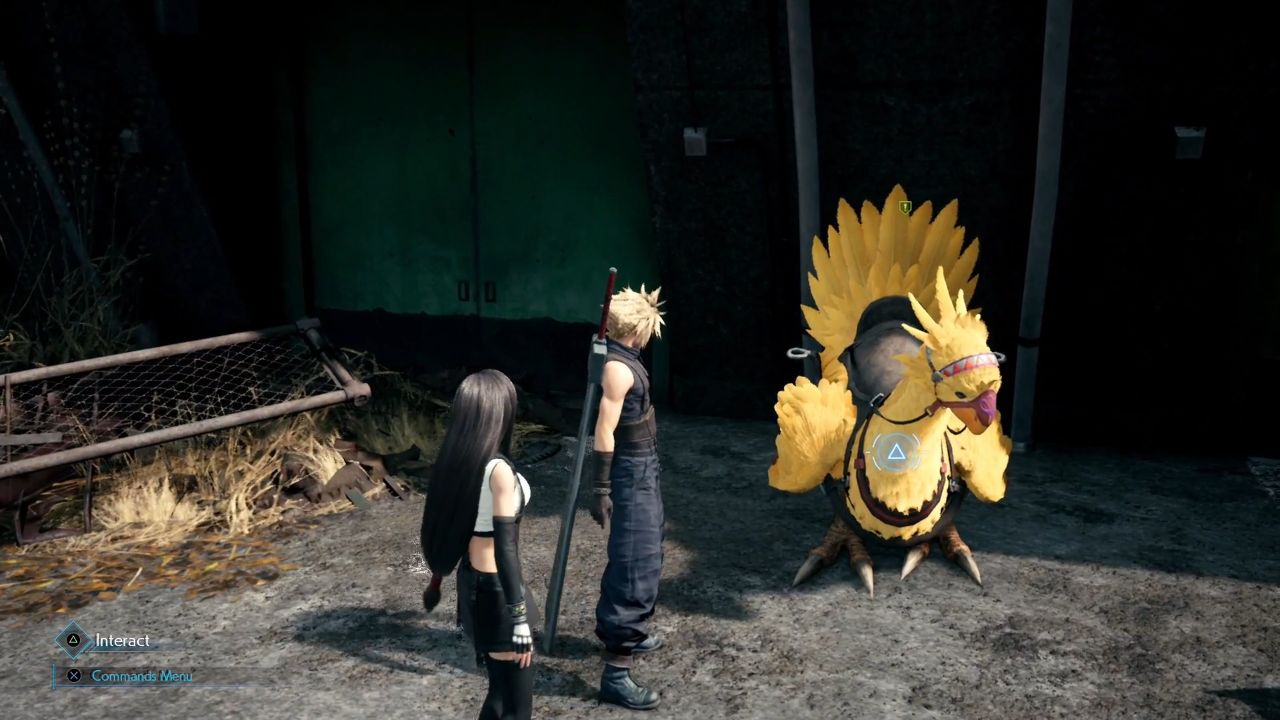
We can already see how this level of customization lets players connect more deeply with one another. What you choose about how Cloud, Tifa, Aerith, Barret, and the rest of the group look affects how you understand the story. A more standard look that's inspired by SOLDIER can send a certain tone, while a more modern or experimental style can show how the story moves forward. These choices about how to show things become part of the story, not just for looks.
This customization is not just for the big party, which is very important. As side content grows, more characters and optional interactions should get the same amount of care. This supports the idea that Part 3 isn't just making the game bigger but also improving the overall environment. Visual variety becomes a way for people around the world to talk about growth, change, and uniqueness.
A lot of work is also being done to improve weapon systems. Having more weapons isn't just about getting better stats; it also changes how you play and what part you play as a character. In both Remake and Rebirth, each weapon already had its own set of skills and way of playing. Part 3 is supposed to take this even further by letting players give each character a clearer job and try out more specialized builds.
This change points to a fighting system that is more adaptable and personal
This change points to a fighting system that is more adaptable and personal. You will probably be able to stress aggressive, defensive, or support-focused playstyles more clearly. This will make choosing the composition of your party a more important strategic choice.
Each character's weapon shows how you want them to work with the team, which makes long-term choices about progression even more important. Side material is a big part of making this depth work. It was common for extra quests in Rebirth to directly help build characters and the world.
This method looks like it will go even further in Part 3. Side content is being crafted to better align with the main story, reducing the gap between optional tasks and the main story's progression. We can see how this changes the speed. Players who want to learn more about each system will not feel rushed, and players who want to focus on the main story will not have to deal with too many interruptions. Part 3 can be played in many ways, appealing to both completionists and story-driven players.
A big part of this balance is how systems like Queen's Blood work together. Players can get more involved with the rules of expanded minigames while still staying connected to the story world. These methods are like pressure valves; they let you focus and plan during slower parts of the story without breaking the flow.
This idea is strengthened by the way stories are used in snowboarding. The game keeps going while giving players a lot of different things to do by directly connecting game mechanics to mental changes and important events. To play a minigame, you are not taking your attention away from the story; you are just interacting with the story in a different way. This method improves the film quality that has become a trademark of the remake series.
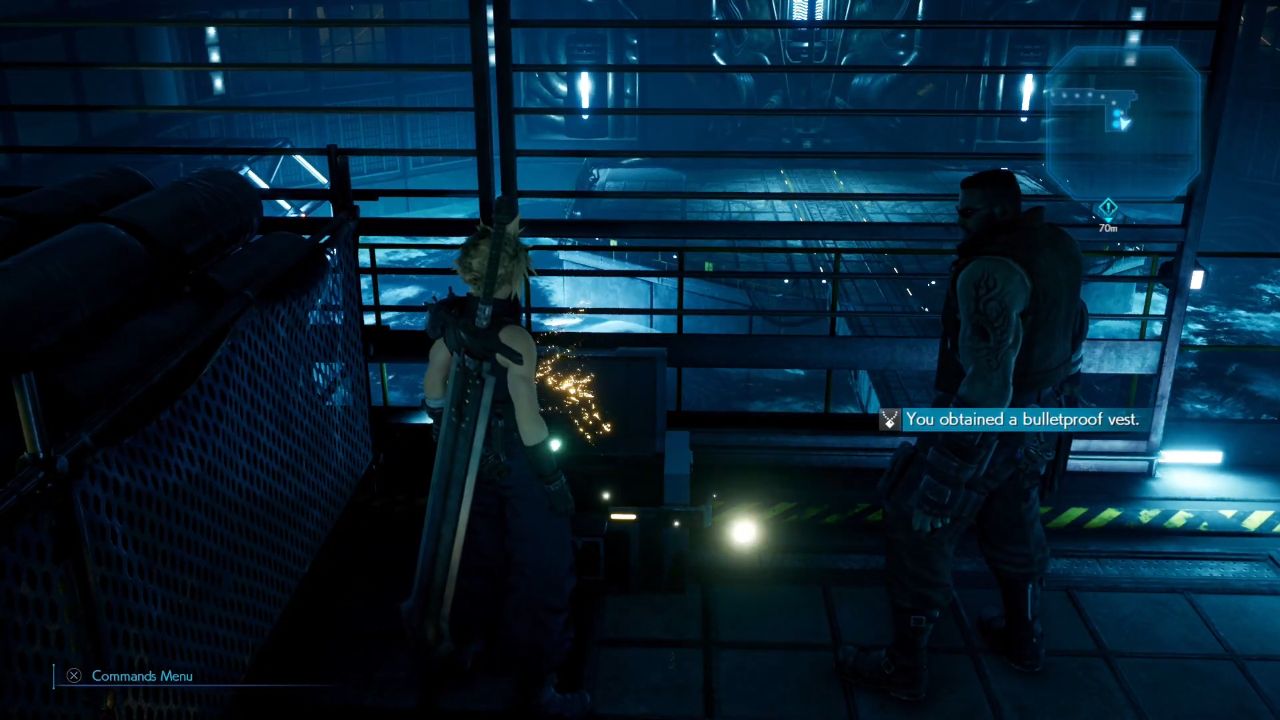
It's clear that Part 3 is meant to be more than just the end when you look at all of these things together. It's supposed to show that the remake project's idea has come true in every way. The story, game mechanics, customization, side content, and nostalgia are all combined into a single experience meant to be full in every way.
One of the most interesting aspects of this philosophy is its strong emphasis on freedom
You can no longer approach character growth, equipment choices, and how you look as separate things. They all operate together as one system, and every choice changes how the game feels and how the tale is perceived. The costumes of the characters tell you who they are, and the weapons and skills they have tell you what they do in battle and how they fit into the story.
This amount of freedom makes the game much more fun to play again and again. Depending on the customization options, side quests, and progress tracks you choose, each playthrough can be very different from the last. This is made even stronger by added features like Queen's Blood, which turns Part 3 into a collection of linked game experiences instead of a linear RPG with optional side quests.
Individual characters become more important as battle systems get more complex. Different weapon types and larger skill trees make players think more about how to assemble their parties and assign roles. Characters can shine in certain scenarios when their playstyles are more clearly defined. This makes strategic decisions feel important instead of interchangeable.
Customization also makes the player feel more connected to the world. There are cosmetic choices in Final Fantasy VII that let players make their own experience, so no two journeys are exactly the same. Even if two players use the same characters, their visual and play styles could end up very different. This strengthens the sense of ownership over the experience.
Adding sports like snowboarding to a story makes it even more emotional. Final Fantasy VII is known for its intense, sometimes sad parts. Giving players a way to actually take part in these moments through gameplay, rather than just watching them, makes them more powerful. You aren't just watching the story happen; you are becoming a part of it.
All of these details make it clear that Final Fantasy VII Remake Part 3 is meant to be the last part of the series and the end of everything that has been built up to this point. If the lofty goals the developers have talked about come true, Part 3 could be one of the biggest RPGs Square Enix has ever made, both in terms of content and system depth.
Part 3 aims to make the whole thing into a full and unforgettable experience
This long-term planning shows that they want to give the story an ending that lives up to the legacy of the original game. No longer is the project seen as just a remake; it is seen as a new story meant to define an age. Remake set the stage; Rebirth built on it and made it better.
The amount of time spent playing will likely vary widely depending on how much players interact with optional content. People who only care about the main story will have a simpler time, but those who look into the side tasks, customization options, and minigames will find a lot more to do. This gives the game a lot of depth without making it too easy to play.
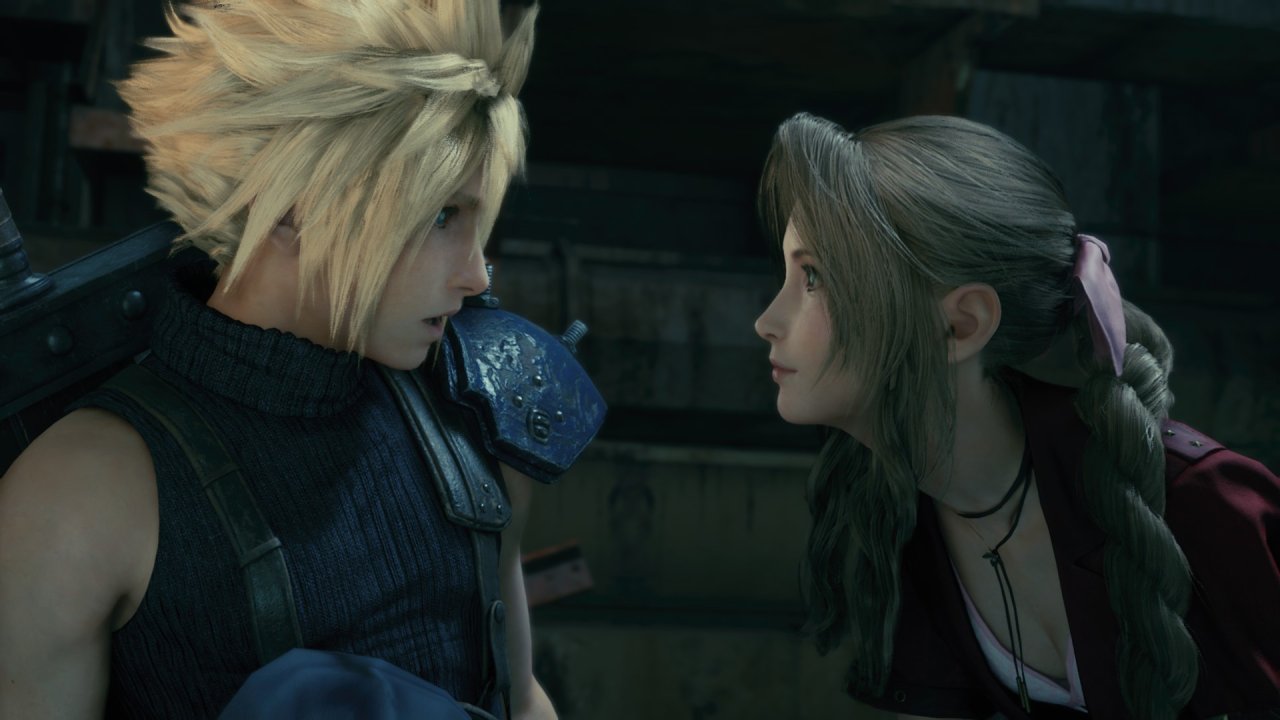
The stories behind clothes and makeup are also important. When characters undergo emotional changes and face hard choices, the way they are drawn can gently reveal those changes. In Part 3, clothes are being made to support this type of visual storytelling. This way, changes in appearance can show growth and development without using words.
The idea behind weapon development is similar. Instead of just being upgrades, new guns are meant to feel like important steps in a character's journey. This method builds on systems from earlier games, but the finale should feel more mature and polished.
With side quests, the world feels even more like it's alive. Smaller stories, character-focused moments, and more lore make players feel more connected to the world beyond the main plot. In Part 3, optional material should be important not only in a practical sense, but also in an emotional one.
To keep the rhythm going, expanded systems like Queen's Blood are also very important. Between intense story times, players can complete strategic, mind-bending tasks that provide a break without losing focus. The game's design theory is clear because these systems are treated as core components rather than extras.
Final Fantasy VII Remake Part 3 looks like it will be one of the biggest and most ambitious RPG projects Square Enix has ever worked on, based on the information we have so far. The ending is meant to be memorable and give players the fullest experience of the Final Fantasy VII world so far. It will feature more minigames, more customization options, and a world layout with many levels.
Moderator, NoobFeed
Related News
No Data.