
Micron's Shock Exit From Consumer Memory Sparks Industry Jitters
As demand for AI consumes all the attention of major manufacturers, Micron's decision to stop making consumer RAM and SSDs could change prices, supply, and the next version of gaming hardware.
News by Nusrat Choity on Dec 04, 2025
The tech industry was hit hard by Micron's news that it is leaving the consumer memory business. It's one of those events that makes everyone in the PC market sit up and wonder what will happen next. Crucial-branded RAM and SSDs have been in millions of computers around the world for decades and can be found in stores and online. Now, the sources say that Micron has said that it will stop shipping consumer goods by the end of fiscal Q2 2026. The change may have come as a surprise to regular people, but behind the scenes, it's part of a much bigger trend: AI is changing everything from chip design to corporate goals.
Micron stated in an official statement that it will stop selling all Crucial consumer-branded products at stores and distributors around the world. This includes the well-known Crucial DDR memory lines, the well-known MX and P-series SSDs, and a huge number of NVMe products that have been used for a long time as the best way to fix old PCs.
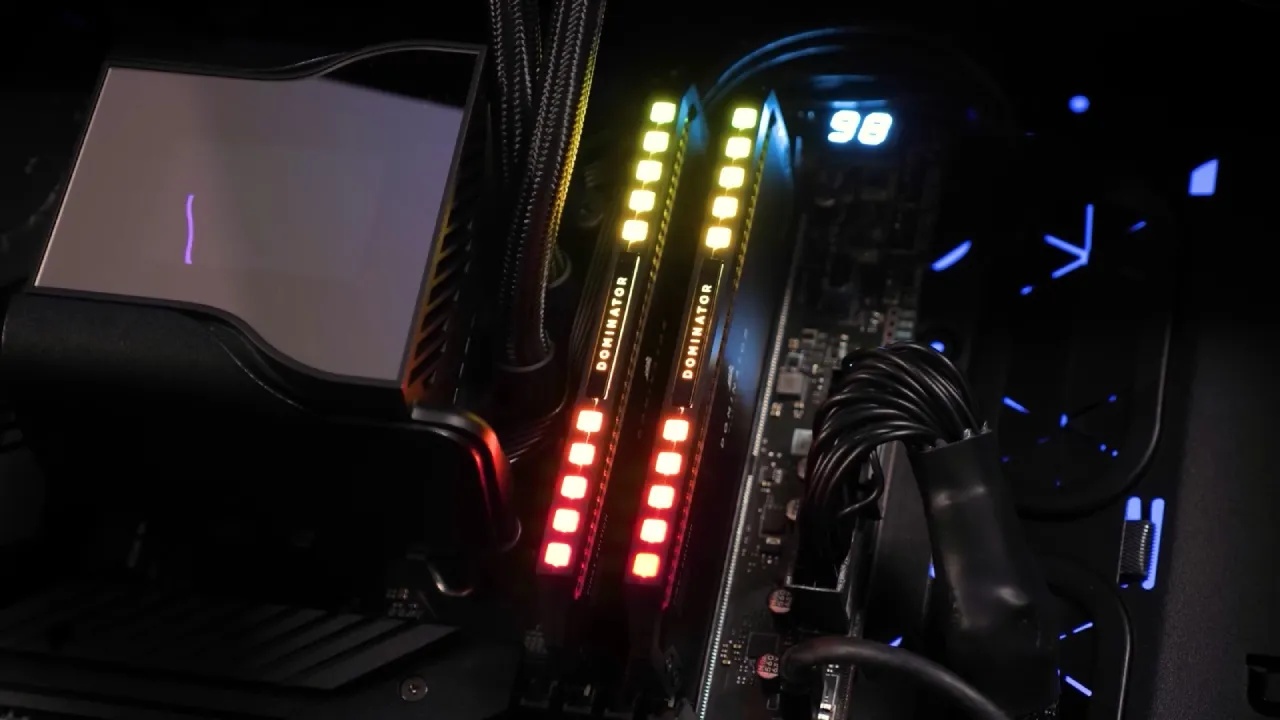
The company said that guaranteed support would continue, but it's clear that Micron is moving away from regular PC buyers and toward high-volume, high-margin business clients. A huge wave of demand has been caused by the rise of AI data centers, and old product lines are being thrown out.
AI isn't just a trend anymore; it's a huge source of energy that powers the whole chip business. While gamers argue about GPU prices and SSD speeds, clients in the data center are setting up racks of computers that use a lot of memory. Sources say that all three of the world's biggest memory companies—Micron, Samsung, and SK Hynix—are going after this rocket-fueled market.
Samsung and SK Hynix have already said they will be putting a lot of money into AI-focused production, such as making next-generation DRAM and advanced storage hardware that works best with machine learning tasks. Consumer RAM aisles at local stores just can't compete in a market where AI contracts offer steady income, set numbers, and higher prices.
Micron's move confirms what people in the industry have been saying for years: the consumer DDR5 and SSD markets are becoming more unstable. There are a lot of changes in prices and supplies, and profit margins are getting smaller. Compared to that uncertainty, AI infrastructure is like a gold mine. Companies that are building cloud-based supercomputers keep ordering them.
Micron's leaders even said that the move is meant to "improve supply and support for larger strategic customers in faster-growing segments." This is a clear nod to enterprise AI clients who need more and more hardware.
But this change has effects that go far beyond PC fans building new computers. A huge number of RAM modules and SSDs in pre-built PCs, laptops, and even game consoles are made with Micron memory chips. The memory market shrinks quickly when one of the three global giants pulls out of consumer outlets. Prices tend to go up when there are fewer sellers because there is less competition. Users have already noticed that 32 GB RAM kits can cost as much or more than whole game systems.
Since Micron is leaving the market, the balance may change even more, especially if Samsung and SK Hynix keep putting more emphasis on AI than on retail inventory.
.jpg)
It's especially important to think about how this might affect future platforms. Memory contracts are made years before a system comes out, whether it's from Sony, Microsoft, or Nintendo. Companies may have to deal with higher component prices or fewer choices when it comes to memory types if there are fewer manufacturers willing to bid.
If there are changes or shortages in production, they could have an indirect effect on systems that are already out there. The gaming business is already having a hard time with hardware prices going up, and this new development adds another factor to an already complicated picture.
On the PC side, builders and upgraders may soon have to deal with less cheap RAM and more expensive kits with a lot of memory. Crucial products are becoming less common, which takes away a major value-oriented choice. Samsung and SK Hynix are now the two biggest names in consumer memory. If both companies keep going in the same direction as Micron and keep putting AI users first, PC hobbyists may have fewer options and higher prices, which is something that no one has been looking forward to.
Micron's choice also shows a quiet but growing trend: the line between personal tech and business infrastructure is blurring. Companies are designing, pricing, and allocating resources based on the needs of huge data centers rather than the needs of individual PC users as AI's effect grows.
In the future, there may be times when the availability of consumer hardware relies on AI investment cycles and cloud server growth rather than when new games come out. For a market that used to love competition and quick changes, this is a big change in what's important.
If you look ahead, the next two years might be rough. Industry experts say that if AI growth keeps up its current, skyrocketing rate, memory and storage parts may have a hard time getting enough supplies. Price changes could get worse as makers deal with demand spikes caused by business clients. How quickly companies can get stable, low-cost memory contracts could even affect when the next-generation consoles come out.
It used to be unthinkable that the current generation of consoles could be extended, but now it seems like a strategic option for companies deciding if 2028 is still a possibility.
.jpg)
Even though there was a lot of uncertainty, Micron's message also thanked the community for using Crucial products for almost 30 years. Millions of users trusted those drives and memory kits to bring old hardware back to life, and the name became a standard for straightforward upgrades. As the consumer market gets ready to say goodbye, many people are already going through their drawers to see if that old stick of DDR3 deserves to be part of tech history or just sit on a collector's shelf and look funny.
We can't avoid the truth: AI is changing memory faster than most people thought it would. Micron's decision to leave is a turning point that shows the needs of large computing groups are now more important than the usual PC upgrade cycle. Now that there are only two big manufacturers left fighting for store space, and both are shifting their focus to business needs, consumers may soon be paying more for less.
As 2026 draws near and Crucial goods start to disappear from stores, it's harder to avoid the question: What will memory prices be like when someone builds or upgrades a PC next time, since AI is still taking over the semiconductor world?
Contributor, NoobFeed
Related News
No Data.