
Nintendo Switch Dominated With Exclusives and Old Hardware
With massive sales and evergreen exclusives, Nintendo proves experience matters more than power.
News by Zahra Morshed on Apr 08, 2026
With almost 1.5 billion software units sold, Nintendo managed to bring the Switch to around 155.37 million units sold by December 31st, 2025. At least it worked with the older gear. Yeah, that's forever ground. People do believe that exclusives are the primary reason, if not the only one, because Nintendo constantly achieves something that the majority of the industry still finds difficult.
It gives the impression that hardware is the sole means by which individuals can access meaningful experiences. Some 68.20 million copies of Mario Kart 8 Deluxe have been sold. Super Smash Bros. Ultimate had 36.24 million, Animal Crossing: New Horizons 47.82 million, Breath of the Wild 32.81 million, and Tears of the Kingdom 21.99 million.
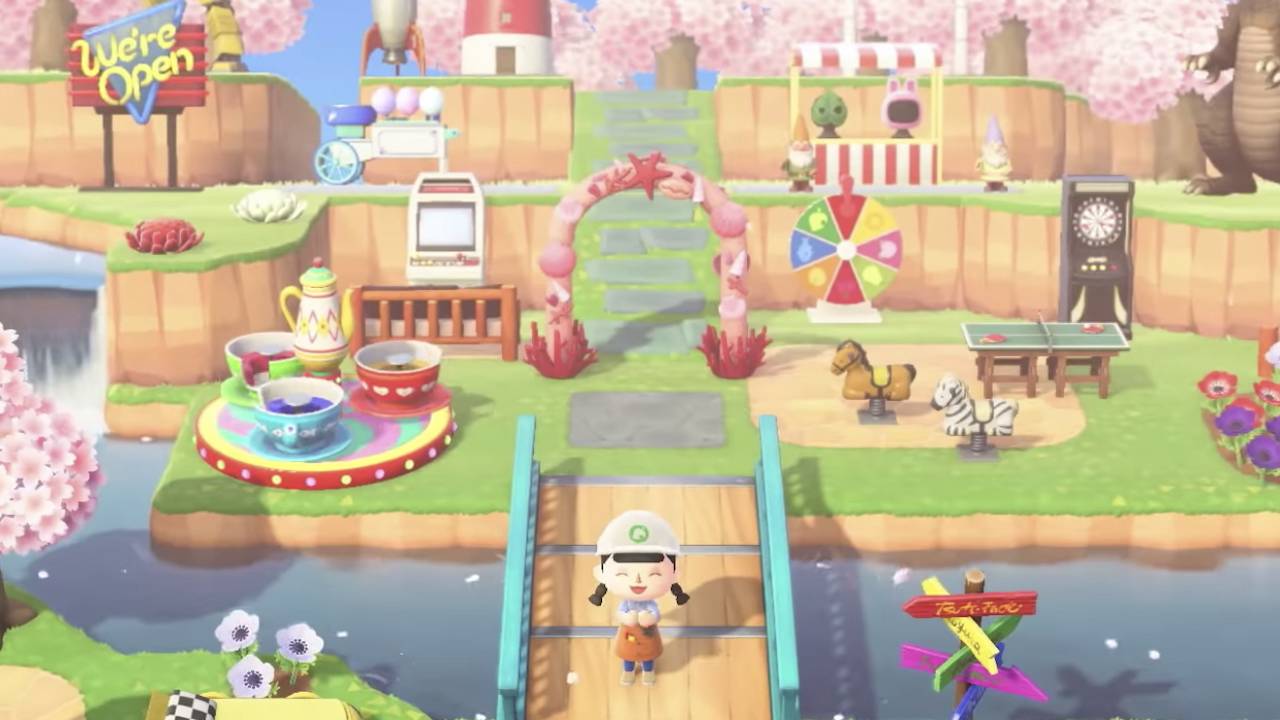
Those staggering figures prove that Nintendo's first-party catalog was revolutionary, not to mention strong.
But the more profound layer is this. Because Nintendo's exclusives are more than just a one-week promotional event, they have proven to be successful. They are handled as if they were timeless commodities. According to Nintendo, the Switch generation found a happy medium, with several games becoming evergreen titles that kept selling well for a long time and helped keep the platform's momentum going.
That is very significant since it ensures that the console's value will remain stable after the debut year. No matter what year they get a Switch, the experience of entering a stacked library will still feel deceitful. A lot of the more robust platforms fail at that. Hope Software handles the rest after they sell you on the specs.
It was flipped by Nintendo. Everything about the hardware was like a toy box for software: Zelda, Mario Kart, Smash, Pokémon, family, party, and second console machines. It was immediately clear who they were. Old hardware isn't as important as people think it is when the platform is easy to understand.
Because of this, Nintendo continued to claim in 2025, following the release of the first look video for Switch 2, that the number of annual playing users stayed above 100 million and that sales of the Switch remained relatively stable. Afterward, things start to heat up on a psychological level. Like enthusiasts, most online gamers love to speak about hardware. frame rate, teraflops, resolution, CPU bottlenecks, and GPU classes.
The general public, however, does not purchase gear in that manner. Results are sold to the masses. Is it possible to play Mario Kart with loved ones? Could their child use this? Is it portable enough for a journey? Are Animal Crossing features available? Is Zelda appearing enchanted? Would you say it's light? Is the effort worthwhile? Instead of selling a tech sheet, Nintendo provided solutions to those problems.
As a result, there were certain benefits to using older gear. It was less expensive to make, simpler to comprehend, and less scary. It was already known to developers how to work around it. The public was aware of its identity. The parents had no doubts about the purchase. That kind of consistency is underappreciated. Even if a large audience views older gear as proven, many act as if it is automatically outdated.
By the time it was nearly dead, the Switch was no longer a gamble.
The games were well-known, so it was a safe bet. Even after teasing Switch 2, Nintendo's own data showed sell-through reaching 150 million, indicating that the platform had become the default choice for a large audience. Additionally, this has a social layer. The most popular Nintendo exclusives are highly shareable, entertaining, and ingrained in popular culture. Mario Kart is more than simply a game; it can also generate events.
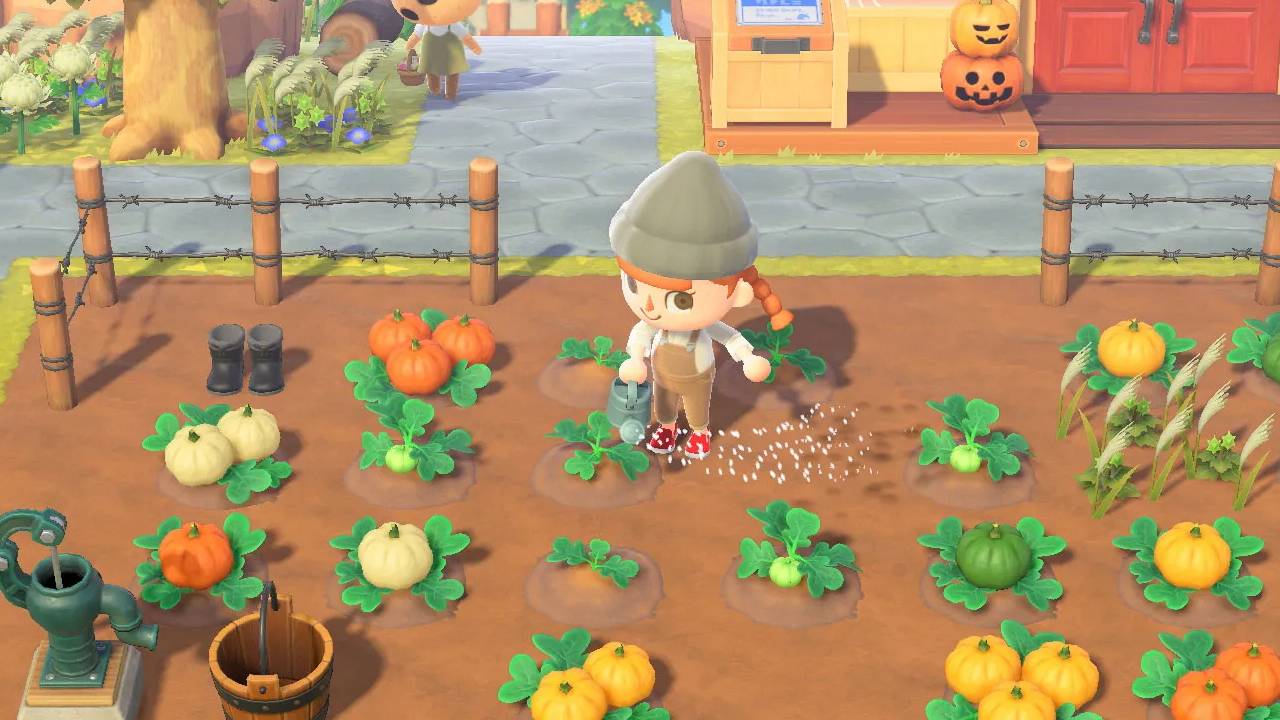
The Animal Crossing series evolved into a game that players engage in for life. Smash evolves into a communal rite. Everyone talks about Zelda for years after it comes out as a prestige adventure. A single customer's purchase was not the only thing that exclusives drove. Peer pressure was being generated by them.
It stops feeling like a luxury item when enough individuals in your immediate vicinity have the box as well. People also fail to take Nintendo's strategy of continuously expanding the IP pipeline into account. Nintendo has made it clear that its business model is about more than simply selling products; it's about connecting people with its characters and worlds through various platforms.
With Mario, Zelda, Pokémon, Animal Crossing, and other franchises under its belt, the corporation boasted over 6 billion games and 870 million hardware units sold by March 2026. Since these characters are no longer associated with niche gaming, their increased brand recognition directly correlates to a rise in hardware demand. Their names are known all over the world in the entertainment industry.
Contributor, NoobFeed
Related News
No Data.