
Nintendo Takes on Washington: Gaming Giant Files Lawsuit Over Controversial U.S. Tariffs
The Japanese gaming powerhouse challenges tariff policies imposed during the Trump administration, seeking refunds and raising questions about whether consumers will ever see lower prices.
News by Wasbir Sadat on Mar 10, 2026
Reports say the case is mostly about tariffs that were put in place by executive orders while Trump was president. Nintendo's lawyers say that those orders put taxes on goods coming from many different countries, which they say is illegal. Now, the company wants to get back the taxes it paid and interest on those payments.
The exact amount being asked for has not been made public, but the court filing is based on the claim that the tariffs were put in place incorrectly. It was Nintendo of America that filed the lawsuit. This business is in charge of bringing many of Nintendo's products into the United States.
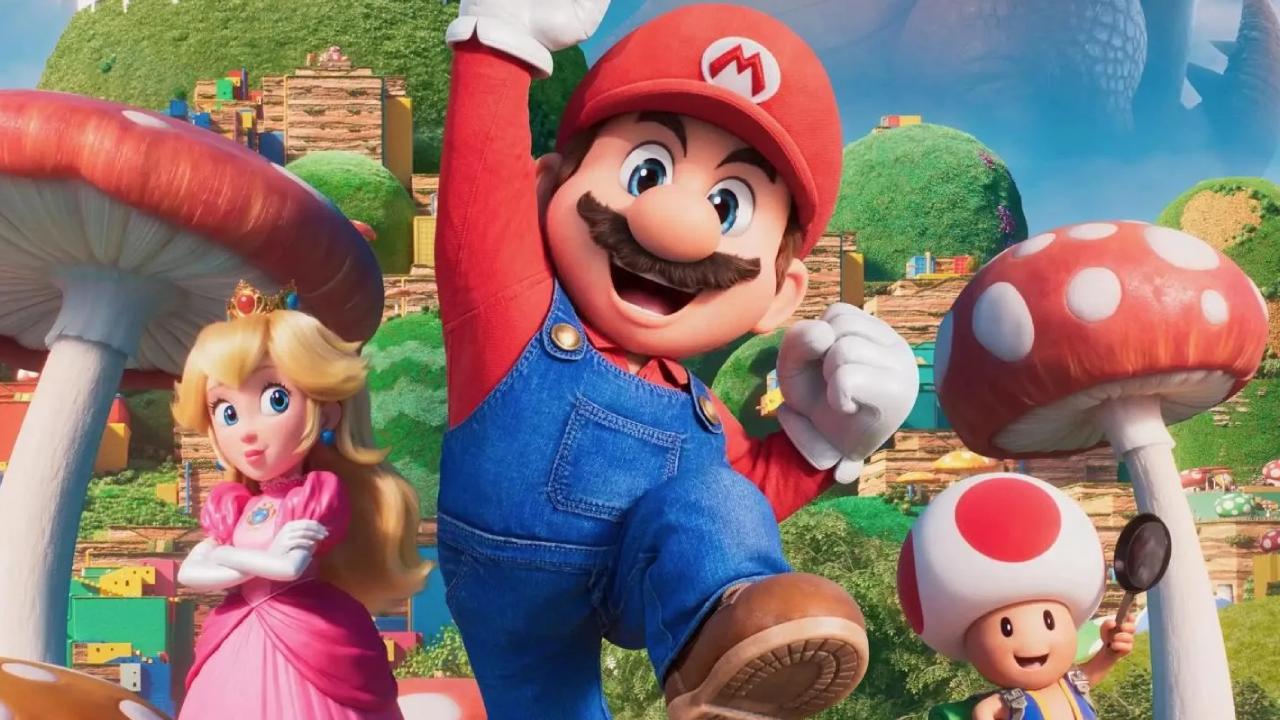
When asked for a response, Nintendo confirmed the filing but didn't give much else away.
The company said in a short statement that it could confirm that a request had been made but would not say anything else about the ongoing legal issue. People in the business world say that Nintendo is not the only one fighting the taxes. After courts called into question the legality of some trade measures, a number of companies in different industries are said to be taking similar legal steps.
At the heart of the argument is the larger question of whether or not certain tariffs put in place by Trump's government were legal. There are some legal interpretations that say a ruling connected to the Supreme Court of the United States said that some tariff measures might not have been properly authorized.
Companies that used to pay those taxes can now try to get their money back through lawsuits, thanks to this decision.
Nintendo's lawsuit is one of the most well-known examples in the game industry of how global trade policies can affect the entertainment business. It was said that the tariffs made it more expensive for Nintendo to bring devices and accessories into the US. In particular, the problem was clear when new game hardware was released, because the company had to change its rollout plan due to the uncertainty surrounding tariffs.
Nintendo had to delay pre-orders in the U.S. during the start periods of new devices because the company wasn't sure what the tariff policies would be. These issues made it harder for the company to carry out its marketing and delivery plans, especially during what is usually a very well-coordinated worldwide hardware release. Some people also talked about the prices of hardwares.
Nintendo said that the tariffs were not directly added to the base price of its console hardware, which, according to some sources, was around $450.
But the business did change prices in some other places. It was said that the prices of accessories and gear related to them went up when tariff rates went up. Many people thought that these changes were the company's way of trying to counteract the higher prices of imports caused by the trade policies. One of the biggest questions about the case is whether consumers will ultimately be better off if Nintendo is able to get back the tariff payments. For many users who bought hardware or accessories during the tariff time, the thought of lower prices or refunds comes to mind right away.
Analysts, on the other hand, say that such a result is not likely to happen. When businesses sue the government over tariffs, they usually want to get their costs back instead of giving returns to individual customers. If Nintendo wins its case, the money it gets back will probably show up in earnings reports instead of being sent to customers as direct payments or returns. This means that customers who paid more during the tariff time probably won't get their money back.
The bigger worry about this situation is whether the higher prices seen during the tariff time will last forever.
Businesses often don't feel compelled to lower prices once customers are used to paying higher ones, even if the reason for the price increase goes away. That idea has caused a lot of discussion in both the gaming community and the business world. If tariffs are eventually taken away or found illegal, companies may be able to get their money back through lawsuits, but prices at stores may stay the same.
The case could be a chance for Nintendo and other manufacturers to get back millions of dollars in tariffs. Gamers, on the other hand, may not notice a big difference in the prices they see in stores.The gaming business will be keeping a close eye on the case as it goes on. If the company wins in court, it might urge other companies to challenge old trade policies. This could change the way hardware is made around the world financially.
For now, the fight is an unusual and public one between a big video game company and the U.S. government. It shows how trade and politics around the world can have a direct impact on the video game business.
Contributor, NoobFeed
Related News
No Data.