
DLSS 4.5 Multi-Frame Generation Explained: What 6X Mode Actually Delivers
DLSS 4.5 multi-frame generation improves displayed frame rates without replacing native rendering performance or reducing input latency.
Hardware by Nahe Yan on Jul 17, 2026
With price fluctuations, rumored refreshes of new cards, and software updates becoming a bigger part of the equation, the decision to buy a new GPU is more complex than ever. A cut-down GB202 GPU is on the table, with new DLSS 4.5 capabilities, and it alters the equation for buying a new graphics card.
One report says that a cut-down GB202 GPU will be equipped with 32GB of GDDR7 memory, consume 500W of power, and cost around $1,500. It has left this card firmly in the rumor zone, and the lack of verified benchmarks has raised some suspicion. We'll consider the SE a wild guess for now, as none of the existing information gives us any confidence to buy.
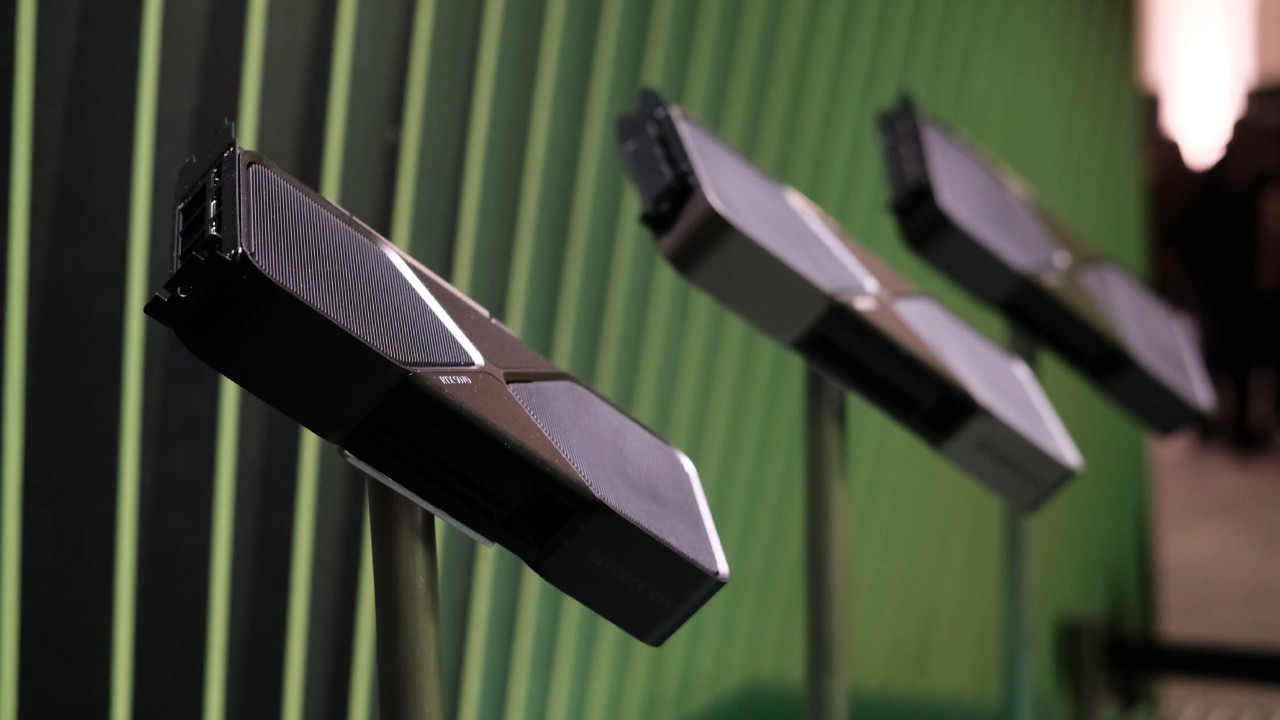
Seasonic's Leaked Listings Point to a Super Refresh
The SE report came out a few days before Seasonic's own power supply calculator had posted the RTX 5080 Super, Ti Super, and Super models, which would see their performance boosted by 10% to 17% compared to the existing models. Seasonic immediately withdrew all three listings.
However, the full GB203 chip is already used in the RTX 5080, so anything faster would likely rely on higher clock speeds, higher power draw, and perhaps a few more VRAM chips. The pairing could lead to a better gaming experience, but could also result in increased heat output for a relatively small performance boost. Here, it's better to wait for confirmed specs than act on a model name.
Real Price Difference Between RTX 5090 and RTX 5080
Official pricing set the RTX 5090 at $1,999 at launch and the RTX 5080 at $999. Recent tracking in the U.S. market indicates that the RTX 5090 is selling for around $4,000, while the RTX 5080 is selling for around $1,250. The price of the RTX 5090 is well above that of three RTX 5080-class cards at those street prices.
Independent 4K testing indicates that the RTX 5090 outperforms the RTX 5080 by anywhere between 45% to 55% across different games, so one could reasonably ask oneself the question: So is the RTX 5090 worth the extra cost for most gamers? That imbalance is the value test that everyone looking at the flagship card will have to consider.
RTX 5090 is still the fastest gaming GPU on the market, but it's becoming more of an AI and content-creation choice than a gaming upgrade. While the 32GB of VRAM is crucial for gamers dealing with large local AI models, 3D rendering, heavy video projects, and texture workloads, most gamers playing in 4K are not going to appreciate the additional thousands in VRAM costs alone.
Compared to the RTX 5080, the 5080 has 16GB of memory, consumes 260W instead of 575W, and uses an 850W system power supply instead of 1000W. The comparison most players are interested in is not whether the RTX 5090 is an affordable card; it's whether the games they play will benefit from the additional expense.
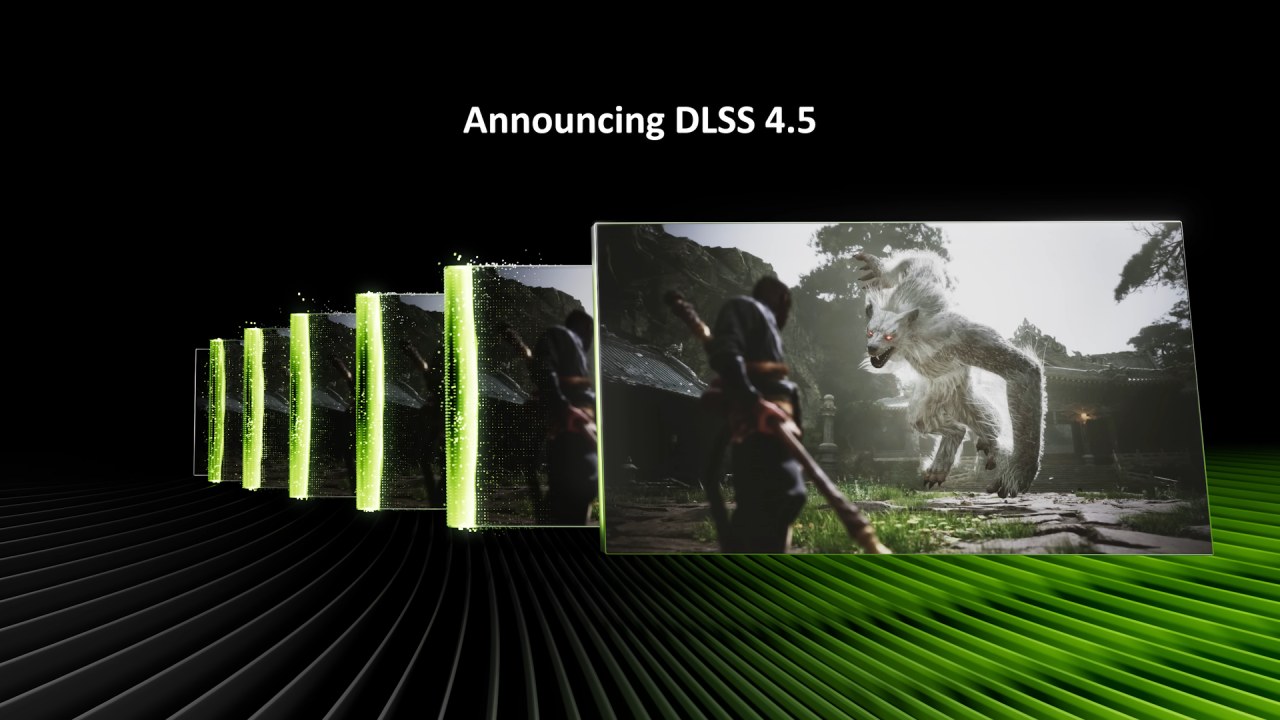
Second Generation of Multi-Frame and DLSS 4.5
The NVIDIA app already supports dynamic multi-frame generation DLSS 4.5 and 6X mode on RTX 50 series GPUs. According to NVIDIA, the transition from 4X to 6X can result in up to 35% higher frame rates in supported path-traced games. Generated frames aren't the same level of performance, though.
These can reduce jitter, especially when playing on a 4K 240Hz monitor, but aren't a replacement for a good frame rate and don't solve all latency issues in a game. The latest July driver will also support Doom: The Dark Ages Revelations and Assassin's Creed Black Flag Resynced, while NVIDIA will roll out DLSS 4.5 ray reconstruction for all its RTX GPUs in August, which uses a newer AI model to enhance the quality of ray-traced images.
Now, NVIDIA has over 1,000 games and applications that support RTX, making the upgrade decision more complex for existing owners. RTX 50 owners could see more benefits from software updates before new SE or Super cards hit the market. At the same time, some earlier RTX cardholders could enjoy significant improvements in image quality without needing new hardware.
Intel is also a player more along the budget end of the equation.
Both companies fail to provide a direct comparison of the 5090's performance level, but that doesn't necessarily mean it's a good buy. It just means there is little to no competition in the ultra-high-end segment, and pricing decisions are pretty much out of Nvidia's hands. The RTX 5090 SE is a risky card to wait for, as it could be a red herring and may not be released in this reported form.
Meanwhile, it does not make sense to purchase a $4,000 RTX 5090 if 32GB of VRAM is not required for paid AI or creator use. Unless they are willing to wait and see how the RTX 50 Super situation evolves, and rely on reliable benchmarks, street pricing, power consumption, and VRAM to gauge any new GPU, for most high-end gamers, it's simply sensible to stick with what they have and see how it performs.
Editor, NoobFeed
Gaming Hardware Updates
No Data.