
PlayStation 3 Breakthrough Unlocks the Power of the Cell Processor
After almost 20 years, a big finding changes the future of PS3 homebrew and performance.
News by Nusrat Choity on Jan 27, 2026
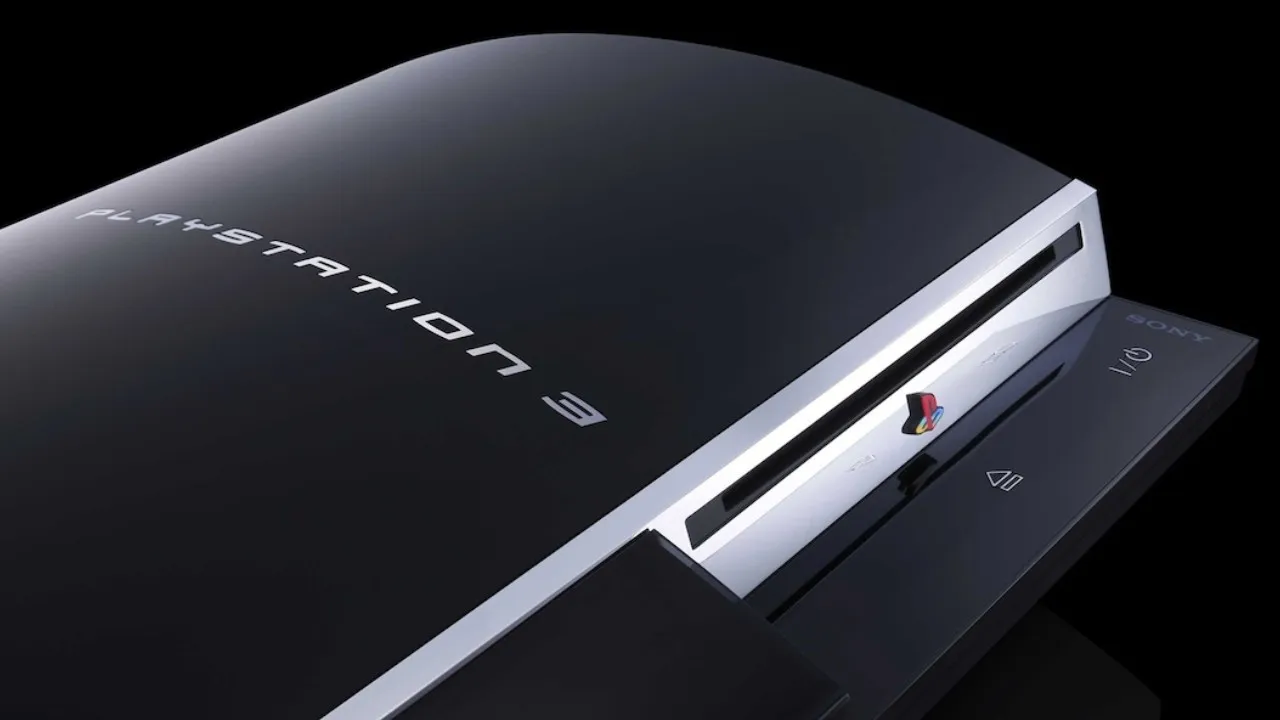
The PlayStation 3 is back in the news for reasons that not many people expected, almost twenty years after it first came out. A big step forward in homebrew technology has shown that the console's infamously complicated Cell processor can now be overclocked. This means that speed gains that were once thought to be impossible are now possible.
Sources say that this finding has already sped up experiments in the PS3 hacking community, giving a system that was thought to be fully understood a new lease on life. For years, most changes made to the PlayStation 3 were to program bugs and a few hardware tweaks.

The RSX graphics processor had been overclocked in the past, but the Cell processor was thought to be essentially locked. Many people thought that the Cell's frequency was fixed and that there was no safe way to make it go faster than what it could handle. That thought has now been proven wrong.
Sources say that developers have proven that the frequency of the Cell processor can be changed, which means that it can run at much faster speeds than Sony ever planned.
This finding adds to recent successes made in hacking with hardware help. Using a Raspberry Pi Pico that is wired straight into the console is one of the most interesting new ideas. Hacking techniques used to depend on short-term fixes that had to be performed again and again whenever the system was turned off.
This was especially true for Super Slim PlayStation 3 models with the sliding disc door. The new method tries to make a change that lasts longer, so it doesn't have to be activated again and again. This will allow for bigger changes at the system level. A lot of people are already interested in this method, even though it is still in its early alpha stages.
Early tests have shown very interesting results, and the research is still going on. Since both the Cell engine and the RSX have been overclocked, it's easy for some games to reach their built-in frame rate caps. Sources say that some games are stuck at 30 frames per second, but load screens and moments where the speed isn't limited can quickly go well over that.
This has brought up a new problem: many PlayStation 3 games were never meant to go beyond their original frame rate limits. This means that more software work might be needed to fully unlock the speed gains made possible by the overclock. The most interesting thing about the success might be how far the Cell engine can be pushed.
Reports say that clock speeds have been close to 5 GHz in some test sets and around 4.8 GHz in others. It's scary to think about how hot and dangerous it could get with these numbers. The PS3 wasn't made to handle them. Based on what the sources say, these kinds of extreme overclocks are mostly used for trying and proving concepts, not for everyday use.
.jpg)
It looks like lower, more stable frequencies will give you better results in real life. A clock speed of about 3.8 GHz has become the most popular choice for a better and more balanced overclock. At this level, the speed boost is big, but the temperature stays within more manageable ranges.
Developers who have been playing around with these settings have noticed that more common ways of cooling, like using better thermal paste or debonding the processor, might be enough without having to quickly turn to more unusual options like liquid cooling. The timing of this finding has made it even more important. When the PlayStation 3 came out in 2006, its Cell processor was both revolutionary and famously hard to work with.
During the console's business life, many developers had trouble using it to its fullest.
Sources say that the idea that this same chip could reveal new features almost 20 years later has sparked interest in a group that was already very dedicated to keeping the system running and making it better. Because of this, the PS3 homemade scene has picked up speed very quickly.
Now, developers are looking into how overclocking the Cell engine might make both new PS3 games and games that work on older systems run better. Since many PlayStation 3 models can run PlayStation 2 games through software emulation, making the CPU and GPU faster could make games run more smoothly, keep frames at a better rate, and have fewer performance drops when playing demanding PS2 games.
One thing that people are talking a lot about is the Super Slim PlayStation 3. This version of the system may be the best one to use these new overclocking features because it uses the least amount of power and keeps the temperature down the most. Sources say that a permanent Raspberry Pi Pico-based hack, along with carefully tuned CPU and GPU speeds, could make the Super Slim into what some are calling the best PlayStation 3.
Even though things are exciting, caution is still a repeating theme. The software and tools that will make these changes easy for many people to make are still being worked on. Sources say that someday there will be a full custom firmware release that includes Cell and RSX overclocking in a way that is easy to use and mostly safe.
But it will take time. Before offering settings for regular users, developers are still testing things like stability, heat output, and long-term dependability. This moment is especially interesting because it changes how the PlayStation 3 is remembered. The system was once criticized for being hard to understand and build for, but now it is being looked at again as a platform with untapped promise.
The Cell processor, which was once seen as a problem, is now at the center of a late-stage renaissance that is being driven by community creativity alone.
The PlayStation 3 shows that even old hardware can still hold new surprises as new finds are made and experiments are sped up. Overclocking has finally broken through one of the last big PS3 barriers. This raises a question that hangs over the whole retro and homebrew scene: if the PS3 can still reveal secrets after all this time, what other systems are sleeping and waiting for their chance to come out?
Contributor, NoobFeed
Related News
No Data.