
PlayStation 6 Rumors Spark Debate as Sony Allegedly Pushes Toward 30 GB of RAM
Reports say that a PS6 with a lot of memory could change how games are made, played, and compared to PCs.
News by M. Hasan on Feb 10, 2026
Even though the PlayStation 6 won't be out for a few more years, people are already thinking about the next hardware version. People in the industry are talking a lot about new leaks, but it's not because of flashy marketing claims or impressive tech demos. It's about something much more basic: memory. There is a lot of information circulating about Sony developing a new system that will push the limits of what games can ask for and deliver.
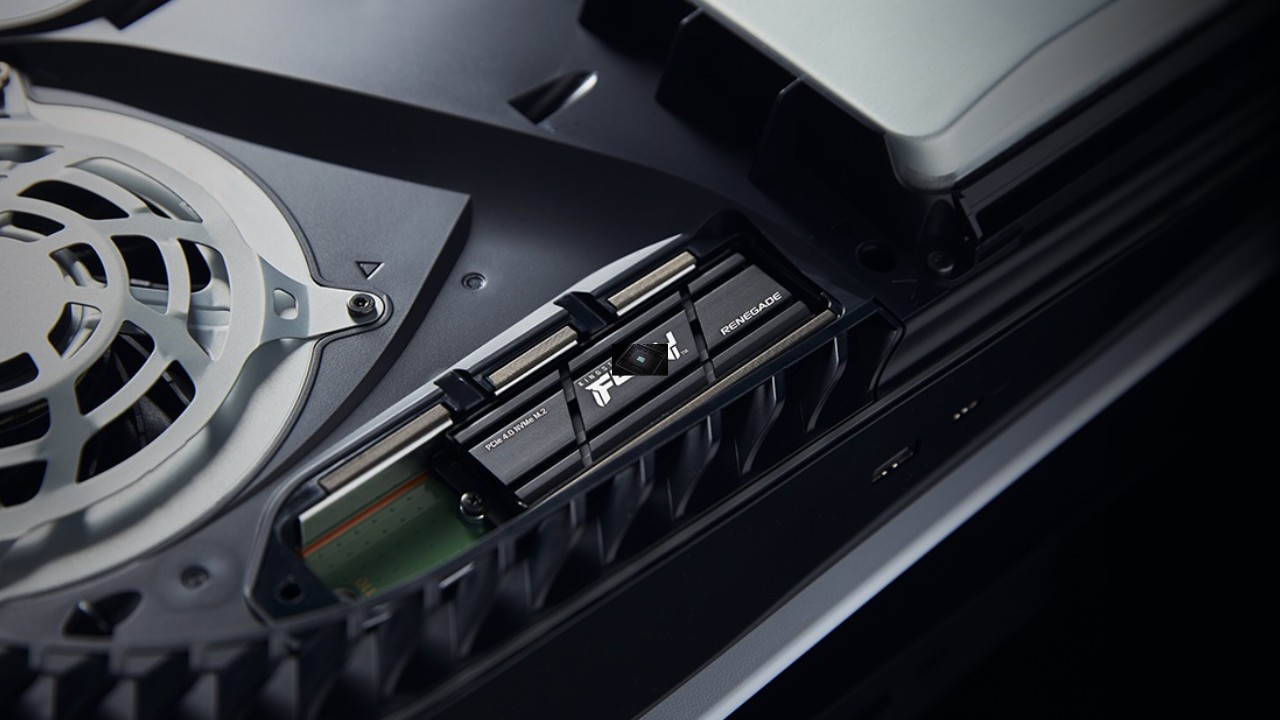
According to the sources, Sony wants the basic PlayStation 6 to have about 30 GB of RAM. Along with it, a supposed handheld PlayStation 6 device is said to have around 24 GB of storage. In a market where the PlayStation 5 has 16 GB of unified memory and many gaming PCs still use graphics cards with much less VRAM, these numbers stand out right away.
The upgrade isn't just any update.
It means a change in philosophy. It controls how large worlds can be, how complex assets can look, how many systems can run at once, and how smooth the experience is when everything is happening at once. Sony is getting rid of one of the most common problems developers have by pushing memory space so hard.
Leaks suggest the PlayStation 6 may use GDDR7 memory, which is faster and more power-efficient than GDDR6 used in current systems. Sony also wants a much bigger memory interface, which could increase bandwidth to around 640 GB per second. On the other hand, the PlayStation 5 has 448 GB/s, which was already a very good speed when it came out.
What does it mean for players that they have more bandwidth? It just means that the machine can move more data at once. It is now possible for environments to stream smoothly without any pop-ins and for advanced features like ray tracing and complex physics models to run without having to fight for resources. Developers don't have to keep optimizing around limits; instead, they can focus on goals.
The recorded memory configuration is also not normal. The PS6 might not have a standard layout. Instead, it might have a multi-module "clamshell" design like later high-end graphics cards. This may seem like an odd way to do things, but Sony says it lets them get more memory while maintaining high speed and efficiency. The numbers may seem odd at first glance, but the planning behind them is said to ensure the design works.
One of the most interesting aspects of these leaks is that Sony has turned down a safer option.
A smaller memory goal, like 20 GB, was not considered sufficient for the kinds of games that would be popular in the late 2020s. That choice shows that Sony isn't just making the PlayStation 6 for games that come out in the first year; they're making it for the console's life, including games that might not come out for a few years after launch.
This way of doing things has clear financial effects. It costs more to make things with more memory and faster units, so the bill of materials might go up by a noticeable amount per unit. But the leaks suggest that Sony might be ready to pay those costs up front, counting on long-term price drops in memory parts to even things out. It's a measured risk, but it fits with how Sony has done things in the past.
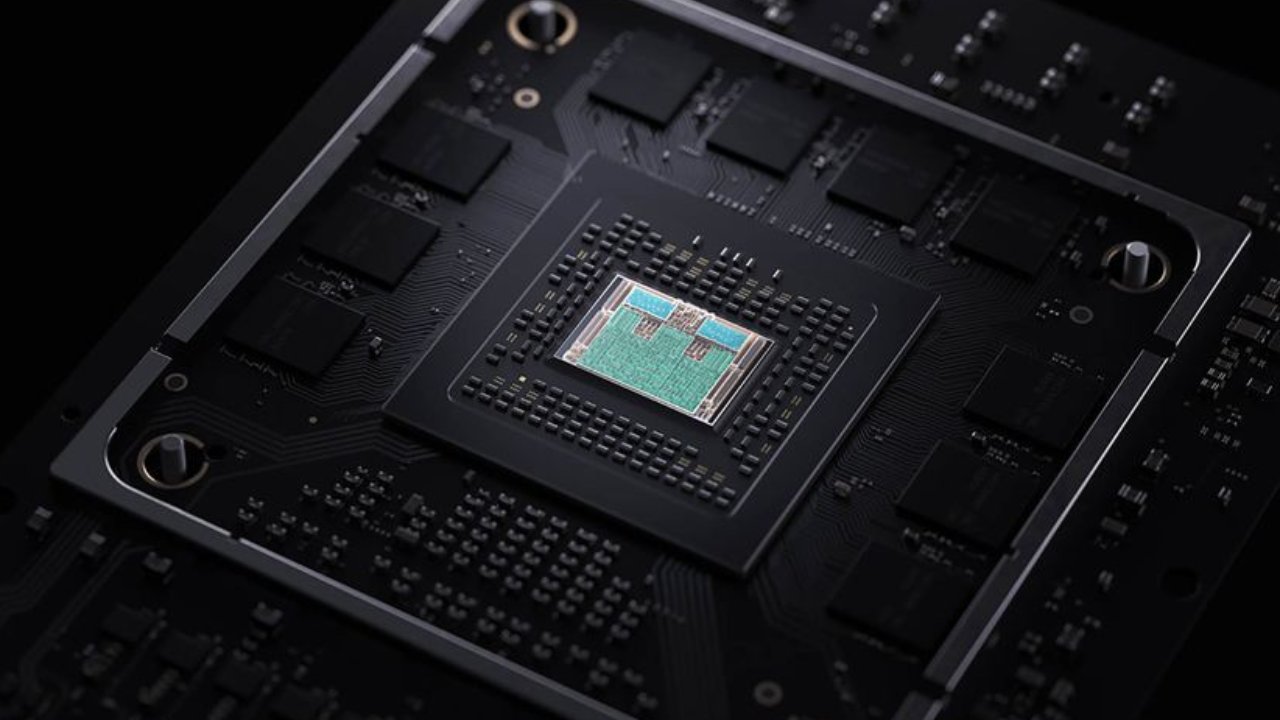
This choice could have effects that go far beyond the device itself. If the PlayStation 6 comes out with 30 GB of unified memory, it could change the way platforms and PCs work together in a big way. GPUs with 8 to 12 GB of VRAM are still used in many mid-range gaming PCs today. It's not always the case that even the best cards work best with the unified memory access that platforms have.
This brings up an awkward but interesting question: could next-generation consoles start to perform better in real-world games than many PCs? Not in terms of real customization or modding versatility, but in terms of reliability, consistency, and size. If game designers base their games on consoles with 30 GB of fast, unified memory, then PC versions might need much more powerful hardware to match that experience.
There is also the matter of setting development goals.
\The bar is usually set very high by companies when a new generation of consoles does the same. The quality of the assets improves, the game becomes more complex, and older hardware struggles to keep up. This could speed up the move away from current-generation systems, especially if makers take advantage of the extra memory without holding back for cross-generation compatibility.
Timing is very important in this conversation. There are signs in the industry that the next wave of systems will come out around 2027. Since rivals are said to be planning to align at the same time, Sony's own planning seems well underway. Developers would have years to adapt their engines and workflows to the new hardware if early development tools and specs were shared with companies.
None of this is separate from the others. New trends in game design are already pushing the edges of what hardware can do. Not only are open worlds getting bigger, but they're also getting more crowded. AI is constantly changing and adapting. Simulations of physics last longer. Games should be able to maintain high frame rates while also supporting ray tracing, complex lighting, and loading almost instantly. All of these methods depend on having enough memory.
In this light, the PS6 leaks seem less like extra work and more like getting ready. Sony is focusing on removing limits rather than finding one feature that stands out. Memory doesn't get as much attention as teraflops or resolution goals, but it quietly controls what is possible behind the scenes.
As you might expect, leaks are not confirmations.
There may be changes to the specs, and early goals may not always make it to the final hardware. As a direction, not a promise, though, the message is still clear. Sony is planning a PlayStation 6 that will be useful for a long time, rather than saving money in the short run.
The PlayStation 6 could be a turning point if these stories are true. Not just a better system, but one that changes what people think "next-gen" means. There will be bigger worlds, fewer trade-offs, smoother experiences, and a standard that makes the present balance between PCs and consoles look bad. That leaves one big question for the whole industry: are players, developers, and hardware makers ready for the effects if the PlayStation 6 really does come with this much memory and bandwidth?
Editor, NoobFeed
Related News
No Data.