
Sony Reportedly Pulls Single-Player PlayStation Exclusives From PC While Expanding Live-Service Releases Across Platforms
Internal town hall suggests a major shift in strategy, keeping story-driven games console-focused while online titles continue heading to PC.
News by Mahi Araf on May 20, 2026
So you probably remember hearing earlier reports around March that Sony might be stepping back from releasing its single-player PlayStation exclusives on PC. Not years later, not even a year later, just not bringing them over anymore. At the time, it sounded like speculation tied to a bigger shift in strategy, but now it looks like things have actually moved forward internally.
A recent PlayStation town hall reportedly confirmed that direction. Back in March, Bloomberg’s Jason Schreier reported that Sony was re-evaluating how it handles PC releases. You were used to seeing a pretty consistent pattern before this change. A big PlayStation single-player game would launch on PS5 first, and then Nixxes would port it to PC a couple of years later.
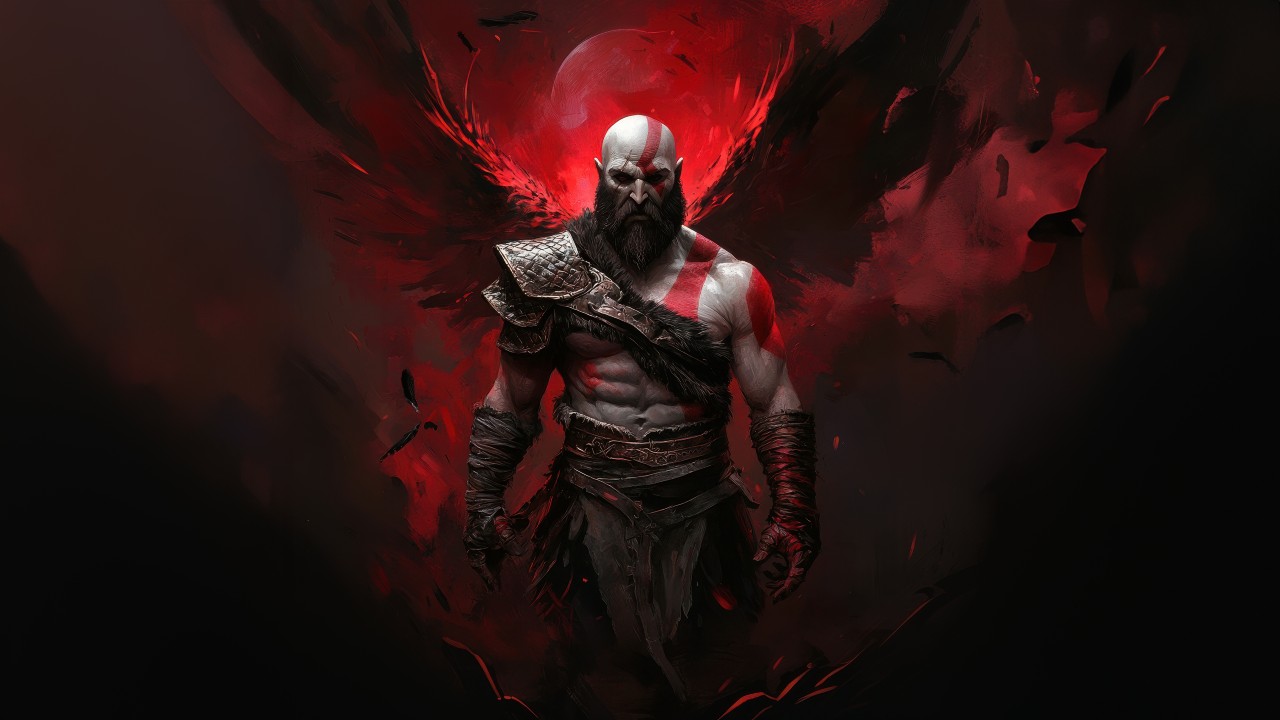
Those PC versions usually came with extra features, improved performance options, sometimes bundled DLC, and a lower price compared to launching on PlayStation.
On paper, that sounds like it should work out well. And in a lot of ways, it did. The ports themselves were generally solid. Reviews on PC were often just as good or even better than console versions. Steam performance was strong for most titles, and the technical side of things wasn’t really the issue.
The problem was sales. Even though games like God of War 2018 and Ghost of Tsushima performed well critically, they didn’t really move numbers on PC the way Sony expected. You’re talking about a situation where tens of millions of copies are being sold on PlayStation hardware, but only a fraction of that on PC. Ghost of Tsushima crossed over a million copies on PC, which sounds good in isolation, but compared to console performance, it’s a much smaller slice.
That’s where Sony started rethinking things. From their perspective, you’re dealing with two issues at once. Some of the core PlayStation audience wasn’t thrilled about exclusives eventually landing on PC, and at the same time, the PC audience wasn’t showing up in big enough numbers to justify the gap and delay.
According to the reporting, the expectation was that Sony would address this more clearly in May during a business update. And now, following an internal PlayStation town hall led by Hermen Hulst, the direction seems to have been laid out more directly.
The key takeaway is that Sony is reportedly stepping away from bringing its future single-player first-party games to PC.
So if you’re thinking about upcoming titles like Ghost of Yotei, Wolverine, Intergalactic: The Heretic Prophet, or similar big narrative-focused releases, the expectation is that those games are no longer planned for PC releases. Even some ongoing PC port work, like projects being handled by studios such as Housemarque, is reportedly being impacted by this shift. But this doesn’t mean everything is being pulled away from PC.
Live-service games are still expected to be released on PC. That includes projects like Marathon, Fairgames, and other online-focused PlayStation titles. The logic behind that is pretty straightforward. If a game is built around engagement, daily logins, and long-term monetization through things like battle passes or microtransactions, then you want as many players in the ecosystem as possible. You’re not just selling a game once. You’re maintaining a service that depends on constant activity. So, PC becomes a key part of that player base expansion.
There’s also a clear distinction being made between those types of games and traditional single-player experiences. If you’re playing something like a story-driven PlayStation exclusive, Sony seems to be leaning into the idea that those games don’t necessarily benefit from being spread across platforms in the same way.
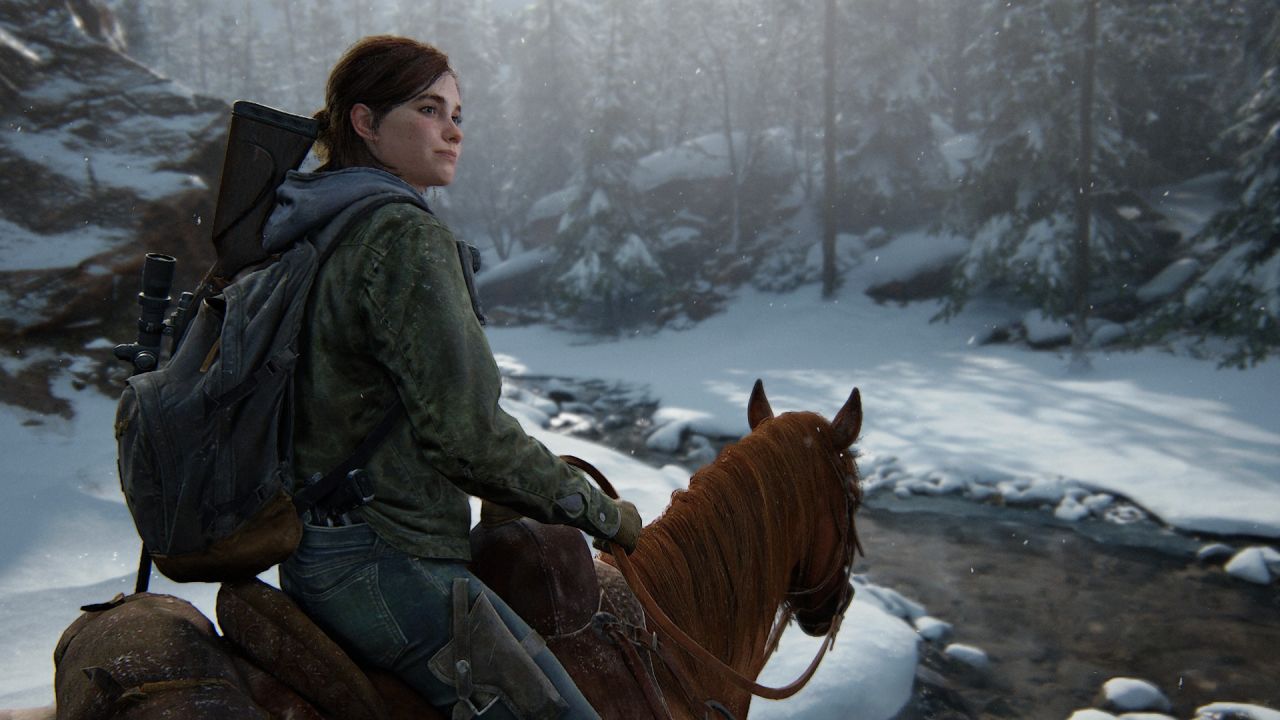
From a player perspective, you’re also seeing how that logic plays out in real time.
When those single-player games do arrive on PC, they often come with technical upgrades like higher frame rates, better textures, and support for technologies like DLSS. But if you already have a PS5 or PS5 Pro, the difference often isn’t dramatic enough to change how you experience the game.
On console, you’re getting a version that’s already heavily optimized for the hardware it was designed for. Sony has a strong track record of squeezing performance and visuals out of its systems. So for many players, the incentive to wait for PC just isn’t that strong anymore, especially when you factor in the delay.
You also don’t really get punished for staying on console in the same way you might elsewhere. DLC pricing is often handled in a more straightforward way, and most single-player experiences don’t require ongoing subscriptions like multiplayer games do. Outside of a few exceptions with online modes, you’re mostly just buying a complete game and playing it.
There’s also the multiplayer angle that comes up occasionally, like with Ghost of Yotei’s Legends-style mode, which didn’t end up gaining much traction compared to earlier multiplayer experiments like Ghost of Tsushima’s online component. That further reinforces the idea that Sony’s strongest results are still coming from focused single-player experiences rather than extended online ecosystems for every title.
Meanwhile, if you zoom out and look at the broader industry, you can see why Sony might be making this move now.
Microsoft’s strategy is already heavily leaning toward PC. A lot of Xbox’s identity is now tied to Game Pass and multi-platform availability. The next-generation Xbox is increasingly being described as more of a PC-like device than a traditional closed console. At the same time, Valve is pushing hardware like the Steam Machine concept, which brings PC gaming even closer to a living room console experience.
If Sony were to continue putting its biggest single-player games on PC at the same time, there’s a scenario in which you end up playing PlayStation’s biggest exclusives on competing ecosystems anyway. That weakens the idea of platform identity.
So from Sony’s perspective, tightening exclusivity on single-player games becomes a way to reinforce what makes PlayStation hardware distinct. You’re not just buying a box for specs anymore; you’re buying access to a specific set of games at launch.
.jpg)
There’s also a broader argument about competition in gaming.
When platforms compete more directly, you tend to get clearer identities and sometimes stronger first-party output. In that context, people often bring up the 360 and PS3 eras, where rivalry helped push both sides to improve their game libraries.
Currently, the industry feels more blurred. Most major games eventually end up on multiple platforms, and discussions often drift toward technical comparisons rather than game identity or exclusives. That shift changes how people engage with consoles in general.
In that context, Sony's move is less about abandoning PC entirely and more about separating what belongs where. Single-player flagship games stay tied to PlayStation hardware, while live-service titles expand outward to PC to maximize reach and revenue.
There’s also skepticism about how well some games would perform even if they were ported more widely. Titles like Saros are already being discussed in terms of relatively low sales figures, and there’s an argument that even a PC release might not dramatically change their overall performance. Doubling numbers still doesn’t always turn a project into a success story.
So what you’re seeing is a company trying to draw clearer lines between platforms, especially as hardware and software ecosystems overlap more than ever.
Sony appears to be making that call early rather than waiting for market pressure to force it later. Single-player PlayStation games remain closely tied to PlayStation hardware, while live-service titles continue to aim for broader reach across PC and beyond.
Senior Editor, NoobFeed
Related News
No Data.