
Sony’s Strategic Missteps Hand XBOX a Surprising PR Victory
Xbox is capitalizing on PlayStation’s PR missteps as it lowers prices and works to reclaim its original identity.
News by Elme Dhee on May 21, 2026
Sony is facing a series of self-inflicted PR blunders, driven in large part by its recent PlayStation Plus price increase. Though the backlash is overblown since the hike only affects lapsed or new users, it remains a tough sell in today’s economy. For new subscribers, the one-month tier is ticking up from $10 to $11, and the three-month tier is moving from $24.99 to $27.
It amounts to a modest $1 monthly increase across the board, totaling an extra $12 per user per year. From a broader perspective, squeezing an extra twelve dollars annually out of new members hardly seems worth the massive wave of consumer resentment it has generated. It is an unnecessary financial pivot that has left the core community feeling justifiably angry.
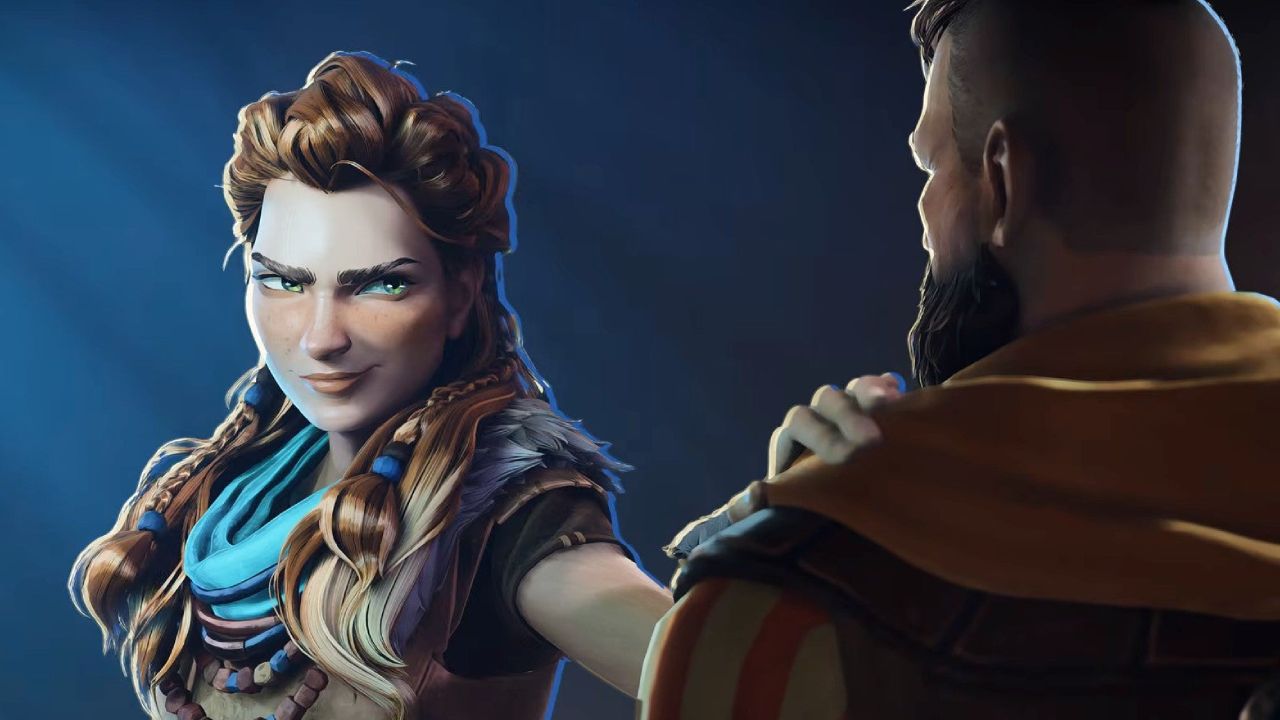
The immediate impact may be limited to the newcomers, but the narrative around the decision is undeniably negative. Any way you slice it, this price hike represents a major strategic misstep that PlayStation simply did not need right now. Meanwhile, Microsoft is managing its brand beautifully by executing small, consumer-friendly changes that are generating genuine excitement. Xbox recently updated its presentation, shifting from a capitalized X to all-caps, signaling a conscious return to its beloved roots.
They have also revived their classic black-and-green logo, effectively shedding the sterile, corporate look of the broader Microsoft identity. Internally, the corporate structure has shifted as well, officially restoring the standalone Xbox division and returning employees' classic Xbox.com email addresses.
More importantly, Microsoft did the unthinkable by lowering the price of Game Pass Ultimate, dropping the monthly subscription cost from $30 to a much more palatable $22 or $24. In an industry where Netflix, HBO Max, and Amazon Prime are consistently raising prices, Xbox stands out as a lone outlier.
This discount offers massive value, allowing subscribers to save $60 upfront on major releases like the Premium Edition of Forza Horizon 6, while gaining early access and extra downloadable content. Unless a player only intends to buy one specific game, the value proposition of Game Pass Ultimate reads as an overwhelming positive for the brand.
There is no good way to look at a PS Plus price increase with how expensive everything is right now.
The optics are incredibly damaging for Sony when its direct competitor is actively cutting costs for players. This unforced error is compounded by the deeply concerning performance of PlayStation's latest high-profile release, Saros. While Sony has remained completely silent regarding official performance metrics, the universal first sign that a project is underperforming, independent data from Linea Analytics paints a bleak picture.
According to their first-week sales report, Saros sold only 300,000 copies globally. Optimistic fans have tried to downplay the slow start by arguing that it has only been a week, but that logic ignores how the modern gaming market functions for major single-player releases. First-party titles inevitably secure the vast majority of their lifetime sales during launch week when the most dedicated fans show up.
While retail discounts at Best Buy or digital sales on the PlayStation Store provide minor revenue spikes down the road, a successful launch relies entirely on immediate enthusiast adoption. For Saros, the hardcore audience simply chose to stay away. The silver lining here is that Saros did not carry the astronomical $300 million production budget of a massive tentpole project like Spider-Man 2. Sony kept costs considerably lower, spending an estimated $70 million on development.
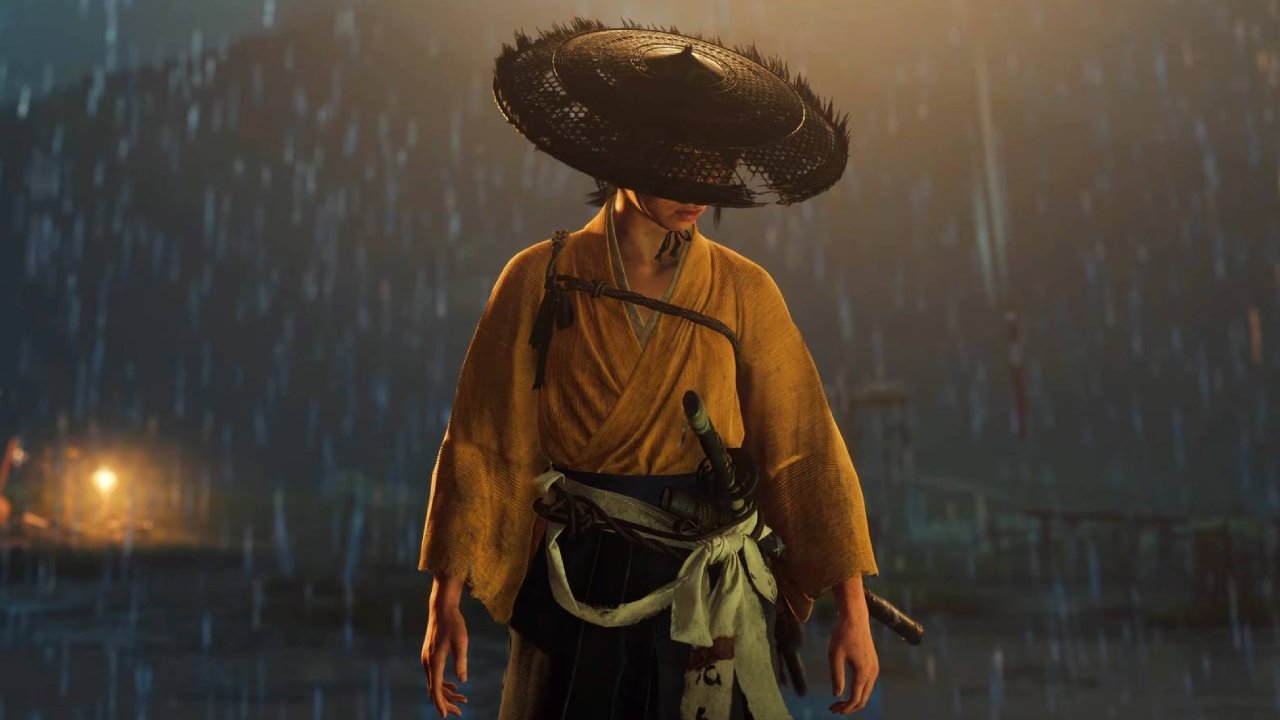
While $70 million is a massive sum of money for an AAA game, it represents a remarkably lean budget by modern industry standards. Unfortunately, even with reduced financial exposure, a 300,000-unit launch is still disastrously low compared to rivals'. To put that number into perspective, Capcom’s Pragmata easily eclipsed a few million units in its opening week, and Resident Evil 9 exploded out of the gate with over 5 million copies sold.
Looking at those multi-million milestones makes it impossible to view the launch of Saros as anything other than a commercial failure. The situation looks even worse when looking deeper into the data, which reveals that the game is selling at a significantly slower pace than Housemarque's previous title, Returnal.
Even with all that marketing, people just simply weren't convinced to show up.
The comparison to Returnal is staggering because Saros received a far more aggressive marketing push from Sony. Returnal was featured in just a handful of State of Play broadcasts and showcases, whereas Saros was prominently featured in nearly every single presentation.
Sony bought ad space across media platforms like IGN, VGC, Twitter, and YouTube to position this game as its next major flagship intellectual property. Yet, despite millions of dollars spent on visibility, the gaming public remained entirely unconvinced. The exact cause of this disconnect is difficult to pinpoint. Most industry observers expected Saros to be a somewhat niche title that wouldn't necessarily rival the mainstream appeal of Ghost of Tsushima or Spider-Man, but it logically should have outperformed Returnal.
Sony's entire marketing campaign focused on the fact that they had directly addressed player complaints regarding Returnal's brutal difficulty. They explicitly demonstrated how players could tune their experience using permanent upgrades after death, or by starting from entirely different points in the timeline to ease the challenge.
Furthermore, there are millions more PlayStation 5 consoles out in the wild today than there were when Returnal launched early in the hardware cycle. Despite an exponentially larger install base and vastly improved accessibility options, the game still lagged behind its predecessor. The most likely culprit for this failure is the ridiculously toxic word of mouth surrounding the game's story.
While some online criticisms were undoubtedly exaggerated, the core plot points reported by the community were accurate, and players appear to be completely exhausted by this specific creative direction from Sony's studios. Ultimately, pinpointing a single issue matters far less than acknowledging the reality that first-party games must perform well to sustain the industry ecosystem.
.jpg)
New internal data metrics enabled on the PlayStation Store have revealed that the weekly top ten charts are dominated by massive third-party live-service games like Call of Duty, Battlefield, Arc Raiders, and Fortnite. No first-party PlayStation properties are currently cracking that tier. While single-player games are rarely expected to completely dethrone established multiplayer juggernauts, they absolutely must hit adequate internal baselines, and Saros is tracking well below acceptable levels.
If it doesn't sell well, it risks Sony turning around and shutting down the studio.
This downward trend creates an uncomfortable dynamic for the community, where players feel a strange sense of obligation to buy first-party games they might not even be personally interested in just to protect the developers. When a major exclusive tank, there is an immediate, realistic fear that Sony corporate will step in and permanently close the studio.
Enthusiasts who love these teams' gameplay style want to see them survive so they can eventually create projects that better align with general consumer tastes, but the current structural trajectory makes that future uncertain. To correct this course, Sony needs to look back at its historical roots during the highly successful PlayStation 3 and PlayStation 4 generations to study what made those eras work so brilliantly.
The solution is remarkably straightforward: PlayStation needs to focus on creating phenomenal, unapologetic experiences for targeted, dedicated audiences rather than trying to build every single game to appeal to every single demographic on earth. While broadening appeal is necessary to attract younger players as older generations age out, Sony has drifted too far toward mass market commercialization at the expense of its core loyal fanbase.
Fortunately, there are encouraging signs that PlayStation is actively trying to recapture that classic magic by leaning heavily into its rich legacy of past intellectual property. Credible industry rumors suggest that Sony has greenlit full remakes of Infamous 1 and Infamous 2 through an external studio. It remains a mystery why Sony allowed the franchise to sit dormant for so long after Sucker Punch moved on following Infamous Second Son.
PlayStation possessed more than enough development resources to hand that highly successful, beloved trilogy over to an alternate team while Sucker Punch explored new creative horizons. Keeping legacy properties alive within the first-party network is essential for brand health, even if it occasionally means reassignment.
If a parent company owns a highly sought-after franchise, handing it to a new team shouldn't create internal friction; it is simply the reality of being a first-party studio. The hope is that a new studio can use these Infamous remakes to master the foundational mechanics and feel of the classic PS3 era, leveraging that development experience and subsequent sales success to eventually pitch entirely original entries in the series.
.jpg)
Sony is now actively welcoming third-party studios to pitch new concepts for their legacy games.
There is already clear historical precedent for this strategy. When Sucker Punch originally left Sly Cooper behind to develop the original Infamous, Sony handed Sly Cooper 4 over to Sanzaru Games. While that specific sequel didn't break sales records, it was warmly received by fans who appreciated that the franchise was kept alive.
Today, Sony is expanding this philosophy by openly inviting reputable third-party developers to pitch fresh concepts for dormant legacy franchises like Jak and Daxter, Infamous, and Killzone, since the original creators, Insomniac and Guerrilla Games, are fully occupied with other projects. This open-door pitching strategy carries incredibly low risk for Sony.
Because these legendary properties have been out of the public eye for so many years, a lackluster third-party entry will not damage a healthy, active brand. If the game succeeds, a classic franchise is successfully resurrected; if it fails, the legacy remains untouched. It is a smart, low-exposure method for rebuilding the classic software catalog that made the platform famous in the first place.
Moving forward, PlayStation must exercise extreme caution regarding its public relations and corporate messaging. For the first time in two console generations, Xbox is systematically winning the PR war by making pro-consumer moves, simplifying its identity, and lowering barriers to entry.
Sony, by contrast, is projecting corporate arrogance by raising subscription fees without clear justification amid high-profile software stumbles.
It is incredibly rare to see Sony pinned on the defensive while Xbox steps forward into overwhelmingly positive public reception. While the most dedicated PlayStation purists remain content, the massive middle-tier audience, the players who jump between blockbuster multiplayer titles and premium single-player experiences, are becoming increasingly dissatisfied with Sony's current output.
Recommissioning classic remakes is a fantastic first step toward correcting the ship, but Sony must deliver meaningful, consumer-first changes in the immediate future to truly regain its footing.
Editor, NoobFeed
Related News
No Data.