
Sony’s New PlayStation Plus Price Hike Shows How Expensive Console Gaming Is Becoming
PlayStation Plus is getting more expensive in select regions, and the increase adds to growing concerns about the rising cost of gaming ahead of the PS6 era.
News by Mahi Araf on May 19, 2026
This console generation has slowly turned into one long stretch of price increases. You’ve seen prices go up for consoles, accessories, games, and subscription services, and now Sony is adding another increase to the list with PlayStation Plus.
Sony announced that starting May 20, PlayStation Plus prices for new customers in select regions will increase because of what the company called “ongoing market conditions.” The new pricing starts at $10.99 for a one-month subscription and $27.99 for a three-month subscription. Current subscribers will not be affected unless their membership changes or lapses, although Turkey and India are exceptions to that rule.

That detail about subscriptions lapsing is important because it creates a situation where players may feel pressured to stay subscribed. If you cancel the service for a month or two and decide to come back later, maybe around a major release, you’ll likely return at the higher price. It creates a kind of lock-in effect where staying subscribed feels cheaper than leaving and returning later.
The timing from Sony also feels deliberate.
Summer is beginning, but the industry is already looking ahead toward the holiday season, especially with massive releases expected later in the year. A lot of players are already thinking about games like GTA 6, and that could become a huge driver for subscription numbers. Someone picking up a PS5 for that game alone will probably end up subscribing to PlayStation Plus as well, especially if they plan to play online with friends over the holidays.
The increase itself might not sound huge at first. The current one-month PlayStation Plus Essential plan costs $10, so this is essentially a $1 increase. The three-month option is going up by $3. Sony still heavily pushes the 12-month subscription at $80 per year, which includes online multiplayer access, monthly games, and cloud storage.
But the bigger conversation isn’t really about one extra dollar. It’s about how normal these increases have become across gaming. Paying to play online already feels outdated to a lot of people, especially as the industry moves toward another generation of hardware.
Even Microsoft executives have talked about how paying for online multiplayer can feel archaic now.
That sounds strange considering how much money subscription services generate, but there’s also an argument that these subscriptions create barriers for players. Someone who only wants to play one game online has to stop and think about whether paying another $80 annually is worth it.
Free-to-play games already avoid that barrier since they don’t require PlayStation Plus for online access. That alone makes the whole system feel inconsistent. If online play can be free in one situation, people naturally start wondering why premium games still cost money.
The conversation becomes even more interesting with Microsoft reportedly trying to make its future Xbox platform feel closer to a PC ecosystem. If that direction continues, it becomes harder to justify charging separately for online multiplayer access. PC players have spent years playing online without subscription fees, and that difference stands out more every year.
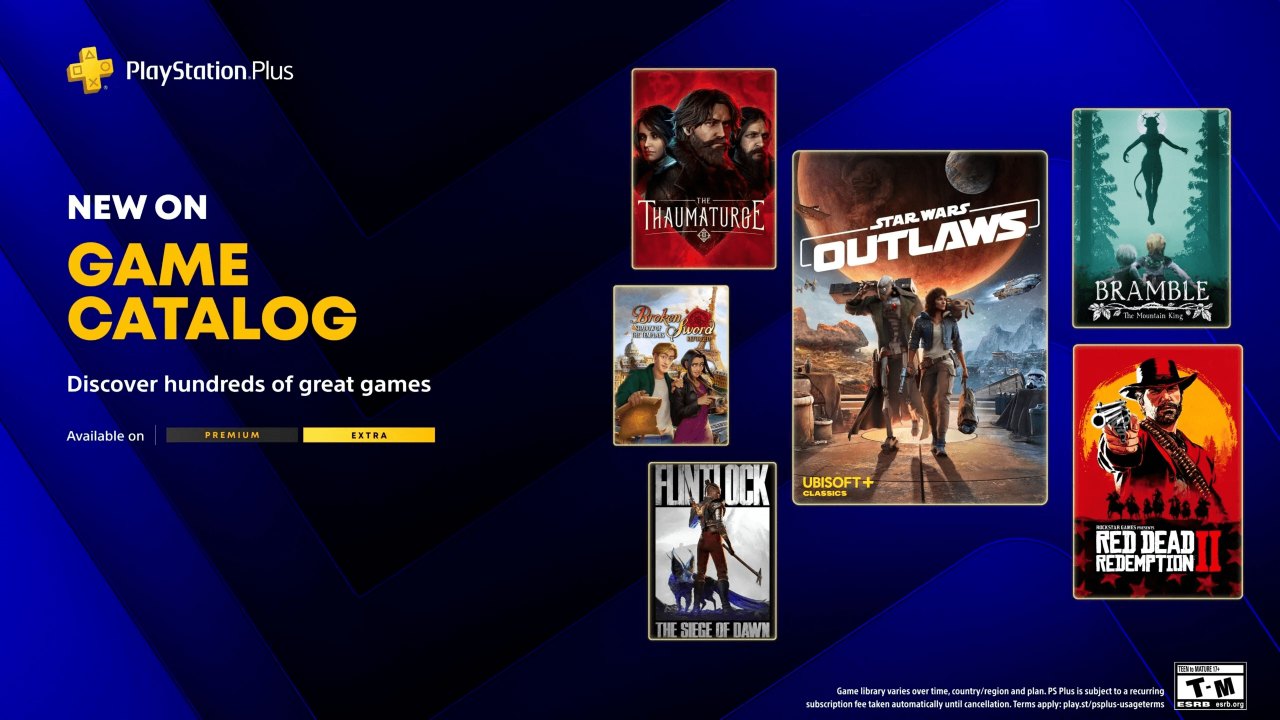
Sony still offers value in some areas of PlayStation Plus, especially for players who don’t buy many games each year. The Extra tier has a large catalog, and someone who just bought a PS5 can easily spend months exploring that library. Even paying for a month or two can feel worthwhile in that situation.
The Premium tier, though, has become much harder to defend. At $160 per year, many players expected a stronger lineup of classic games, but the additions have slowed down to the point where getting even two classics in a month feels notable.
What confuses some players most is the explanation behind the increase.
With consoles, people understand that manufacturing costs, memory prices, and hardware components can become pricier over time. Subscription services are different because there’s no physical product involved. From the outside, it looks more like Sony finding another way to increase revenue from the existing PlayStation audience.
Sony has already talked to investors about monetizing the current player base more aggressively, and subscription pricing fits directly into that strategy. A small increase multiplied across millions of users quickly turns into tens of millions of dollars in additional revenue.
That extra money can help offset rising hardware costs, development expenses, and even failed projects. Some players have pointed toward struggles involving projects like Concord or Marathon as examples of expensive problems Sony now has to balance financially. Even with accounting write-downs and restructuring, companies still need ways to maintain profits, and subscription services are among the easiest places to do so.
At the same time, the increases keep pushing console gaming closer to a point where people start reconsidering the overall value. Nintendo still charges around $20 annually for online services, while Sony's and Microsoft's are much higher.
Before the Switch era, Nintendo didn’t charge for online multiplayer at all, which makes the current landscape feel even stranger.
There’s also growing discussion around whether Microsoft could disrupt the market by eventually making online play free on future Xbox hardware. Even if a next-generation system launches at a higher price, removing subscription fees could save players hundreds of dollars across an entire console generation.
That matters because players are already preparing for what could be an expensive future. Rumors around the PS6 have led to speculation about prices reaching $600 or even $700, especially as companies deal with rising development costs and more expensive components.
Every new increase adds to the feeling that gaming is becoming more expensive from every direction at once. One dollar here and three dollars there may not sound dramatic individually, but over time it starts to feel like the slow buildup toward much higher yearly costs just to stay connected online. And with the PlayStation 6 era already starting to appear on the horizon, these increases may only be the beginning.
Senior Editor, NoobFeed
Related News
No Data.