
Steam’s Latest Upgrade, Steam Deck Performance Boosts, and Steam Frame Release Progress
Steam’s newest bundle pricing feature introduces a streamlined method of identifying lower-cost game options directly within the cart.
News by Masaru Hoshino on Dec 23, 2025
A new Steam feature automatically notifies you when a game in your cart is available at a lower price as part of a bundle. Previously, if you selected a game like Elden Ring and there was a bundle that included it alongside another title—say Night Reign—the bundle would discount the individual games.
If you already owned one of those games, Steam would subtract the price of what you owned, making the remaining bundle cost lower than purchasing a game individually. A lot of us have been using this trick for years, especially with indie games that often bundle together through developer collaborations.
Now, Steam surfaces this information directly in your cart. If you place an individual game into your cart and there's a bundle that provides a better price—especially if you already own part of it—Steam will tell you. It can even result in situations where grabbing two games in a bundle is cheaper than buying just the one title you originally wanted.
Some other stores put developers ahead of customers, while Steam always puts the user experience first. Developers often say that platforms like Epic Games Store are better for developers. Still, players tend to choose Steam since it is easy to use, saves money, and is convenient.
Epic Games Store may offer coupons, free games, and exclusive titles like Alan Wake 2 or Borderlands 3 that debut there first. Still, users often overlook these games until they come to Steam. A lot of people still think of the Steam launch as the "real" PC release of the game.
When a game isn't making enough money under an Epic exclusivity arrangement, the obvious thing to do is put it on Steam. Steam's new package pricing reminder is an example of how the platform puts customers first. Valve doesn't have to do these things, but they do them anyway.
They cut back on refunds, help gamers save money, and encourage more people to explore the store's library. The more money you save on one game, the more likely you'll buy another, fueling the ecosystem in a natural and mutually beneficial way.
Developers of Witchfire, The Astronauts, recently shared their thoughts on why supporting the Steam Deck can improve the quality of any PC game.
The game's creative director, Adrian, explained that unless a title is extremely complex or tied to an inflexible engine, most studios should aim to optimize for Steam Deck. Running well on Steam Deck inherently means the game will scale effectively across all kinds of PC hardware.
Because the Steam Deck is low-end compared to desktops and larger laptops, optimizing for its 800p screen and low-power environment also ensures that the game performs even better on stronger hardware. This leads to a smoother experience for players everywhere.
Many games have had issues with Unreal Engine 5, often resulting in stuttering when moving, pop-ins, or unstable frame rates. Players start to lose faith in the next UE5 game when one of them surfaces these faults. A lot of people even wait for Digital Foundry films or community benchmarks before they buy a new game. In this setting, strong optimization is more important than ever.
Steam Deck community is passionate and loyal. When a game is well optimized for it—like Baldur's Gate 3, or Witchfire after its recent update—players show up, buy it, and engage with it for long stretches of playtime. If a Steam Deck preset is slapped together with only low settings or slightly enlarged text, players notice. But when developers invest the time to truly optimize, the payoff is immediate.
.jpg)
Witchfire is a great example. It runs at a blend of medium, high, and a few low settings, delivering a mostly locked 40fps. This level of performance on a handheld device signals overall good development practices that extend far beyond the Steam Deck.
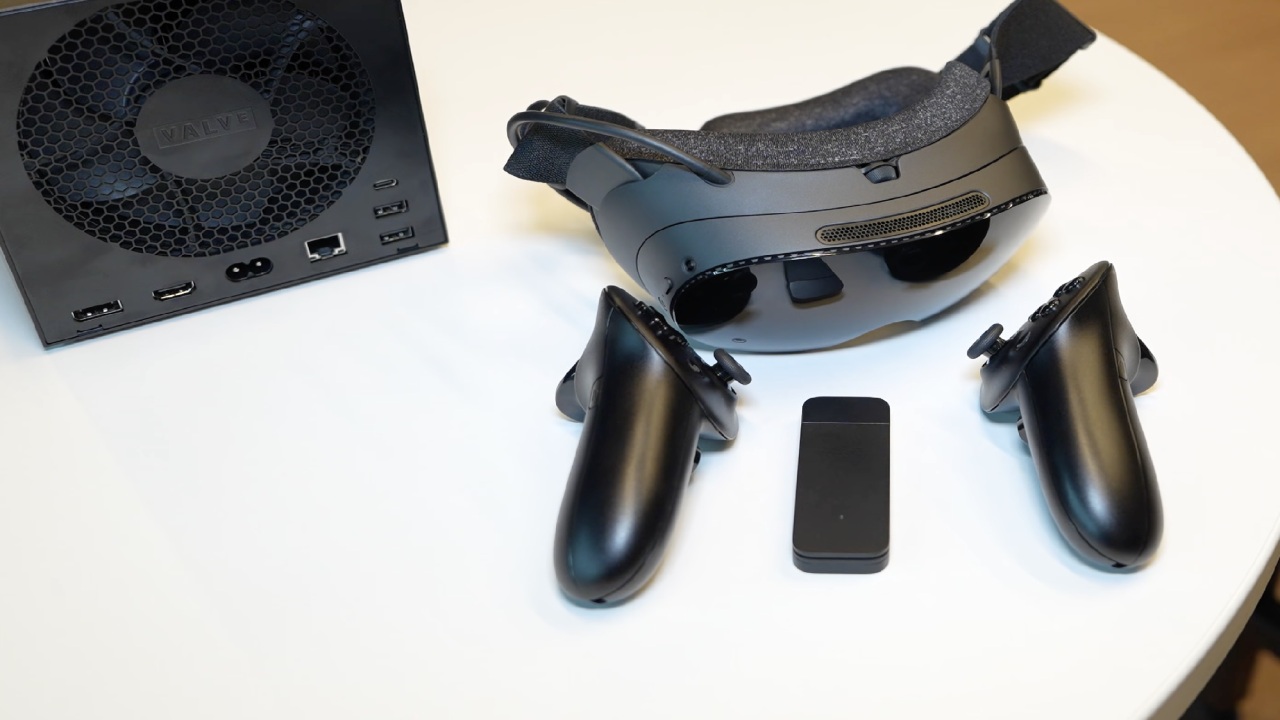
Interest in Valve's upcoming VR headset, Steam Frame, continues to grow. Even though there were worries about hardware delays caused by RAM and SSD shortages, the device still seems to be aiming for a release date in early 2026.
Developers have already gotten word that Steam Frame development kits are being packed up and sent out before the holidays.
Steam Frame runs on an ARM chip, similar to the Oculus platform, which also uses ARM architecture and supports Android-based VR games. This significantly eases the porting process. Most VR games built for Meta headsets are essentially Android apps with VR layers, so Valve handling backend porting could make cross-platform support extremely accessible.
Many developers and players in VR communities are tired of Meta's attention moving away from VR and toward AR and XR projects. Fans want a gaming headset first, and Valve looks ready to deliver just that with the Steam Frame. One big benefit is that you can play Steam games directly without dealing with unreliable wireless Steam Link setups.
There's also excitement about revisiting major VR titles. For example, planning when to play Half-Life: Alyx becomes a strategic choice. Some may prefer to wait and make it their first Steam Frame experience rather than playing it on another headset beforehand.
Between new Steam features, developer insights, and early movement on the Steam Frame, a lot is happening in Valve's universe. These changes show how important it is to prioritize strong optimization, ease of use, and a design that puts the customer first in the PC gaming sector for the long run. There is a lot to look forward to, like saving money with better store features, playing better games owing to Steam Deck-focused development, and the next wave of VR devices.
Editor, NoobFeed
Related News
No Data.