
The Guild - Europa 1410 Quietly Resurrecting the Lost Art of Strategy Games
With dynasties, deceit, and diorama towns, Europa 1410 trades micromanagement for legacy-building in a living, breathing world.
News by Zahra Morshed on Aug 07, 2025
Today, strategy games are often hard to tell apart because of all the menus and micromanagement they require. But one game is quietly getting ready to bring back a lost genre. The Guild - Europa 1410 is the fourth game in the series that started in 2002, but hasn't been updated since 2002. This time, it's not following trends; it's going back to its roots.
Europa 1410 is more than just a historical playground. It takes place in the heart of the Holy Roman Empire in the early 1400s. It is a planned fall into the world of power, money, and fame, where dynasties form, alliances fall apart, and the signature is the most dangerous tool, not the sword. The Guild is very different from other city-building or grand strategy games because it is very personal. Players start as commoners and have to buy their way into power one trade deal, office race, or backroom betrayal at a time.
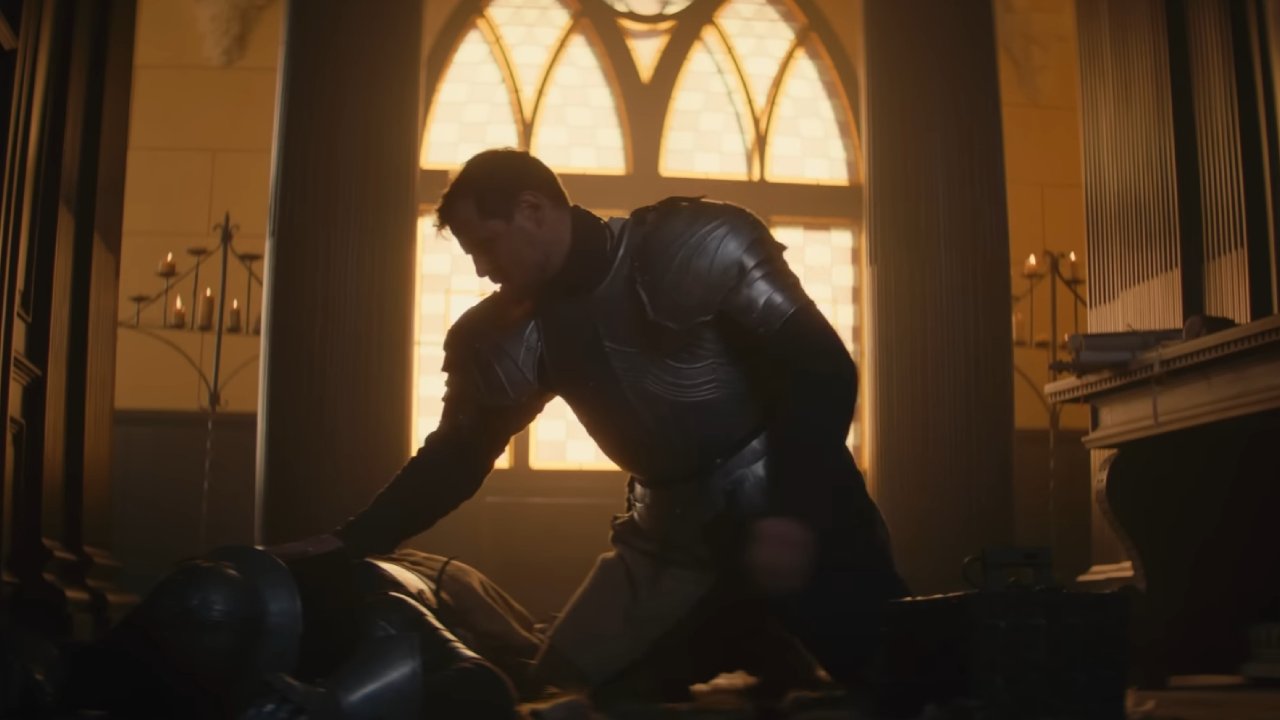
This is not a remake or a replay for old times' sake. With the success of Last Train Home (86% on Steam), Ashborne Games has been asked to change the way the Guild works. Their clear goal is to get rid of the extra stuff, improve the core, and make a game that moves and breathes whether the player does anything or not.
Time is the one engine that makes everything work. In The Guild - Europa 1410, the story takes place over 150 in-game years, with separate rounds for each year. Changes in the seasons aren't just pretty; they have effects on the business, trade, and society. People are born, rise, and fall. Families keep going. And if your main character dies from a disease, poison, or politics, their children will take over, but they will have their own traits, goals, and memories.
This family history turns into a second theme of the game. Each round, players only control one character directly, but their whole family is still active in the world, run by a complex AI system based on utility. Each family member who isn't playable makes their own plans to reach their own goals. They might want to become a priest, a judge, or something even darker. You can support their goals, teach them, and give them tools or awards. But once the new year starts, you can't change what happens to them. Influence can't be given, it has to be won.
The beginning is defined by the profession. At launch, you'll be able to play eleven different jobs, from the more traditional like blacksmith, merchant, and alchemist to the less common like guard, thief, or priest. This changes how you see the game's power systems and how much money you start with, as well as how you interact with the city, its guilds, and its groups. Whole city powers may grow from this seed, or they may die.
But The Guild - Europa 1410 isn't like other sims because it's not based on pure economic growth. Corruption is money here. Suspense is the foundation. Players are urged to gain power by sabotaging, blackmailing, or manipulating the law, or by using more mysterious methods. Using toad slime as a bioweapon. Smelly perfumes that make people fight with each other. Bribery, fraud, and even planned killings were all done. Every office can be taken by law or by knife if the right strings are pulled.
And all of this is happening in towns that are alive and full of history. Ashborne is creating settings based on real records from the 15th century. These include accurate recreations of cities like Nuremberg and Kutná Hora (Kutenberg), which Kingdom Come: Deliverance 2 fans will recognize. The setting of the church of St. Barbara, which is still being built in both timelines, is almost eerie, suggesting that both authors see Europe as a troubled place on the verge of becoming modern.
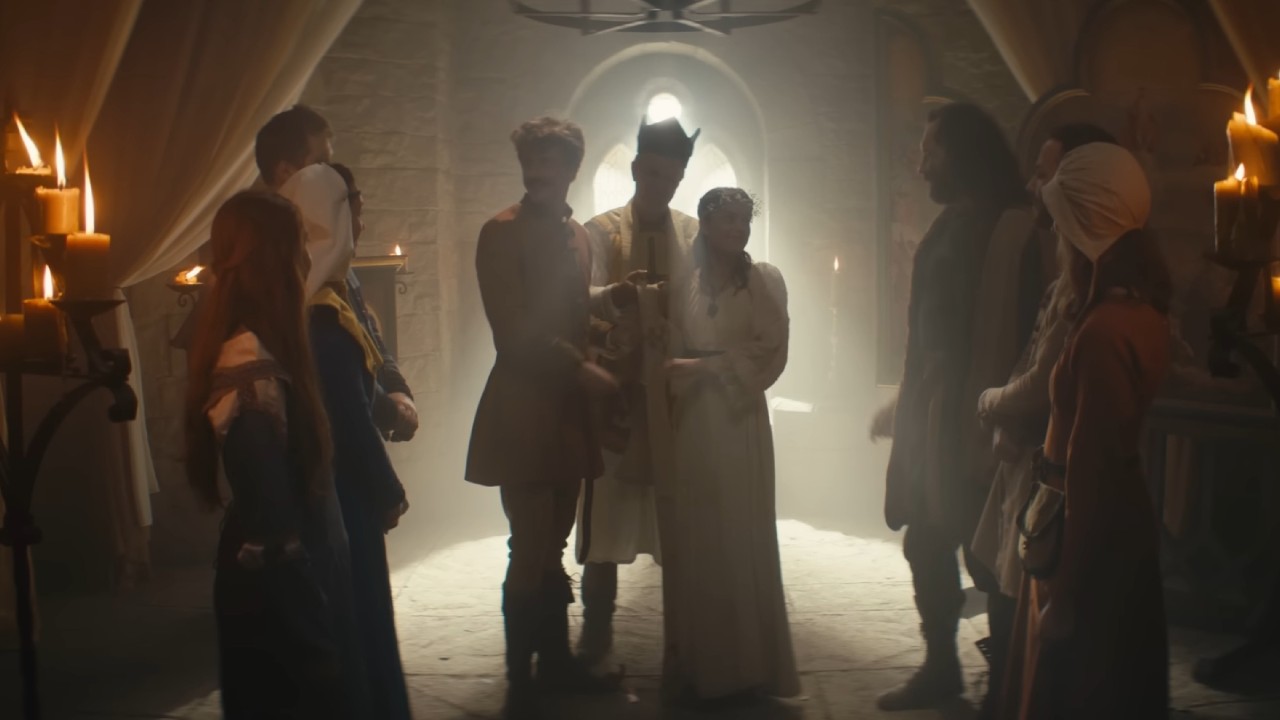
The visuals show this mix of realism and stylization. A new "diorama view" shows buildings as cutaways with lots of details. It looks like a mix between a model and a stage play. One wall comes down to show small dramas: councils voting, craftsmen hammering, and plotters whispering. This choice comes from historical necessity—for example, blacksmiths often worked outside—but it gives the game a unique, tactile look.
Europa 1410 seems focused and deliberate, while The Guild 3's character was spread out. The Sims-like house-based role-playing has been cut down. Now, the focus is on long-term planning, political maneuvering, and using economic power. This systemic method is strengthened by multiplayer, which can support up to 12 players. There is no campaign or script; there is only a world ready to be shaped by desire.
Expectations are cautiously high since there are no plans for early access, and the full release is set for 2026. Ashborne seems to know what made The Guild so popular twenty years ago: it wasn't just the setting; it was the allure of slow, planned dominance as well. The appeal of seeing a city grow or fall apart while you're not there.
Guild - Europa 1410 doesn't yell. It talks softly. It makes you want to. It won't even try to get your attention when it gets there. It will earn it.
Contributor, NoobFeed
Related News
No Data.