
XBOX Starts Cutting Ninja Theory Staff as Studio Faces Closure
After years of acclaimed work, the developer is reportedly cutting jobs as efforts to find another path for the UK team appear to have stalled.
News by Adeela Tas on Oct 06, 2026
The latest Ninja Theory layoffs mark another difficult point after Microsoft reportedly moved ahead with job cuts at the UK developer. The studio behind Hellblade: Senua's Sacrifice and Senua's Saga: Hellblade II had already been facing an uncertain future after two separate attempts to find another arrangement for the company fell apart.
Now, employees are sharing messages that indicate redundancies are affecting multiple roles, giving a clearer picture of how widespread the cuts are. The situation follows a broader reset across XBOX's studio lineup, making Ninja Theory layoffs another visible sign of that shift. Double Fine and Compulsion Games have gone independent, Undead Labs' future is still up in the air, and Halo Studios has been caught up in the shake-up too.

Against that backdrop, Ninja Theory layoffs add another example of how aggressively XBOX is reassessing its development operations.
The first signs of the latest development came after Microsoft said it would begin consulting employees over a proposed closure while continuing to look for alternative options, leaving workers waiting for a decision that could reshape the studio. Consultation involving another studio was expected to continue through the end of the year, but the situation surrounding the latest Ninja Theory layoffs has now become more immediate.
Employees have begun publicly describing their positions as being at risk of redundancy. One technical sound designer, who had spent almost 12 years with the studio, explained that their role was now under threat. They had joined in early 2015 and described their time there as an important part of their career, particularly because of the people they worked alongside.
Their experience also highlights how specialist work can disappear when a studio downsized. The developer had handled much of the dynamic audio work on recent projects, including technical systems built with Unreal Engine Blueprints and Wwise integration. They were also looking for new opportunities while encouraging other teams to consider their former colleagues for sound design positions.
That message makes it clear the layoffs aren't limited to one person. Other sound designers and members of the wider team are reportedly being affected as the studio works through the process. For people who spent years building expertise around the studio’s projects and production tools, the uncertainty means searching for new roles while leaving behind a team they helped build.
Another former employee described the experience in more personal terms.
That just shows how deeply the studio had become connected to their career and life. They had moved to the United Kingdom specifically to join Ninja Theory, making the studio the starting point of their career in games. After four years, they said it was difficult to explain how important the workplace and its people had become.
For them, the biggest takeaway was not simply the projects they worked on, but the care people brought to the work. They spoke about learning and developing as a programmer while working with talented colleagues who paid attention to detail and supported one another. Losing that environment is therefore about more than losing a job.
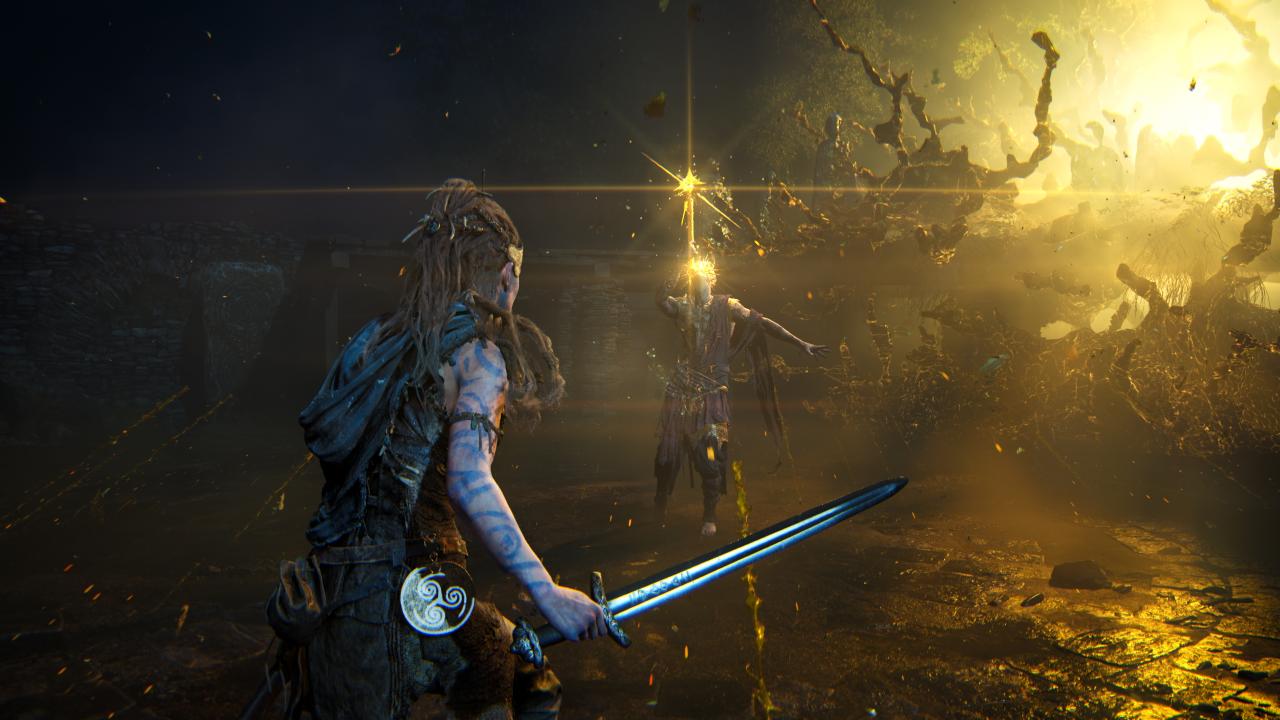
It means the end of a formative period for people who grew professionally inside the studio. Ninja Theory has always occupied an unusual position within XBOX. Its games have generally been more focused and niche than the biggest blockbuster releases, while still receiving attention for their atmosphere, storytelling, and technical presentation.
Enslaved: Odyssey to the West remains a memorable example of the studio’s earlier work, while the original Hellblade became known for the way it approached mental health and psychological experiences through its story and design.
The problem is that critical or creative ambition does not automatically translate into the commercial performance needed to protect a studio.
Hellblade was a relatively niche project, and its sequel represented another major investment in a series that had never been positioned like one of XBOX's largest franchises. Project: MARA offered a different direction, and it could have given the team a chance to move into a different kind of project, but its unusual concept also made it hard to judge as a straightforward commercial bet.
The studio's more recent Senua project was presented as another major part of its future, yet it hasn't generated the level of wider consumer excitement XBOX may have wanted. Project: MARA was not the only uncertain bet, yet it has not generated the level of wider consumer excitement XBOX may have wanted.
That leaves Ninja Theory in an awkward position: it has experienced developers, established technology, and specialist production capabilities, but its recent projects have struggled to build the broad momentum that can justify keeping a large team intact.
That is what makes the Ninja Theory layoffs especially frustrating for people who have followed the studio. The criticism is not necessarily about the developers themselves or the creative decisions they made. Instead, it comes from watching highly skilled teams put years of work behind projects that may have had limited room to become major commercial successes.
There was also considerable frustration around the visibility of some of these games.
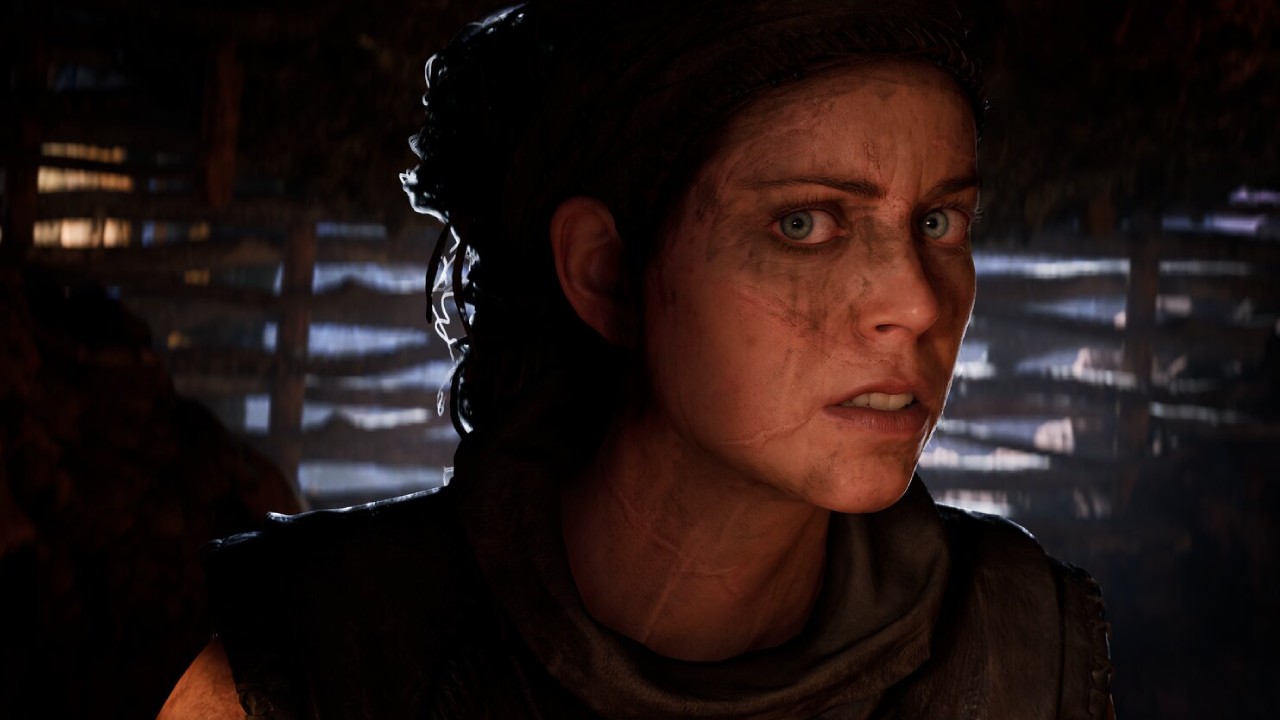
Hellblade and its follow-up didn't always seem to get the marketing they needed to reach a larger audience. When a game is already targeting a narrower audience, limited promotion can make it even harder to build momentum. The studio’s performance capture capabilities are another part of the picture, and Ninja Theory layoffs put that specialist infrastructure under further pressure.
Employees have described building a high-level performance capture stage through extensive shoot days, large amounts of recorded data, new production pipelines, and countless practical challenges. One departing team member said the PCAP group had grown both professionally and personally while creating a facility they believed was among the best of its kind.
That employee also shared a sentiment that captures the complicated feelings surrounding the layoffs: even knowing how the story would end, they would still choose to do it again. The statement reflects how strongly some workers valued their time at the studio, despite how their employment ended.
For those affected by Ninja Theory layoffs, that kind of reflection may be one of the few positives available. Corporate restructuring is ultimately a business decision, and individual employees often have little control over it. They can carry forward the skills, relationships, experience, and memories built during their time there.
That perspective also matters because people leaving after the Ninja Theory layoffs aren't starting from zero.
Their public statements show experience across programming, sound design, technical audio, performance capture, and production infrastructure. Those skills can move to other teams, and former employees are already encouraging potential employers to consider their colleagues.
Uncertainty remains about what happens next, especially after the Ninja Theory layoffs. The studio could potentially be reduced to a smaller operation, or another company could eventually step in and acquire it. The current process could also lead to a more permanent end for the existing team. At this stage, the outcome remains unclear.
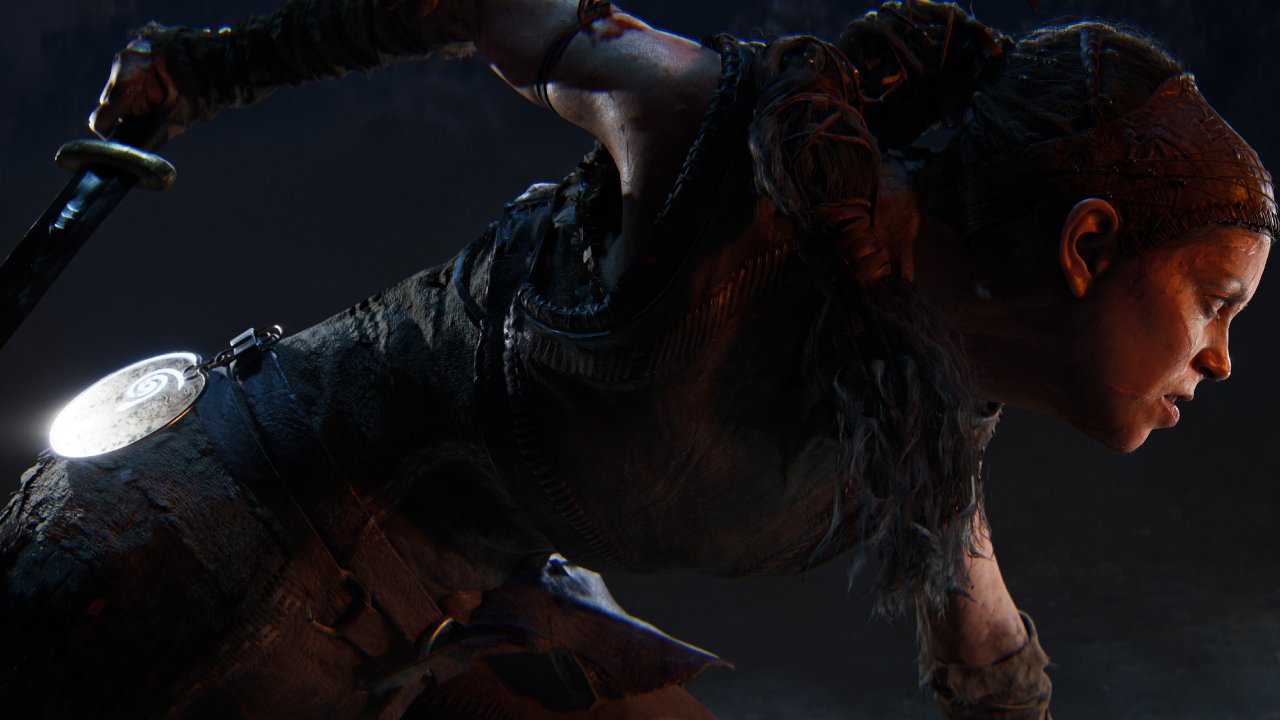
For XBOX, however, the situation reflects a much larger calculation about budgets, priorities, staffing, and the future direction of its first-party development portfolio. The company has been reconsidering how its studios are structured, where its development money goes, and which teams have a realistic path toward future releases. Independence has offered one solution for some developers, but it cannot necessarily work for every studio.
Ninja Theory layoffs therefore represent more than a round of job cuts. They show what happens when a studio with a distinct creative identity struggles to find a project that can satisfy the commercial expectations of a much larger platform holder. The talent remains, and the work produced over the years doesn't disappear, but the structure that brought those people together can change quickly.
For players, the studio’s legacy will remain tied to games that took risks with storytelling, performance, and subject matter. For the developers leaving, the next chapter will likely involve taking what they learned and finding somewhere new to use it. Whether Ninja Theory keeps its name is still unclear, but the people behind its games will take what they've learned into whatever comes next.
Editor, NoobFeed
Related News
No Data.