
Xenoblade Genesis Could Be Monolith Soft's Biggest Breakthrough Yet on Switch 2
New recruitment message, next-gen hardware, and a bold direction point toward a major shift for Monolith Soft.
News by Mahi Araf on Jun 20, 2026
You're looking at Xenoblade Genesis as more than just another entry in the lineup, and there's a growing belief that it could end up being Monolith Soft's most successful and best-reviewed game to date, possibly even their strongest overall project. That idea isn't coming out of nowhere either, because when you break down the recruitment messages, development timing, and what's been shown so far, it starts to feel like this project is being shaped on a much bigger scale than what you've seen before.
A key part of that comes from a message written by Tetsuya Takahashi in 2024 during recruitment for Monolith Soft. At the time, it wasn't directly revealed what the project was, but looking back, it lines up closely with Xenoblade Genesis. In that message, Takahashi explained that the studio was hiring for a new RPG with many new challenges compared to previous Monolith Soft titles.
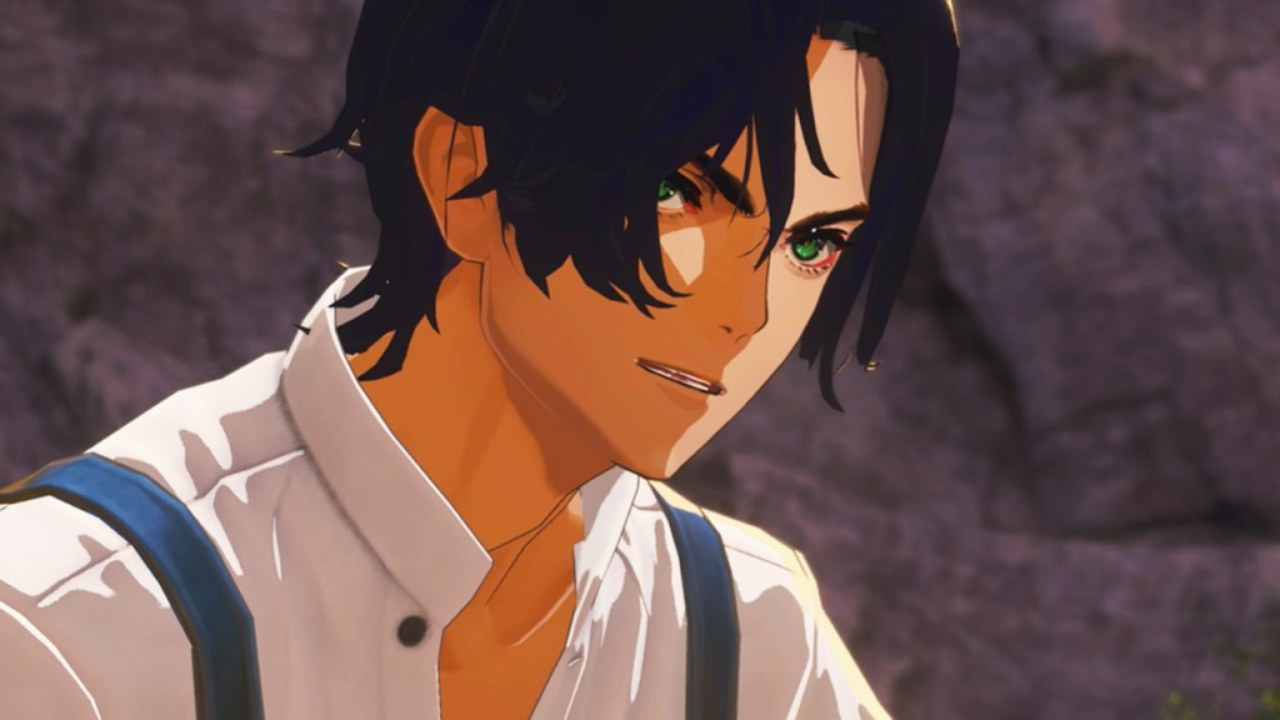
You're told that the scope is more complex, the work is more demanding, and they need a wide range of talent across all development areas, from asset creation to leadership roles.
He also makes it clear that Monolith Soft has historically worked with relatively small teams compared to the size of their games, but that approach is no longer sustainable in today's game industry. The expectations for modern RPGs, especially open-world ones, have grown too large for that kind of structure alone. Instead, you're now in an era where efficiency, coordination, and cross-functional teamwork matter more than ever.
In that same message, he goes deeper into what makes RPG development so difficult. Fields, battles, characters, quests, and story elements are all tightly connected, especially in open-world games. If those systems aren't aligned properly, you would immediately notice it as a player. That level of coordination is exactly what Monolith Soft is trying to improve, and it's part of why they're expanding recruitment so heavily for this project.
At the same time, the message's tone remains very open. Takahashi describes Monolith Soft as a place that is not rigid or overly strict, especially in this production. Instead, it's described as a more relaxed and collaborative environment where people are encouraged to join and help build something new together.
That balance between structure and freedom is part of what defines how Monolith Soft operates.
When you connect that message to the timeline, it suggests Xenoblade Genesis likely began early development around 2022 or 2023, after Xenoblade Chronicles 3 and its Future Redeemed expansion wrapped up. That puts the expected release window in 2027 into perspective, giving it roughly a four-to-five-year development cycle, which is fairly standard for a large-scale RPG of this type.
By 2024, as recruitment was expanding, the core structure of the game was likely already in place. This generally involves establishing the big story ideas, the basis for world-building and initial systems, and then having new hires refine, grow, and polish the game. "You're really seeing the phase of development turning to cohesion, debugging and making sure everything works together well," he said.
Expectations are also heavily influenced by the upcoming Nintendo Switch 2.
The new hardware should be substantially more powerful than the current systems in terms of memory, processing power, and graphics capability. This is something that matters for a studio such as Monolith Soft, whose games are known for their large-scale environments and complex systems that push hardware limits.
You've seen Monolith Soft achieve impressive results before even with limited resources, such as Xenoblade Chronicles 2 being built with a relatively small team while still delivering a massive RPG experience. But with Xenoblade Genesis, the expectation is different. The hardware enables greater detail, density, and ambition, so the team doesn't have to rely solely on efficiency and creativity to compensate for technical limitations.
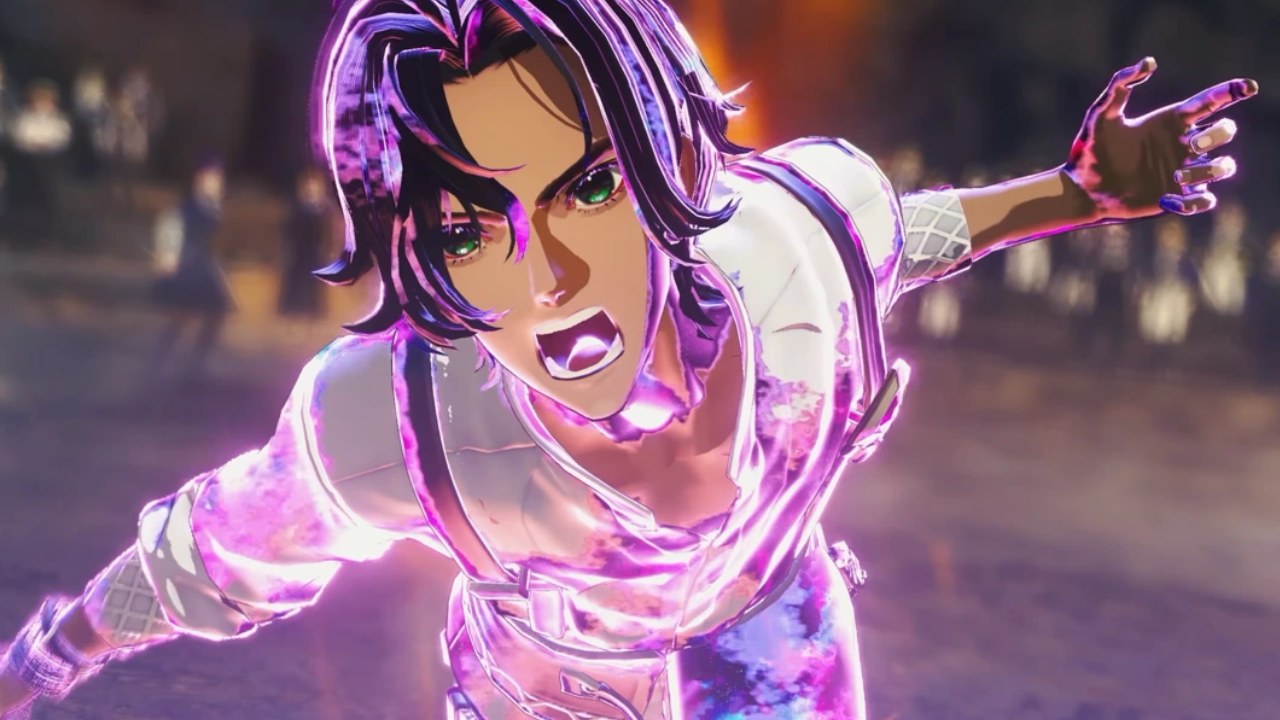
From what's been shown so far, Xenoblade Genesis is also in one of the strongest early presentation states Monolith Soft has ever delivered. Historically, their early trailers and reveals often look rough or unfinished, even for major entries in the Xenoblade series.
But this time, the visual quality appears more stable from the beginning, even before final polishing.
There's also been attention drawn to differences between trailer footage and the official website materials, with some suggesting that the web version already shows improved visuals compared to the trailer. If accurate, that would mean the trailer was likely based on an earlier build, and the game is already progressing beyond what was publicly shown.
Alongside that, there's the business-pressure side of things. While Monolith Soft is best known for its work on the Xenoblade series, it also contributes to some of Nintendo's biggest franchises, such as Zelda, Splatoon, and Animal Crossing, with different production teams. However, their main RPG division still needs to deliver strong commercial performance on its own.
That creates an extra layer of expectation for Xenoblade Genesis.
Even with critical success from Xenoblade Chronicles 3 and positive reception for past titles, there's still a need for their flagship RPGs to perform well commercially. So when you hear discussions about this project needing to improve, it's not just creative ambition; it's also a business reality.
Takahashi's recruitment message reflects that balance. It emphasizes both creativity and responsibility, suggesting that this project is being built with a stronger focus on coordination, scale, and efficiency than before. That's part of why there's a belief that Xenoblade Genesis could represent a turning point for Monolith Soft.
Another major discussion point is how the game might approach new players. One of the ideas being considered is that Xenoblade Genesis could act as a kind of soft reset for the series identity. It's not that you are heavily tied to previous Xenoblade entries, but that the game is perhaps structured in a way that you can jump in without knowing older games.
This is important because Monolith Soft's games often feature intricate lore and interwoven stories. That's a strength for long-time fans but also a barrier for new players. A more accessible entry point could help the series reach a wider audience while still maintaining depth for returning players.
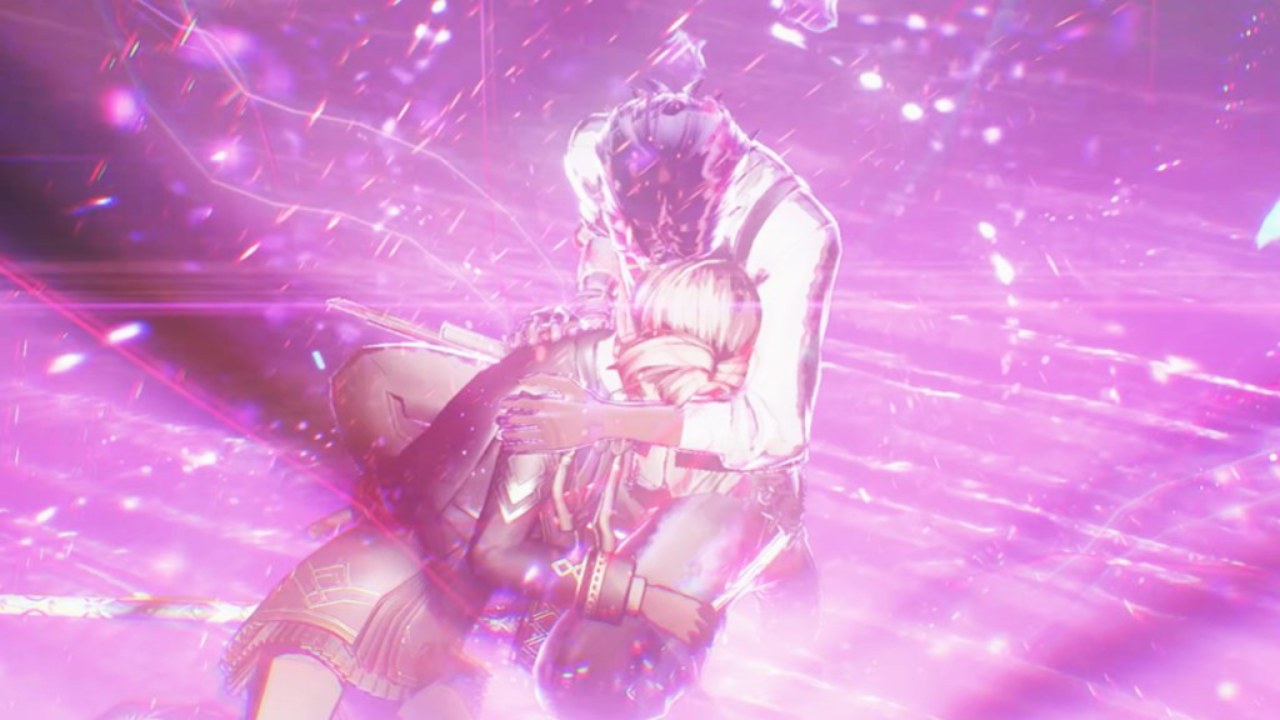
The game is also expected to set the tone for Monolith Soft's next generation on Switch 2 hardware.
First impressions matter a great deal here, especially since this is one of their first major titles designed specifically for next-generation capabilities. A strong launch will set the studio's perception for this hardware cycle.
Sales expectations are part of the discussion, too. The last Xenoblade game to sell a few million copies is often cited as the standard. Xenoblade Chronicles 2 and Xenoblade Genesis are expected to beat those numbers if they combine increased accessibility, improved graphics, and wider mass appeal.
On the gameplay side, one of the biggest unknowns is combat. So far, no combat system has been officially shown, which leaves a lot of room for speculation. Based on the direction described in recruitment messaging and the fantasy shift in tone, there's an expectation that the system may evolve away from traditional Xenoblade mechanics.
You could still see familiar elements like chain attacks or team-based mechanics, but potentially reworked into something more dynamic or hybrid in structure. There's speculation about systems that blend action-based control with cooldown or meter-based limitations, possibly giving you more direct control without losing strategic depth.
At the same time, core Xenoblade identity features like auto-attacking and art-based progression could remain in some form, since they've defined the series for years. The idea would likely be evolution rather than complete replacement.
Another noticeable shift is the setting.
Xenoblade Genesis seems to be drawing more heavily from fantasy than the more sci-fi-centric vibe of earlier entries. The character designs, environments, and world themes imply that we are dealing with another sort of world structure, possibly even positioned as a "new beginning" in a narrative sense.
It also mentions a new energy system called Mana, which is distinct from Ether or the systems of previous games. That further suggests this is not merely a continuation, but a reworked foundation meant to undergird a different kind of experience.
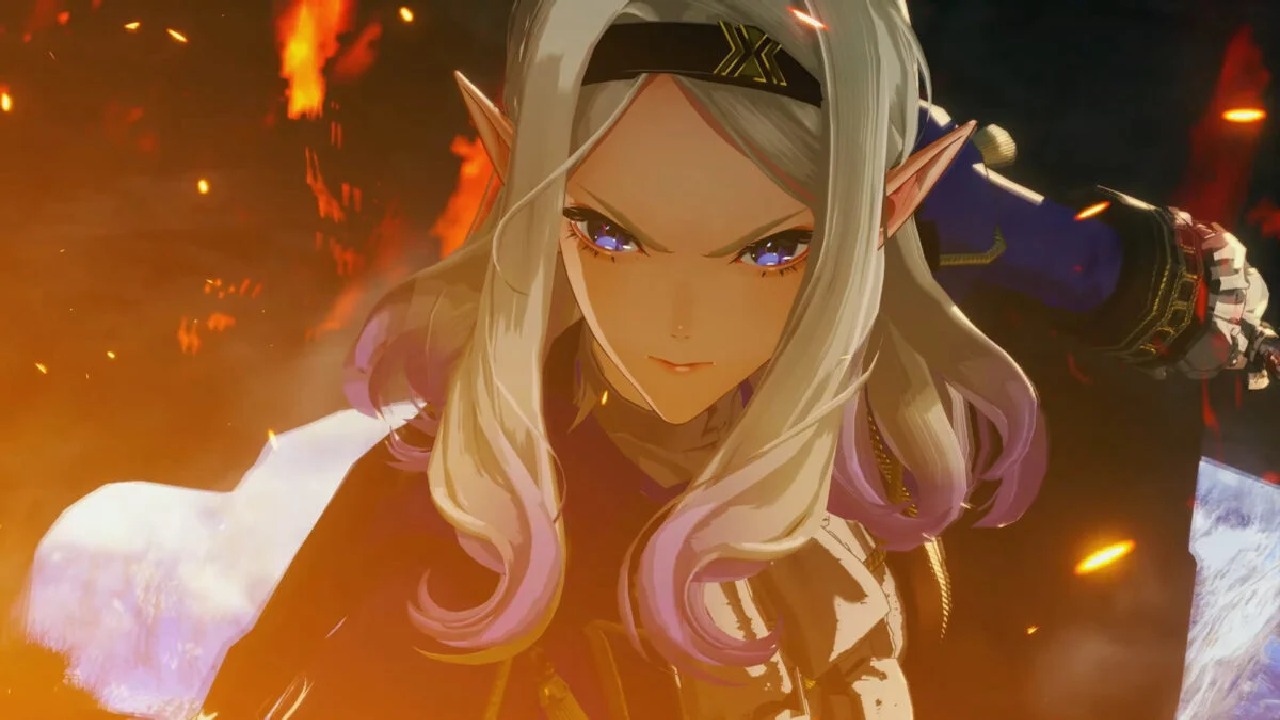
UI design is another point of expectation. Games from Monolith Soft have a lot going on at once, so their interfaces are always dense. Many players appreciate that depth, but it can also be overwhelming.
Maybe a cleaner, more streamlined interface can make the game more approachable without sacrificing complexity.
If Monolith Soft can make it accessible and deep, take advantage of the Switch 2 hardware, and improve on everything it's learned over the years, Xenoblade Genesis could end up being a defining moment for the studio. It's positioned not just as another sequel but as a major step forward in design, presentation, and scale.
Depending on the wider gaming landscape in 2027, it could also be in the conversation for serious awards consideration. Competition is always around the corner, so the impact of Xenoblade Genesis will likely come down to how well it can deliver on both promise and performance.
For now, all attention remains on Monolith Soft and how they continue to shape the project as it moves closer to release. The combination of new hardware, recruitment expansion, and design evolution points to a game being built with a much broader vision than before, one that could redefine expectations for the studio moving forward.
Senior Editor, NoobFeed
Related News
No Data.