
Ariana and the Elder Codex Review
PC
A richly illustrated action platformer that pairs spellcraft with satisfying momentum, even as predictable storytelling and limited enemy variety keep it from reaching the genre’s top shelf.
Reviewed by Zahra Morshed on Mar 23, 2026
HYDE is not a studio that comes with the instant cultural weight of the industry's biggest brands, but its best work has frequently had a calm technical exactness that rewards attention over hype. Compile Heart and Idea Factory International are helping Ariana and the Elder Codex get into the action RPG conversation as a side-scrolling fantasy adventure that knows how to make hand-painted worlds, layered combat systems, and progression based on movement and magic appealing.
It's not a sequel in the traditional sense, but it does feel like a spiritual extension of an older design philosophy that makes me think of how elegant 2D action games used to be when they didn't rely on big-budget extravagance but on mood, craft and tactile momentum. That heritage provides Ariana and the Elder Codex a clear sense of who they are right away, even before their more complex systems start to show themselves.
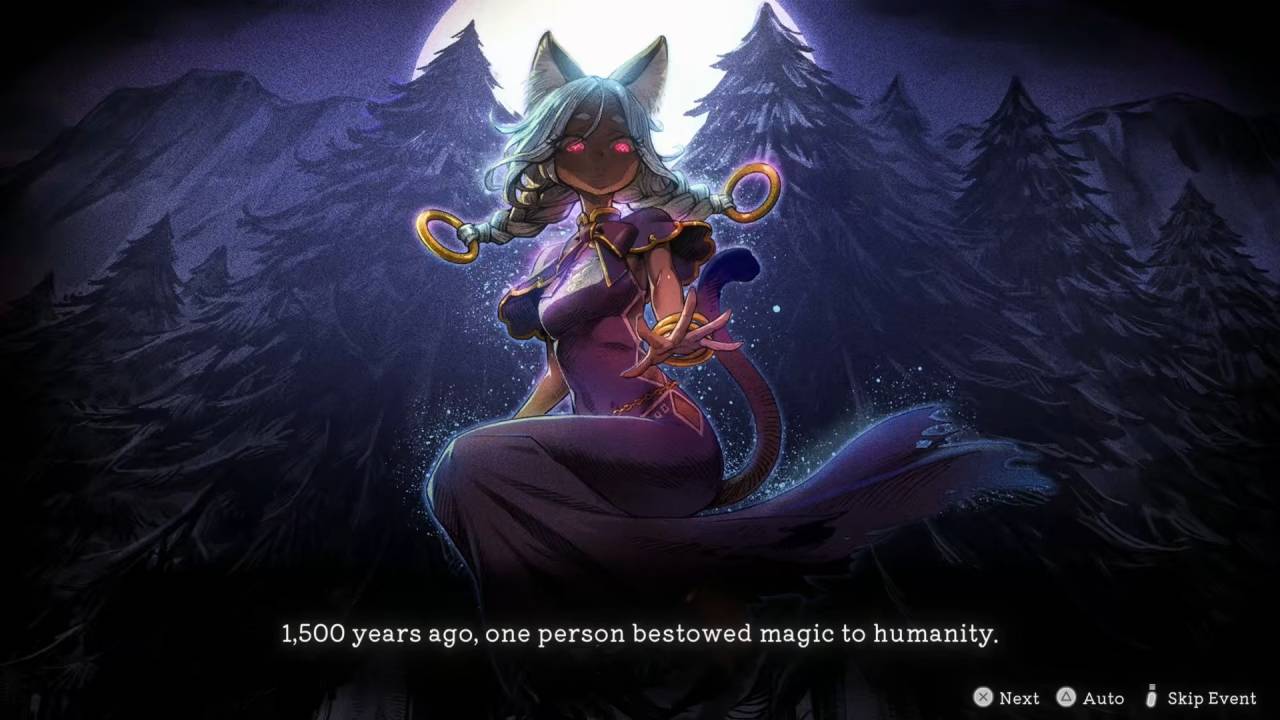
The premise is clear in terms of both business and story.
The Seven Hero Codices, the books that used to hold magic in the world, were shattered by an unknown force, and now magic is gone. Ariana, a librarian possessing the uncommon ability to enter those codices directly, is in charge of fixing them from the inside out and bringing back the world's lost magical order. It is a good hook because it combines a clear gameplay fantasy with magical lore.
The simple yet powerful notion behind Ariana and the Elder Codex is that books are not simply locations to store history; they are also worlds that can be explored and healed through action, discovery, and willpower. That idea also ties the game's themes together in a nice way. Each codex is both a level and a story object, where advancement, worldbuilding and visual identity all come together.
The whole production has a literary air to it, from the main library center to the fable-like stories in each book. This texture makes Ariana and the Elder Codex feel more thought-out than many other fantasy works that use larger fantasy shorthand. Even though the story ends up being more obvious than intriguing, the framing is still interesting because the universe feels like it was developed around a single metaphor instead of a bunch of unrelated concepts.
Ariana travels through broken codices, restoring them and learning more about a wider mystery that has to do with magic going missing, a strange Fairy of Light and what happened to her parents, who are missing. The story is simple enough to keep the game running, but its real strength is how it makes institutional duty feel personal. Ariana isn't just saving a kingdom because a prophecy says she should.
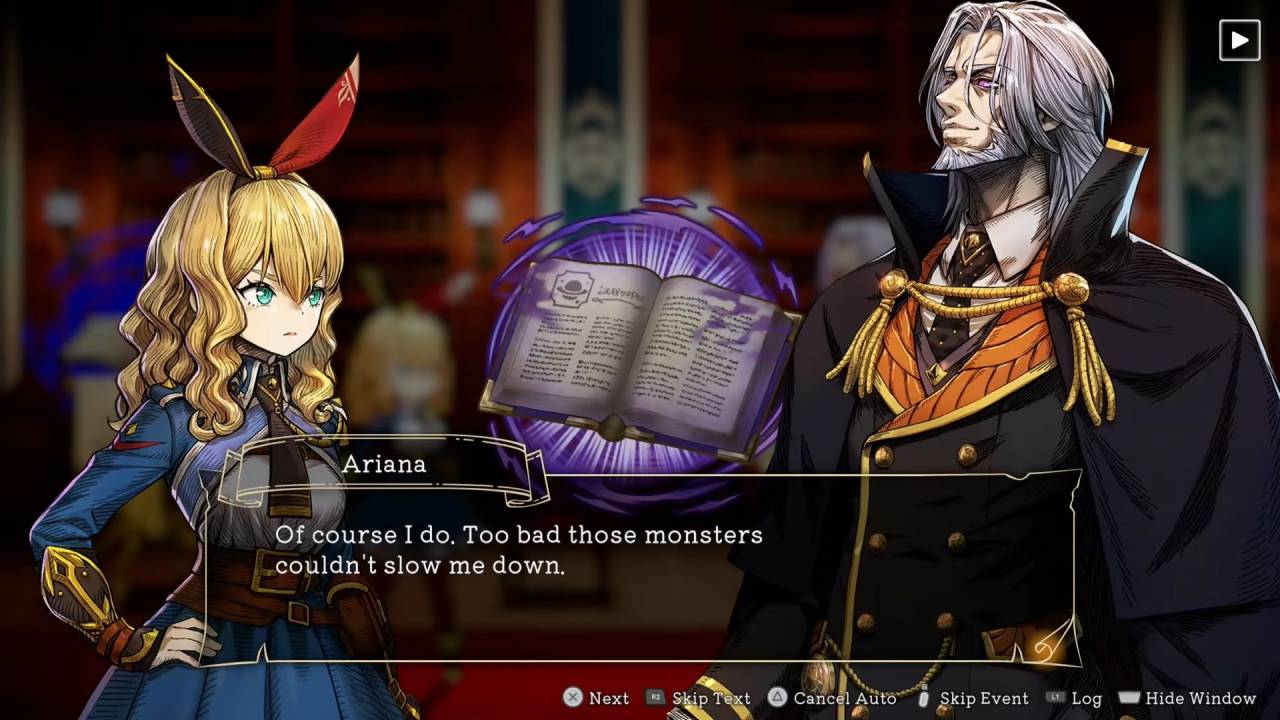
She is also trying to get around in a sphere where the stability, memory and emotional reality have all been broken. That makes Ariana and the Elder Codex's dramatic center more personal than its small size could make it seem at first. A lot of the affective context is built in the library hub. Non-playable characters talk about their pasts, how the world is changing, and Ariana's place in it. Lore books give a lot of information on fifteen hundred years of magical history and the codices themselves.
For players who like to learn about a setting's architecture, this density can be a good thing.
However, it also shows one of the game's main flaws. Ariana and the Elder Codex often put their best worldbuilding in text files instead of dramatized scenes. This means that the setting can feel deeper on paper than it does when it's moving. The individual codices help make up for the problem. Each one has its individual story that is based on a theme like sacrifice, healing, or independence.
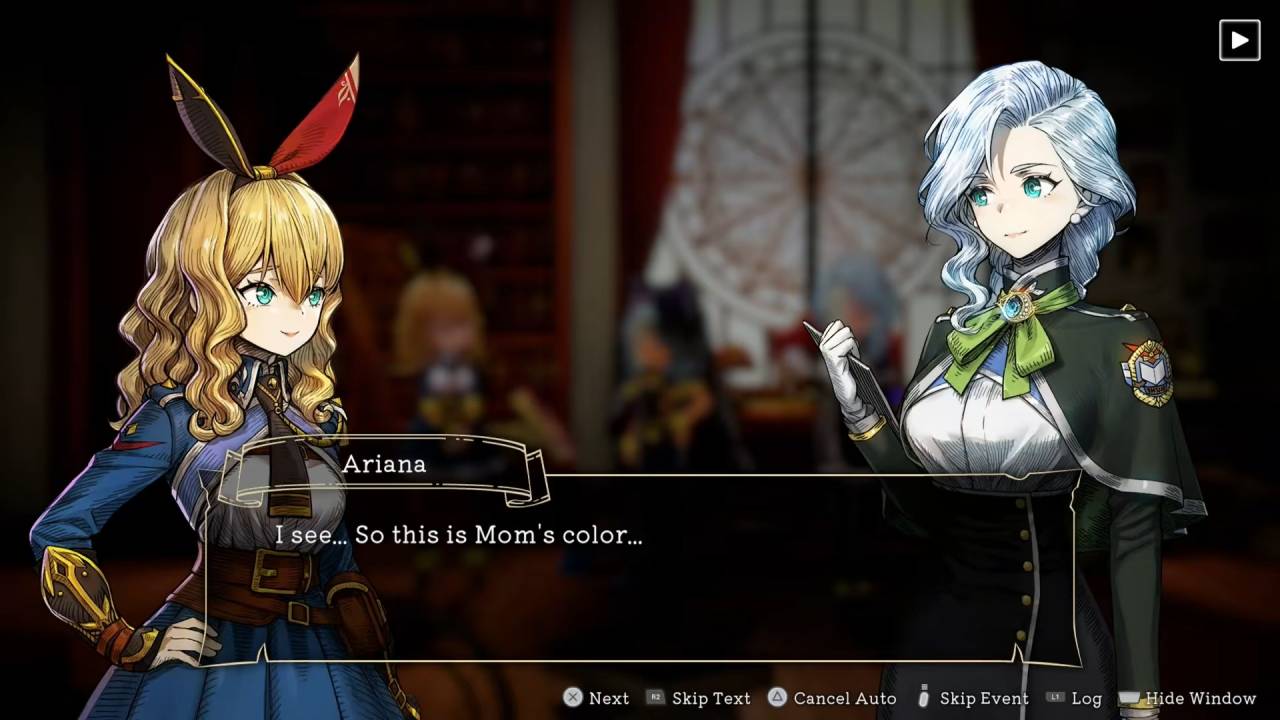
As Ariana moves from book to book, these stories provide the game rhythm, contrast and tonal change. They aren't very complicated, but they are beautifully framed and frequently have a lot of emotional richness in a small space. At those times, Ariana and the Elder Codex seems less like a puzzle box full of fantasy stories and more like a collection of fables that you may play. This is perhaps when the game is at its most charming.
The script isn't very good at keeping people on the brink of their chairs.
The main narrative is generally easy to figure out long before it is officially revealed, and some of the big twists are so clear that they lose their power. The tempo also makes that problem worse. Long lengths of exploration might make the main thread feel far away, so when story points do occur, they can feel more like planned checkpoints than natural climaxes.
Ariana and the Elder Codex has an interesting tale frame, but it doesn't always have the depth of feeling that would convert that frame into a genuinely memorable adventure. The main cycle is based on going inside codices, exploring their side-scrolling areas, finding Repair Points, finishing battle arenas or timed tasks, and restoring enough of each volume to go on. Ariana goes back to the Library between such trips.
There, she can study new spells, make new equipment, start side conversations, and learn more about the world. It is a clean and effective approach to proceed, and one reason Ariana and the Elder Codex stays interesting for the whole time is that it always makes it plain what the next important thing for you to do is. Exploration gives you a certain amount of freedom.
The codices aren't completely open mazes, but they do make you want to go back to places you've already been when you've learned how to move in new ways, such as double leap, air dash or ground pound. That framework puts the game close to the Metroidvania style, although it doesn't completely adopt its most nonlinear inclinations. In real life, Ariana and the Elder Codex is more like a guided action platformer with selected backtracking than a huge maze of interconnected zones.
This difference is important since it affects the game's strengths and weaknesses.
The good thing is focus. Levels are easy to read, small and don't waste your time with pointless roaming. New skills give you a good reason to go back to old codices, look for treasure and fix parts that were hard to reach before. The map gives you enough information to make cleanup feel like it was planned instead of boring. The bad thing is that the game never truly gets the thrilling sense of spatial mystery that makes the best instances of the genre so great.
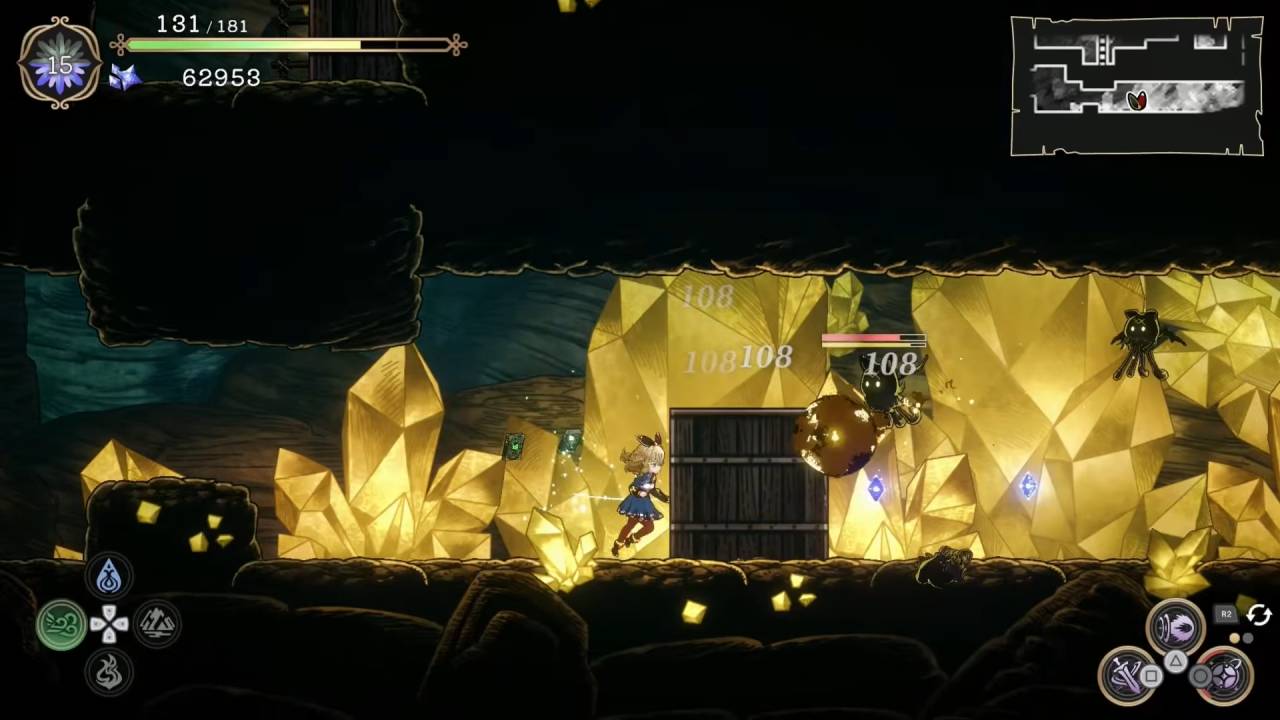
The Elder Codex and Ariana are well-made, but they don't do anything new or exciting with how they structure discovery. The repair system is a very good feature. Each codex has tears in it that act as difficulty nodes. Ariana has to overcome waves of foes or accomplish timed traversal tasks to fix the book. These parts change the pace of the story in a nice way and connect the story about fixing stories to the mechanical process of proving proficiency.
They also make you feel more like you've finished something than basic percentage meters do. Ariana and the Elder Codex works here because it makes restoration something that can be done, seen, and measured. The game's best feature is combat, which is also the main reason why it feels so active at all times. Ariana can use six spells in total, which are separated into two sets that may be switched between.
She also has a basic magical sword that lets her attack quickly and easily in close quarters.
These skills include offense, support, healing, defense and mobility. You can choose to play aggressively, set up elemental attacks, stay alive for a long time or mix and match different styles. When the system opens up, Ariana and the Elder Codex turns into a miniature lab for spell interaction, managing cooldowns and moving with accuracy. The elemental explosion mechanic takes the battle from good to great. When magic hits enemies, they build up elemental pressure.
When that gauge is full, they explode, hurting nearby enemies as well. The end result is a battlefield pattern that encourages trying new things instead of doing the same thing over and over. With a good loadout, you can weaken one enemy, start a burst and then watch the arena fall apart in a satisfying stream of magical damage.
It is a polished, expressive mechanic, and Ariana and the Elder Codex knows just how to make it feel amazing without making it hard to read. Boss fights change the rhythm a lot. Bosses, on the other hand, require discipline, memory and precise timing while dodging. A lot of them are multi-phase fights with big attack patterns, a lot of damage and no room for mistakes. This is where the game starts to split people up.
For gamers who have been around for a while, these clashes are when the systems really show how deep they are. For some, they may feel like abrupt spikes in anger. When you fight bosses in Ariana and the Elder Codex, it's often exciting, but it may also seem like punishment when one mistake ends a long try. The best thing about the combat design is how responsive it is. Ariana moves quickly and confidently, strikes the chain cleanly and loadouts can be customized to fit each of your styles, and elemental synergies reward you if you are curious.
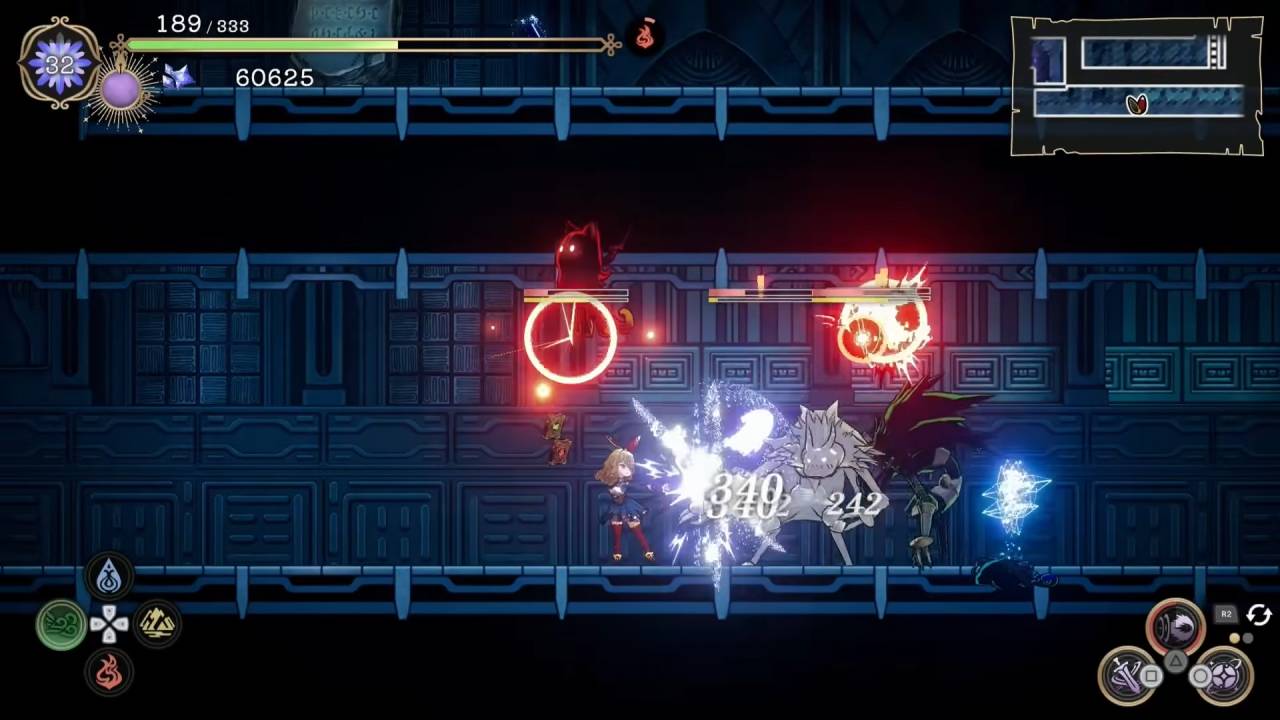
There is a strong sense of authorship in developing a setup that automatically launches projectiles, gives the blade a new affinity, leaves devastating traces during dashes, or gives life-saving defensive support. That adaptability causes Ariana and the Elder Codex to stand out more in terms of gameplay than their typical framework would normally allow.
It has problems with balance and repetition, not with the idea itself. It's fun to fight standard enemies, but there aren't many of them, and the game relies too much on recolored elemental versions of common monsters. That means you are often using a great combat system against a small number of enemies.
Bosses help with that problem by giving each character a unique set of moves, but they also make things worse by making damage scale up and being less forgiving. Ariana and the Elder Codex generally feels well-balanced in normal fights, but in late-game boss fights, they can feel practically unfair. Progression helps smooth out some of those spikes.
Ariana gets experience points by fighting and completing challenges.
She then levels up, gets better gear and uses resources in the Library to learn new spells or improve old ones. Accessories and passive boosts can make you more likely to survive and do more damage, and getting high scores on Repair Points can get you useful rewards. The game has a steady growth curve, and Ariana and the Elder Codex makes sure that growth isn't only about numbers. Better spells, stronger synergies and better passive tools all change how the game is played in a real way.
Grinding isn't usually too hard, but sometimes you have to take a tactical detour. If your employer is too much for you, you can leave, go somewhere else, get more upgrades, do optional repairs, or make stronger support gear before coming back. That loop is one of the game's best pacing valves since it keeps the difficulty from feeling like it's always the same.
You are told to widen the toolbox instead of just bashing into a wall. In that way, Ariana and the Elder Codex sees growth as both a safety net and a reason to make smart decisions, which is how this type of action RPG evolution should work. The game is one of the most interesting recent shocks in its genre when it comes to looks. The hand-painted backgrounds give each codex a unique color palette and mood, while the stylistic presentation retains the world alive without rendering it too sweet.
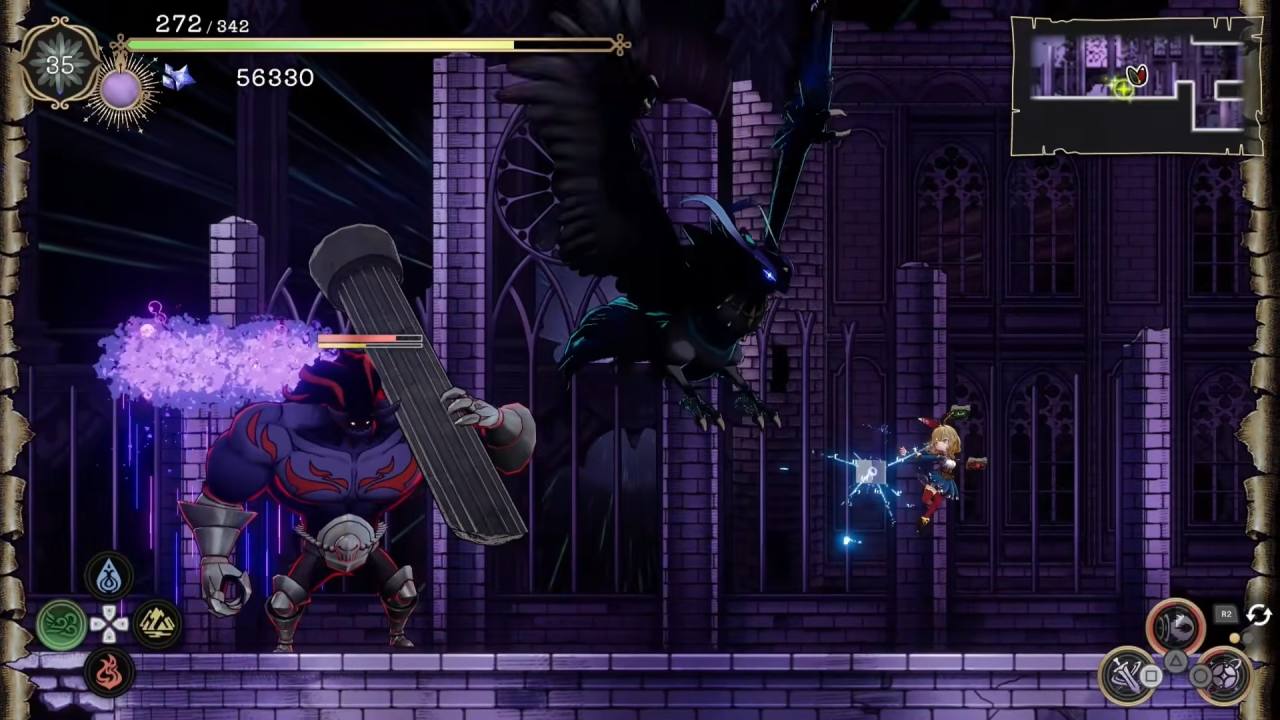
The landscapes feel more like they were chosen than just thrown together, and the soft background details and sharper character models provide for a nice contrast. Ariana and the Elder Codex may not be a technical showpiece in the way that big movies are, but it knows that art direction lasts longer than too much visual noise. This method is really helpful for the codices themselves. Each major zone has its own visual trademark, which makes it feel different even when the basic aims are the same.
For example, water-soaked areas, breezy wind-swept passages, and other elemental realms. Portrait art and interface design also add to the quality sense, giving the game a greater personality than most mid-budget side scrollers can. Ariana and the Elder Codex doesn't lose ground because they aren't beautiful; they lose ground because they repeat themselves. The environment stays new longer than the enemy roster, thus the world often feels more varied than the people who live in it.
The performance also looks good, which is important in a game that relies so much on timing, dodging, and spell effects with a lot of particles. Even when many elemental bursts are going off on screen, the graphic design rarely gets too cluttered, and combat pandemonium is still easy to follow. That dependability makes the whole package stronger since action games that respond to players don't only need good graphics.
You need to be able to see clearly when things get tough, and Ariana and the Elder Codex generally provides you with just that. Audio is another strong point. The voice acting gives Ariana and the other characters enough personality to make sequences that may otherwise feel weak work. The fact that you can choose between English and Spanish performances is also a nice touch.
The sound design is even more significant because it works well with the fighting.
Spells offer enough texture and power to make each loadout seem different. Impact cues and magical detonations add to the delightful rhythm of elemental burst chains. In a game like Ariana and the Elder Codex, which is all about fighting, that tactile acoustic input is very important.
The music adds to the overall mood without taking over. It goes well with the codices' storybook framing and the Library's quieter, more reflective areas, helping the game have a tone that goes from battle intensity to narrative stillness. The music may not be the main reason the game stays in your mind, but it performs its job well and with style.
That discipline is like the rest of the production. Ariana and the Elder Codex sounds like a game that knows how big it is and uses sound to support mood, tempo and identity instead of trying to make up for it. The best thing about this game is that it knows what makes it valuable. It doesn't try to win by being bigger, having more content or making its tale seem more shocking than it really is.
Instead, it wins because it has a strong fighting system, a clear idea of the environment, beautiful visual direction and a growth model that keeps spellcasting, mobility, and experimentation going all the time. Ariana and the Elder Codex has a consistency that many bigger and louder releases don't have.
There are serious problems, and they shouldn't be made easier. The plot is often too easy to guess what will happen next. There aren't many different kinds of enemies. Some bosses are so difficult that they go from being fun to being annoying. The framework hints at the openness of Metroidvania games, but it never completely embraces the best parts of that genre.
But none of those concerns change the fact that Ariana and the Elder Codex is a lot of fun to play, and that fun comes from the systems, not just the new things. This is an easy recommendation for anybody who wants a polished, compact, and good-looking action RPG with spell customization that matters and a combat loop that is fun.
It might not change the form, but that's not always a sign of worth. Sometimes doing things you already know how to do well, with care, taste and conviction, is what makes them great. Ariana and the Elder Codex does just that, and the result is a game that feels real, handmade and much more memorable than its small profile might suggest.
Contributor, NoobFeed
Verdict
Ariana and the Elder Codex is a compact and captivating action RPG with stellar combat, lovely art, and smart progression. Predictable storytelling and repetitive enemies hold it back, but the game still feels magical where it matters most.
82
Related News
No Data.