
Code Vein Review
PC
Anime vampires meet soulslike: A cool RPG that packs a punch.
Reviewed by Azfar Rayan on Oct 03, 2025
When Code Vein was first announced in 2017, it stood out right away for one reason: it dared to mix the dark, punishing style of Dark Souls with an unapologetically anime look. Bandai Namco developed the project themselves, and many people thought it was their attempt to create a signature Soulslike game, but one that focused heavily on stylized storytelling, flashy combat, and character customization.
There were numerous delays and mixed reviews of early demos, so expectations were low. Would it be another derivative action RPG or something new? When Code Vein was released, it established a name for itself.
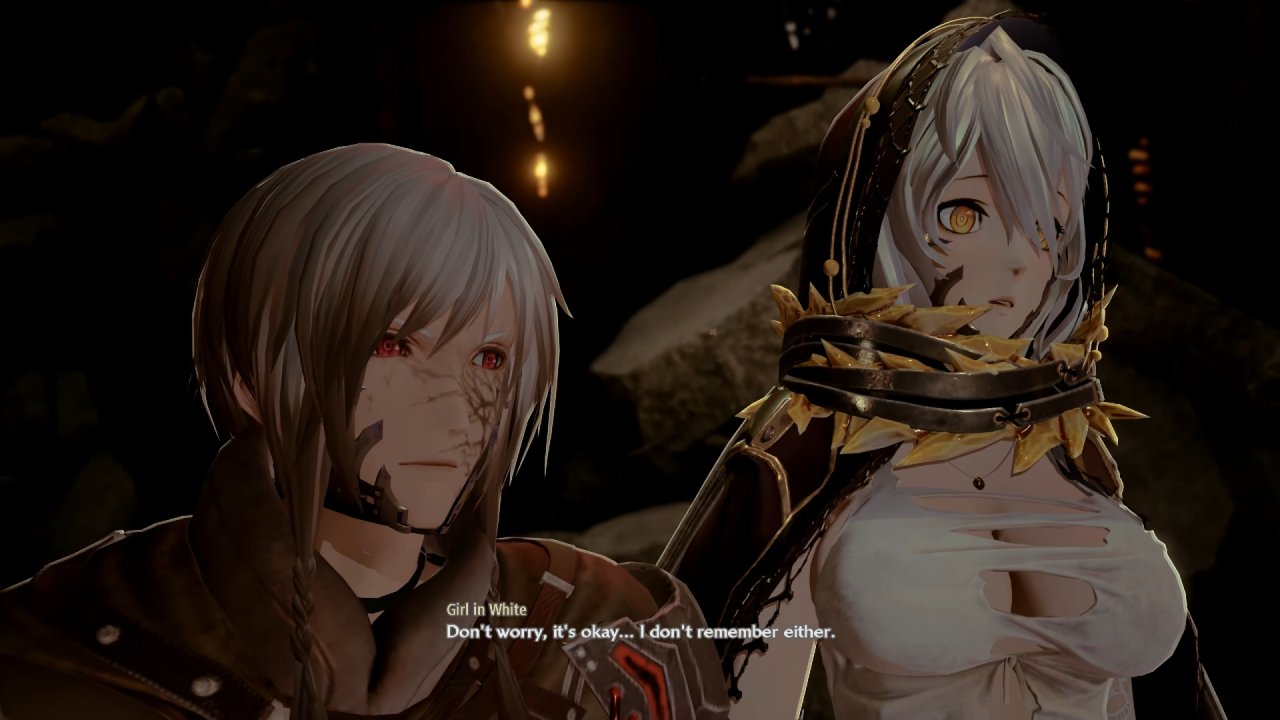
People often call it "anime Dark Souls," but that's not a fair way to describe what it really is: a highly customizable RPG that focuses on style, freedom, and story weight.
Code Vein sets you in a world ravaged by disaster. A mysterious disaster has brought humanity to its knees, and the few survivors have become Revenants—immortal beings who need to drink blood to keep from going insane. If they don't, they turn into the Lost, huge, horrible shells that wander aimlessly through the wasteland.
Your character, the main character, is a special kind of Revenant. They can adapt and inherit multiple "Blood Codes," which makes them very powerful in a world where most Revenants are stuck on one path. As you piece together your lost memories and look for the truth about the blood crisis and the fall of humanity, this flexibility drives the story's main mystery.
The story is more serious than in most Soulslike games. Code Vein doesn't leave anything to the imagination; it features dialogue, cutscenes, and lengthy exposition scenes. Sometimes this works in its favor, like when certain plot twists and character arcs draw you into the drama.
At other times, however, it slows things down with still images and lengthy flashback scenes. Louis and Mia are interesting characters, but the way the story is told sometimes makes them less interesting.
The story remains interesting because it features an anime style that combines gothic despair with emotionally charged moments. Code Vein wants you to know and care about its characters, unlike Dark Souls, which is very simple. However, the way it does this doesn't always work.
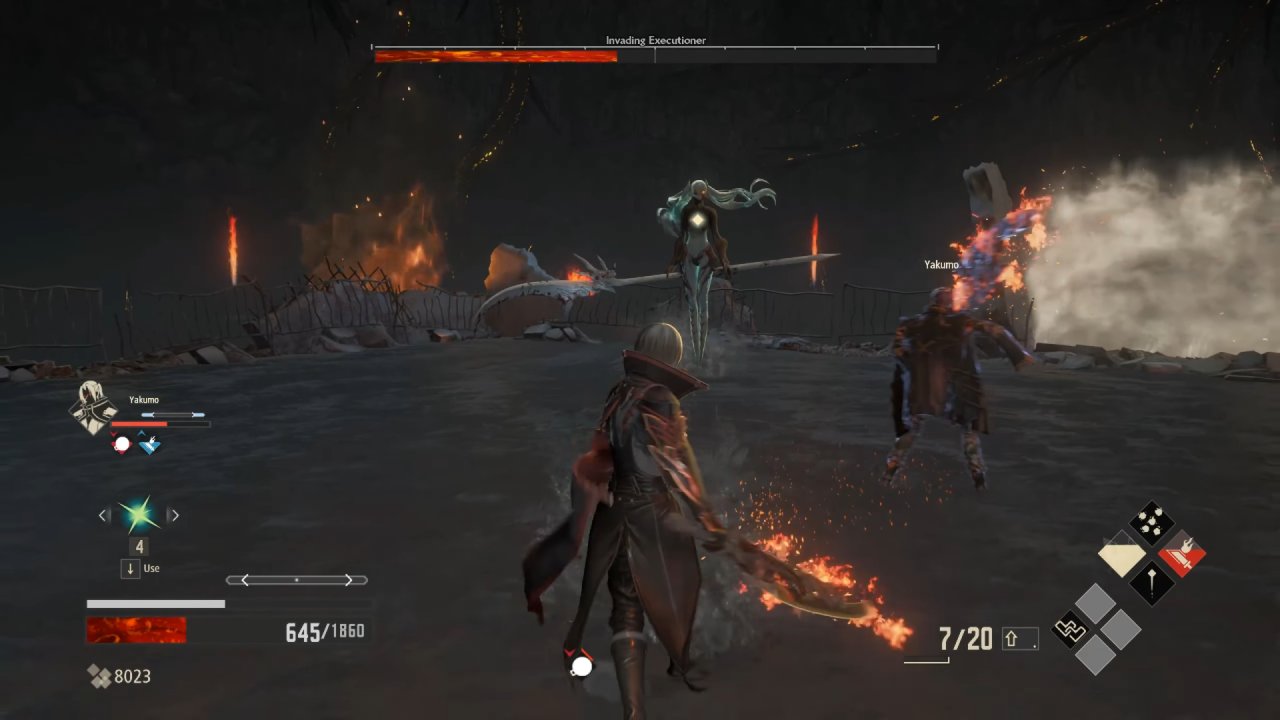
At its core, Code Vein is a lot like a Soulslike game. You have to manage your stamina to swing weapons, dodge, or block, and every mistake can cost you. You can rest at "Mistle" checkpoints, which are like bonfires. They refill your health and regeneration items, but they also bring back enemies. When you die, you drop your money (Haze) and have to run back to get it before it disappears.
Code Vein is different because it is more flexible. The Blood Code system lets you switch between classes, each with its own way of playing: warrior, caster, rogue, or hybrid. But you're not stuck.
You can change at any time, try out different builds, and even learn skills (called Gifts) from one Blood Code to use in another. This system lets you be creative and makes character progression a lot more interesting than the strict class systems in other Soulslike games.
Code Vein shines the most in this depth. You are constantly changing your loadouts and trying out different combinations of weapons, Gifts, and passive buffs. During a fight, a sword-and-shield fighter can turn into a spell-casting mage or a quick dual-wielder. That experimentation makes the already hard formula even more addictive.
The most exciting and uneven part of Code Vein is the fighting. Each slash, thrust, and heavy swing with a weapon feels like it has weight. Drain attacks, parries, and backstabs fit the vampire theme perfectly and give you Ichor (mana) to use Gifts. These mechanics encourage aggressive play by making you want to drain enemies instead of hiding behind defenses.
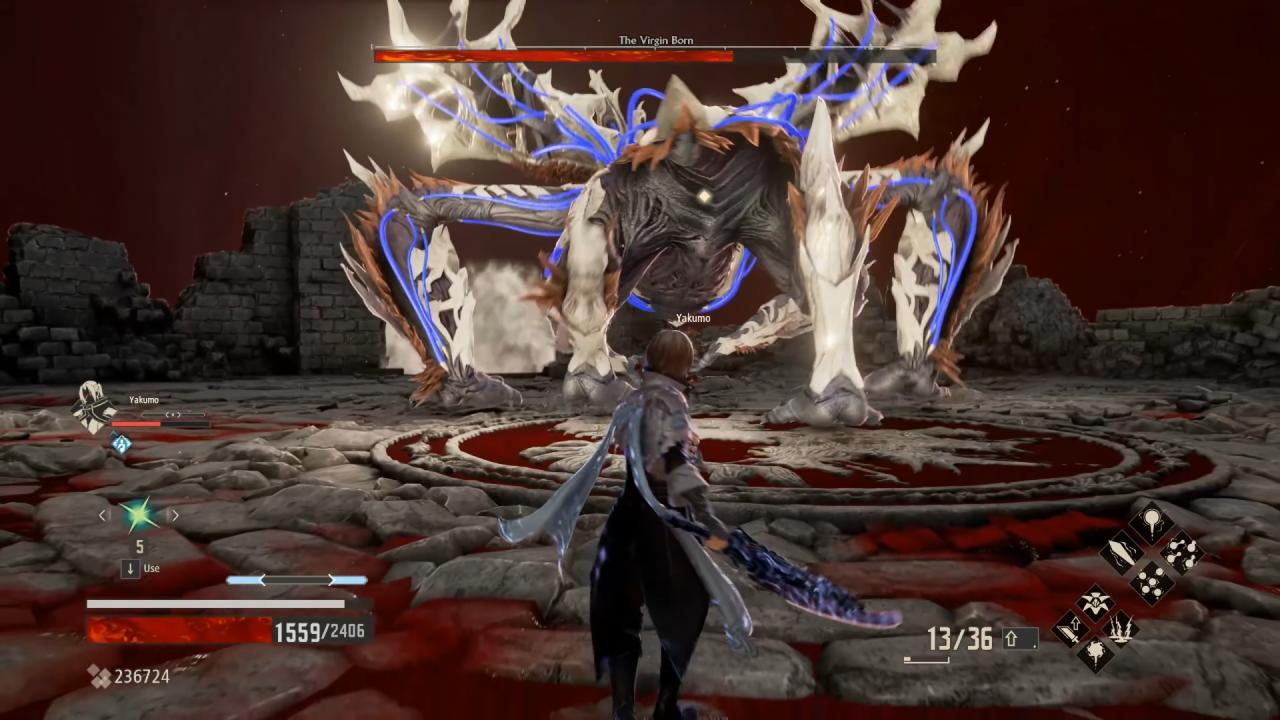
The bad thing is that regular enemies don't always have a lot going on. A lot of enemies wait too long or get stuck in a cycle of staggering, which can turn regular fights into boring slugfests. On the other hand, bosses give you a show with giant monsters and twisted creatures that need to be precise.
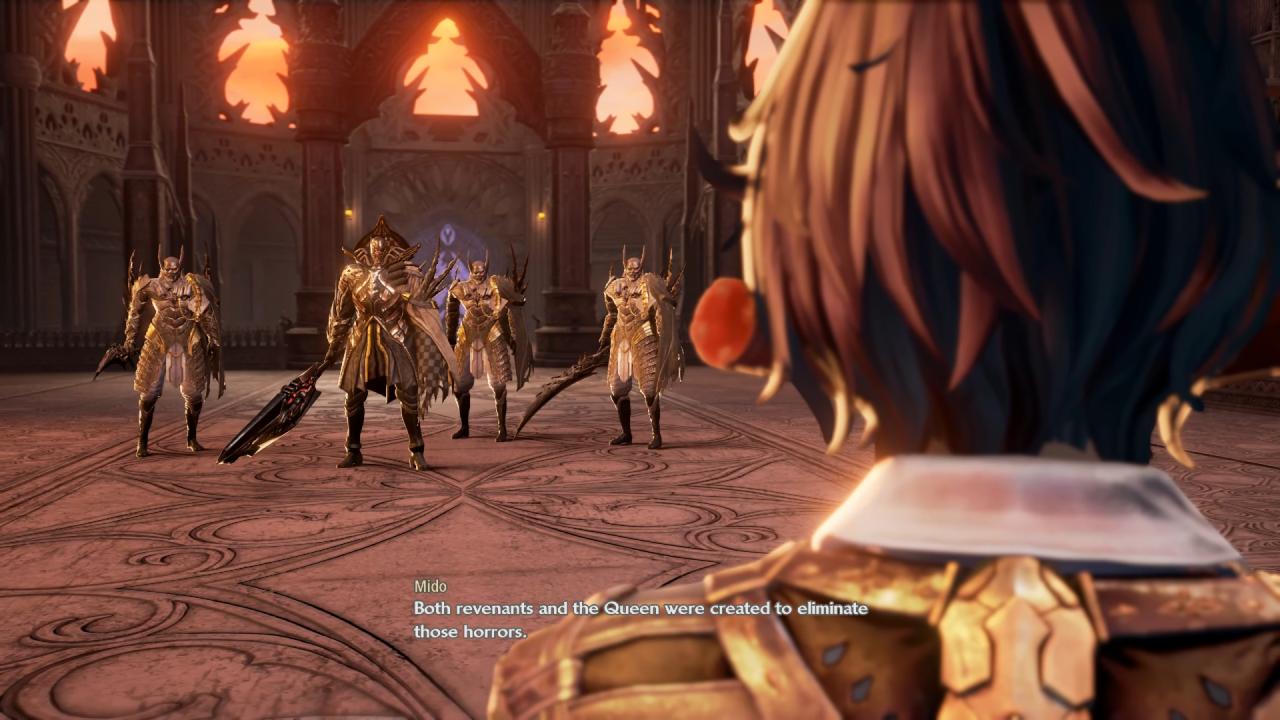
But their level of difficulty isn't always the same. Some bosses fall quickly to basic flanking tactics, but others use brutal AoE attacks and sudden spikes in difficulty in the late game.
The companion system is what really needs to be balanced. An AI partner fights with you most of the time, so you're not alone. Companions add personality and tactical variety; some focus on support, while others deal a significant amount of damage.
They can also make regular fights seem less critical by mowing down mobs too easily. It's funny how they often die carelessly during boss fights, leaving you stuck in what feels like a two-player fight.
Online co-op fixes this problem by letting you call in real players to help you win harder fights. The password system makes it easy to team up with friends, bringing back the classic "jolly cooperation" spirit that Souls fans know and love.
Code Vein ties its progression loop very closely to trying new things. You can use Haze, the experience currency, to level up your stats or get Gifts. Death makes you get Haze back or lose it forever, just like Souls, which keeps the tension high.
The Blood Code system makes the grind itself feel rewarding. You don't just farm all the time to get better stats; you also look for new skills or test out builds. The Depths are dungeons that aren't part of the main story.
You can fight bosses again, collect loot, and make your character even better. These random arenas make the game more fun to play again and again, just like Chalice Dungeons in Bloodborne.
This loop makes sure that you always make progress, whether you're working your way through the story or farming for builds. You're not just getting stronger; you're trying out completely new ways to play.
Code Vein looks good and bad at the same time.
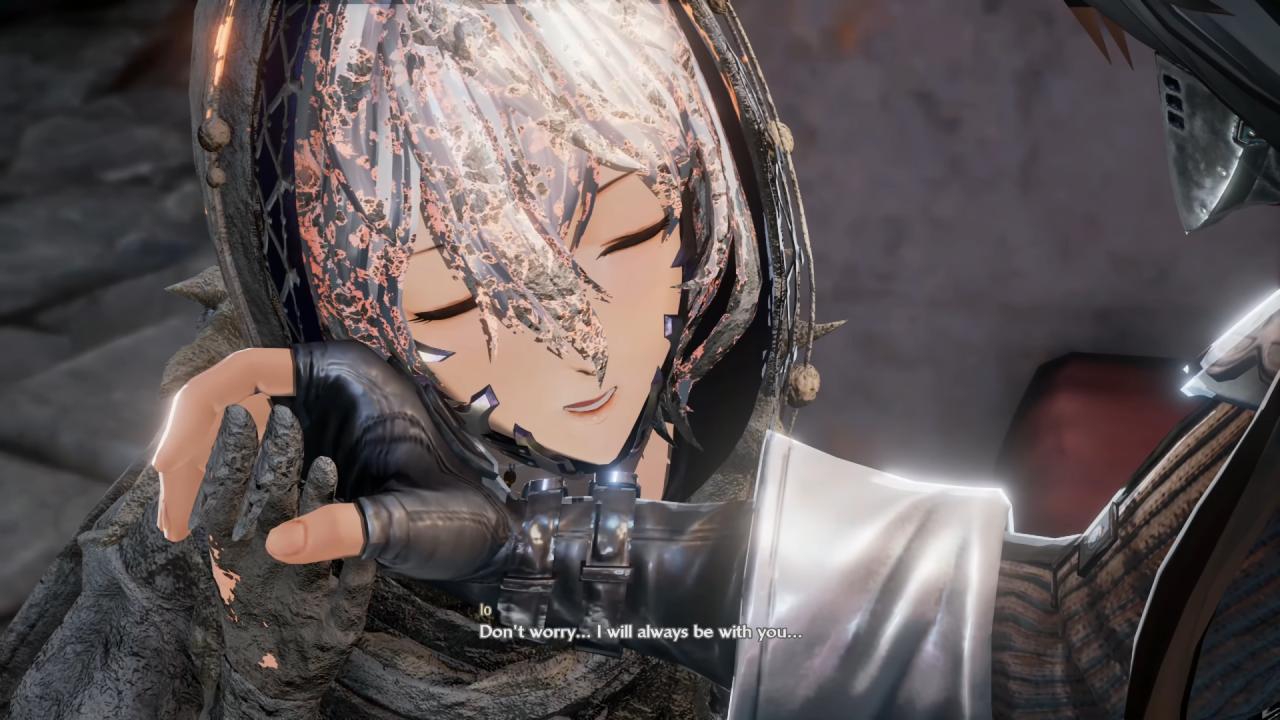
The character models are exceptionally well-animated, featuring flowing anime designs, cool weapons, and detailed outfits. The character creator is one of the best in any RPG.
You can give your Revenant as much hair, accessories, and other details as you want. It's fun to make your perfect anime hero or villain before the end of the world.
But the environments aren't as impressive. The cities, caves, and rubble that come after the end of the world often feel the same and lifeless. The level design is good because there are shortcuts and looping paths, but the scenery doesn't quite capture the grandeur of the Soulslike games that inspired it.
Some places stand out, such as the Cathedral of the Sacred Blood, which features detailed white towers.
However, many levels look the same, with grey rubble. Even so, the anime art style makes Code Vein stand out from other games. It doesn't attempt to be grimly realistic; instead, it combines Gothic ruins with a stylized touch. The world may not have a lot of detail, but the people who live in it are.
The music in Code Vein is more about setting the mood than being memorable. Ambient music enhances the sense of exploration, and the increasing volume of orchestral notes during battles adds to the excitement. It adds to the action, but it doesn't reach the legendary heights of Dark Souls or Bloodborne.
Voice acting, on the other hand, is one of the best parts. Both the English and Japanese versions are very good, but the Japanese cast really nails the anime tone. Companions often share stories about things they've found or dangers they've seen, which makes exploring more fun.
Sound effects work, but they're not perfect. Weapon clashes and monster roars sound powerful, but some sounds that repeat, like the piercing hum of Mistles, can get on your nerves after a while. The sound design does what it's supposed to do, but the voice acting makes it even better.
Code Vein is a notable example of how ambition can lead to subpar execution. It takes the basic ideas of Soulslike gameplay and adds anime-style elements, numerous customization options, and a story-driven approach on top of that.
The environments aren't very different, and the AI has trouble balancing combat, but the core systems are so flexible and rewarding that you have to keep trying new things.
The fact that you can play however you want is what makes it stand out. The Blood Code system makes sure that every run is different, and the character creator lets you play as the anime vampire hero you always wanted to be. With online co-op and a story that has real twists, even if it's sometimes over-the-top, this RPG is more than just a Souls clone.
Code Vein is a game that fans of complex RPGs, who also enjoy anime stories and customization, will appreciate. It doesn't replace Dark Souls, but it doesn't have to; it's a unique work of art in its own right.
Senior Editor, NoobFeed
Verdict
Code Vein is a stylish Soulslike with an anime twist. It excels in customization and experimentation, but the enemies and graphics could be improved. Not perfect, but interesting.
87
Related News
No Data.