
Deer & Boy Review
Nintendo Switch 2
A boy and his growing companion brave a beautiful, corrupt world in this moving indie story.
Reviewed by Elme Dhee on Jun 25, 2026
Stepping into an indie side-scroller these days usually means expecting something emotional, and Deer & Boy wastes no time setting that tone. Lifeline Games clearly wanted this to feel more like an emotional journey than just another puzzle-platformer, and honestly, it works more often than not. From the moment the game started appearing in showcases, it was obvious why people were interested, and the atmosphere alone immediately stands out.
What surprised me most is that Deer & Boy actually manages to carve out its own identity in a genre that is already crowded with cinematic indie platformers. A lot of games chase the whole “quiet emotional experience” thing, but this one feels more sincere about it. It never really tries to force emotions on the player. Instead, it lets the world, the animations, and the relationship between its two leads do most of the work naturally.
The storytelling is extremely minimal, but that ends up becoming one of the game’s biggest strengths. There is barely any dialogue at all, yet the characters still feel expressive because so much emotion comes through their movement and reactions. The game trusts players to understand what is happening without constantly stopping to explain itself, and that restraint gives the experience a much more mature feel.
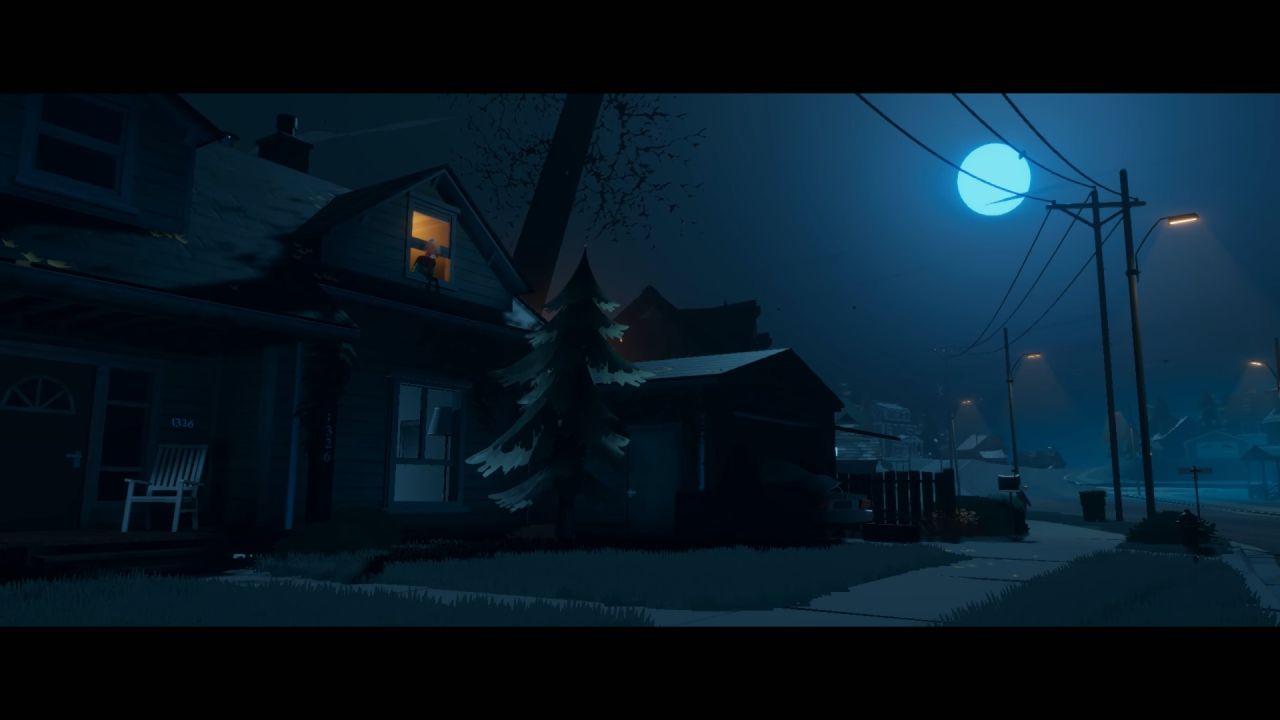
For a moment, the world seems peaceful and almost comforting, then suddenly the atmosphere turns into something genuinely disturbing. Deer & Boy does a surprisingly good job with these tonal changes. It constantly balances warmth with a lingering sense of dread beneath everything.
More importantly, the game understands that the emotional core has to come from the relationship between the boy and the deer. Without that connection, none of the quieter moments would land nearly as hard. Thankfully, the bond between them feels believable enough that by the end of the game, you are emotionally invested almost without realizing it.
An unexpected encounter in the dark sets in motion an arduous trek across a shifting landscape.
The opening immediately throws you into a feeling of loneliness. A young boy runs away from home in the dead of night, with only a backpack and a map. The game does a great job of making the world around him feel huge and intimidating.
Things really start once he takes shelter from the rain at an abandoned bus stop. That is where he meets the small deer foal that ends up becoming the emotional center of the entire game. Their connection forms instantly without a single word being spoken, and somehow it still feels natural.
Of course, the peaceful moment does not last long. The deer bolts into the wilderness while the boy suddenly has to avoid police search parties looking for him. Those early stealth sections are actually pretty tense because the game captures the panic of being a scared kid hiding from adults who feel much larger and more threatening than you.
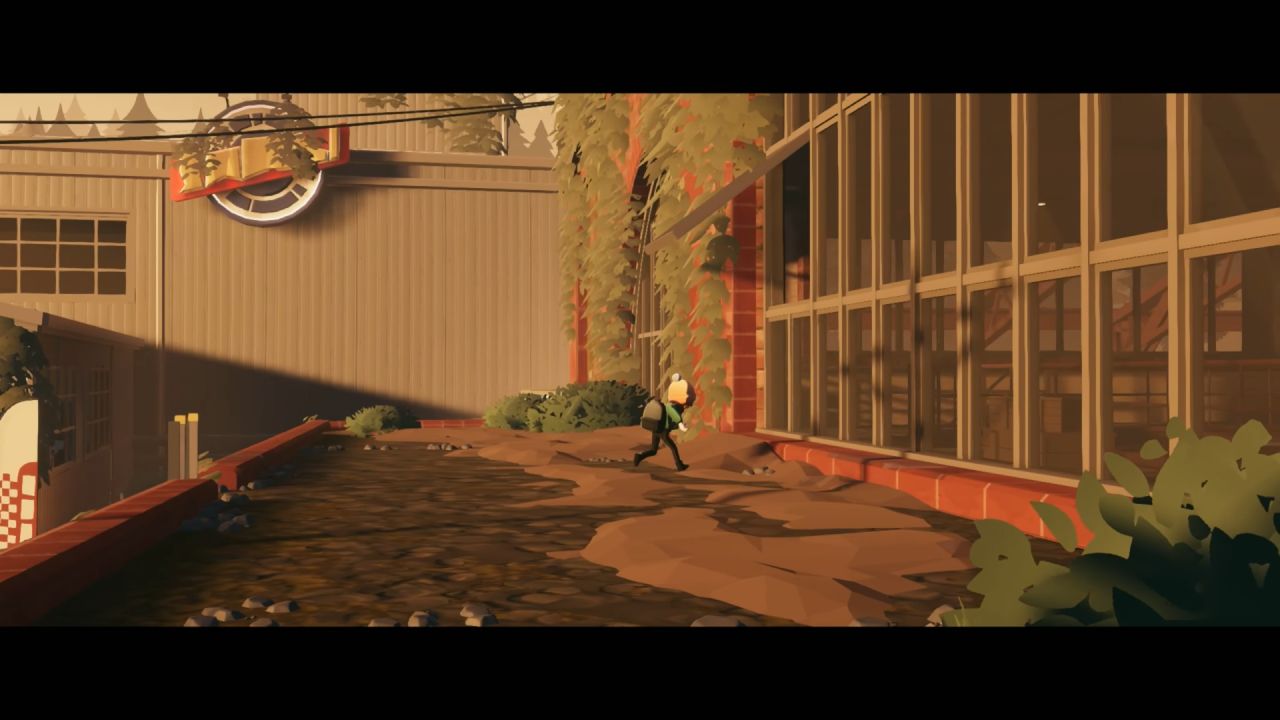
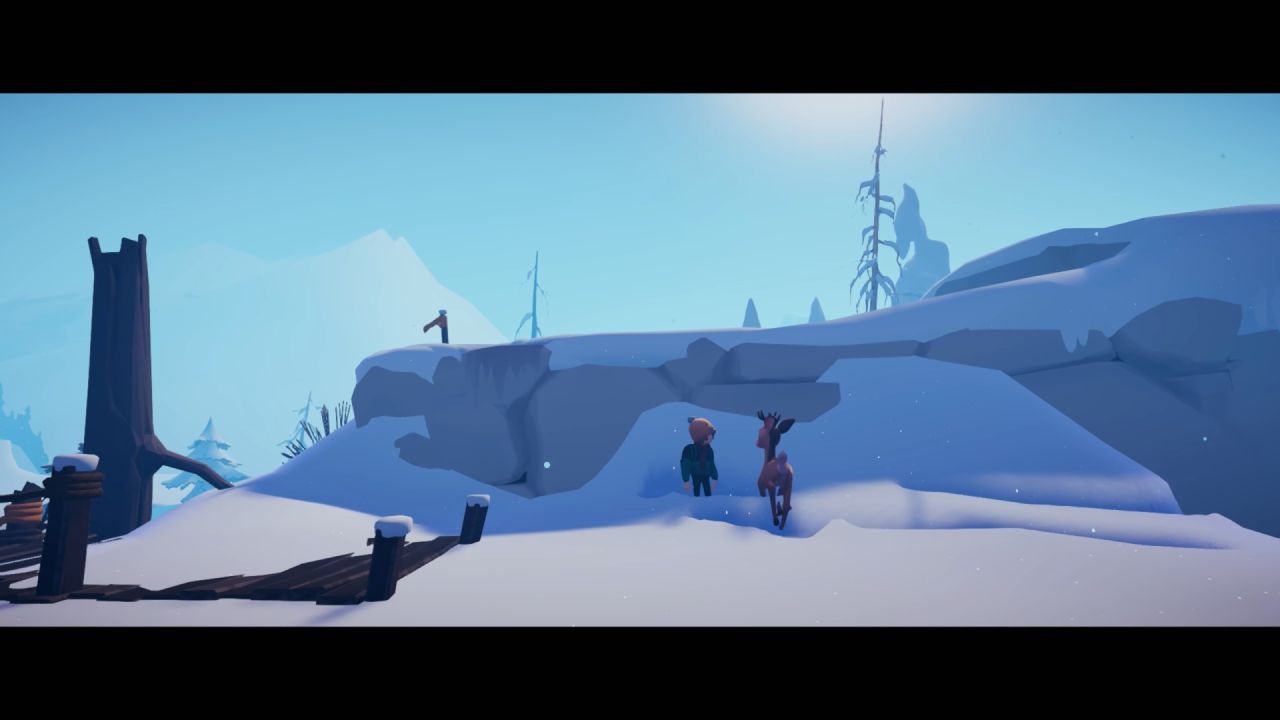
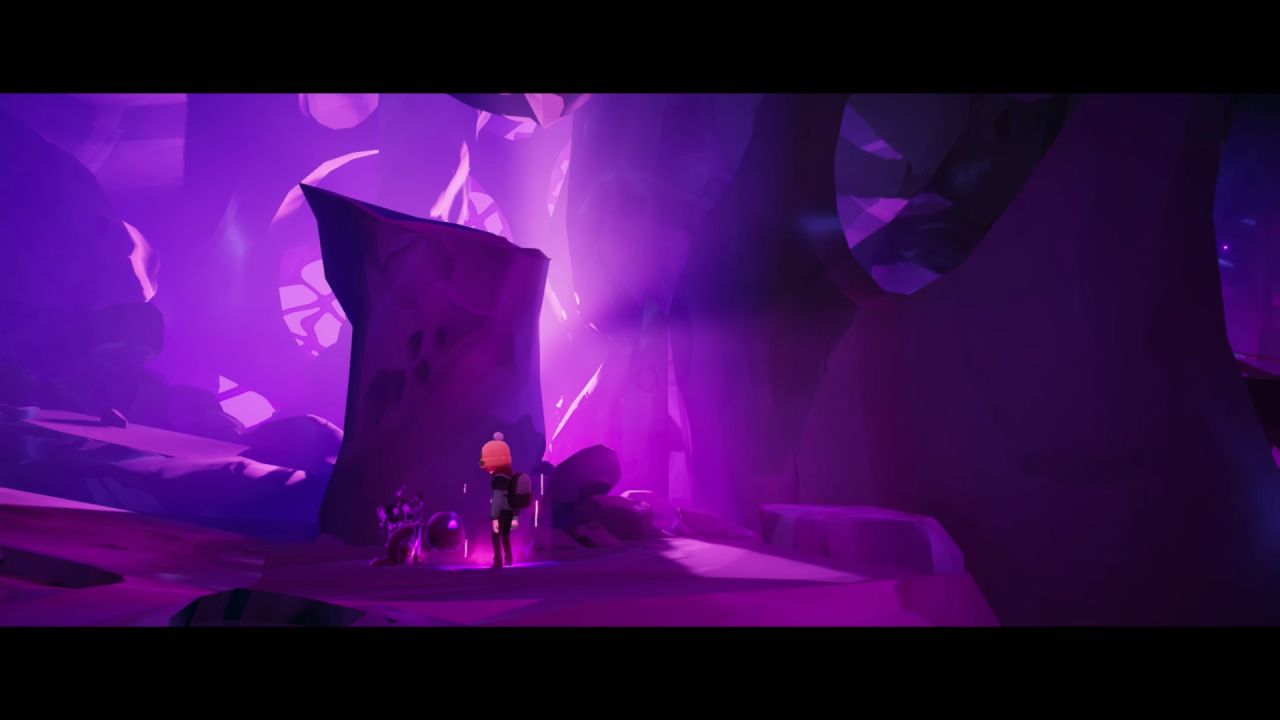
As the journey continues through forests, industrial areas, caves, and snowy mountains, the game slowly becomes darker. A strange black corruption starts to twist parts of the world into something disturbing and infects animals. The environment starts to get infected.
There is one moment in which a rescued animal is consumed by corruption, genuinely shifting the tone of the entire story. Up until then, the game still feels grounded emotionally. After that point, it starts leaning much harder into horror elements, and the atmosphere becomes noticeably heavier. What I really appreciate is that Deer & Boy never overexplains any of this.
The game mostly lets environmental storytelling handle exposition, rather than throwing it at the player every few minutes. You are left piecing together the meaning behind much of what you see, which, honestly, makes the world feel more immersive. Because of that, the story works on multiple levels. Younger players will love the friendship and adventure, but older players will probably see the darker emotional undertones bubbling just below the surface.
Your interactive pathfinding involves evasion and logic blockades.
The gameplay is pretty simple on paper, but Deer & Boy blends together exploration, stealth, and puzzle-solving in a way that keeps things interesting for much of the journey. You’ll be spending a significant portion of your time navigating hazardous environments, clambering over ruined structures, hiding from threats, and figuring out how to get through blocked paths.
The game constantly encourages observation rather than mindless rushing. You are usually scanning the environment for safe routes, hidden paths, or objects you can interact with.
What keeps the puzzles interesting is how closely they are tied to the deer’s growth over the course of the story. Early on, the injured foal has to stay inside your backpack. Since carrying him removes your ability to jump, even basic movement becomes more careful and deliberate. Those sections do a surprisingly good job of making both characters feel fragile.
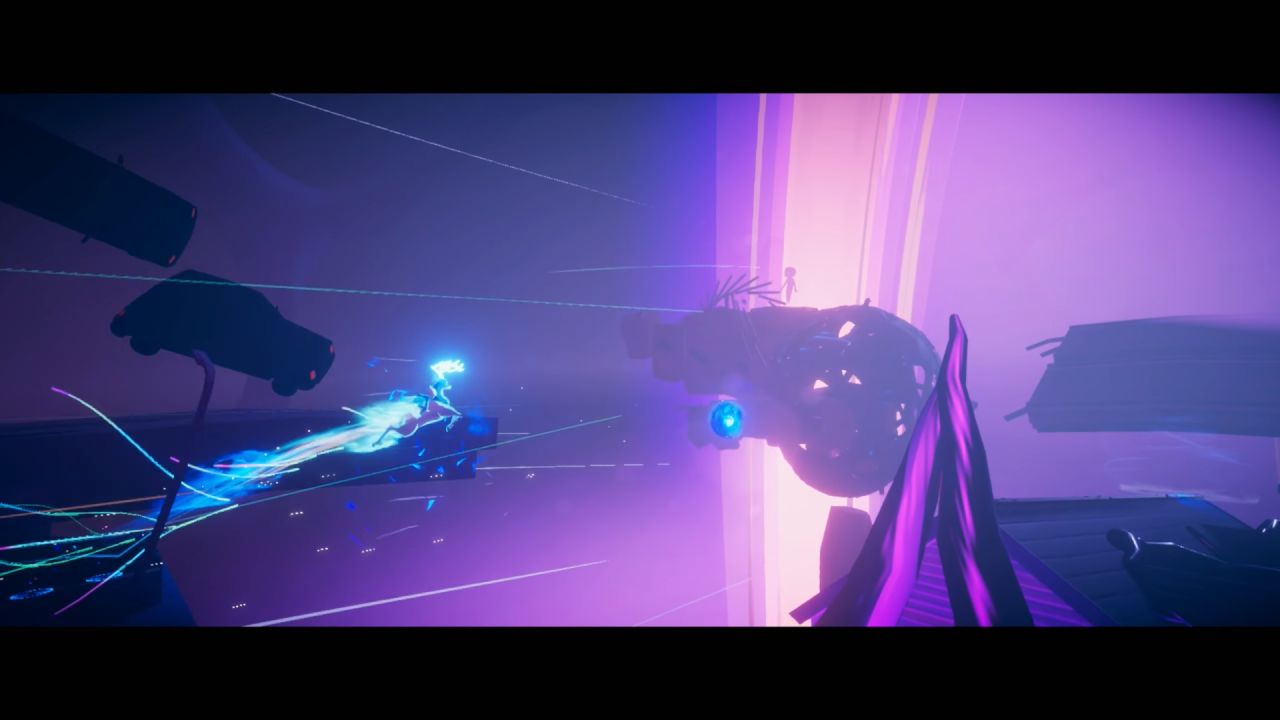
Once the deer recovers, the gameplay naturally opens up. You can command him to interact with switches, crawl into tight spaces, and help solve environmental puzzles from a distance. Later, when the deer grows into a full stag, the mechanics evolve again. Suddenly, he can smash obstacles, launch the boy across huge gaps, and even push back against the spreading corruption itself.
That constant evolution is probably the biggest reason the game avoids becoming repetitive. Every major area introduces some new mechanic tied directly to the relationship between the two characters, so progression feels connected to the story instead of feeling like random upgrades thrown in for the sake of gameplay.
Sometimes you will be tested for patience with ambiguous perspective changes and unpredictable companion pathfinding.
As strong as Deer & Boy is emotionally and visually, there are definitely moments where the gameplay gets frustrating. The biggest issue comes from the game’s use of depth in its environments. Unlike most side-scrollers that stay on a clearly readable plane, Deer & Boy sometimes asks players to move into the background to find alternate routes. Visually, it looks cool. Mechanically, it can be messy.
There were multiple moments where it honestly became difficult to tell what was an actual platform and what was just part of the scenery. A few deaths felt cheap simply because the perspective made certain ledges hard to read properly. This becomes more noticeable during faster sequences, where stopping to figure out the correct path completely kills the momentum.
The companion command system also feels inconsistent sometimes. To control the deer, you hold a button and drag a cursor toward an object or location. It is not a bad idea in theory, but the execution can be awkward. There are moments where the deer ignores commands, gets stuck, or simply refuses to move where you need it to. Those issues are not constant, but when they happen during time-sensitive puzzles, they become frustrating very quickly.
The latter “void boy” platforming sections also feel noticeably rougher compared to the rest of the game. The jumping mechanics there never feel fully precise, so certain sections end up relying more on trial and error than actual skill. Thankfully, none of these issues completely ruins the experience. They just stand out more because so much of the rest of the game feels polished and carefully made.
The physical transformation of your companion dynamically alters your entire mechanical toolkit.
One of the smartest parts of Deer & Boy is how it handles progression. Rather than skill trees and endless upgrade systems, the game ties nearly everything to the deer's aging over the course of the story.
Early on, the foal is frail and completely dependent on the boy. Carrying him around changes how you approach movement and danger, forcing you to play much more carefully. As the deer grows more powerful, the gameplay gradually follows suit. The deer eventually gains the ability to interact with machinery, solve puzzles, and access areas the boy cannot.
What makes this system work so well is that it never feels disconnected from the story. The gameplay evolves because the relationship evolves. By the end, the two genuinely feel like a team rather than a playable character and a companion NPC.
The final sequences also expect players to fully understand every mechanic introduced earlier in the game. Some of the later platforming sections get surprisingly demanding, but there’s still something really satisfying about seeing the deer finally reach his full potential after hours of watching him grow. A breathtaking visual presentation and a reactive musical score immerse you in a world of stark contrast.
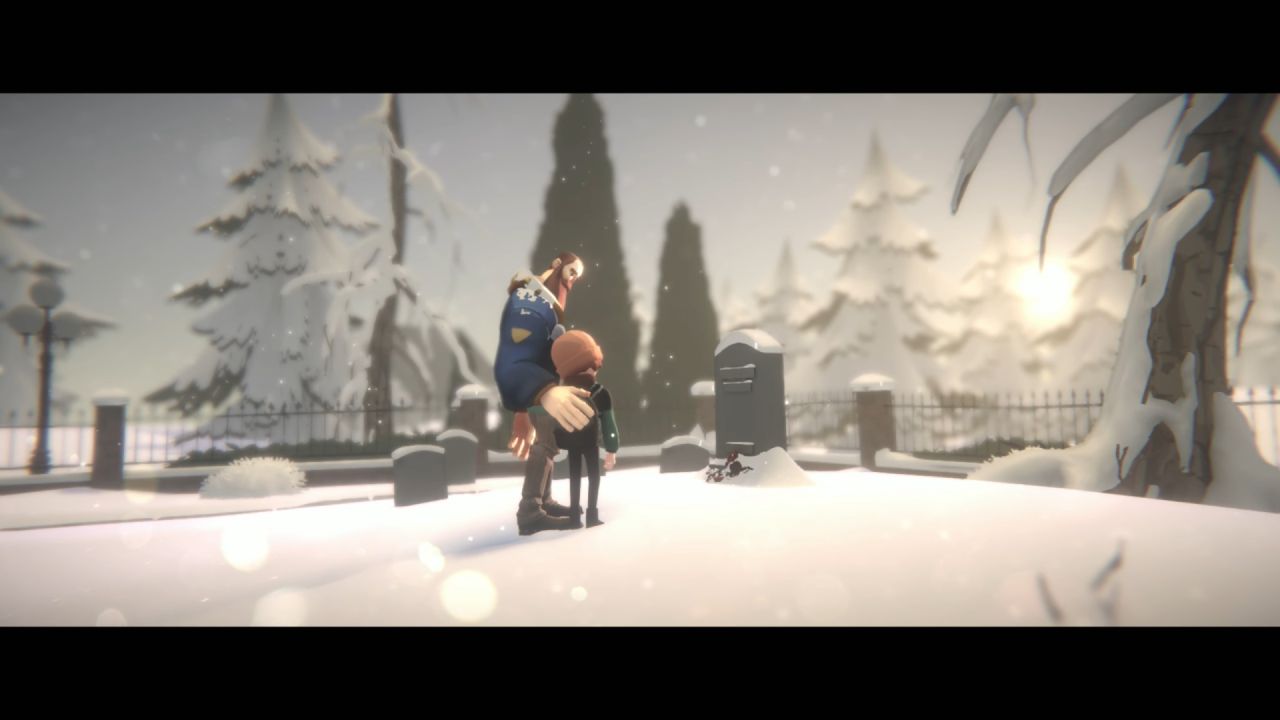
Visually, Deer & Boy is honestly stunning at times. The art direction clearly draws inspiration from animated films, yet it still feels unique thanks to its heavy emphasis on lighting and atmosphere. The outdoor environments are especially beautiful. Forests move naturally in the wind, snow reacts to footsteps, and lightning shifts constantly with the mood of the scene. Some moments genuinely look like a moving painting.
The industrial sections create a completely different feeling. Factories feel loud, cold, and oppressive, packed with moving machinery and dense background detail that makes the world feel alive in a very uncomfortable way.
The soundtrack does a lot of heavy lifting emotionally, too. The leisurely parts of the adventure are accompanied by gentle acoustic music that has a warm, soothing feel. Then, as danger begins to creep in, the soundtrack shifts to darker orchestral pieces and disturbing ambient sounds.
Probably the best example of this is the corruption zones. The music slowly fades beneath deep bass sounds and eerie environmental noise, making those areas feel threatening before anything even happens. Technically, the game runs very smoothly, too. The performance is solid for the most part of the experience, even during the visually heavier sections with lighting effects and particle systems. It also feels perfect for handheld systems like the Steam Deck. The slower pacing and atmosphere-heavy design translate really naturally to portable play.
Subtle details in character animation breathe unparalleled life into the quiet duo.
The animation work is honestly one of the best parts of the entire game. The deer’s movements slowly evolve as it grows older. Early on, the foal stumbles around awkwardly and feels fragile. By the end, the stag moves with confidence and power, and the transition between those stages feels smooth enough that you barely notice it happening.
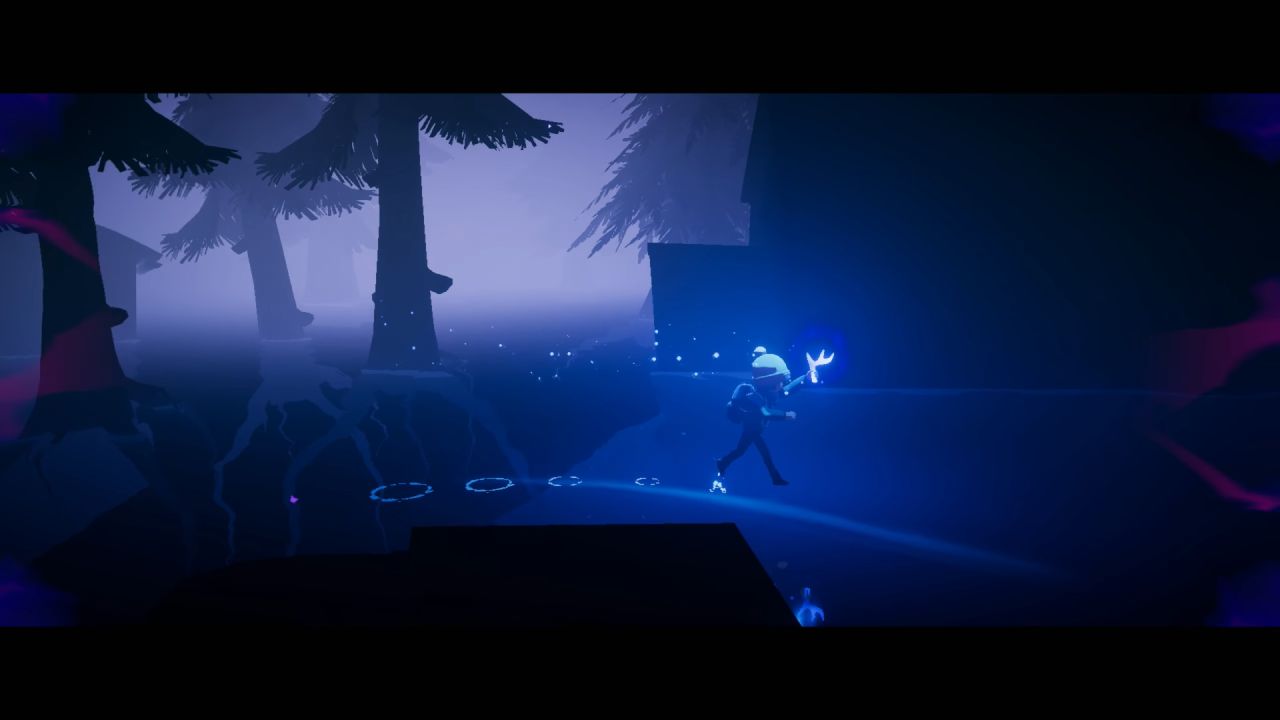
The boy’s animation tells its own story, too. At the start, he feels nervous and cautious, constantly reacting to danger like a frightened child. As the journey goes on, his posture becomes more confident and determined, especially as his bond with the deer deepens.
That attention to body language matters because Deer & Boy depends so heavily on non-verbal storytelling. The game rarely explains emotions directly. Instead, it allows movement and animation to do most of the talking. Even the most insignificant interactions between the two characters help sell the relationship. Small things, such as the deer nudging the boy or their reactions in dangerous situations, make them surprisingly believable together.
The transitions between gameplay and cinematic moments are also handled smoothly enough that immersion rarely breaks. Lifeline Games clearly put a ridiculous amount of care into making these characters feel alive without relying on dialogue, and honestly, that effort carries the entire experience.
Mechanical transparency is occasionally sacrificed for an unblemished user interface.
Deer & Boy clearly wants to feel cinematic before anything else. As a result, the developers removed almost every traditional UI element. There are no massive tutorials, no giant objective markers, and barely any visual clutter on screen. Most of the time, that works in the game’s favor because it helps the atmosphere feel natural and immersive. The downside is that the game occasionally becomes harder to read than it should be.
There were multiple moments where it became genuinely difficult to tell whether something was interactable or just background decoration. The game relies heavily on subtle visual cues, but they can get lost in darker environments or areas rich in industrial detail. This is especially true on later levels, when the pace picks up, and the game demands quick reactions.
Some optional accessibility settings would’ve been a big help. Something as simple as optional highlights for climbable ledges or important objects could have solved a lot of confusion without ruining the atmosphere. The companion controls can also feel awkward occasionally.
There are moments when you call for the deer and just sit there wondering whether the input even worked. None of these problems completely damages the experience, but they do create unnecessary friction inside a game that is otherwise very polished.
The platforming and cinematic presentation are just the dressing to Deer & Boy, a story that is really about trauma, fear, and growing up in a world that feels overwhelming. The boy running away from home is treated seriously from the start. The game never romanticizes it or turns it into some carefree childhood adventure.
The spreading corruption serves as both an actual threat and a metaphor for the emotional decay that is slowly eroding the world around the characters. What lends the story an emotional edge is the boy's relationship with the deer. From the beginning, the boy cares for the fragile foal because the foal is entirely dependent on him.
As the deer grows older and stronger, that relationship slowly changes. Eventually, the deer starts protecting the boy in return, and the story gradually becomes more about healing and emotional connection than simple survival.
The game never directly spells out those themes, either, which honestly makes them land harder. A lot of the emotional storytelling happens through atmosphere, movement, and quiet moments instead of heavy exposition. That subtle approach is a huge part of why Deer & Boy sticks with you emotionally after it ends.
Deer & Boy is a dream for portable gaming fans, and it is technically impressive.
Technically speaking, Deer & Boy is surprisingly polished for an indie release, with performance remaining smooth throughout, even when packed with lighting effects and environmental detail. There are very few noticeable bugs or technical problems, which honestly feels refreshing nowadays.
The game also feels incredibly well-suited for handheld systems like the Steam Deck. Since the pacing is slower and more atmospheric, it works perfectly in shorter portable play sessions. Visually, the game looks fantastic on smaller screens too. The strong lighting and color contrast make certain environments feel even more immersive when played handheld.
Battery life is solid as well, since the game is not overly demanding on hardware. More importantly, the technical polish helps support the emotional side of the experience. Nothing really pulls you out of the world, which matters a lot for a game built almost entirely around atmosphere.
Final reflections confirm that this heartwarming journey is an essential recommendation for any narrative fan.
By the end of it all, Deer & Boy ends up being one of those indie games that quietly sticks in your head long after you finish it. Across its eight-hour runtime, it blends stealth, exploration, puzzle-solving, and emotional storytelling into something that feels genuinely heartfelt most of the time.
The world itself is beautiful, balancing peaceful natural landscapes with increasingly disturbing corrupted environments as the story grows darker. Not every mechanic lands perfectly. The unclear platform depth and occasional companion AI frustrations can absolutely get annoying during certain sections. Still, those flaws never fully overshadow what the game does right emotionally.
If you enjoy atmospheric side-scrollers with minimal dialogue and strong visual storytelling, Deer & Boy is very easy to recommend. It feels heavily inspired by classic animated adventures, but the relationship between the boy and the deer gives it enough personality to stand on its own. That relationship is ultimately what carries the entire experience. By the time the credits roll, it is genuinely hard not to feel attached to both characters after everything they go through together.
Editor, NoobFeed
Verdict
Deer & Boy is an exceptionally cute, cinematic indie masterpiece that handles silent storytelling beautifully. Minor perspective and AI flaws don't derail this deeply moving, atmospheric journey.
80
Related News
No Data.