
Fatekeeper Review
PC
Early Access
A striking first-person action RPG that flashes real promise, but feels more like an impressive prototype than a finished adventure.
Reviewed by Zahra Morshed on Jun 05, 2026
Fatekeeper is the kind of ambition that makes cult classics before they’re even classics when it comes out on Early Access. This is a first-person action RPG, with a focus on swordplay, magic, and interacting with the surroundings. It was developed by a tiny independent team called Paraglacial and published by THQ Nordic.
No question as to the lineage. Fatekeeper isn’t trying to be as vast and dreamy as the latest big-budget RPGs; it’s more interested in developing games that are more focused on tighter systems, rewarding imagination over ticking things off a list.
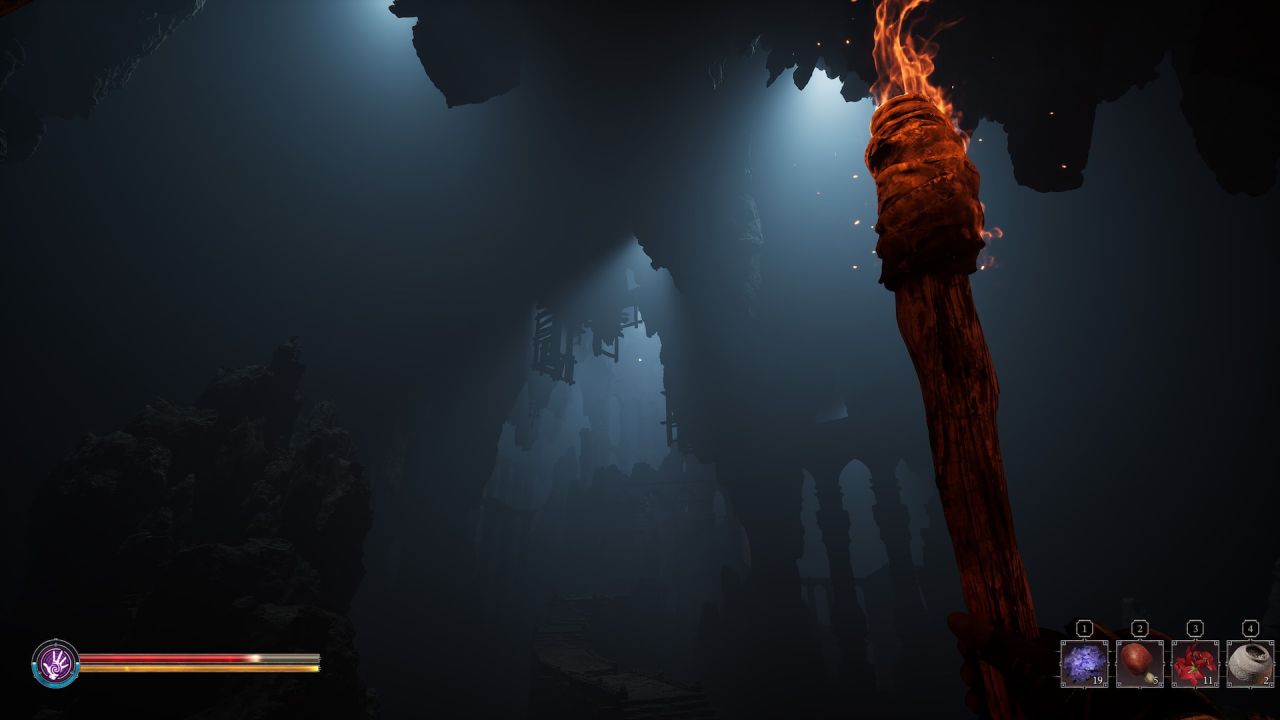
The effect is a film that is at once newly directed and obviously incomplete.
You get approximately two hours of content in the current Early Access iteration, a small fraction of the 15-hour campaign creators hope to deliver when the game is completely published. It’s impossible to ignore the game’s limited scope, but the core combat systems already have enough individuality to be worth watching.
Fatekeeper is not striving to be a full-blown epic. It wants to be judged on the promise of its base, not on the profundity of its substance. The story follows a Watcher trainee named Kor Tenarim. He begins his quest in a druidic refuge, then makes his way toward the peak called Mar Guran. Along with his rat friend Kor Guran, he travels through ancient ruins and meets hostile animals and clues of a larger conflict that is largely unexplored in the current build.
The universe is suggested, a world of lost calamities and mystical rites, but there is little to back up the idea. Clearly Fatekeeper is weak in this area. The first few chapters of the book don’t include much information about the world’s past or political conflicts, and the characters are presented with little backstory. The reasons behind this are likewise not made apparent.
The game hints at larger storylines, but doesn’t truly spoil them. For a role-playing game that relies so heavily on atmosphere, the beginning feels more like a vertical slice than the beginning of a fully complete plot.
The display is what saves the experience.
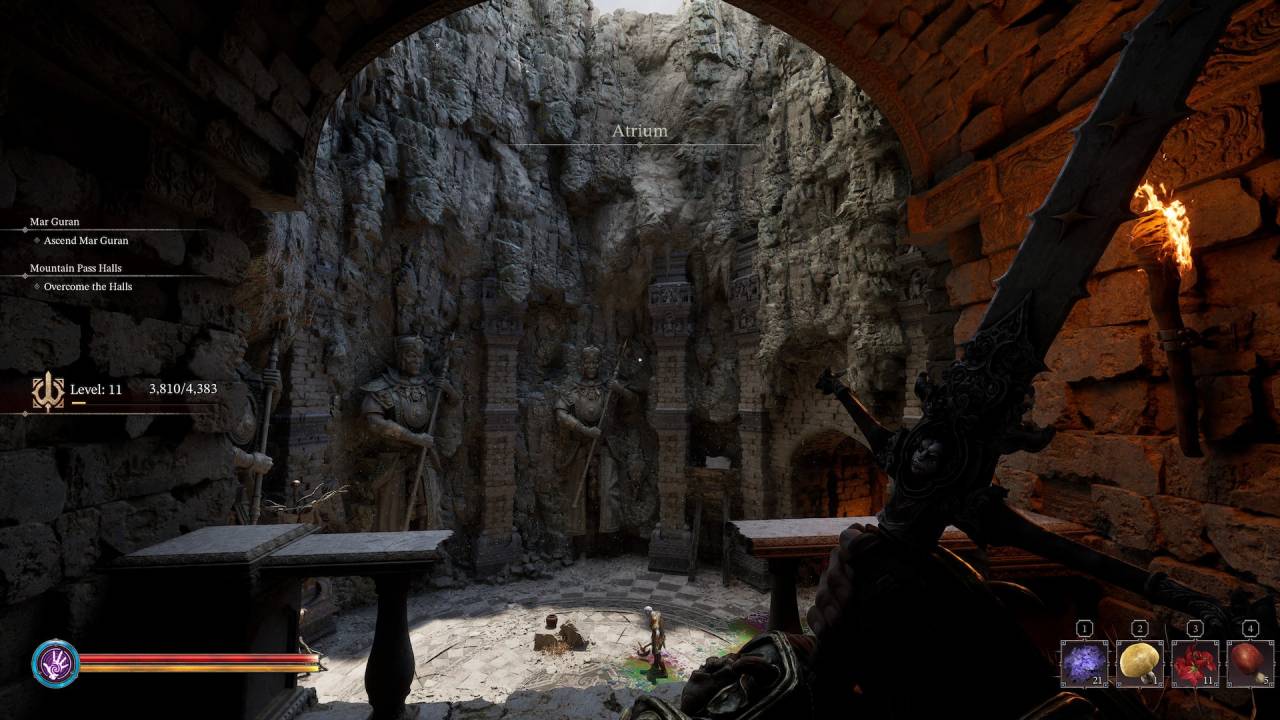
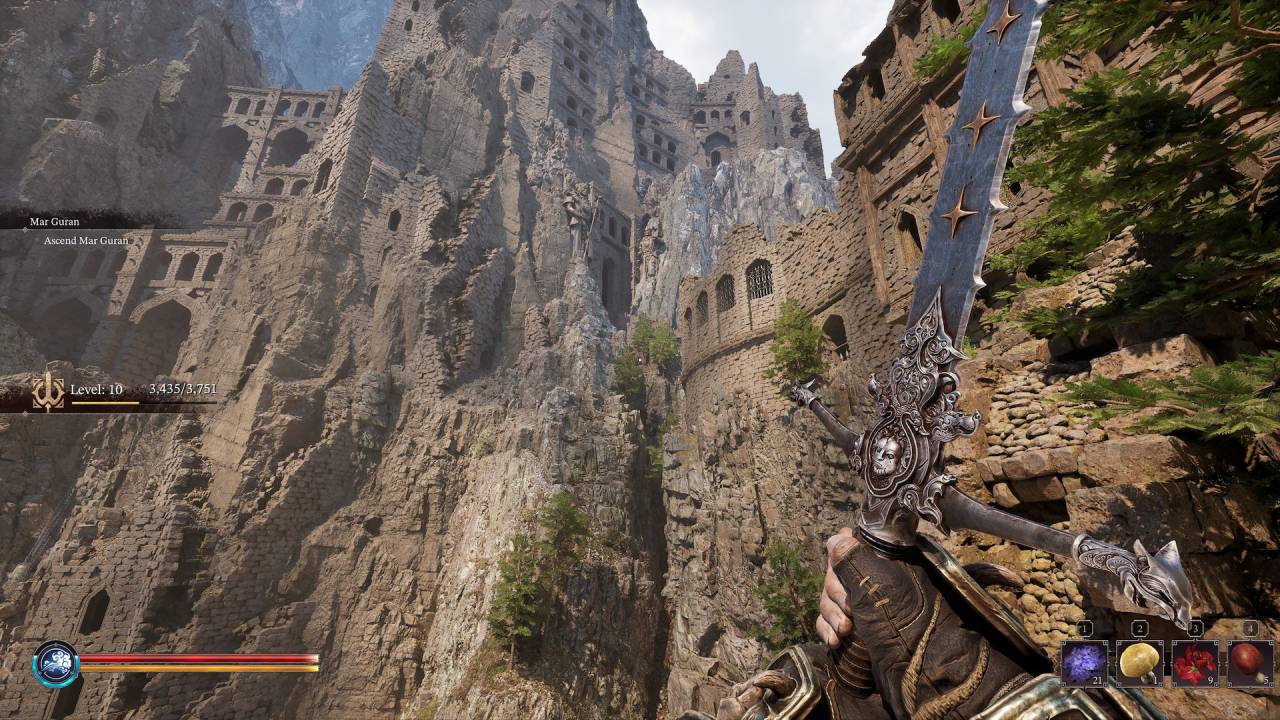
Even when the prose is not extremely detailed, the settings give the story a feel of age, ruin, and mystery. The crumbling fortifications, old halls, and ceremonial spaces all suggest stories that the literature hasn’t quite earned yet. Fatekeeper is better at generating a mood than explaining things, which might be interesting in little bursts but could be an issue if the final edition doesn’t do anything to add to the characters and the world-building.
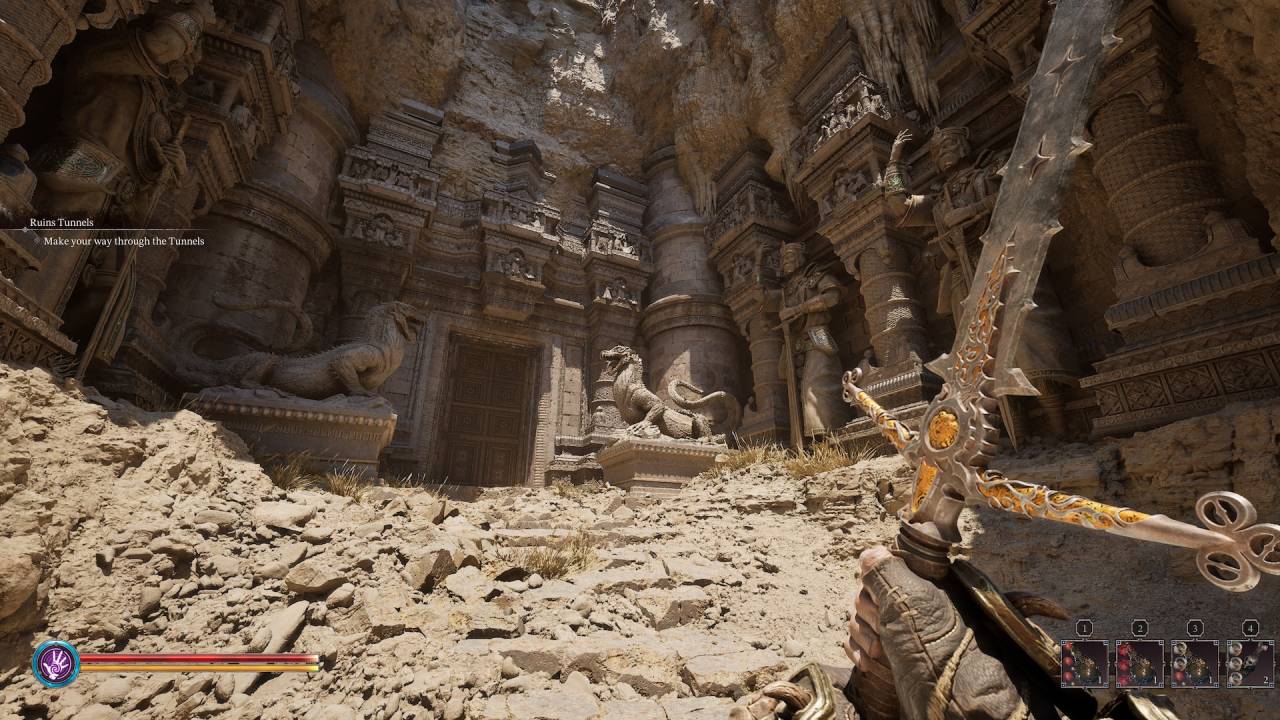
The gaming loop is simple to understand and surprisingly effective. You move into a custom-made space and observe enemy behavior, combat them, loot, and then go farther to the next goal. No meters for survival, open worlds so large they can't be managed, or online hooks. Fatekeeper is all about battling, exploring and upgrading your character.
You have qualities, spell schools, equipment, and relics that let you progress further in different styles of play. The available systems point to builds that are strength-focused, use precision weaponry, or are very magic-oriented. The present build isn’t long enough to properly test long-term balance, but the structure looks solid. Depending on what you create, a war can play out a lot differently even in a two-hour window.
Good environmental planning facilitates exploration. The game’s tiny size keeps the pace brisk. The caves, woods, ruins, and sanctuaries all have a handmade feel, rather than being automatically assembled. There’s not much of a break in the game. Each region brings a new objective to the battle, new danger to the surroundings, or new gear to test out.
Fatekeeper knows that it’s not the size of little games that keep them alive, but the density.
Fatekeeper is for fighting. The swordplay is reactive, timing is key, and enemies penalize heedless boldness. This is not a button-mashing game. The spacing is especially essential when your opponent telegraphs their strikes, and winning battles comes down to analyzing the landscape rather than trading damage.
The contact with the environment is the most engaging feature of the game. You can utilize telekinesis to manipulate goods, kick foes into pits, and even turn the environment into a weapon. These are the best battles in the game, because they reward inventiveness, not just numbers. Fatekeeper is most entertaining when you don't follow one optimal plan, but make your own.
Unfortunately, the method is not always balanced. Most of the time, the offensive powers seem less helpful than telekinesis, which does minimal harm and uses significant mana. Tracking adversaries can also be too aggressive, so occasionally dodges feel arbitrary and unjust. Sometimes little mistakes are penalized excessively heavily, especially when numerous adversaries assault at the same time in small places.
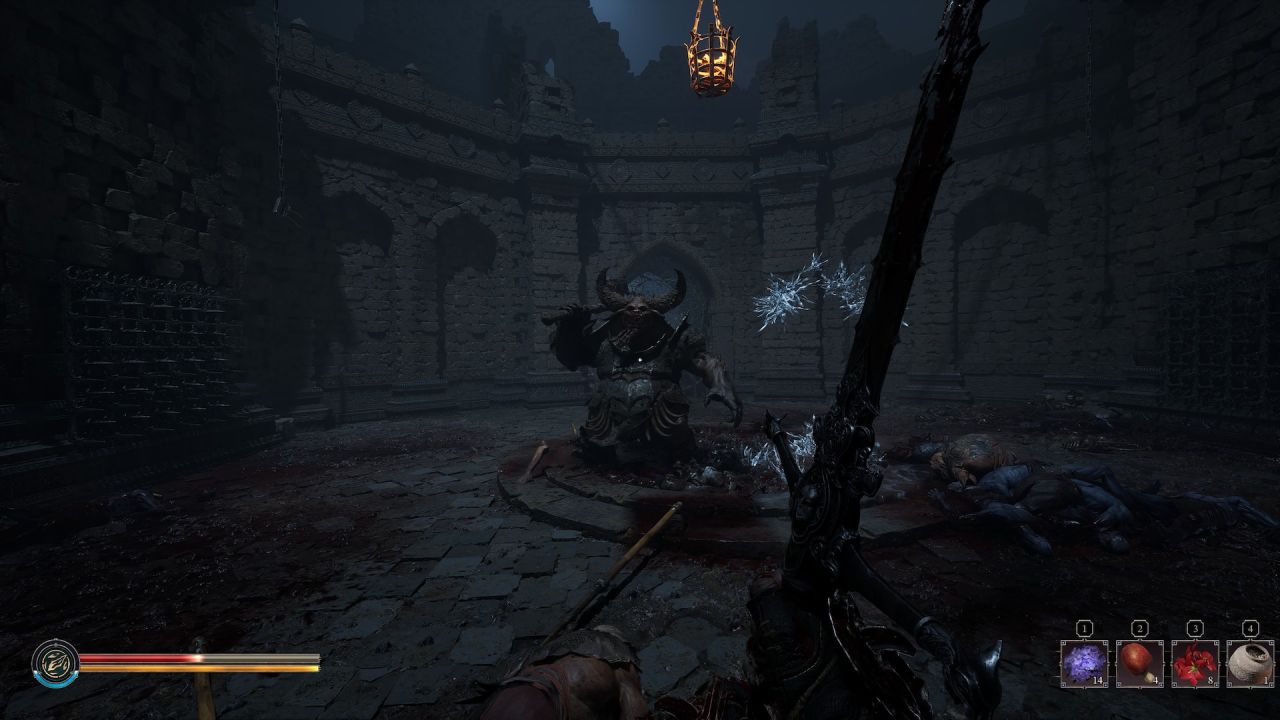
The first large boss fight is a good example of the potential and the frustration. In the combat, you have a giant strong enemy and smaller adversaries that support them in a small space, so you have to balance crowd control, positioning, and remaining alive. The aim is apparent, but the method it is carried out can appear disorganized, not complicated. While the game encourages you to be creative, some scenarios don’t provide you enough room to be innovative.
It’s difficult to judge character growth at this point, as there isn’t much to go on. You get things like experience points, trait allocation, and equipment improvements, but they cannot really come into their own in Early Access. The layout you see is similar to a conventional role-playing game, where you gradually unlock additional methods to battle with stronger gear and abilities.
Different builds already lead to different games, which is a good sign.
Even in the short campaign, a melee-heavy approach feels different than a magic-heavy approach. The question is whether the whole game can continue to improve over a much longer period of time. Here, Fatekeeper gives us the blueprint for a good development system, not a demonstration that the whole thing works.
Looting offers another layer of customization. Weapons, armor, and relics appear frequently enough that you will be inclined to experiment, and some items will tangibly alter the flow of combat. The creators will need to work hard to keep people intrigued once opening hours are finished. Early Access seems promising, not that you can continue.
Fatekeeper looks better than it ought to. The dark fantasy art direction, dramatic lighting, worn stone, and evocative ruins all lend the environment a terrifying, old-world atmosphere. The effort that went into developing the character models, armor designs, and enemy silhouettes shows that the art team knew exactly what dream they were trying to sell.
The style merges styles in a way that should clash yet largely succeeds. The gear is based on the Viking civilization, although there are also statues and structures from other cultures. This makes the world feel less like a historically constant place, and more like a mythically variegated one. This combination gives the game its own unique look, rather than the traditional medieval fantasy color scheme.
The technical performance is not that good. The hardware requirements for a game at this scale are very steep, and even systems that can handle them may need to tweak some settings to keep frame rates smooth. There are some stutters and slowdowns, but they will happen often enough that you will be able to tell that this is still an Early Access game. Fatekeeper is fantastic, but it’s a lot harder to play than one imagined.
The nicest aspect of the game so far is the audio.
Sometimes the dialogue is hard to hear, some sound effects clip in and out, and the loudness varies, making it less immersive. Sometimes the opponent's voices are too loud or too soft, and the overall mix isn't polished enough to maintain a strong tone.
The music is good, yet it plays over and over again. None of the music is terribly horrible, but few songs really stand out during the short campaign. And much more remarkably, because the visuals do such a good job at setting the mood. Fatekeeper produces lovely scenery, but it's hard to give them a sound that really stands out.
Well, the good news is that these issues look fixable. Updates can greatly improve audio mixing, but they can’t fix structural faults in the story or battle balance. The immersion level of the final release will probably rely on how much Paraglacial focuses on the sound design.
Fatekeeper is not a polished role-playing game; it is a bit more of an interesting experiment. The battling system already has some extremely good components, especially when the environment and spellblade mechanics interact together. The world feels handmade, and the narrowed scope saves the experience from collapsing under its own weight.
But at the same time, there are several major issues with the current build. The story is underdeveloped, the audio mix needs significant improvement, some of the battle mechanics don’t feel fair, and there’s still not much content available overall. As a player, you have to trust a plan more than you can judge the full product. This sounds like a solid idea for Early Access, but it's still risky.
Fatekeeper has enough potential to be worth a thoughtful investment for folks who like trying new things with first-person melee RPGs, and observe how systems improve over time. For anyone who wants a polished tale experience or a major campaign right now, the game is definitely the smarter pick. The foundation looks good. The question now is whether the next 18 months can build on that platform and really make something substantial.
Contributor, NoobFeed
Verdict
Fatekeeper is a visually striking spellblade RPG with inventive environmental combat and obvious passion behind it. Yet its thin narrative, rough audio, punishing balance, and limited Early Access content make it feel less than an essential purchase.
67
Related News
No Data.