
Fellowship Review
PC
Early Access
Chief Rebel's big co-op adventure trades endless grinding for focused teamwork, which works out well for the most part.
Reviewed by Nusrat Choity on Oct 18, 2025
"What if the best part of online RPGs, the dungeon runs, could stand on their own?" is a question that MMO fans have been asking for years. There are no boring fetch tasks, hours of level-gating, or loot tables that are hidden behind weeks of repetition. There is only pure, cooperative dungeon crawling.
That's what Chief Rebel wants to make happen with Fellowship, a new game that changes the way you play online with other people. Chief Rebel isn't like other studios. The team is made up of pros who have worked on World of Warcraft, Diablo I, Helldivers 2, and Battlefield. Their resume is like a highlight reel of their time working on online multiplayer games.
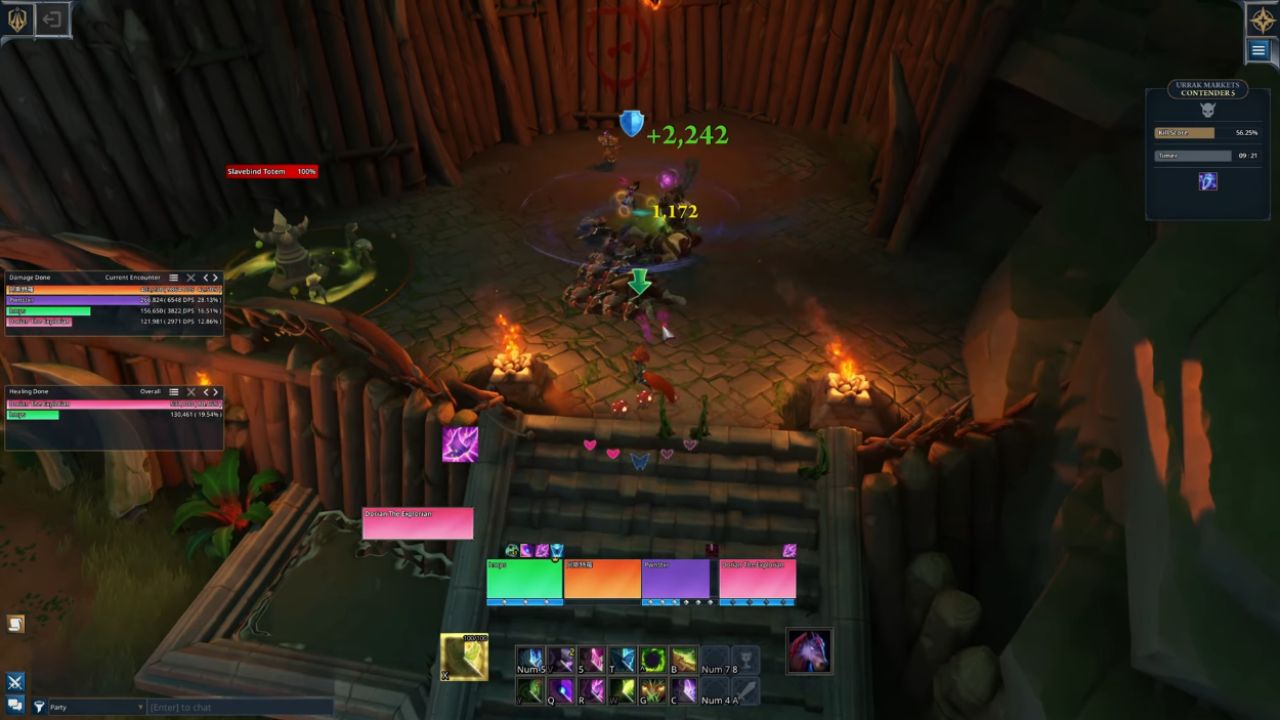
A "Multiplayer Online Adventure," or "MOA," is what they call it. Instead of making another huge MMO, they made something smaller and more personal. The goal is easy: skip the work and go straight to having fun.
It's a strong pitch that makes Fellowship stand out right away. It doesn't promise an endless world full of distractions. Instead, it offers carefully designed, fifteen-minute adventures that feel like the best dungeons in World of Warcraft. Fellowship does a lot of what it sets out to do, but it doesn't always hit as hard as it could. The idea is great, but how it's put together is important.
The world of Fellowship isn't big or full of countries with lots of history. Instead, it's a place where people can fight. You and three other people are dropped into hand-made dungeons that are full of traps, mini-bosses, and tasks in the environment that require you to work together and talk to each other.
The Stronghold is in the middle of this world. It's a hub where your team meets up between expeditions. You can improve your weapons, change your builds, make consumables, or just look at other explorers' gear as you walk by. It makes you feel like you're part of a group without being too busy with menus or NPC chatter, like Destiny's Tower or Monster Hunter's Gathering Hub.
This is where every run starts. Your group picks a dungeon, sets the level of challenge, and walks through a shimmering portal into a different world. The change is smooth, and the pace is right away. You're quickly fighting your first group of monsters, avoiding dangers in the environment, and calling out to your friends.
Momentum is Fellowship's greatest strength, and this style shows it. There's nothing extra. There are no long lessons or ten-minute walks to find something to do. It's a co-op game made for people who value their time but still want to work together and have fun.
Fellowship doesn't let you make your own characters; instead, it gives you access to a list of "pre-built heroes," each of which fits a well-known role, like tank, healer, or DPS. At first glance, this may seem like a restriction, but it actually lets Chief Rebel plan precise, fair battles.
Every hero has their own style of weapons, set of skills, and talent tree. In this case, the tank can specialize in either heavy crowd control or reactive protection. The healer can focus on either quick bursts of healing or slow, steady renewal auras. Different types of DPS, like dual-wield rogues and long-range elemental casters, need different timing and positions.
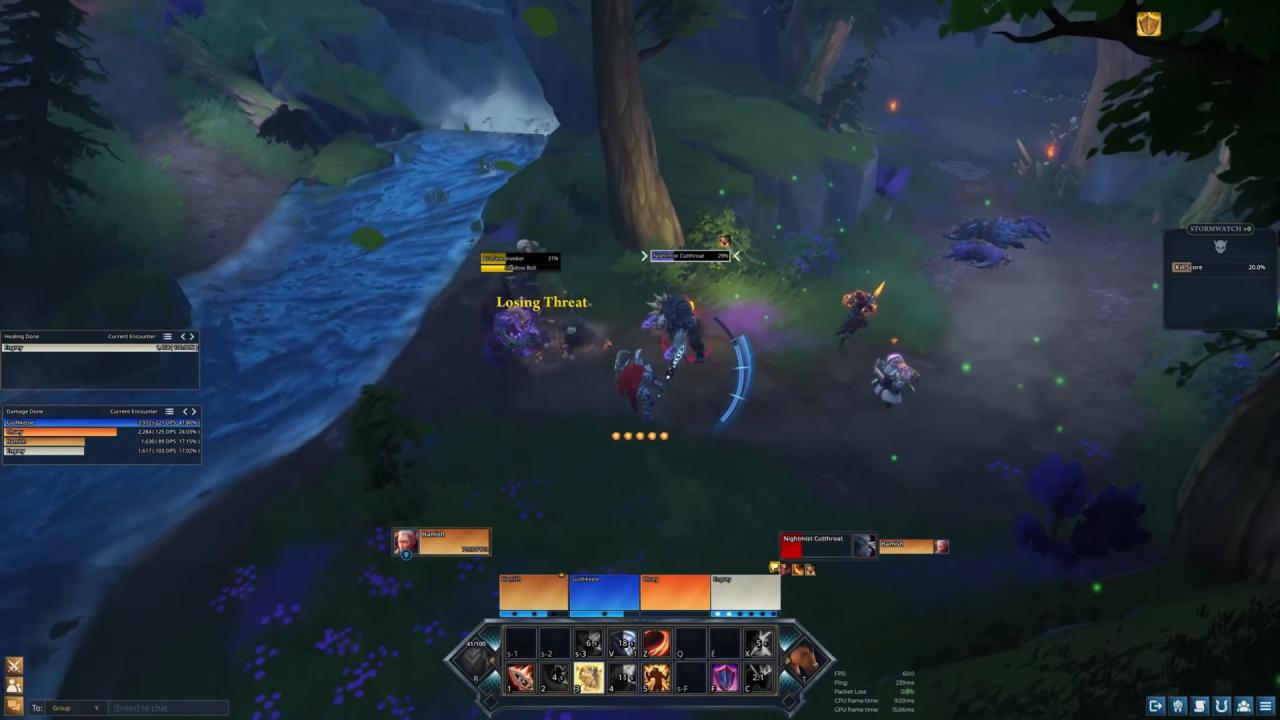
You can change how your character looks by using skill points that you get from clearing dungeons. You can respec at any time, allowing you to make changes right before a run. Suppose your team is having trouble in a dungeon that has a lot of poison.
In that case, your healer can switch to a cleaning build, or your tank can get resistances to lessen the effects of area damage. One of the best things about the game's design is its flexibility. It encourages exploration instead of punishing it. The heroes feel unique, but sometimes there isn't a strong emotional bond between them. You're taking a character instead of making your own. When you don't have a personal stake in a victory, it can feel less personal, even if the teamwork that led to it was rewarding.
In Fellowship, each room is a small, hand-made maze that takes ten to twenty minutes to complete. Some waves of enemies, some puzzles in the surroundings, and a boss at the end are all there is to it. Even though they are small, these caves offer plenty of activities.
One could trap you in a flooded temple and make you change the way water moves while protecting yourself from creatures that can walk on water. Another person might see your group descending into a molten cavern, avoiding falling rocks and fighting structures ablaze. Every run has its own mechanics that test your ability to coordinate, time, and change.
Combat is typical for MMOs; you can "tab-target," "cooldown," and "rotate" your abilities. Tanks take care of enemies, healers keep resources in order, and DPS work on placing and doing the most damage possible. There's even a method where you have to time your attacks just right to stop enemy spells. This deliberate, tactical combat is fun for people who have played many MMOs. Still, new players accustomed to the mobility of current action RPGs may find it stiff.
One major thing that is missing is a uniform "dodge or evade" mechanic. Without one, some fights feel too hard, especially when enemies use big AoE attacks that you can't escape. According to Chief Rebel, they want to stress positioning and planning over reflexes. However, this makes the battle feel slower than it should.
There are times when everything works perfectly, though. Like when your tank taunts a boss just right, your healer times a group cleanse, and your DPS chains their ultimates together. There is both chaos and unity, the kind of teamwork that makes you remember why people love MMOs in the first place.
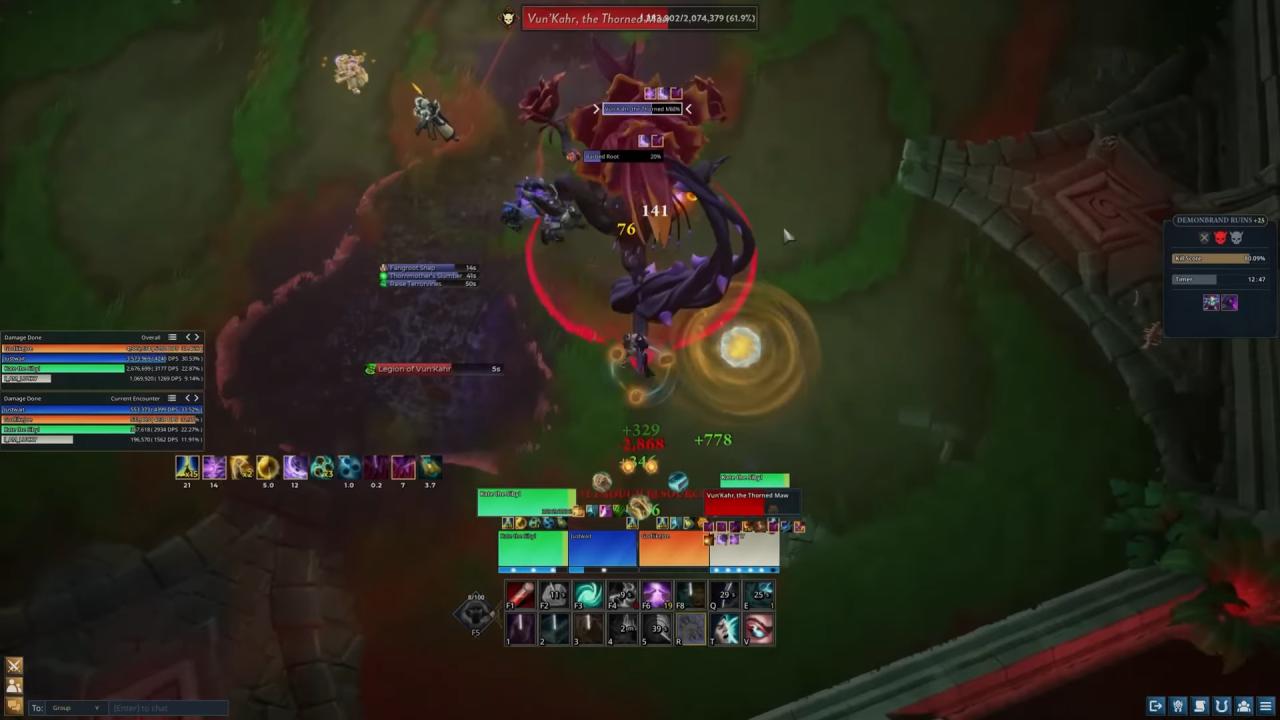
The lack of a development system in Fellowship may be its most extreme choice. There are no levels or experience points for the characters. The dungeons you beat are the only things that show how much you've grown. If you beat a dungeon on "+0" level, you can move on to "+1." When you beat that, harder levels will appear.
Curses and Ascensions are factors that get added with each higher tier. Curses can make recovery less effective, summon elite enemies, or leave behind effects such as lightning storms or poison mists that last for a long time. Ascensions, on the other hand, make benefits better but make enemies more dangerous and complicated. Like Diablo III's Greater Rifts or World of Warcraft's Mythic+, it's a beautiful risk-reward loop.
Fellowship is surprisingly focused because it doesn't let you level up through XP. You improve through skill, not time spent. It does leave a hole, though. You don't have a long-term "power fantasy" or a sense of becoming a hero from being a rookie. When you've mastered a few heroes and hit a good level of challenge, you won't want to keep grinding as much.
The loot system is where Fellowship really falls apart. For a game that is all about repetition, the benefits are often too boring to enjoy. Most drops are low-tier gear that doesn't do much to improve your stats. When they do show up, weapon drops aren't particularly special or cool.
There are signs of more complexity in the crafting system, and the developers have talked about "legendary" items that will have effects that change everything. But the grind doesn't seem to be worth it right now. There aren't enough lucky drops in Fellowship's economy right now to give players that dopamine rush. To its credit, Chief Rebel has been clear about how it plans to change drop rates and the variety of loot during the early access phase. But until these changes happen, loot feels more like a duty than a reason to play.
Fellowship's graphics are just the right mix of clear and stylish. The art style is bright but not cartoonish, and the environments and characters' shapes are clear enough to read. This makes it easy to follow the chaos of fights.
Each dungeon has a clear theme. For example, icy castles sparkle in blue light, volcanic arenas crackle with ember dust, and forest ruins feel old and overgrown. The different visuals keep the runs interesting, even when you play the same layouts over and over to get higher scores.
Fellowship works amazingly well in technology. Even when there are a lot of spells being cast, frame rates stay the same, and load times are short. Even though the interface is simple, it tells you everything you need to know about cooldowns, buffs, enemy casts, and where you are in the game. The idea works well and is useful.
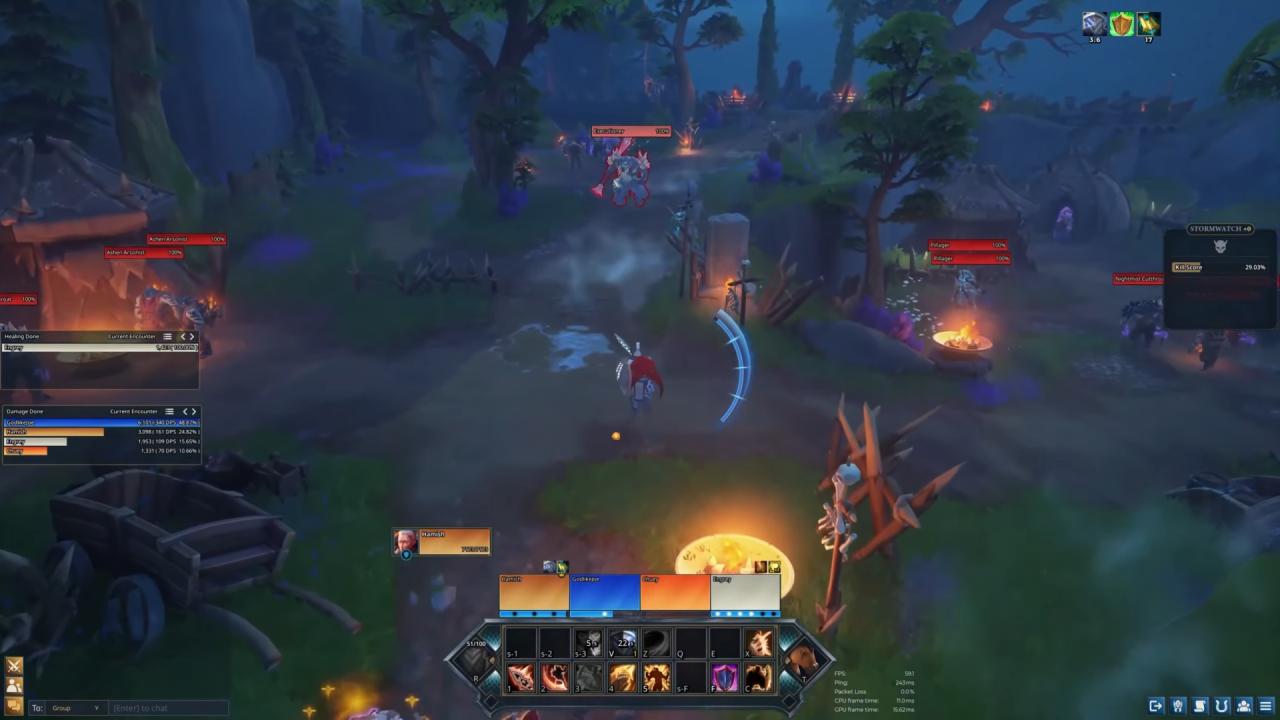
But the images rarely make you feel amazed. The game is very well put together, but it plays it safe. It has a "clean MMO aesthetic" rather than a new visual showcase. You'll like how consistent it is, but you won't stop to take pictures.
The sound design enhances the experience in subtle ways. The background sounds in each cave change as you fight. For example, during exploration, the sounds are low, tense drones, but during boss fights, they build to dramatic orchestral crescendos. Hits with weapons, spells, and monster roars are all very clear, but they lack a bit of visceral punch. Voice acting isn't very strong, but it conveys the hero's personality and hints at a larger story.
Music is worth mentioning in particular. The score changes automatically based on each player's performance. For example, when your team's health drops or the boss starts a final phase, the tempo speeds up to add a sense of urgency. It's not a song you'll remember, but it fits the rhythm of the moment perfectly.
The best thing about "Fellowship" is its "social gameplay." You don't play this game by yourself; it's a joint experience based on talking to each other. How well your team coordinates jobs, matches times to skills, and handles chaos will determine how well they do. The method that matches players usually finds ones with about the same level of skill, even in quick play. In ranked games, it's important to work together. It's really satisfying to beat a dungeon with a friend, especially if you beat the timer or get through a higher curse level for the first time.
So far, there is a small but eager group of people who are into the game. Chief Rebel's busy Discord and regular developer Q&As make it easy for players and creators to work together. That looks like a good start for a new online game.
Fellowship is a game that feels like the next step in the growth of the MMO dungeon. It's based on the best parts of the genre. It's quick, easy to use, and made so that people can work together. Every run feels like a small raid; it requires attention and rewards mastery. But it's also a game that sometimes feels unfinished. The combat could use more impact, the loot needs more interesting items, and there should be more long-term hooks for growth.
There is a "fantastic foundation" here, a strong base that, with future updates, could grow into something truly epic.
Friendship is great in MMO raids, but some people don't have time to play for hours. Fellowship is perfect for those people right now. It's a love letter to working together and a warning that online adventures don't have to last forever; they just have to be interesting.
Contributor, NoobFeed
Verdict
A new and focused take on online dungeon crawling that gets the thrill of working with others, but doesn't have enough depth to keep you hooked for hours on end. Fellowship could change the genre if it improved and offered more fun ways to grow.
79
Related News
No Data.