
Ratatan Review
Xbox Series X|S
Early Access
A rhythm of pure nostalgia reborn delivers roguelite twists in a beat-driven symphony of strategy and style.
Reviewed by Asura Kagawa on Sep 30, 2025
In Ratatan, a popular genre that used to do well on handheld screens, comes back to life as a game. This game was made by the original developers of the Patapon series. It came out as a result of a very successful Kickstarter effort that promised a new take on rhythmic strategy.
Ratatan is a game that tries to change the formula into roguelite territory. Patapon made its name on the PlayStation Portable with its mission-based structure and hypnotic beats. Ratatan is both a love letter to the past and a bet on the future. It does this by combining procedural runs, evolving teams, and online co-op.
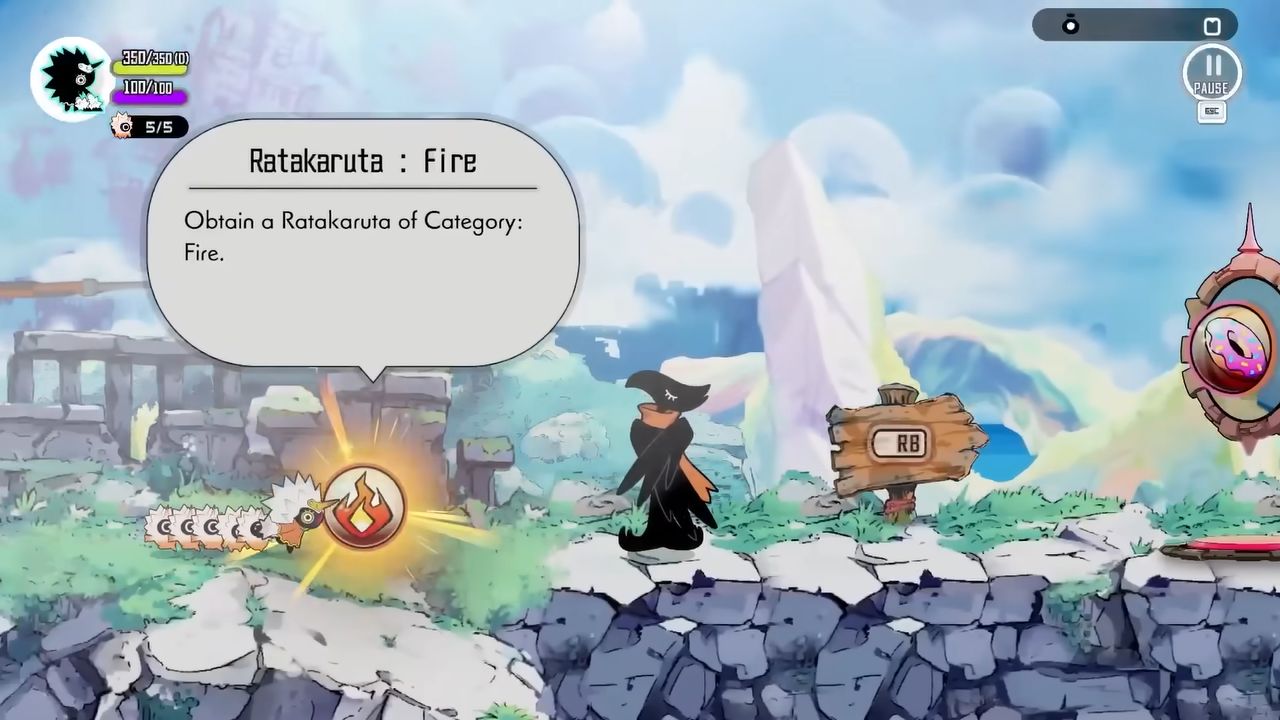
This duality defines the entire experience: half nostalgia, half experimentation, and fully committed to recapturing that magical feeling of commanding tiny armies with the pulse of a drum. Unlike sprawling RPGs that drown you in exposition, Ratatan strips away narrative excess.
The main idea is that you take control of a magical being called a Ratatan and must lead Cobun followers to the Ever After, where a goddess waits.
There aren't any long cutscenes or scripts that are full of lore about political intrigue or countries in danger. Instead, the stories are felt and told in a repetitive way. The chants, the calls of the Cobuns, and the feverish build-up of each level speak louder than paragraphs of text ever could. It is minimalistic but intentional, directing all focus toward the beat-driven loop. Still, this choice is divisive.
Fans who want more background may be disappointed, but rhythm fans will love how the game puts all of its energy into the mechanics instead of adding too much of it to the story. Ratatan is both a lot like other games and is very different from them. The base is like Patapon's rhythmic orders, but it changes into a roguelite structure over time.
Instead of replaying fixed missions, you embark on runs through procedurally generated zones. Each stage presents opportunities for temporary boosts called Rakarudas and collectible materials, which translate into permanent upgrades once back at the hub. The direct control of the Ratatan character is a major shift from the Patapon blueprint.
You are no longer an unseen god giving orders; instead, you move a leader unit in real time while chanting to coordinate the Cobun troops. Each Ratatan has a special passive skill and decides what weapons its Cobuns can use. This means that you can make builds that range from offensive spear-wielders to defensive shield-bearers.
This approach adds flexibility, but it also adds complexity. There are players who say that steering the Ratatan by hand ruins the pure rhythm-driven strategy, while others say that it's important to keep the loop from getting too passive.
The hub area further extends gameplay by offering progression layers. Here, materials collected during successful or unsuccessful runs can be used to buy lasting Cobun upgrades, Ratatan stat boosts, or new ways to craft. The loop turns into one more run area, where each try brings you a little closer to mastery or an unlock.
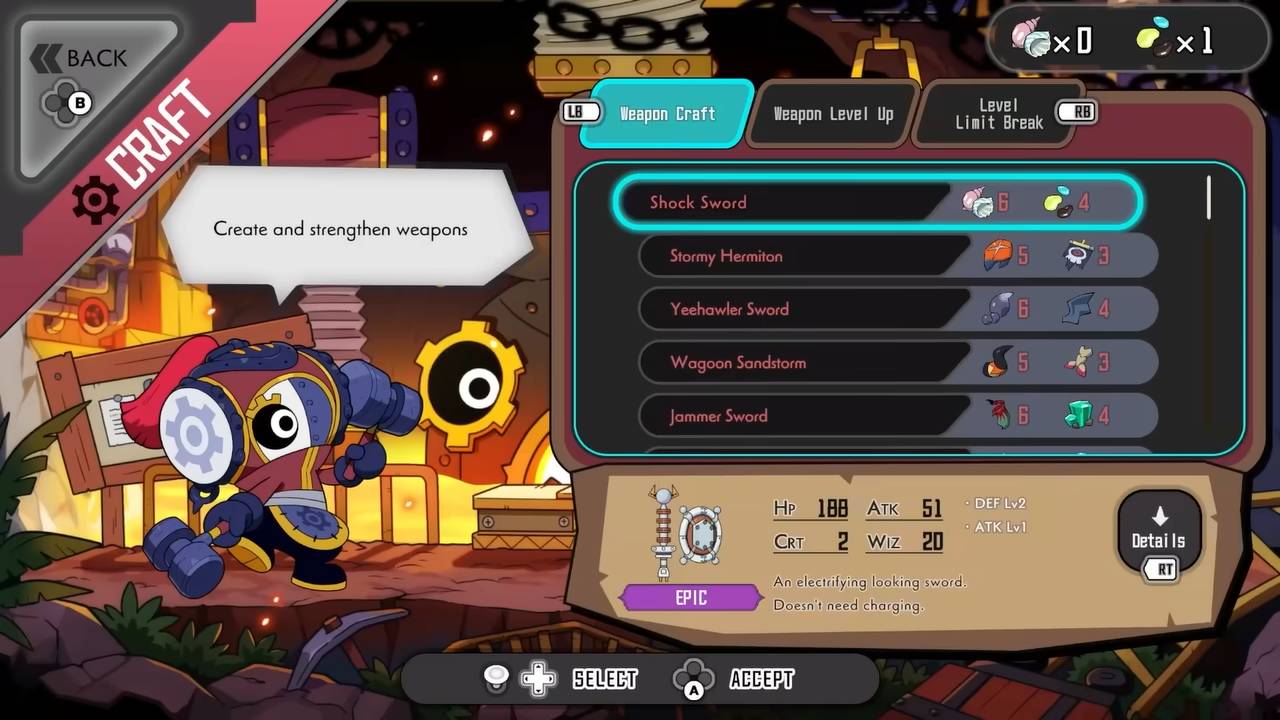
Yet, the repetitive sequencing of stages in the same order diminishes surprise and rhythm-based improvisation, revealing a structural flaw in early access. Combat is the beating heart of Ratatan, and its rhythm-first design creates a tension between precision and chaos.
You can give commands by tapping the chants "Rattata," "Zontaka," and "Yahoy" in time with a visual rhythm bar.
The Cobuns do what they're told, like attacking, defending, rallying, or using special talents. In this game, errors don't finish a song as they do in many rhythm games; instead, they lead to tactical setbacks. Missed beats mean idle troops, poorly timed defenses, or openings for bosses to punish entire squads.
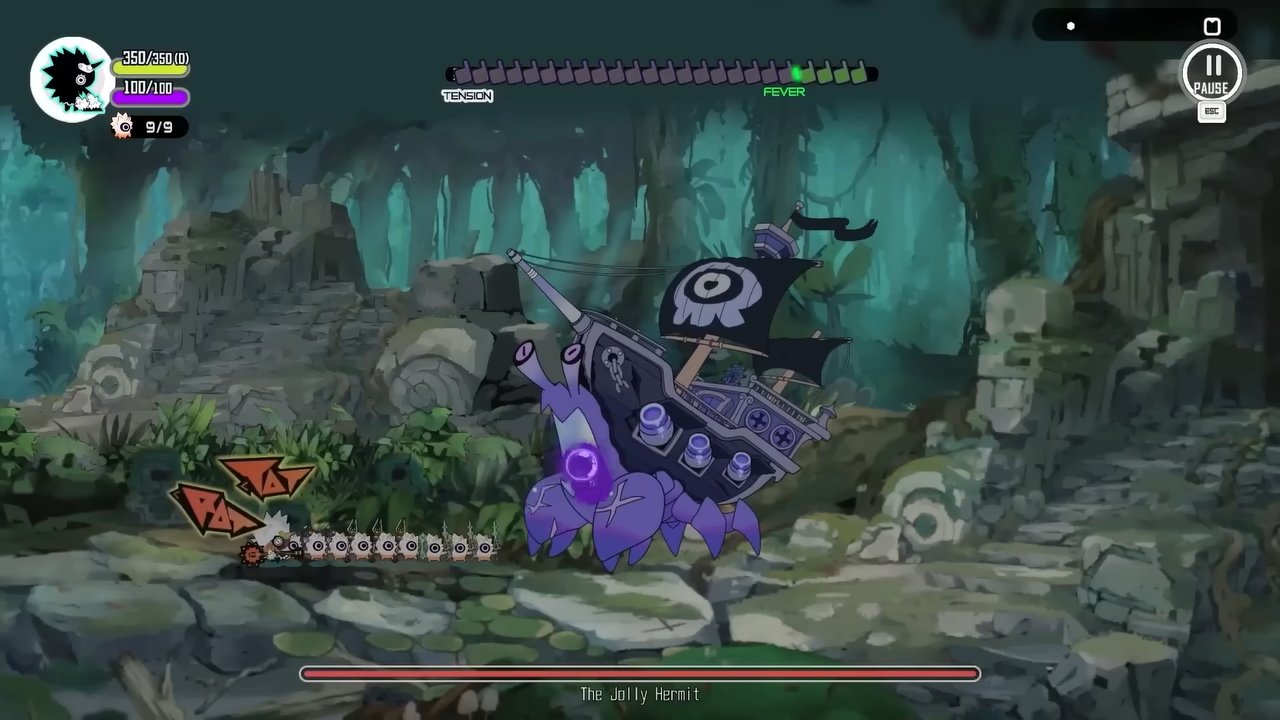
Boss fights make the game a lot more fun. Every huge adversary adds hurdles based on patterns that you have to memorize by heart and get the beat right. Being able to change your assault patterns is just as important as delivering correct directions. When you discover how your boss works, it's like unlocking a new instrument in a symphony. Every beat works with what you wanted to do.
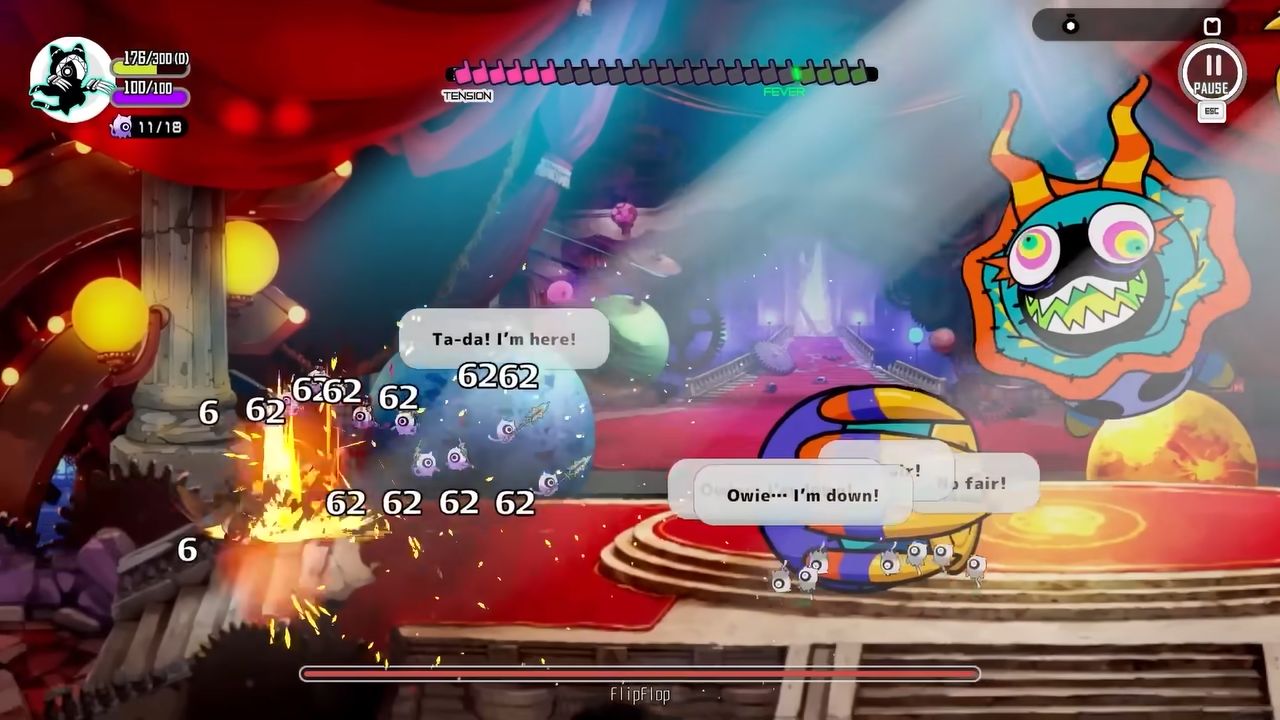
The combat's strengths are undeniable. It is visceral, reactive, and filled with the sight of dozens of Cobuns chanting as they charge at huge foes. The addition of co-op multiplayer makes this show even more impressive, turning fights into wild musical carnivals where four players mix rhythms to make a cacophonous harmony.
This is where Ratatan goes beyond its inspiration and turns rhythm into a show for everyone. Still, flaws remain. It seems like there should be a retreat order, but there isn't one. This makes going backwards awkward and breaks up the flow. Status issues last too long without clean treatments, which can be frustrating at times.
Peaks in the game's difficulty in the middle, especially in later worlds, show that grinding is more important than skill, as monsters soak up hits for no reason. While boss fights thrill, regular stage encounters sometimes feel like filler, lacking the nuanced pacing of their climactic counterparts.
Grinding is not just present in Ratatan; it is the game's backbone. Unlike skill-first roguelites such as Hades, this title demands meta progression through persistent upgrades. Defeating enemies yields resources, often donuts, in a tongue-in-cheek design choice that are reinvested at the hub. More Cobuns, stronger weapons, healing structures, and Ratatan enhancements all hinge on this resource loop.
This system ensures steady growth, but it also blunts the role of pure skill. Not because the player did something wrong, but because enemies are getting stronger faster than the player can deal with them. People who want a more straightforward rhythm test might not like how grinding becomes necessary.
On the other hand, it gives you a real sense of building an army, and after enough repeats, it turns weak squads into strong warbands. The grind turns into a routine, which fits well with the rhythmic philosophy but makes the game harder for casual players to get into.
Visually, Ratatan departs sharply from the monochrome minimalism of Patapon.
It bursts with color, featuring vibrant backdrops, charming character designs, and whimsical animations. The aesthetic feels celebratory, infusing joy into every frame. But the choice of contrast makes things less clear. In the chaos of battle, it can be hard to tell the difference between Cobuns and weapons because the foreground and background sometimes blend together.
This flaw in the design makes it harder to be precise, which is a big problem in a game where rhythm depends on clear input and feedback. Still, the art direction is fun and interesting, creating a world that feels alive and naughty, even if it can be hard on the eyes at times.
Sound is the lifeblood of Ratatan, and in this domain, it shines. Each Ratatan possesses a distinct voice for issuing commands, lending character to the chants. The music changes quickly and dramatically, getting louder as you link up successful rhythms and reaching fever levels where the intensity hits euphoric levels.
The Cobuns add funny and sometimes scary comments, from happy zone chatter to joyful cries of "Murder!" during battle. The way the sounds are layered is both funny and immersive, making each run feel like a real show. However, problems with translation in English make it harder to follow the story, and the lighter moments of humor sometimes clash with the darker themes of battle.
Even with these small problems, Ratatan's sound design makes it stand out from other games of the same genre. It creates an atmosphere where rhythm and sound are inextricably linked to your sense of control.
Ratatan is a risky attempt that looks like an old movie. It brings back the magic of Patapon while making its own style through roguelite elements and shared gameplay. The fighting is exciting, the music is catchy, and the beauty can't be denied. Yet the game wrestles with early access blemishes: repetitive progression, uneven difficulty curves, weak contrast in visuals, and grind-heavy advancement.
For some, these flaws will be dealbreakers; for others, they are forgivable quirks in a title that already delivers joy in spades. The future of Ratatan hinges on its roadmap. There is a huge amount of potential because more material, more customization, and better progression systems are all on the way.
Ratatan has the potential to become not only a spiritual successor but also a modern classic in its own right if the makers work on improving balance, visual clarity, and variety. Until then, it stands as a vibrant, imperfect, but exhilarating celebration of rhythm-based strategy, an anthem of nostalgia and innovation playing in unison.
Staff Writer, NoobFeed
Verdict
Ratatan blends rhythm and roguelite charm into a nostalgic yet flawed symphony. Joyful at its best, grind-heavy at its worst, it is still worth the beat.
79
Related News
No Data.