
Rotwood Review
PC
Rotwood: A cooperative action sandbox that balances skill, humor, and depth.
Reviewed by Maisie Scott on Mar 04, 2026
Klei Entertainment is known for its complex systems, striking art direction, and open, iterative development process. Rotwood is their latest masterpiece. Previous games by Klei Entertainment, like Don't Starve and Mark of the Ninja, show how they can take well-known gameplay types and improve them through thoughtful systems and an accessible yet deep design philosophy.
Klei Entertainment set clear development goals, including regular updates, ways for players to provide feedback, and a pricing structure that would increase as content grew. During early access, they took a very proactive approach.
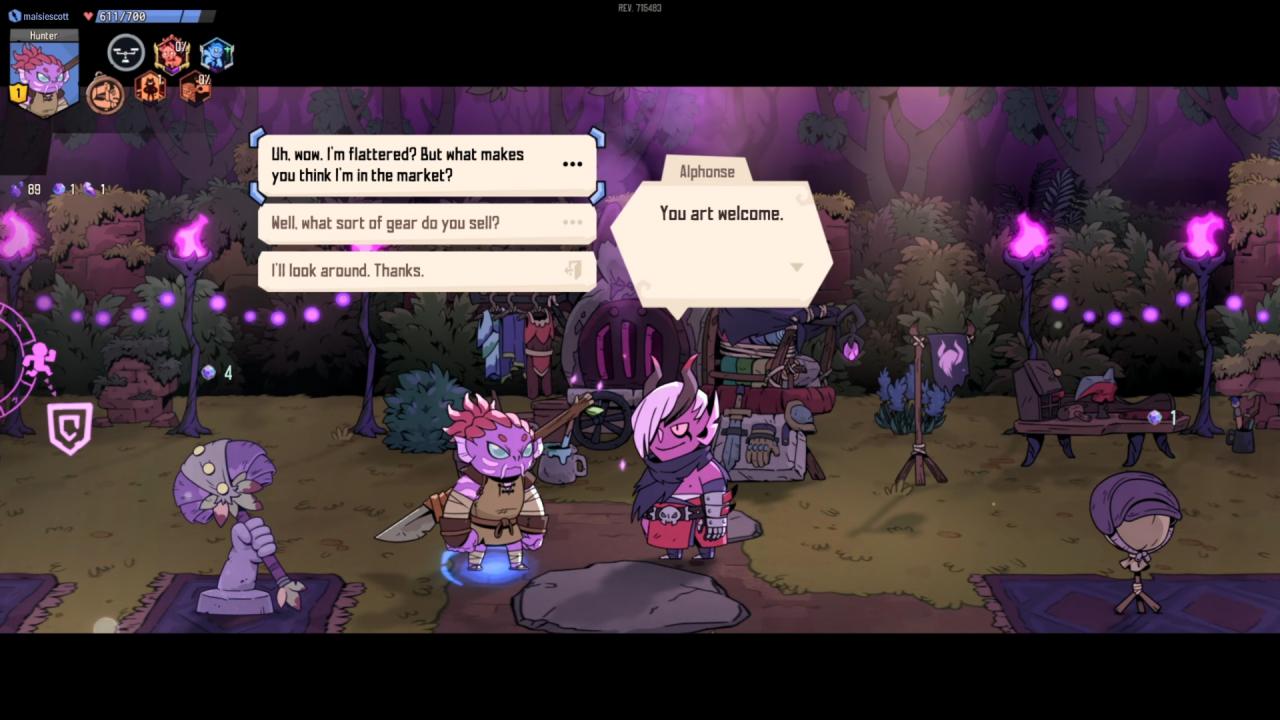
Klei Entertainment's concept of careful, reactive iteration is evident in Rotwood’s development.
The studio worked hard to give the game a unique look and feel, with parts that are skill-based beat-'em-ups and parts that are roguelike progression sandboxes. The full release isn't so much a hard turn as it is a crystallization of that long-term goal. Rotwood chooses a simple yet interesting story structure that complements the gameplay rather than detracts from it.
As hunters, players go into a corrupted forest to fight beasts that have been changed by nature. As they go, they find signs of environmental storytelling and progression. There are cutscenes that describe the plot at certain stages, but much of it happens through repeated hunts, meeting NPCs, and systems that assist people in getting together.
The corruption in the forest is a real danger that makes players want to explore, battle, and obtain resources. The town and its people change as players move through the game, giving them a sense of purpose and continuity.
The style of writing is subtle. Things like diaries, gifts, and building relationships add depth, but you don't have to use these features. If players try out these features, they'll find enemies that respond to their actions, while players who are only interested in combat can still enjoy the story as background.
The game is full of humor and charm, especially when NPCs and merchants talk to each other. This adds a fun tone that balances the dark, broken surroundings. For instance, people like Alons Edward, who introduces himself in a flashy way and makes offers that are way too complicated, give the world personality while keeping the reader immersed.
Rotwood’sstory design is a calculated risk; it favors natural storytelling over standard cutscene exposition. This option makes sure that every run has value in the game's world: wins are earned, losses teach us something, and the choices we make affect how we see the town and forest.
The core of Rotwood’s gameplay is a complex blend of roguelike progression and beat-'em-up mechanics. The players pick a hunter from a variety of customizable avatars with different body types and cosmetic options.
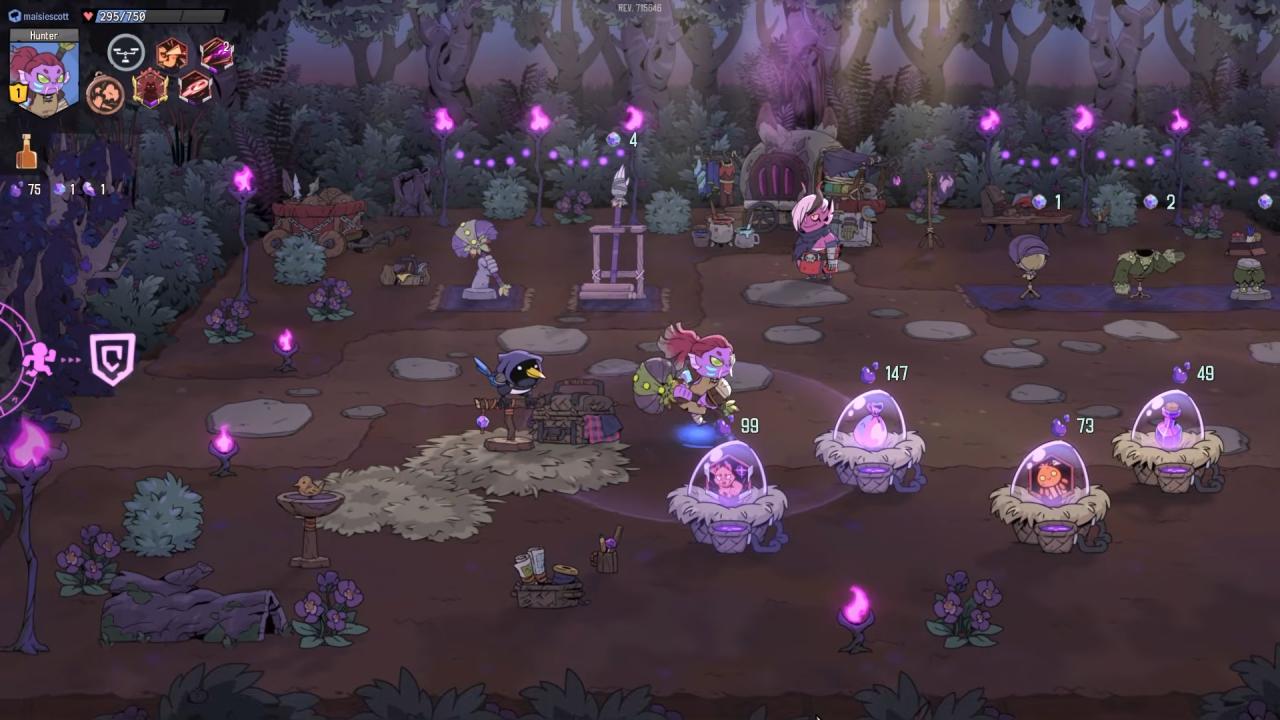
Then they go on procedurally generated hunts through the corrupted forest. The game has a dual-weapon system, with each weapon controlled by a different button. This makes switching between weapons during battle easy. Players can chain light and heavy attacks together to make combos, dodge, and use special skills that are given to skill slots that can be changed.
The layout of a roguelike makes sure that dying has meaning: players lose most of their progress but keep some upgrades, items, and money like tera and heart shards.
Long-term growth is supported by these persistent resources, which let players improve their hunts across multiple runs, unlock new skills, or upgrade their weapons. Heart shards are very important to the Hunter's Path, a system for improving your skills that rewards you for completing tasks in each hunt. Shards can be easily moved around to try out different builds, which gives players a lot of freedom to change how they play.
Up to three people can hunt together in Rotwood’sco-op mode. They must work together in battles, manage resources, and position themselves well. In co-op, players balance their builds with group benefits. Solo play is still possible. Playing with others adds more depth, making battles more exciting and planning more fun.
Rotwood’scombat is skill-based and very fast. Spears, hammers, bows, and other weapons all have their own properties, movements, and effects. Even during chaotic fights, visual clarity is still a top priority.
Over hundreds of thousands of hours of play, the enemy targeting, delay systems, and dodge invincibility frames have been fine-tuned to make the game fair and difficult.
Heavy attacks that damage a large area can be used, combos can be chained for long-lasting damage, and players can dodge or roll to avoid strikes while setting up counterattacks. Anomalies and gems are also used in Rotwood to add roguelike elements to battle. Anomalies introduce new challenges by altering how enemies behave or the dangers in the environment. This makes each run feel different.
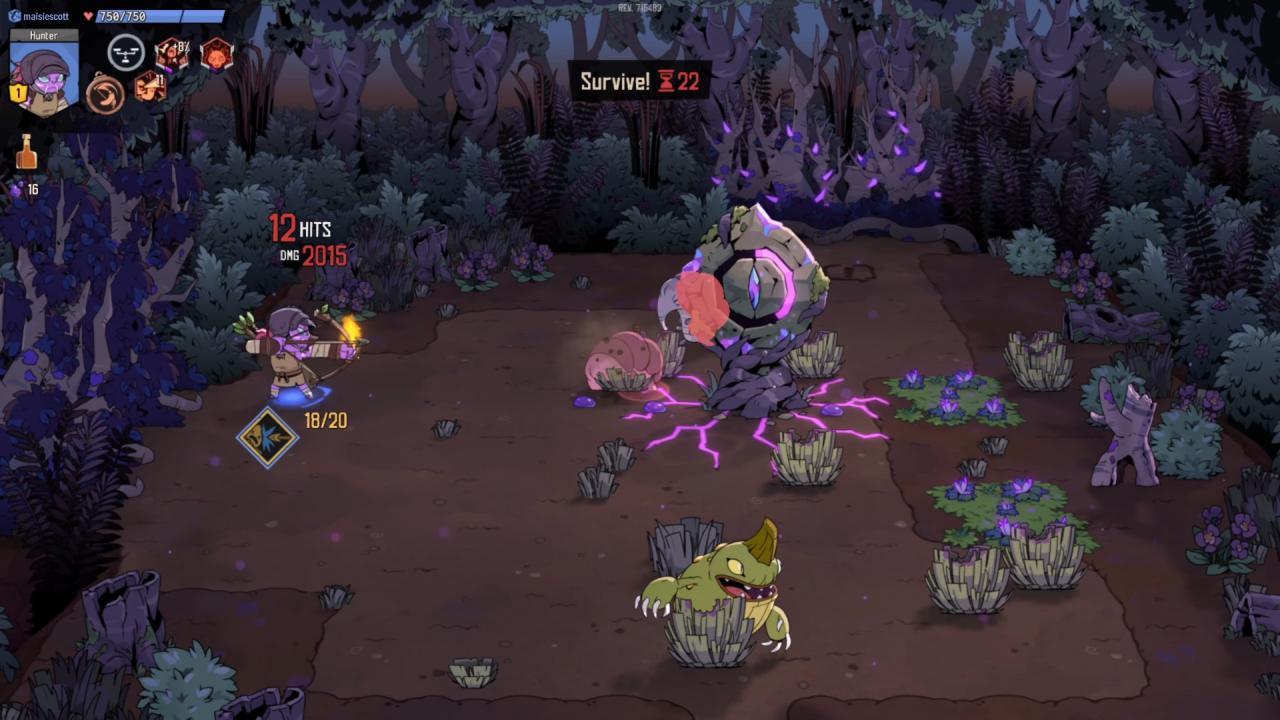
Gems can change how a character starts out by temporarily or permanently improving their skills, critical chance, or damage output. This mix ensures that mastering battle requires both quick reflexes and careful planning of how to build.
There are both good and bad aspects of the combat method. It's deep and fast, which makes fights fun, especially for players who are willing to learn how enemies move and what weapons they use. It's always nice to be strong at chain strikes, timing your dodges, and building up combinations, especially when you work with others.
On the other hand, it may be challenging for novice players to learn, and depending on the gear, it can make advancement feel uneven at times.
Some players may also find it a little boring to fight the same enemies over and over, but random factors and harder difficulty modes keep things interesting. In Rotwood, progress is planned and built up over time. When players win hunts, they get heart shards and tera, which they can then use to buy lasting upgrades, new weapons, and better talents.
The Hunter's Path offers long-term goals, task tracking, and fun ways to try out different builds. Thus, there is a cycle of skill-based gameplay: with each run, players get better at fighting, their skills and gear get better, and they return to harder fights with more skill. Farming, cooking, and relationships allow players to live, craft, and progress through the story.
The game's cycles include these parts, which encourage exploration and detail without pushing it, unlike systems that just let you grind. Rotwood is interesting to play for short and long periods of time because it blends fast combat challenges with long-term progress.
So, there are a few ways to grow and stay interested. Rotwood showcases Klei Entertainment's unique hand-drawn 2D style, with expressive, cartoon-like graphics that are a little creepy. The 2.5D world offers both depth and clarity, allowing players to fight accurately while immersed in a lush, corrupted forest.
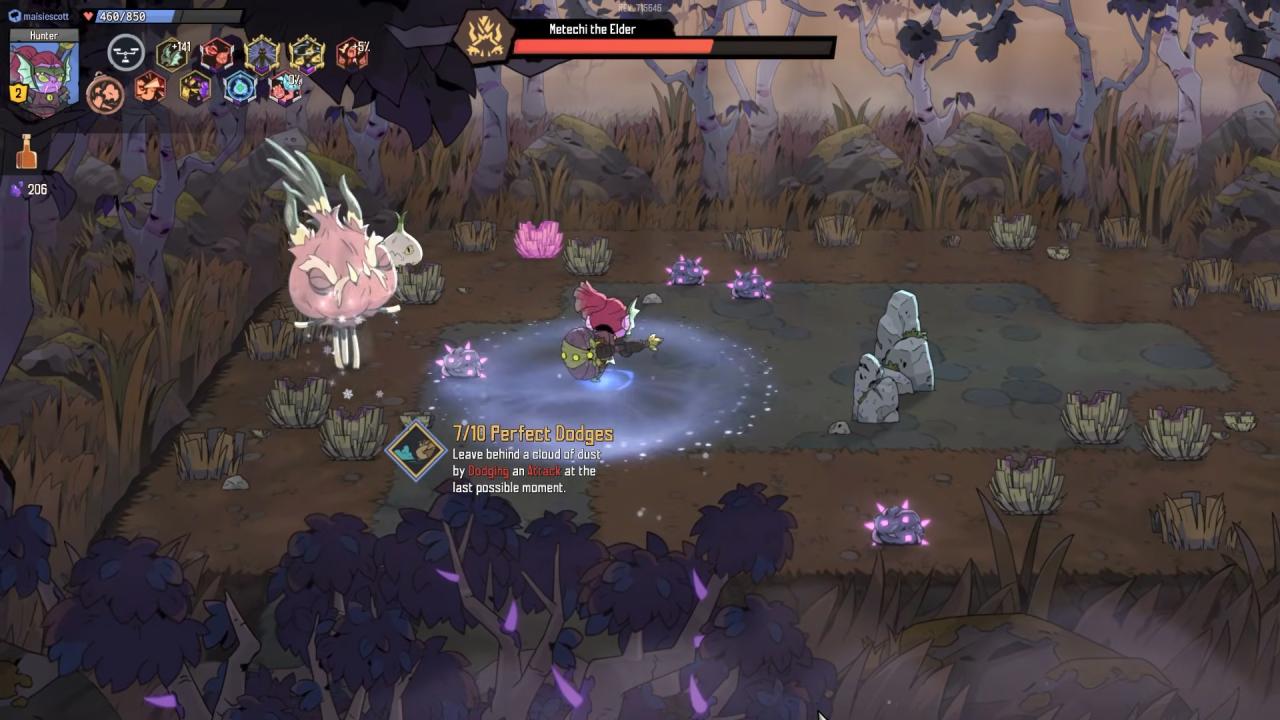
The forms of enemies range from small, quick enemies to huge, screen-filling bosses.
Each has its own visual cues that help players plan their attacks. Environmental dangers, visual effects for attacks, and changing lighting all help make the game easier to read and more atmospheric. The animation quality really stands out. Every attack, dodge, and combo gives satisfying visual feedback, and the player's moves feel natural and powerful.
Even small changes to the environment, like moving things out of the way or setting traps, have subtle yet visible effects that make it more responsive and give the player more control. Color palettes convey the mood of each area, with darker, more muted colors for damaged areas and brighter accents to draw attention to important or engaging parts. Overall, the graphics are a good mix of charm, readability, and theme uniformity.
The sound design complements the visual and gameplay features. Rotwood has a changing soundtrack that shifts with the fight's intensity. This makes exploration more tense and battles more exciting. The sound effects are clear and helpful; weapons have unique sounds, enemies announce attacks clearly, and environmental cues help you figure out what to do in tricky situations.
Voice lines and dialogue from non-player characters are delivered with humor and personality, making the story more immersive. Merchants, town residents, and traveling NPCs all add to the world through their unique and memorable sound encounters.
Not only do these sound effects look good, but they also help make the game easier to understand, so players can quickly respond to threats and spot important exchanges even when things get chaotic.
Rotwood is a good mix of beat-'em-up fighting and roguelike progression. It has tight, responsive gameplay and complex systems that reward both skill and experimentation. It has many great features, including beautiful hand-drawn graphics, a deep combat system that strikes a good balance between ease of use and mastery, strong cooperative mechanics, meaningful progression loops, and many ways to play it again and again.
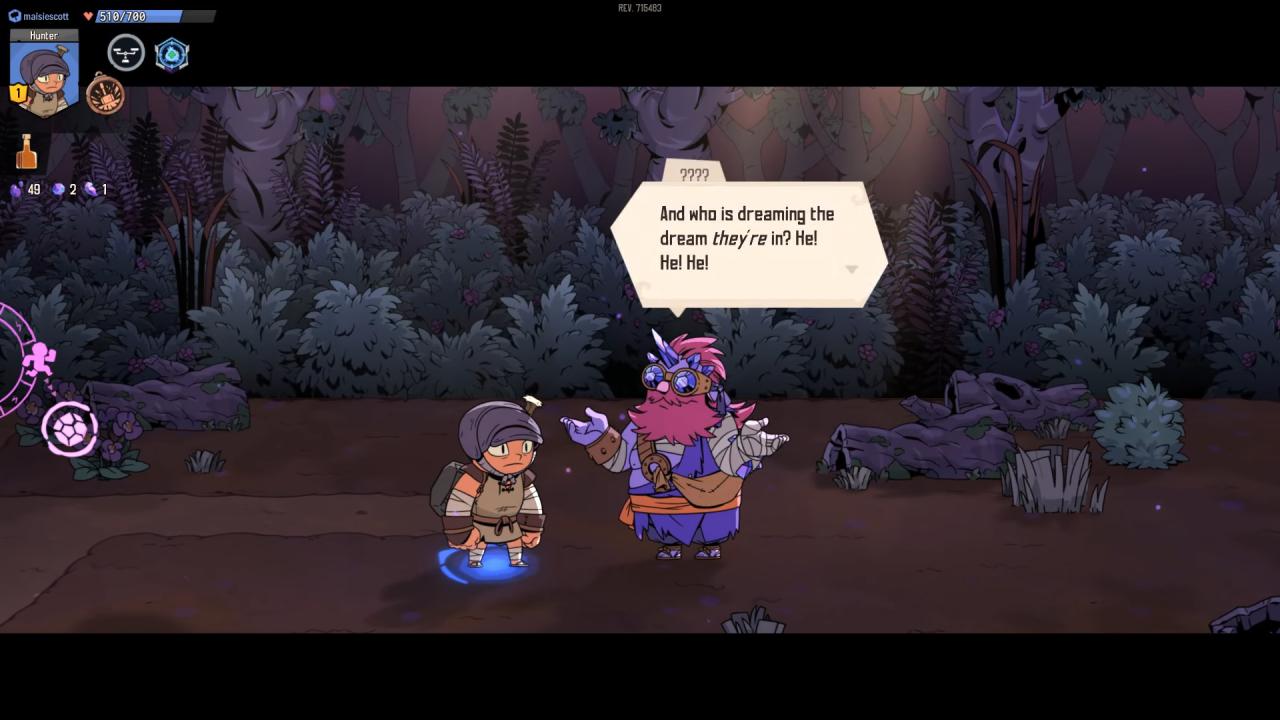
Even small things, like funny conversations, subtle environmental storytelling, and community growth driven by players, help make the experience interesting and cohesive. There are weaknesses, but they depend on the situation. New players may find the fighting hard, and after a while of playing, some things may feel like they've been done before. Also, the story isn't as deep as in story-driven games.
Performance problems have been noticed, like random frame drops or out-of-sync co-op, but Klei is working to fix them with hotfixes and daily checks. Some runs can feel uneven because you depend so much on your gear, but the open upgrade and talent system helps with this.
In the end, Rotwood is great since it has well-designed gameplay and can mix diverse genres. It's not a pure roguelike or a simple arcade brawler; it's a mix of the two that rewards both skill and forethought. Rotwood offers deep, skill-based gameplay that keeps players coming back for more, whether they play alone, with others, or in a competitive setting.
Editor, NoobFeed
Verdict
Rottwood blends roguelike progression with satisfying beat ’em up combat, backed by beautiful hand-drawn visuals and strong co-op gameplay. Despite some repetition and a light narrative.
67
Related News
No Data.