
Nintendo's Strategy Reshapes Switch 2 Game Lineup
Shigeru Miyamoto confirms Nintendo is aligning major game releases with upcoming film projects, while hinting at a long-term Zelda roadmap for the Switch 2 era.
News by Wasbir Sadat on Jul 24, 2026
Nintendo has provided one of its clearest views yet on the development of its first-party development plan in the Switch 2 generation. Legendary creator Shigeru Miyamoto recently revealed that several of the company’s latest games were made with the growing cinematic ambitions in mind, demonstrating a tighter tie between Nintendo's gaming and film divisions than many fans had realized.
The statements, made in an interview, lend credence to the notion that Nintendo is strategically planning game debuts to coincide with theatrical movies. The company is working on games and movies simultaneously, not as distinct projects, to keep key characters in view across several entertainment experiences.
Big disclosures include that Star Fox, Princess Peach Showtime and Yoshi’s Crafted World were all designed with Nintendo’s cinematic intentions in mind.
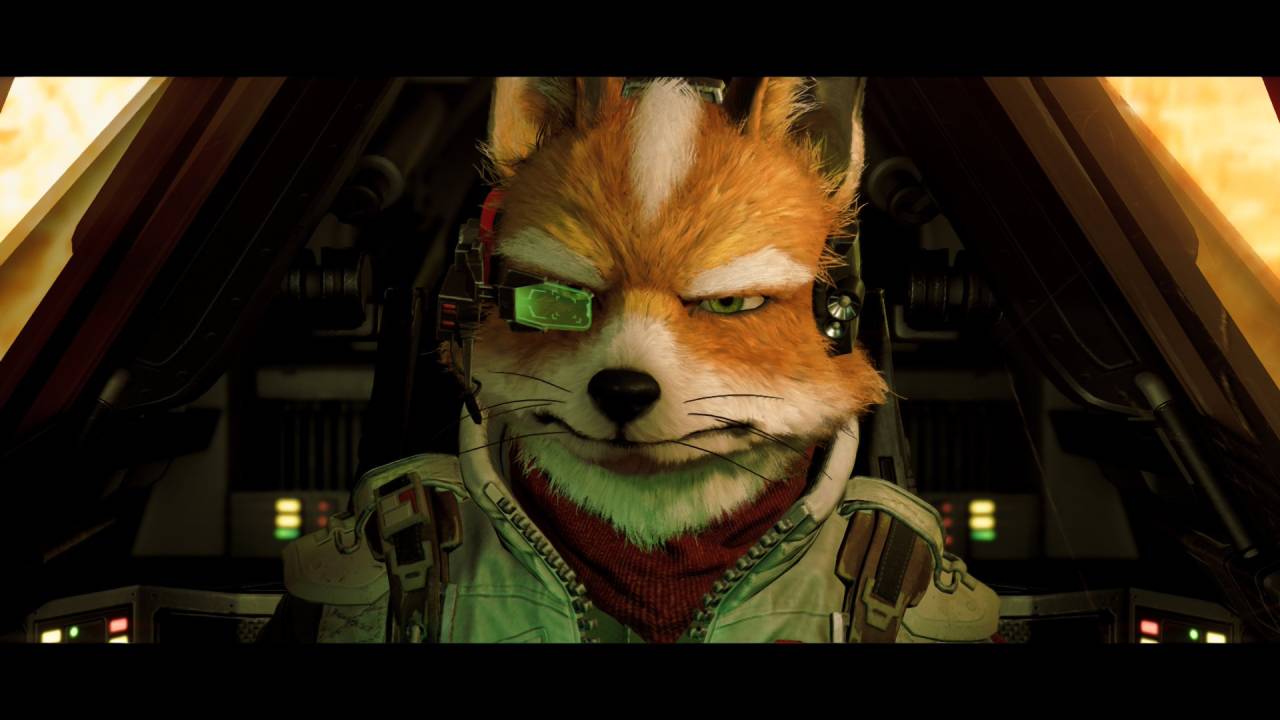
The games were selected to introduce fans to new titles starring characters from the company’s increasing slate of movies, said Miyamoto. He said he doesn’t directly choose all of Nintendo's releases, but that some are chosen to fulfill larger strategic goals. With Star Fox, Nintendo felt that since Fox McCloud would be featured in the upcoming Super Mario Galaxy movie, the company should also make a new Star Fox game.
The statements basically corroborate what fans have long speculated: That the recently announced Star Fox 64 remake for Switch 2 was timed to capitalize on newfound interest generated by Fox’s movie cameo, rather than being developed independent of Nintendo's film strategy. Miyamoto said the tie between Nintendo's movies and games is also a two-way street.
Movies can have an impact on the development of certain games, but the development of games can also serve as a guiding principle for future movies. “The first Super Mario Bros. Movie and Princess Peach Showtime were developed around the same time.” As both projects moved forward, Nintendo discussed making Peach a more active character in the film, since she already had her own game in development.
Yoshi was treated in the same manner. Nintendo had already determined that the popular dinosaur would be included in the Super Mario Galaxy movie. Hence, the studio began developing Yoshi's Crafted World so players would have a contemporary Yoshi adventure to enjoy during the movie’s promotional push.
Miyamoto said the shared planning between Nintendo's gaming and entertainment departments is likely to continue, as it helps maintain a “good relationship” between games and other media projects. That said, Nintendo doesn't plan to move away from its long-standing position on character crossovers.
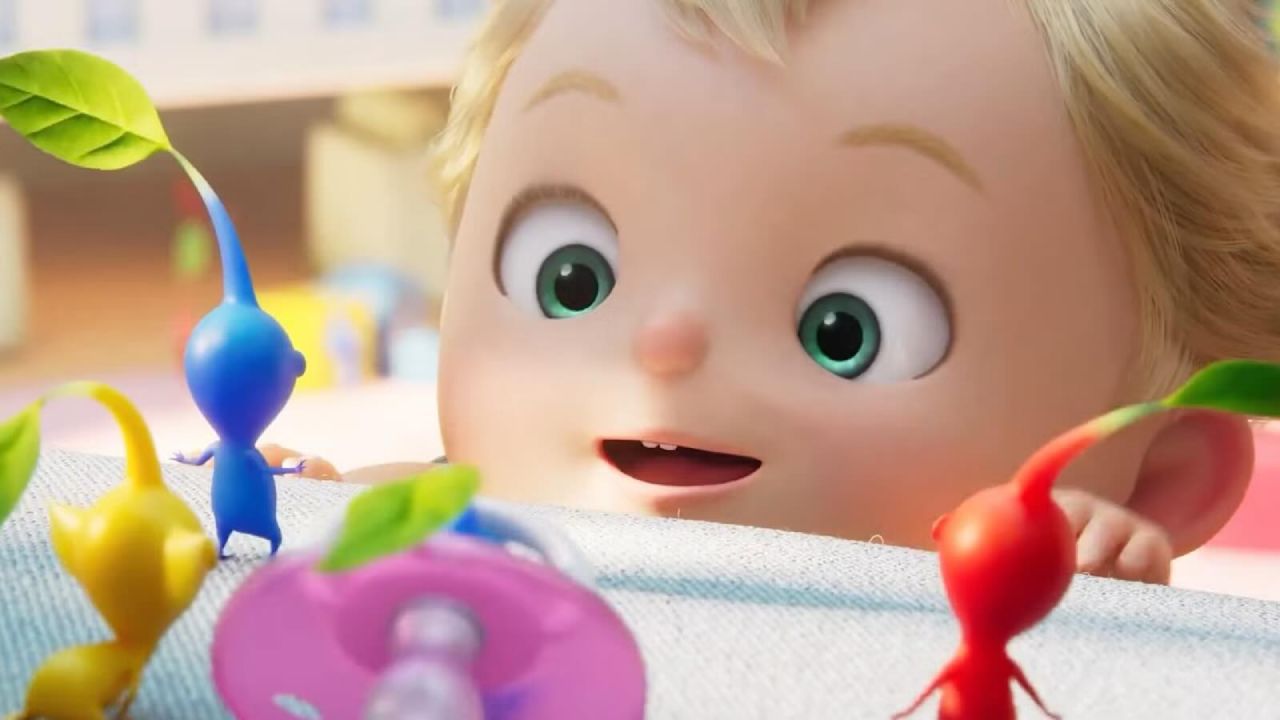
Fox McCloud and Pikmin will appear in the upcoming Super Mario Galaxy movie, but Miyamoto stressed that Nintendo still believes its franchises should mostly stay separate. Nintendo has traditionally had a rule against characters from different universes crossing over, with Super Smash Bros. being the notable exception, he explained. For example, Pikmin aren’t normally supposed to exist in other Nintendo worlds.
Miyamoto said Nintendo didn’t go for massive crossovers in the past because endless creative complications would arise along with licensing and merchandising issues.
Fox's involvement in the film was an exception, with Nintendo feeling there was a strong story justification to execute the crossover. The creative team also thought the notion would make the picture more interesting, likening the decision to the kind of crossover storytelling regularly seen in manga. The reaction of fans allegedly surpassed expectations, although Miyamoto warned that including too many legendary characters—like Samus Aran—would soon make future projects too hard.
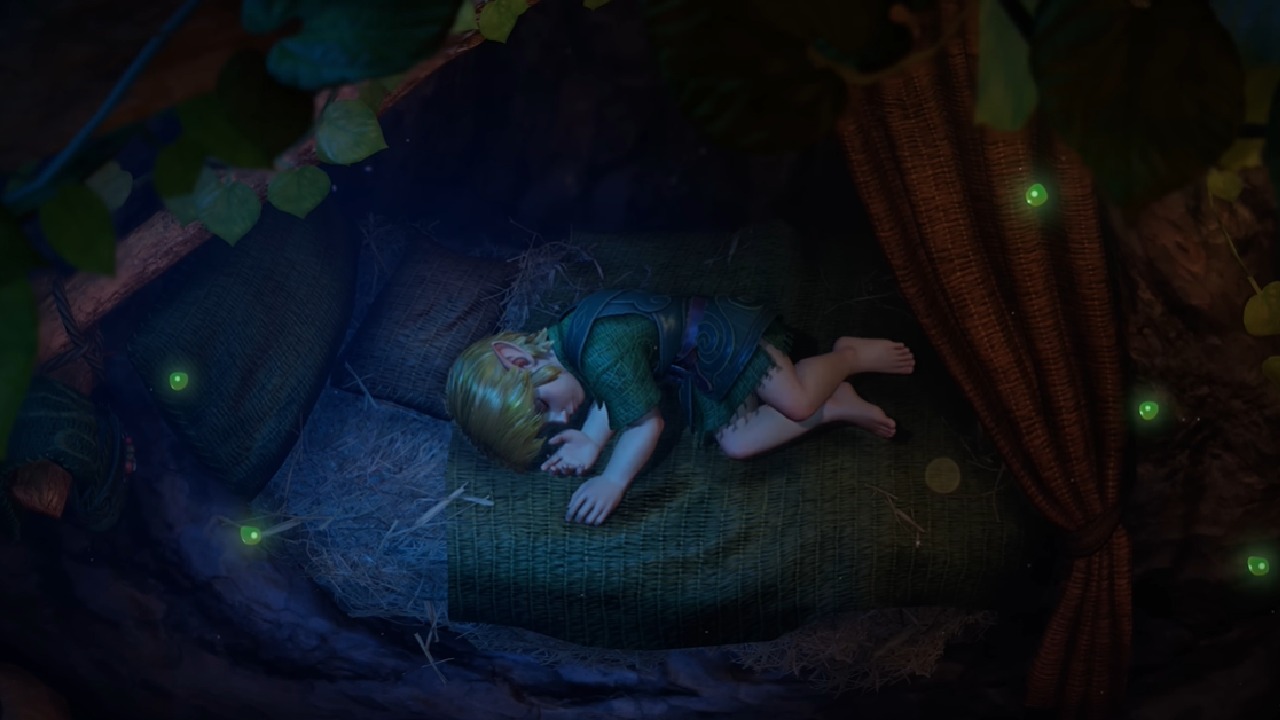
So Nintendo isn't planning to just throw all the franchises together in a single cinematic universe. Besides discussing Mario franchises, Miyamoto's words have also sparked discussion about Nintendo's long-term ambitions for The Legend of Zelda. Nintendo is already gearing up to produce its live-action Legend of Zelda movie in 2027, and 2026 should see the long-rumored Ocarina of Time remake.
The film is likely to have its own unique tale, but it could still feature recognizable settings and themes that align with the remake's premiere. This coordinated approach has led many fans to assume that Nintendo may be able to maintain a more consistent Zelda release schedule throughout the Switch 2 generation. Several development partners can help make that achievable.
Monolith Soft has also continued to promote its long history working on Zelda titles, leading to rumors that the studio could ultimately lead its own Zelda project or take on a greater development role. Meanwhile, Grezzo has become Nintendo's go-to remake specialist, with projects like Link's Awakening and Echoes of Wisdom. Industry whispers nonetheless hint that the developer's next projects could be remakes of the Oracle games in the same graphic style.
In the first Switch generation, Nintendo mostly maintained a pace of at least one Zelda-related title a year.
Even releases like Hyrule Warriors: Age of Calamity kept the brand alive in between big installments. The process of creating current games takes longer and costs more, and Nintendo may increasingly depend on several companies to keep Zelda releases coming. Instead of releasing a totally new mainline adventure every year, the studio might produce remakes, spin-offs, side storylines, and big flagship entries developed by multiple teams.
Then Zelda could always be seen, while the larger projects continue to be made. There are even rumors pointing to a few projects, such as a Twilight Princess remake and a Majora's Mask remake to follow the Ocarina of Time one, and even suggestions that Ganondorf may have a playable or protagonist role in a future Zelda game.
As to whether those speculations prove true, time will tell, but Miyamoto's recent comments suggest that Nintendo now sees big-game launches as part of a larger multimedia strategy.
The first live-action Zelda film is coming in 2027, and it looks like it may kick off a wider trilogy. With that in mind, it feels more and more like Nintendo will keep matching major Zelda game releases with theater marketing campaigns. Judging by the company’s recent approach, the Switch 2 era might see games and movies working closer together than ever, keeping Nintendo’s biggest properties at the center of gaming and entertainment.
Contributor, NoobFeed
Related News
No Data.