
World of Warcraft: Forever Review
PC
A refreshed classic that celebrates exploration, crafting, and the overall journey over endgame grinding.
Reviewed by Maisie Scott on Nov 10, 2026
World of Warcraft: Forever tries to reproduce the appeal of classic MMORPG design while giving Azeroth a distinctly renewed visual layer. It values exploration, crafting, independence, slow character growth, and progression as a race to the endgame. The best part is that it makes the trip feel worthwhile, whether you're on your own or with familiar companions.
The experience is rooted in the original World of Warcraft, a fantasy MMORPG that helped shape the genre with its vast world and gradual progression. This iteration keeps the classic structure but adds contemporary visual enhancements, additional quests, new zones and dungeons, and tweaks to character progression. The goal is to keep the experience familiar while leaving it untouched.
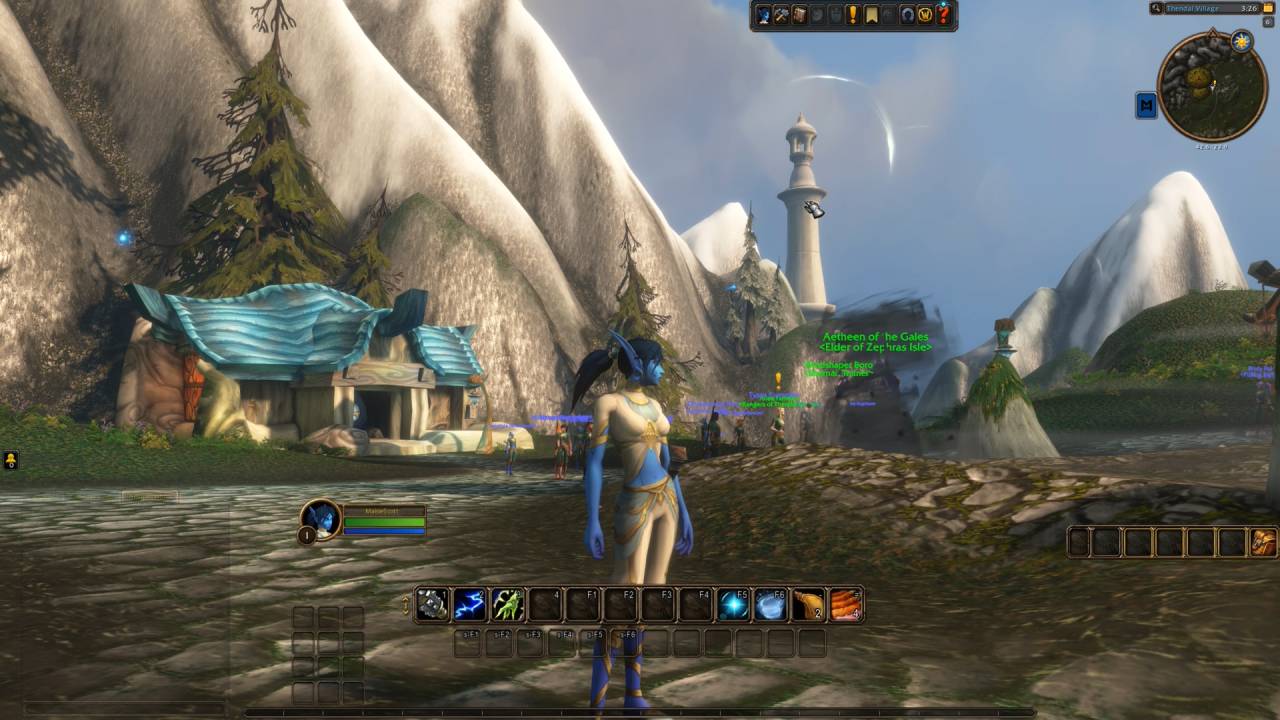
World of Warcraft: Forever is meant to be a place where your characters actually spend some time, not a familiar pit stop. The design encourages players to come back on their own time, build up professions and slowly build an account-wide legacy. This adds depth to the typical structure, linking individual quests to a sense of ongoing progress.
Retail World of Warcraft is particularly important to its identity because of that distinction. Retail pushes players toward the level cap, where much of its story and end-game activity is centered. Forever, by contrast, focuses more on the spaces and activities you encounter along the way. Neither is wrong, but the expectations differ.
Player experiences occur organically through open exploration and not scripted cinematic moments.
That slower structure also makes the game approachable for people coming from other genres. The familiar fantasy setting, gathering, equipment crafting, and simple exploration provide recognizable starting points. In contrast, the large world provides space to learn without immediately pursuing competitive goals. New players can learn the systems slowly, but the text-heavy quest presentation may still require patience and careful reading.
It's less about a single, tightly directed story, and more about inhabiting a world with its own history, regions, and atmosphere. Players level up, accept quests, gather resources, and explore the wider lore at their own pace in familiar fantasy settings. The challenge lies in making an adventure through participation rather than just following a campaign.
World of Warcraft: Forever doesn't appear to rely on a heavily cinematic narrative to keep things interesting. Instead, its open world format lets players create smaller personal stories through exploration, professions, gear upgrades, and co-op sessions. It's the kind of style for players who like to role-play their own routines, though players looking for constant narrative direction might find the pacing intentionally slow.
Character progression isn't only about completing quests or killing increasingly powerful enemies. They might spend an evening traveling between resource nodes, improving a profession, preparing equipment, or discovering a corner of the map. These activities make the world feel lived-in and give normal sessions a purpose beyond getting closer to the next level.
Adventurers can choose between solitary resource gathering and traditional multiplayer group challenges.
Questing, exploration, gathering, crafting, and combat make up the core gameplay loop. Players explore open areas, gathering materials from creatures and resource nodes to improve their equipment or advance in professions. These systems feed into each other, so even a short excursion can yield useful resources and a tangible improvement to the character.
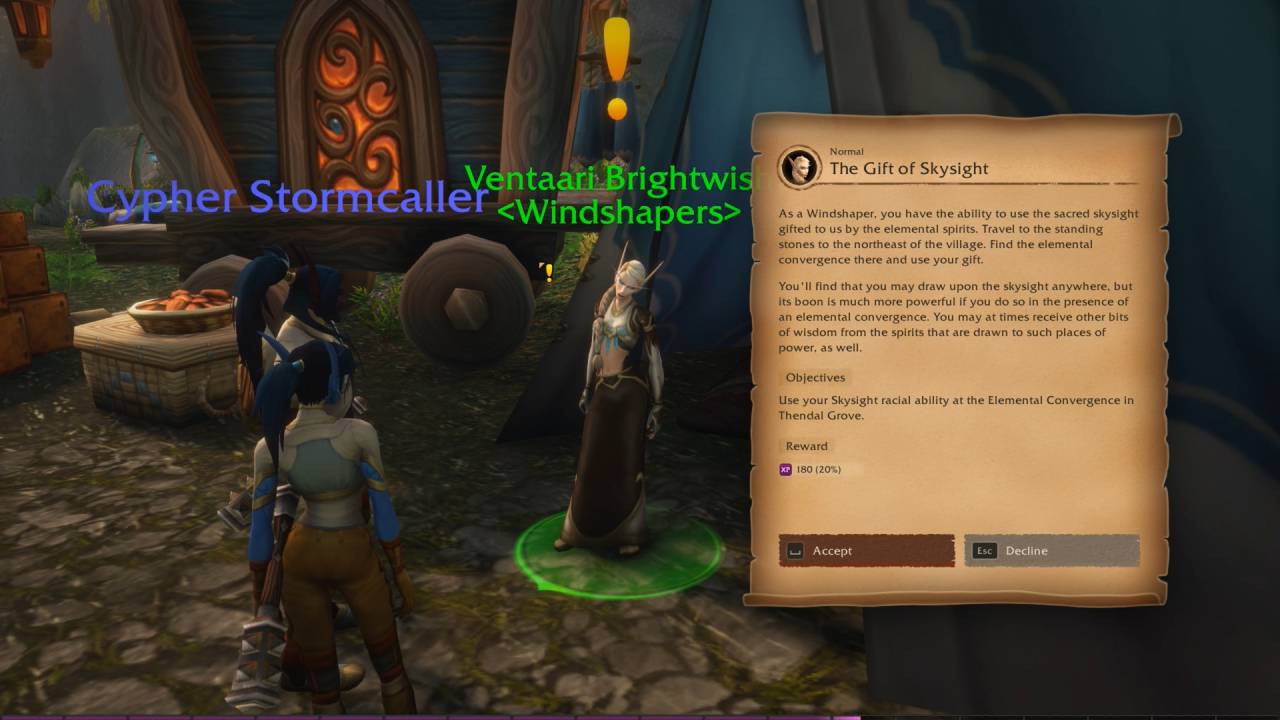
The crafting is the most compelling part of this design. The new system also makes it easier to create useful items as you level up, instead of forcing professions to be something you do only at higher levels. This encourages players to collect materials as they go, and to keep their trade skills reasonably in line with their character's development.
One of the best things about the game is playing alone. A self-sufficient character can explore, gather, craft, and progress without always needing a party, making the world more welcoming for players with irregular schedules. This independence, however, doesn't exclude group content. Dungeons and raids are still there if you want coordinated encounters and more traditional MMORPG co-operation.
The game also supports social play without requiring you to do everything in a group. Dungeons and raids are still there for those who want organized challenges; solo adventurers can concentrate on gathering, crafting, and exploration. Playing with friends or family adds a personal element, and shared progression is just one part of the experience, not the sole reason to play.
Players can also learn trade skills to create custom gear and manage their in-game finances. Crafting supports survival and specialization by letting you upgrade your gear. Armor kits are permanent stat boosts (stamina, armor, etc.), and the stronger ones may add attack power. These options let players customize their gear to their play style, whether to make it more durable for solo play or increase damage for damage-focused play.
That flexibility is what makes self-sufficiency feel good. A player who hunts, fishes, skins, and crafts can slowly provide many of their own needs, reducing reliance on merchants or other players. The trade-off is economic: putting too much emphasis on professions can leave a character broke. The system asks players whether they want immediate wealth or long-term independence.
Career progression also gives exploration a natural rhythm. Skinning lets you gather materials from slain creatures, fishing lets you gather food, and first aid gives you another practical skill to develop. You can cook with gathered fish and other ingredients, and you can craft suitable materials into equipment with leatherworking. These activities give people reasons to return to places and to pay attention to the environment.
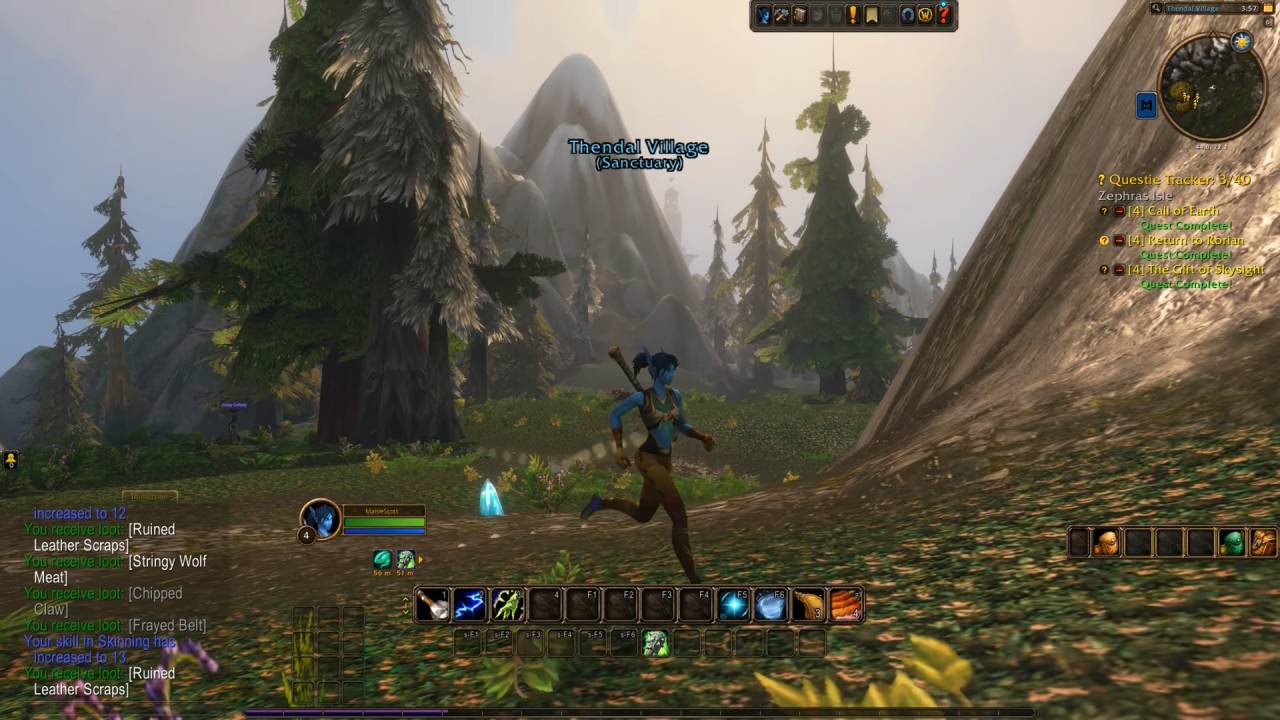
The campfire system provides some utility through temporary buffs. This is a pleasant bonus, but it does not, by itself, ensure better social interaction. Its value, thus, is more practical than transformational. It helps you prepare and gives players another tool on their journeys, but it doesn't fundamentally change the game's established multiplayer structure.
Players can use smart item placement to manipulate open spaces and control hostility.
Combat is built into the regular loop, as gathering routes and quests frequently involve hostile creatures. The transcript doesn't fully break down class abilities or enemy behavior, so the combat system is best understood through its use in progression. Defeating enemies rewards you with drops and materials and lets you practice your character's chosen build.
Those drops are more important than their immediate value as rewards. Materials and skins can feed directly into professions, so combat encounters can feed into crafting goals. This link gives mundane fights a second purpose and makes resource gathering feel part of the larger game. Players can view encounters as a part of their crafting economy instead of every enemy being an obstacle.
Available equipment upgrades also affect how players cope with danger. More stamina and armor can make a solo character more resilient, and attack power supports a more damage-oriented setup. These enhancements don't eliminate the dangers of traversing hostile territory, but they do provide meaningful preparation and let players set priorities for the challenges ahead.
The material presented doesn't focus much on puzzle solving, and the experience is better defined by exploration, professions, quests, and combat. The challenge is resource management: choosing useful upgrades, navigating hostile environments, and managing limited time. This gives the gameplay a practical problem-solving dimension without implying a dedicated puzzle system.
Methodical leveling is a rich alternative to rapid end-game power grinding.
The pace of a player's development is closely tied to the pace they choose. Like all MMOs, questing and killing enemies help your character level, but the game also gives players reasons to slow down and work on professions alongside leveling. The featured character is still around level twenty-one after a lot of play, showing how much there is to do apart from just leveling up.
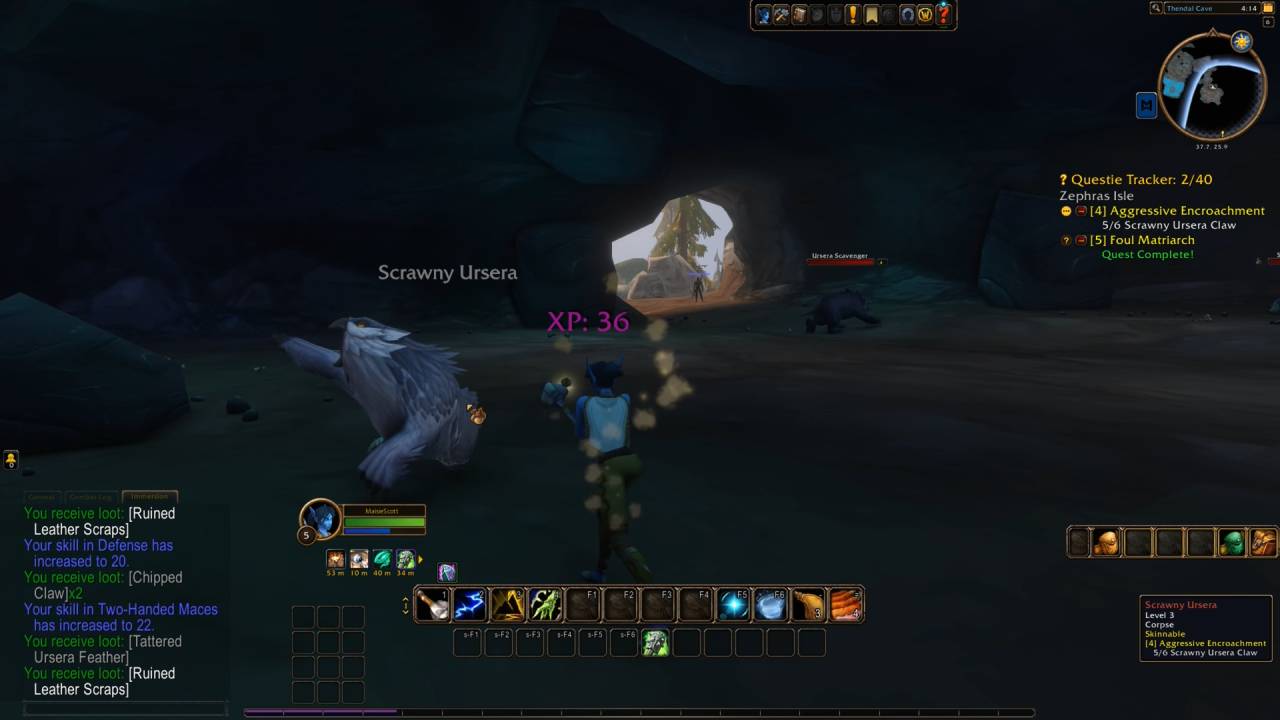
That example illustrates the difference between efficient grinding and a more general progression routine. A player could keep skinning near its current maximum, level leatherworking, improve fishing, or keep first aid going while doing quests. These skills may not get the character to level cap fast, but they do increase independence and prepare the character for later challenges.
The slower pace can make each level feel like part of a longer journey. World of Warcraft: Forever encourages players to develop professions along with combat skills and gear, rather than seeing professions as distractions. It's a nice little cycle for players who enjoy playing methodically, but for players who only want to reach max level, the same activities can feel like a waste of time.
Players who like speed can still use fast leveling methods. The transcript mentions organized groups preparing for raids and dedicated players power-leveling and using area-of-effect farming to reach high levels. These frameworks show the game's flexibility and support both competitive goals and leisurely exploration. The difference is that rushing is a possibility, not the only valid route.
Shared account benefits mean that each alternate character builds on a permanent legacy.
The old system makes leveling up more meaningful at the account level once characters reach level twenty-five. One character's progress contributes to a shared legacy that can then offer perks to other characters. These include quest XP, harvest, and crafting bonuses, connecting separate adventures and giving players an incentive to create more characters.
This system changes the emotional value of creating an alternative character. A new character is part of the ongoing account history instead of feeling like a separate project. Progress can help in future play, and later characters can contribute to the same legacy. The structure rewards long-term investment without forcing all characters down the same path.
The legacy approach will especially appeal to players who enjoy different classes or play styles. The questing experience will be improved to smooth out later journeys, and profession-focused characters will receive harvesting and crafting bonuses. These benefits are account-wide, meaning they carry over between play sessions and give repeated exploration a cumulative purpose, rather than making each new character feel like starting from scratch.
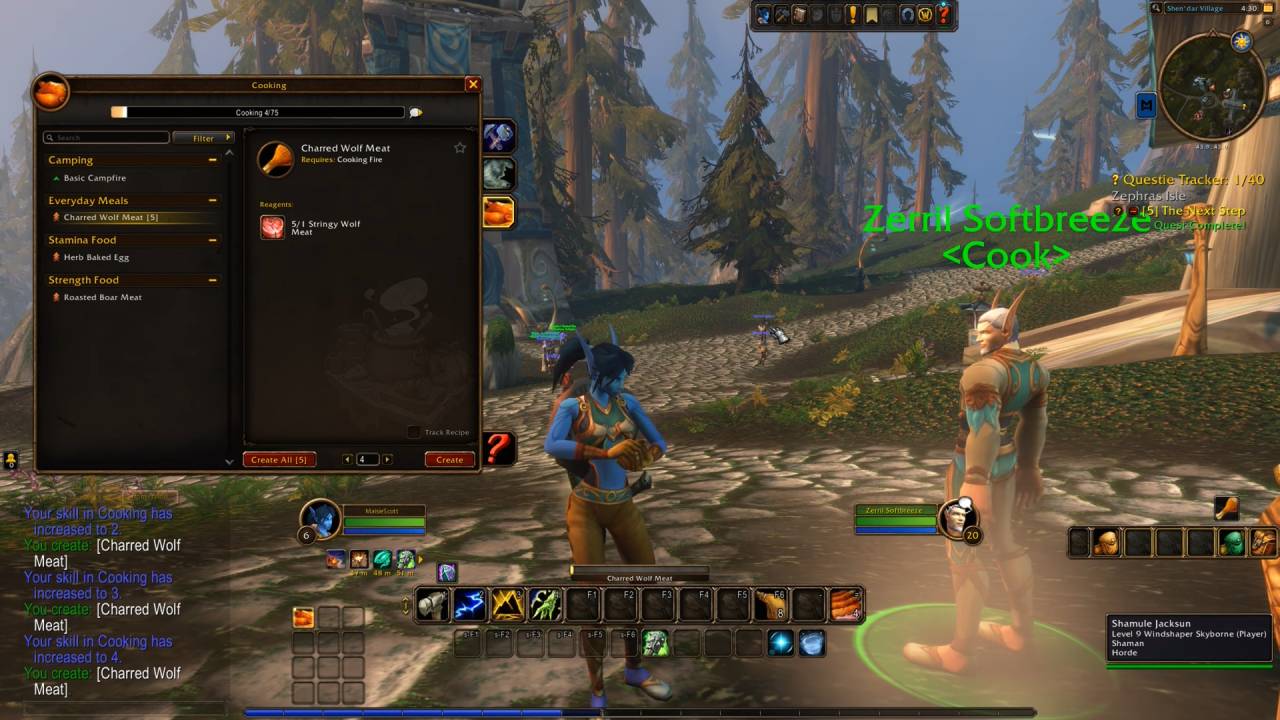
This account-wide approach also supports the idea of a permanent home for characters. Players can take breaks, come back months later, and still contribute to the same legacy. Instead of feeling like their previous investment was wasted. It gives World of Warcraft: Forever a permanent progression framework that goes beyond individual characters and their immediate quests.
The legendary title gets modern visual upgrades, with wider feature revamps injected with vibrant energy.
Another key part of the modernization is the visual enhancements. Familiar locations get better lighting, shading, and water effects, but the recognizable art direction stays the same. Sunlight filtering through the environment can add atmosphere to forests and open landscapes, and returning players have a new reason to revisit places they explored years ago.
Beyond the visuals, the experience will include new zones, dungeons, more than a thousand additional quests, and an overhauled talent system. These changes mean a lot of work under the hood, not just a cosmetic refresh. Together, they add activities while keeping the slower structure that defines the game's old-school identity.
The size of the launch also suggests the experience has captured attention beyond its core audience. Nostalgia may attract returning players, while newcomers can find a way into a well-known fantasy world. The fact that people involved in wildly different game genres are interested suggests that its appeal goes beyond traditional MMORPG fans.
The game's flexibility is driving that renewed interest. Some players can do dungeons and raids, some can focus on solo progression, and groups can make regular sessions part of their social routine. It's nice that a long-running online game with a diverse audience can accommodate different definitions of success in the same world.
Family and co-op play bring an unusually personal dimension to the experience. Mundane quests and resource gathering can become shared memories when you play with family, and newcomers can learn the systems with familiar faces. While the text-heavy quest structure may not suit everyone, the range of activities offers different levels of engagement.
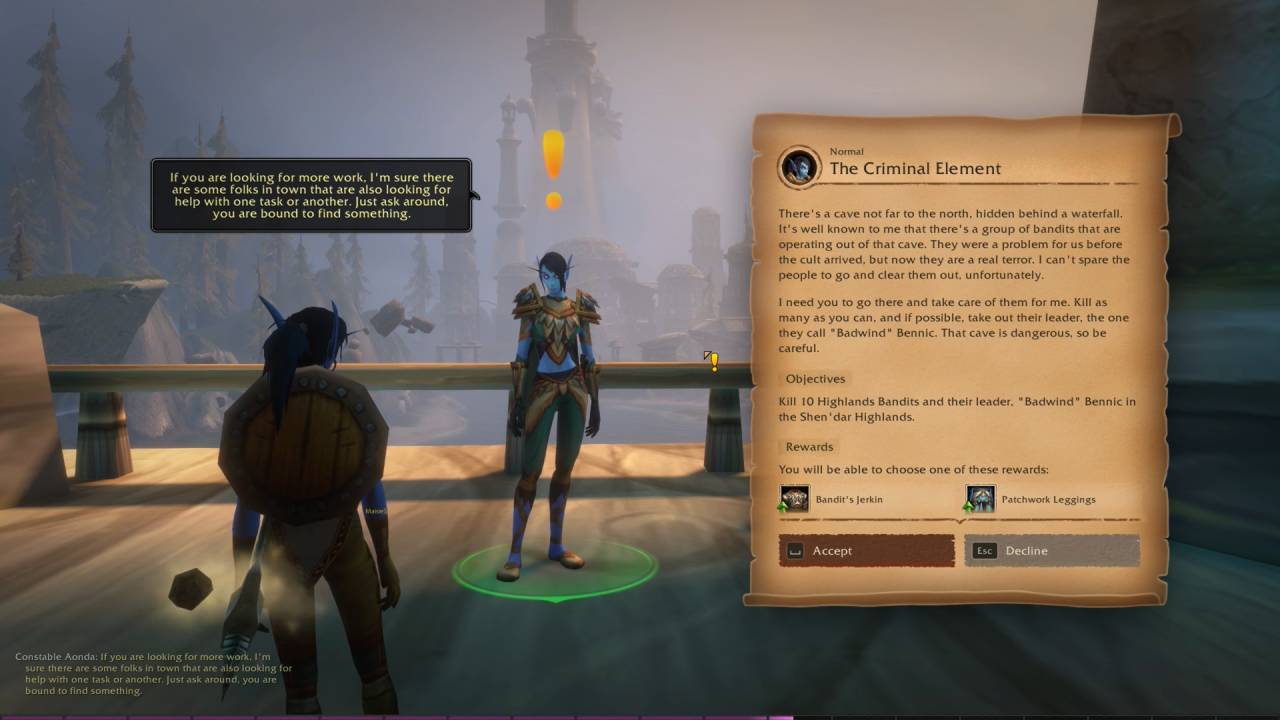
World of Warcraft: Forever isn't without its compromises. It's slow by design; travel can be tedious until you get mounts, and players who are into professions might struggle to make enough money. The text-heavy presentation could be a lot for players who prefer more streamlined quest direction. These are shortcomings that are intrinsically tied to the classic design philosophy that is the very soul of the game.
But the trade-off between independence and common content is compelling. Players can make steady progress on their own before joining others for dungeons, raids, or casual sessions without abandoning their own goals. The legacy system also strengthens the long-term structure by linking each character to a larger account journey, giving repeated play real meaning.
World of Warcraft: Forever ultimately makes time spent in Azeroth feel worthwhile. Beyond chasing the highest level, reasons to stay include improved crafting, refreshed environments, flexible progression, and account-wide legacy. It won't be for everyone looking for fast-paced action, but those who enjoy atmospheric, open-world MMORPGs may find a lasting home here.
Editor, NoobFeed
Verdict
World of Warcraft: Forever remains the king of MMORPGs. With unmatched lore depth, polished endgame content, and modern updates alongside Classic, it justifies its subscription for genre fans.
75
Related News
No Data.