
Escape Academy 2: Back 2 School Review
PC
A clever sequel that brings fresh puzzles, campus exploration, and co-op fun.
Reviewed by Elme Dhee on Nov 04, 2026
Escape Academy 2: Back 2 School takes the series out of isolated escape rooms and gives its puzzles a home. The sequel's experience centers on a lived-in campus, with students, side activities, and a mystery unfolding between challenges. It's a tweak that gives a little personality to a familiar formula without losing what makes it so appealing.
The original Escape Academy launched in 2022 and was a hit for its diverse rooms, easy puzzles, and light story. Not perfect, and some of the puzzles could be frustrating, but it's a solid experience for puzzle fans. Escape Academy 2 builds on that foundation, keeping the escape room format while expanding the world around it.
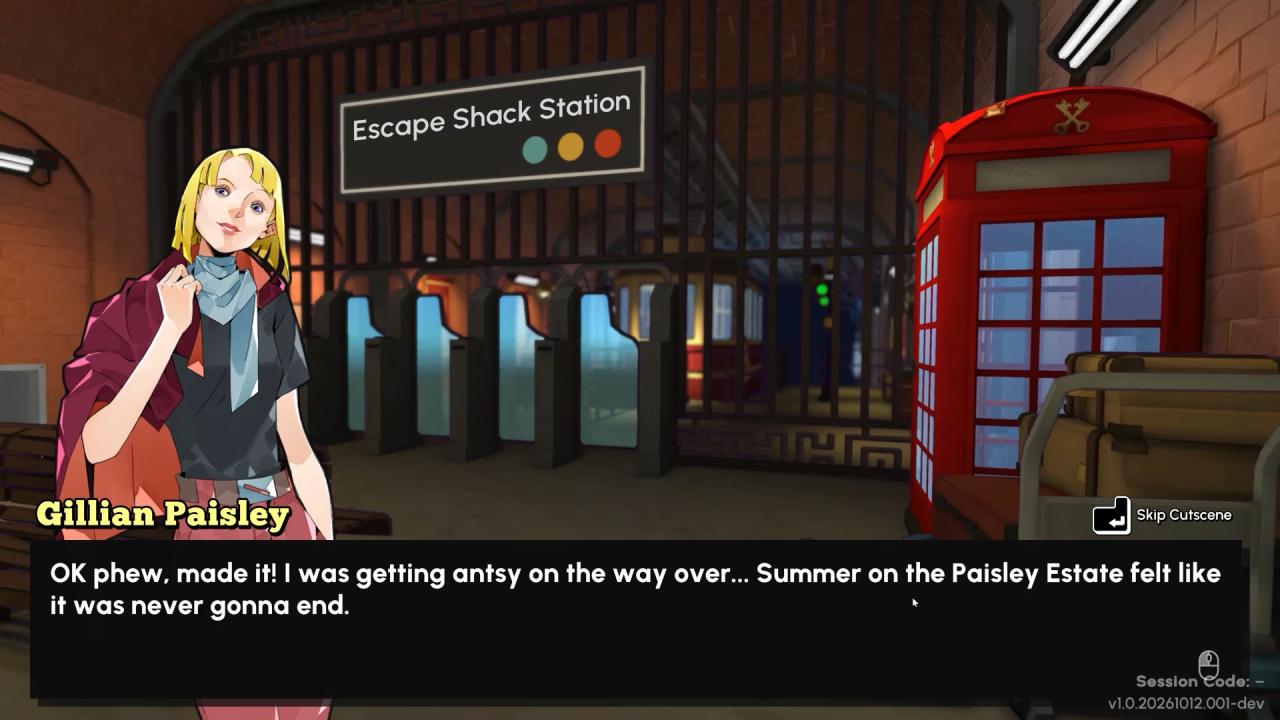
Rather than simply adding more rooms, Escape Academy 2: Back 2 School changes how players move between them. The developers describe it as an open-world escape room game, although its campus is more guided than that label suggests. The result is not unrestricted exploration, but a stronger sense of place, progression, and connection between challenges.
That focused design works in the game's favor. Areas of the academy open gradually, with numbered gates requiring school credits before players can move forward. Players have little freedom to choose departments at any time, and the sequel is arguably more linear than the first game. Still, the campus makes each step feel connected.
The academy becomes a place worth exploring.
The first Escape Academy gave players a straightforward goal: complete escape rooms, collect nine emblems, and earn access to the final challenge. Its campus map mainly served as a menu for selecting rooms, each built around a particular subject or location. Outside those challenges, there was relatively little reason to explore the grounds in practice.
Back 2 School changes that by turning the academy itself into a space worth visiting. Students walk around the grounds and occasionally offer bits of dialogue as players pass. Some provide side quests, giving the campus activity beyond the main puzzles. The details make the school feel lived-in, not like a set of menus.
The exploration is more guided than the open-world label would suggest. Gates break the campus into sections, and each section shows how many school credits you need to pass. This setup takes players through the academy in a set sequence rather than letting them roam into all the departments at once. It keeps the adventure moving at a nice pace.
A mysterious disappearance gives the story a goal.
The campus isn't big in the sense of having a large world to wander around. It connects parts of the academy and provides a consistent atmosphere. Students, small discoveries, and gated routes make the environment more memorable than the simple room-selection map used in the original Escape Academy.
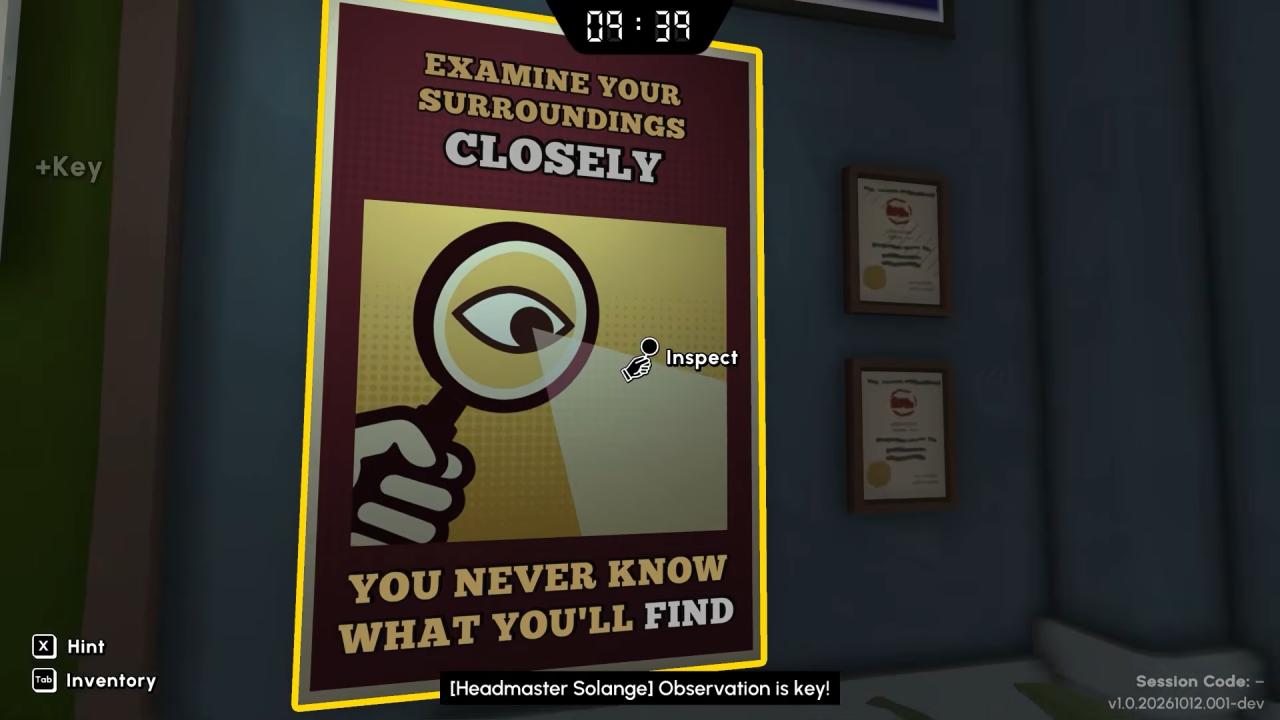
The story follows a familiar school mystery structure. Students begin disappearing, and the player joins a trio of friends to work out what is happening. The setup has the charm of a school adventure, with unusual teachers, strange events, and young investigators trying to make sense of trouble the adults haven't solved. The mystery keeps the chapters connected.
Comedy gives the academy its own personality.
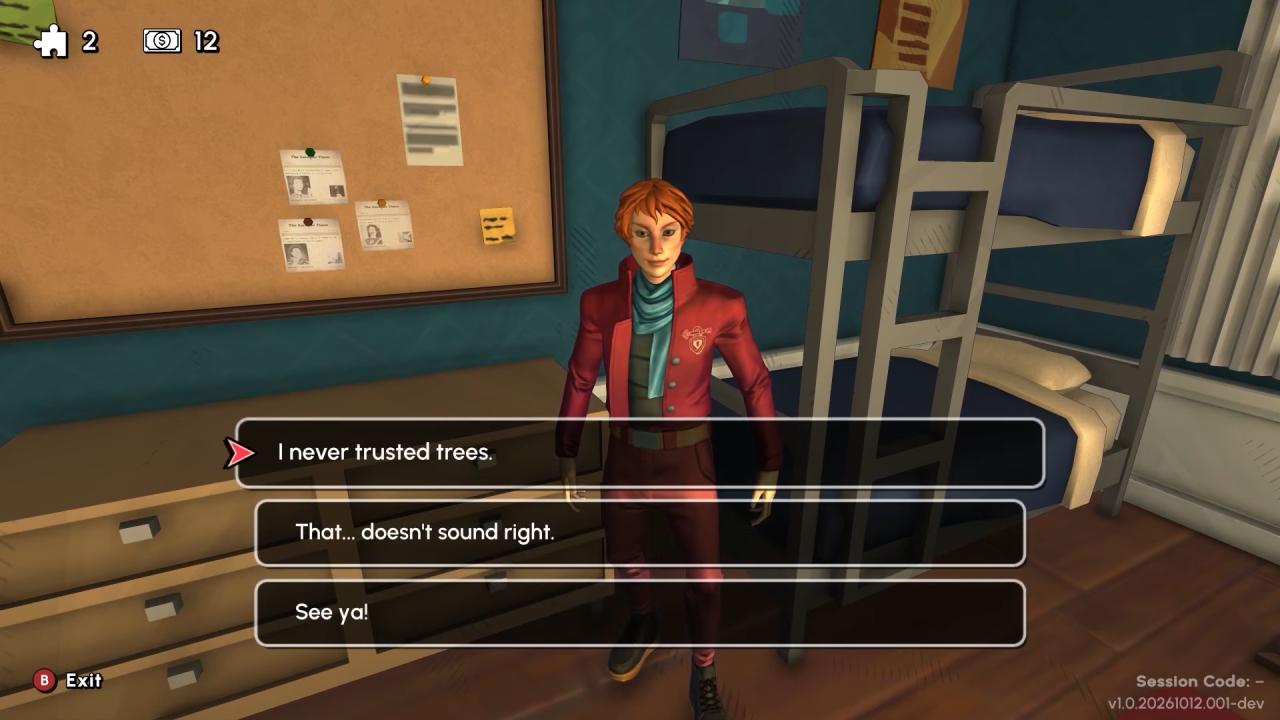
The writing leans heavily into comedy, especially jokes built around locks, puzzles, and escape rooms. Those words appear so often that they almost become part of the academy's own vocabulary. The humor is deliberately silly, and not every joke will land, but the playful tone gives the characters and setting a clear identity throughout the academy.
The narrative isn't the main reason to play Escape Academy 2: Back 2 School, and it doesn't aim for a complex mystery. It's strong because it connects the rooms and makes the players care about the campus. The story focus makes the puzzles feel like part of a larger adventure. Side quests also add more variety between escape rooms.
The campus also gives players activities outside traditional escape rooms. They can talk to students, search for hidden money, and do optional tasks. These moments break up the main challenges and make moving between rooms feel like part of the game, rather than downtime between separate puzzle stages. Exploration has a practical role here.
Side quests are generally short and built around small brainteasers. Some recurring activities include a Sudoku vending machine and a cup-balancing maths puzzle. They aren't especially demanding, but they offer a quick change of pace and can be completed in minutes. Players can split up the work in co-op, making them convenient diversions. These activities also reward curiosity.
The escape rooms make excellent use of their themes.
The escape rooms remain the center of the experience, and Escape Academy 2 delivers a broad mix of themed challenges. Rooms are designed around their locations and subjects, so puzzles usually make sense within the environment. Science challenges, for example, involve experiments and classroom materials rather than feeling like unrelated riddles placed together in each room.
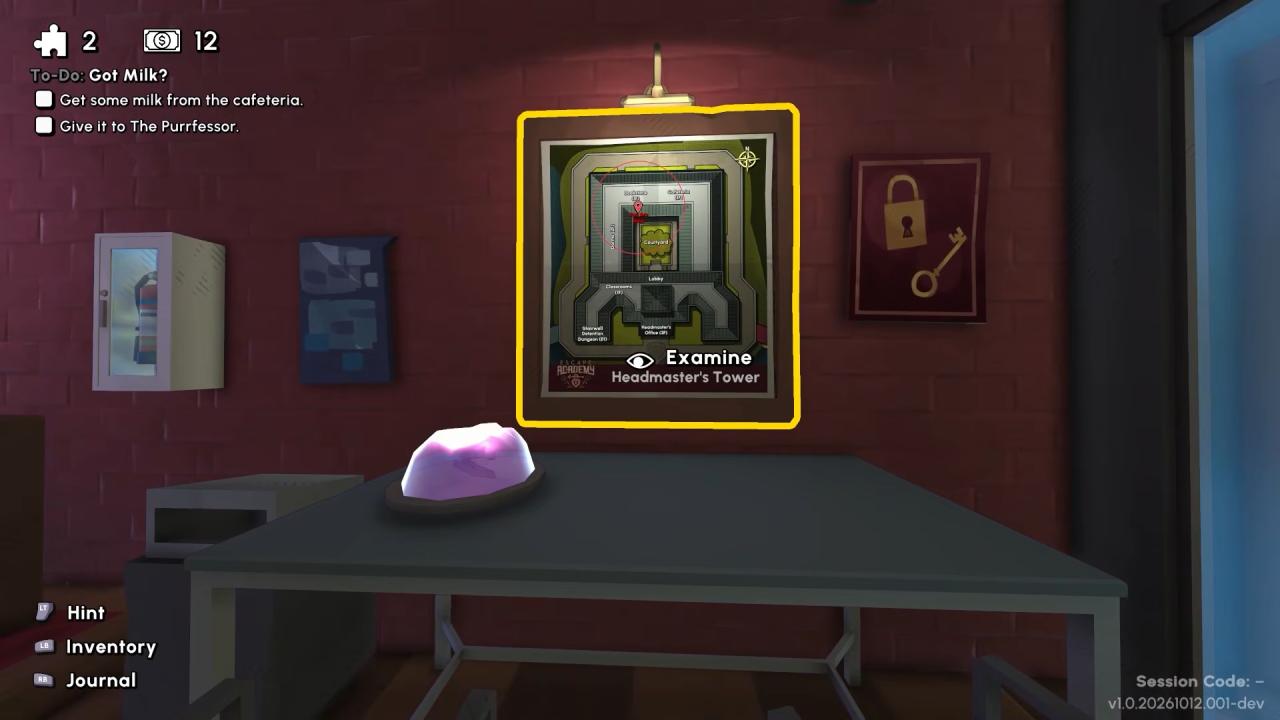
One early challenge involves helping a classroom mouse navigate a Rube Goldberg-style experiment. Another biology-focused room asks players to feed a bird and use bird calls as part of the solution. These examples show how the game ties its puzzle mechanics to each room's theme. The later rooms have bigger surprises, but you really ought to see the details for yourself.
The variety keeps the rooms interesting. It includes pattern recognition, logic puzzles, searching through environments, and interpreting clues. Escape Academy 2 does not rely on one puzzle type for too long, and its themed rooms give each set of challenges a different flavor. That variety matters in a game built around solving problems.
The puzzle design makes it fun and approachable.
The rooms also benefit from clear visual signposting. Players can usually identify interactive objects, figure out what information matters, and start testing solutions without wandering. Most clues needed for a puzzle are available nearby, so progress tends to come from noticing connections rather than guessing what the developers expect from the environment.
Puzzle flow is one of the sequel's strongest qualities. Often, challenges build through several smaller steps, with clues feeding into later solutions. When the separate pieces finally fit together, it provides a satisfying sense of discovery. Occasionally, a solution feels obscure, but those moments are relatively rare during a full playthrough.
Not every solution feels perfectly signposted. Sometimes it's hard to find an answer without help, and players may wonder how they were supposed to know. Still, those moments are exceptions rather than the norm. Across the many puzzles, Escape Academy 2 is more likely to leave players satisfied than stuck.
Split-screen makes cooperative puzzle-solving much smoother.
Escape Academy 2: Back 2 School supports single-player and two-player co-op, both locally and online. It helps to have someone else to share observations with. Players can split tasks, explore different parts of a room, and compare notes as they work to find a solution, making cooperation a natural part of the process.
The ability to switch between split-screen and full-screen viewing with the touch of a button is particularly useful. Each player can stand in a different spot to look at different clues, and then change views to show something important to the other person. That means you don't have to describe every symbol verbally, so communication can focus on solving the puzzle during co-op sessions.
That feature may sound small, but it changes the rhythm of co-op play. Instead of repeatedly stopping to explain what each person can see, players can share the view and work through the next step together. It makes dividing and combining tasks feel natural, and it is one of the sequel's most effective quality-of-life features.
Because the game also works in single-player, it does not depend on constant timed cooperation between two people. Its challenges focus more on logic, patterns, and searching than on perfectly coordinated actions. That makes Escape Academy 2 flexible, although players looking specifically for demanding co-op timing puzzles may find the approach less intense. It's a great format for casual co-op play.
The clue system keeps hard puzzles from being maddening.
The hint system lets players use hints at any time and provides enough information to point out a missed clue. It doesn't solve everything by itself, so the problem remains. Often, the problem is that the player overlooked a cipher or useful detail earlier in the room. A hint can redirect attention without taking away satisfaction.
This is a nice step up from the first Escape Academy, as it removes the frustration. The original was fun, but the puzzles were sometimes unclear. Back 2 School is better for the more consistent flow, useful hints, and less completely stalled progress. The easier balance may not suit all puzzle veterans, but it makes it more appealing to a wider audience.
It might feel a bit too forgiving for seasoned players.
Difficulty generally leans towards the easier side. Many rooms earned A or A-plus grades, unless a hint was used. Some puzzles may be easy for experienced escape room players, especially those who play these types of games frequently. The lower pressure also helps newcomers get used to the experience without being overwhelmed by the harder rooms.
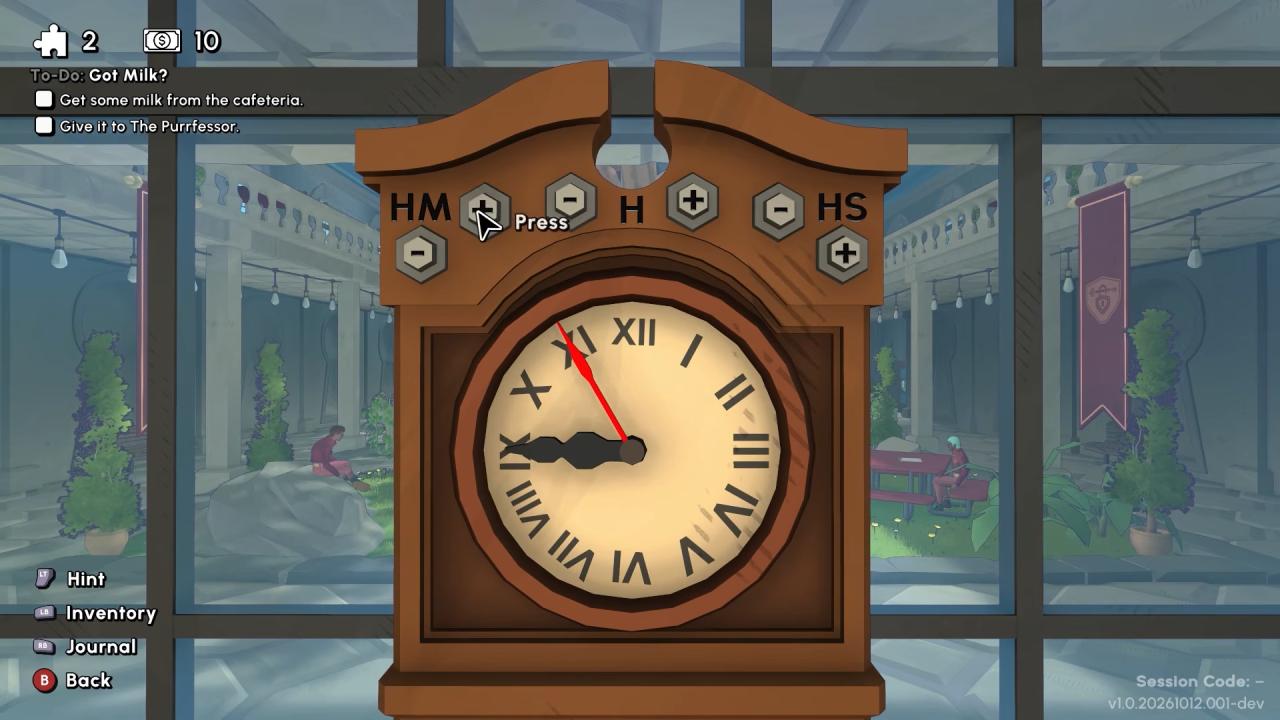
Puzzle difficulty is subjective, especially for players who have been playing escape room games for years. Some puzzles may seem predictable, and veteran players may want tougher answers. But the sequel's approach works for a wider audience. It prioritizes a satisfying flow over making every room a test of patience. This improvement makes the sequel easier to recommend.
Progression relies on school credits and Escape Bucks.
Escape Academy 2 does not use character levels, combat upgrades, or a traditional experience-point grind. Instead, school credits open gated campus areas, while Escape Bucks help move the story forward, usually once per chapter. Players earn money through side activities, hidden dollars, and red herrings, so progression focuses more on exploration and puzzle-solving than repeating the same tasks.
Because the optional tasks are brief, earning money rarely becomes a grind. Players can tackle a side quest between rooms, and co-op partners can split the work if they need funds. The system adds a light layer of resource management without distracting from puzzles. It also gives campus activities a clear gameplay function.
School credits serve a different purpose by acting as keys for gated sections of the academy. Their needs guide players through the campus and ensure they reach new areas at the intended pace. The sequel, instead of letting players roam an open world, offers a steady stream of exploration, side activities, and escape rooms while maintaining a manageable route throughout.
Some co-op limitations hold the experience back.
A few co-op limitations are worth mentioning. A wearable item introduced later allows players to see hidden messages, but those messages cannot be viewed properly in split-screen. Since the item is important to certain puzzles, this creates an awkward restriction. For some partners, this is a noticeable issue in an otherwise well-considered cooperative experience.
Another drawback is that only the host retains progression. This can complicate shared play for partners who want to continue the campaign separately. It does not erase the fun of solving rooms together. Still, it is an unfortunate restriction for a game that clearly encourages players to experience its puzzles as a team throughout the campaign.
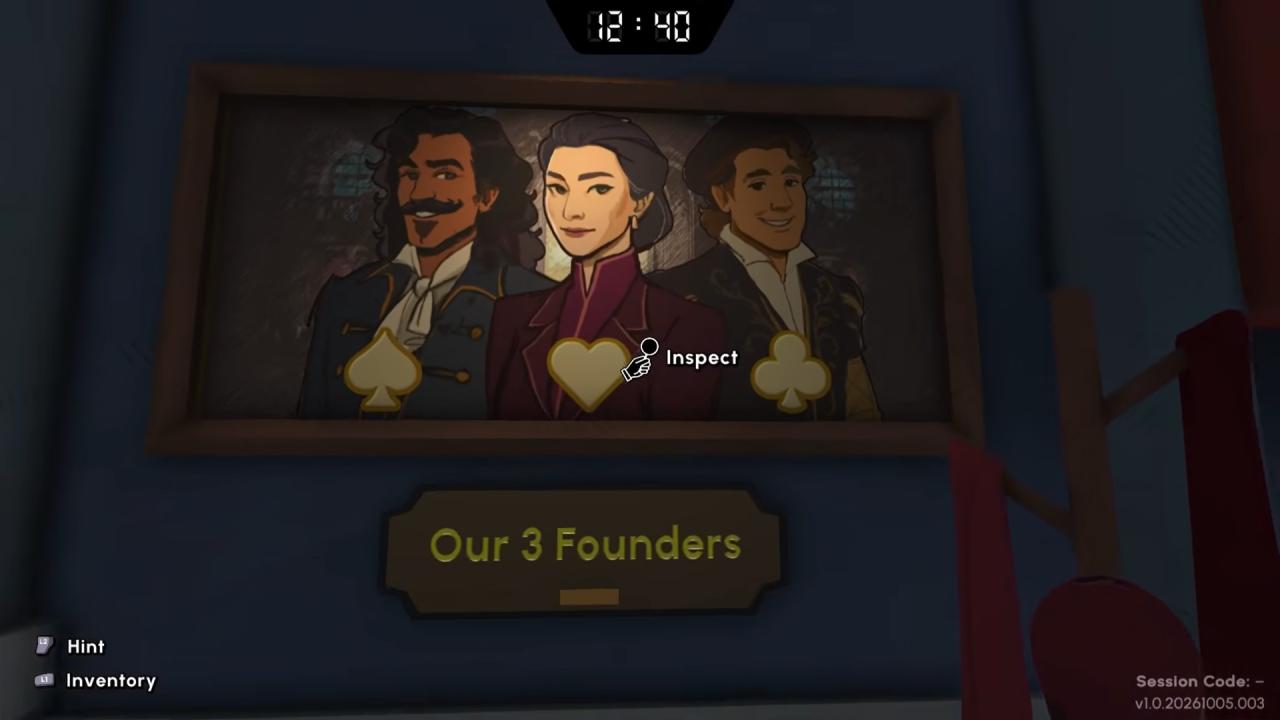
Escape Academy 2 is divided into eight chapters and takes roughly eight to ten hours to finish. The playthrough described in the transcript lasted around eight hours across three or four sessions. At a listed price of around twenty dollars, that gives puzzle fans a reasonable amount of content, especially in co-op with a friend.
Escape Academy 2 is a worthwhile sequel for puzzle fans.
Escape Academy 2: Back 2 School improves on the original through a more convincing setting, a stronger story, and better puzzle flow. Its campus is not a fully open world, and its challenges may be too easy for some veterans. Even so, the combination of exploration, comedy, and escape rooms makes it a strong co-op adventure.
The sequel doesn't need to reinvent the escape room formula to improve. Instead, it gives the puzzles a stronger identity, and the hint system and co-op features make the experience approachable. A few limitations hold it back, but puzzle fans looking for a relaxed mystery adventure with a friend will find plenty to enjoy.
Editor, NoobFeed
Verdict
Escape Academy 2: Back 2 School is a charming sequel with clever puzzles, engaging exploration, and excellent co-op mechanics. Despite a few limitations, it's an easy recommendation for puzzle fans.
77
Related News
No Data.