
Joe & Mac: Retro Collection Review
Nintendo Switch
Red Art Games brings three classic Super Nintendo adventures to modern platforms, complete with regional versions, digital memorabilia, customizable display options, and quality-of-life features.
Reviewed by Tahmid Mahi on Oct 29, 2026
Retro gaming collections have become an important part of preserving video game history, letting longtime fans revisit favorite childhood experiences while introducing a new generation to classics from previous decades. They also help keep older titles accessible as original consoles and physical cartridges become harder to find.
Although many older games remain playable on modern consoles and through subscription services, dedicated collections offer an alternative way to experience these titles, often adding features, archival materials, and improvements that make them easier to play today. Joe & Mac: Retro Collection follows this approach by bringing together three classic platformers from Data East’s prehistoric adventure series.

Published by Red Art Games, Joe & Mac: Retro Collection includes Joe & Mac: Caveman Ninja, Congo’s Caper, and Joe & Mac 2: Lost in the Tropics.
All three games were originally released on the Super Nintendo Entertainment System in the 1990s, and they feature colorful environments, challenging platforming, oversized dinosaurs, odd enemies, and a lighthearted take on prehistoric adventures. The stories aren't very complex, but their unique characters and arcade-style gameplay made them stand out in a market full of great platformers.
If you grew up with the Super Nintendo, these games are your chance to relive the days when a new adventure meant renting a cartridge, borrowing a friend’s copy, or beating the same tough levels over and over until something finally clicked. The collection also gives newcomers three different takes on the same basic formula, each with its own progression systems, level designs, and gameplay mechanics.
But nostalgia alone can’t decide whether a retro collection belongs in a modern gaming library. The quality of its preservation features, the usefulness of its extra content, and the convenience of its presentation matter just as much. Joe & Mac: Retro Collection offers a decent amount of classic platformers, but there could certainly be more.
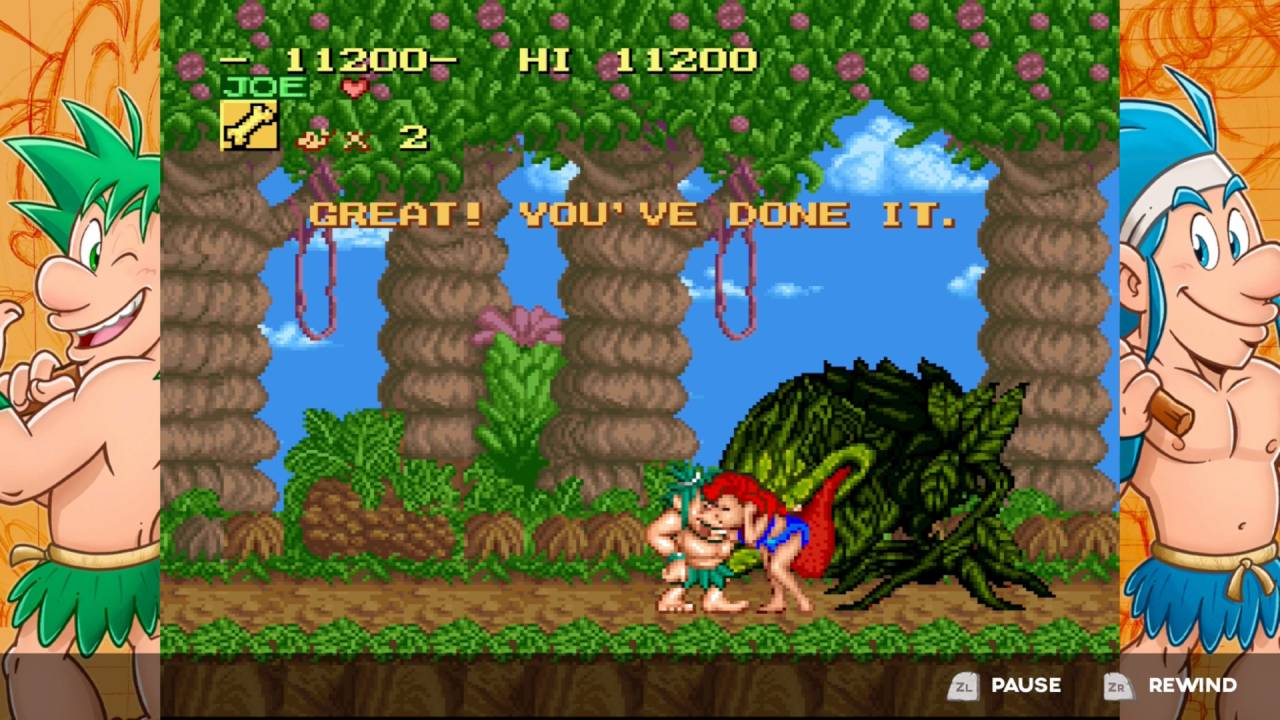
Joe & Mac: Caveman Ninja puts players in the shoes of the titular caveman heroes, who must navigate peril-filled environments, fighting dinosaurs, rival cavemen, and other prehistoric beasts. Their main goal is to save kidnapped women from an evil enemy. This simple premise drives the adventure.
Congo’s Caper follows a different protagonist: a monkey transformed into a boy who must rescue his girlfriend after demons turn her into a monkey. The premise is considerably stranger than the original game’s already unusual setup, but that absurdity contributes to its charm. The adventure keeps the series’ emphasis on colorful enemies, unusual environments, and straightforward objectives while carving out its own identity within the broader franchise.
Joe & Mac 2: Lost in the Tropics expands the formula with a more involved adventure.
Joe & Mac: Retro Collection doesn’t just take you through a series of levels but also features an overworld, other activities, and a quest to locate seven lost gems. Players must explore the surroundings, purchase useful items, and gather upgrades that help the protagonists progress through increasingly challenging encounters.
The three titles, although separate, share the same playful approach to storytelling. The stories provide enough background to set up each adventure without interrupting the action with long conversations or complicated explanations. Some of their humor and presentation reflect the conventions of their original era, but the games remain enjoyable examples of the uncomplicated storytelling that characterized many arcade-inspired platformers.
The biggest strength of Joe & Mac: Retro Collection is its gameplay. The games feature side-scrolling platforming, combat, environmental hazards, collectibles, and difficult boss battles. The controls and core objectives are easy to pick up, making it newcomer-friendly, but the difficulty and level design are challenging enough to keep veterans engaged.
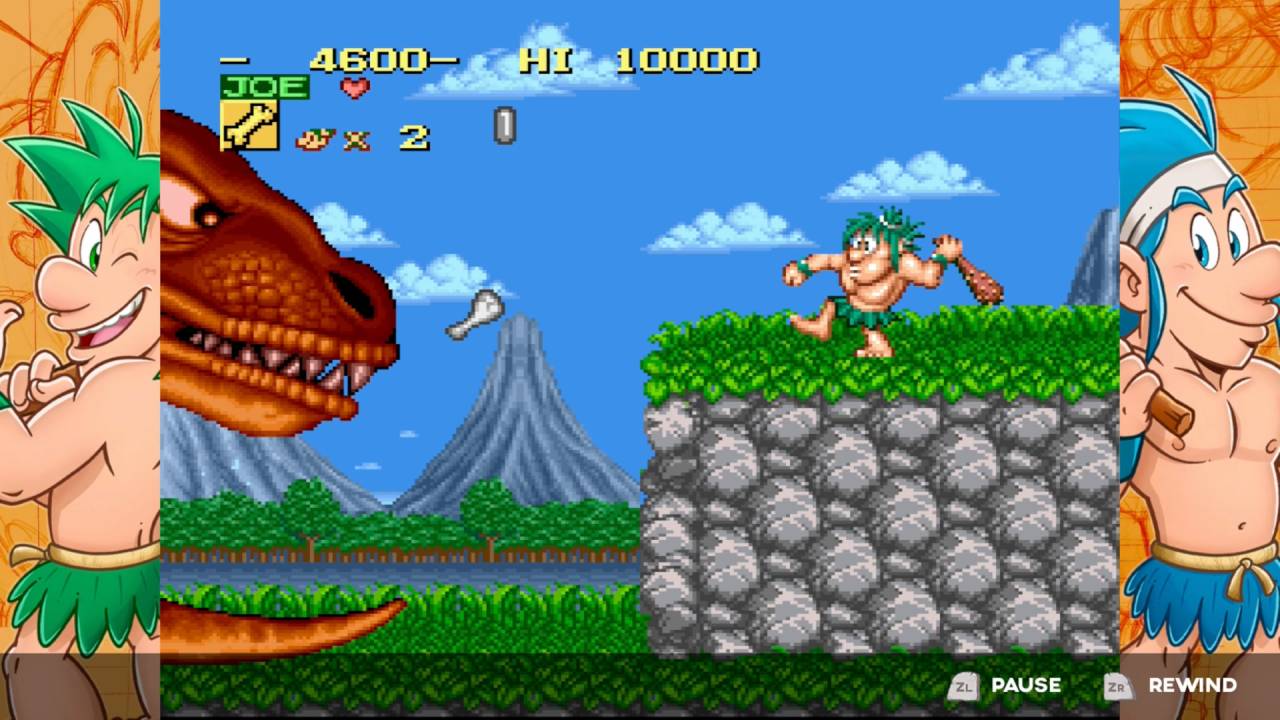
In Joe & Mac: Caveman Ninja, players use clubs and other weapons to beat up enemies in ancient settings. The protagonists can also use power-ups to go beyond basic melee combat, introducing projectile weapons such as bones, stone wheels, and fireballs. These add-ons create new ways to approach encounters, especially when multiple enemies appear on screen, or a boss requires players to keep their distance.
The original game also had an overworld map and a progression system that sometimes required players to find keys to get to the end of a stage. These features add variety to the adventure and keep it from becoming a simple sequence of disconnected levels. The hidden spaces and alternative routes also encourage exploration, giving players more reason to replay levels rather than treating every encounter as a one-off hurdle.
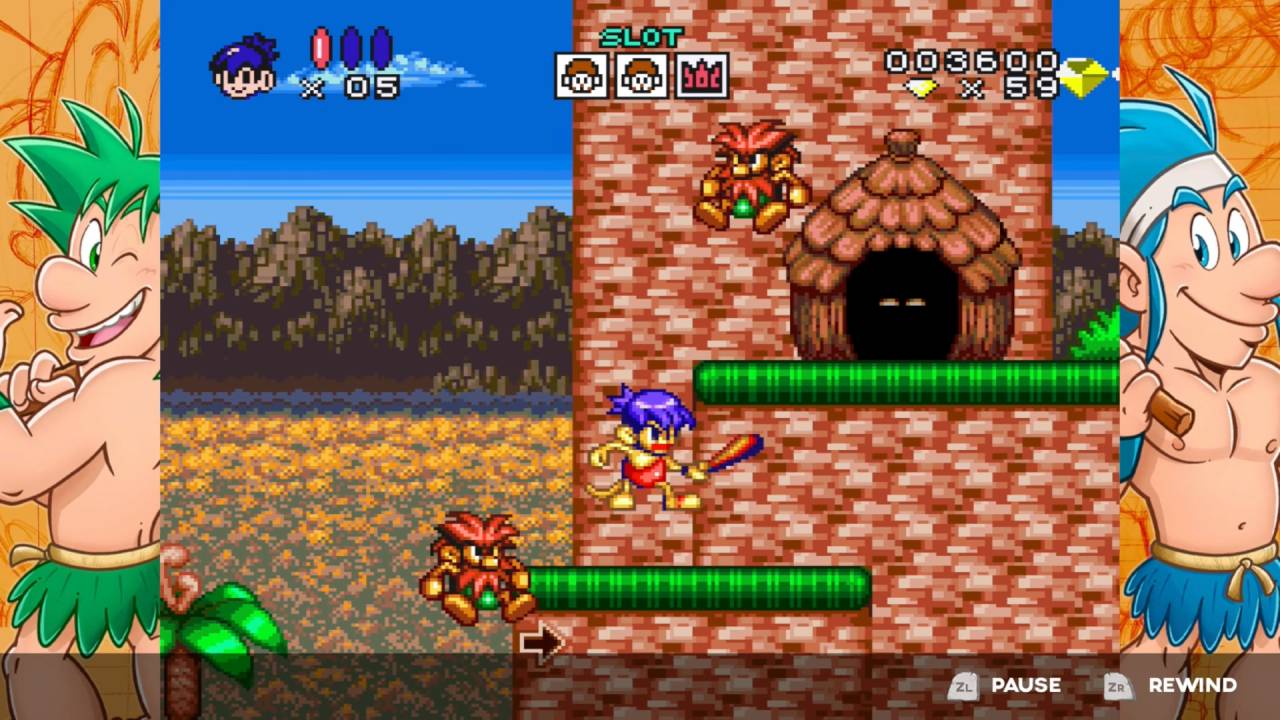
Congo’s Caper follows the same formula but from a slightly different angle. Congo mostly depends on his club to defeat the enemies, but if he collects three red jewels, he transforms into a stronger version of himself. This improvement makes him more mobile, so he can run faster, jump higher, and take more damage before returning to his normal condition.
The game also features a stage-selection structure that gives players more control over their progression.
Joe & Mac have different enemies, hazards, and environmental obstacles in the levels, making it different from the original Joe & Mac. The core mechanics are familiar, but Congo’s Caper showed the developers were willing to experiment instead of just repeating the same experience.
Joe & Mac 2: Lost in the Tropics brings more substantial changes to the overall structure. It places more focus on progression through overworld exploration, non-linear paths, purchasable items, and character upgrades. Players work to complete the main quest, but they can also explore different locations, find useful equipment, and use additional mechanics.
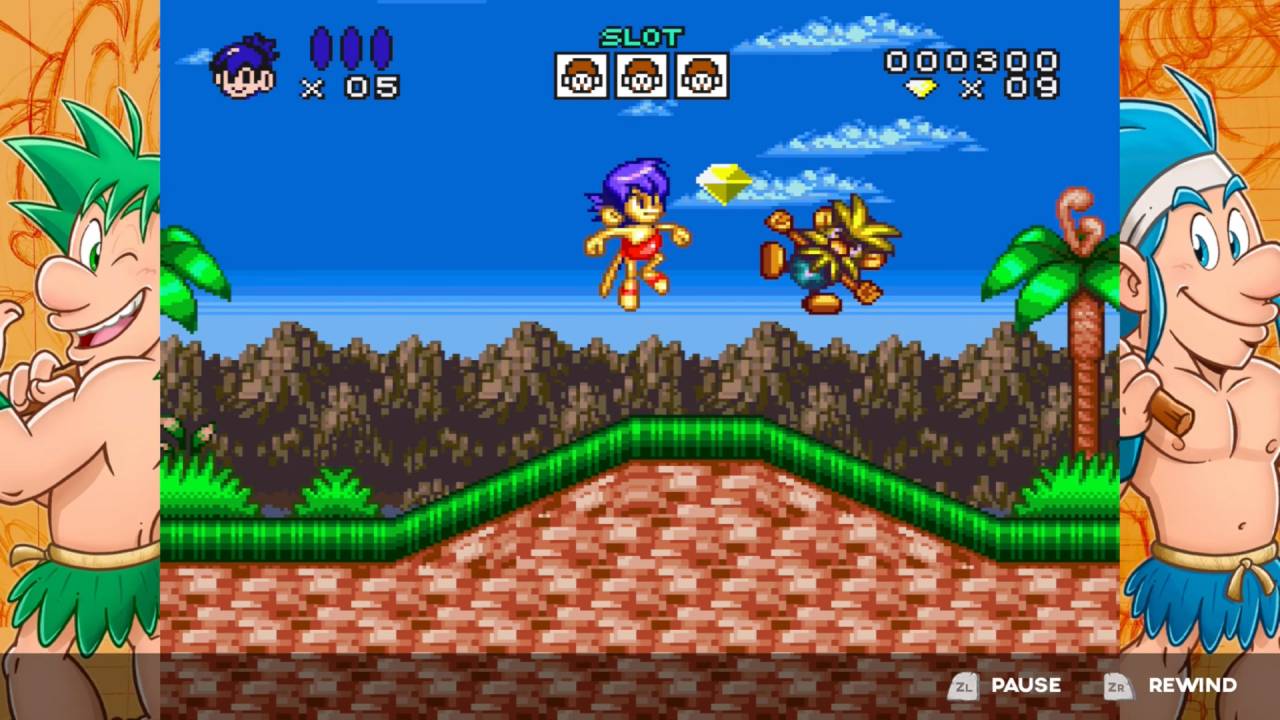
The sequel also has unique sections such as riding in a minecart and flying on a pteranodon. These sequences break up the traditional platforming and add more variety to the adventure. Each game offers the familiar mix of combat, jumping puzzles, and exploration, but the gameplay differs across the three titles.
Cooperative multiplayer is another big part of the series’ identity. Games include two-player action, so friends can take on prehistoric settings together. This mode can ramp up the chaos, especially when enemies and environmental hazards fill the screen. In some versions of Joe & Mac: Retro Collection, players can hit each other too, which just adds to the accidental interference and funny moments. It’s still fun to play alone, but co-op captures an important part of the original experience.
“The level design throughout the collection is a great look at how Data East evolved the series over the years. Joe & Mac: Caveman Ninja sets the stage, with familiar platforming obstacles, branching paths, keys, and big dinosaur bosses. Its mix of straightforward progression and occasional exploration gives the adventure a better structure than a simple string of combat encounters.
Congo’s Caper builds on that by adding a stage-selection mechanic and varied environmental obstacles. Its enemies and dangers keep players alert and aware of their surroundings, and the transformation mechanic adds a new layer to combat and movement. The result is a game that feels familiar, but not like a clone of its predecessor.
Combat in the trilogy is mostly fairly simple, but the variety of weapons and enemy behaviors keeps it from getting boring.
Regular enemies are generally pretty easy to read, while bosses have bigger attack patterns that require players to look for openings and dodge damage. The oversized dinosaurs are especially memorable, with over-the-top appearances and attacks that give these encounters a special arcade personality. But these games still feature the unforgiving difficulty that many older platformers are known for.
Frustrating sections offer few chances to recover from mistakes, especially if you’re not familiar with the originals. It can take several tries to figure out the best way to approach enemy placement, jumping challenges, and boss attacks. Thankfully, Joe & Mac: Retro Collection has save states and a rewind feature.
Save states let players save their progress at key moments, and rewinding lets them undo mistakes and try again in challenging sections without redoing an entire section. These features greatly reduce unnecessary frustration while still retaining the original gameplay.

For a tougher challenge, players can choose to use fewer of these and try to complete the games the old-fashioned way. The collection also includes a Boss Rush mode that challenges players to defeat bosses from the three titles. Its restrictions on modern assistance provide a more demanding alternative for those who want to test their skills against the series’ most memorable encounters.
Visually, Joe & Mac: Retro Collection preserves the colorful pixel art that helped define these games during the Super Nintendo era. Prehistoric environments feature colorful backgrounds, exaggerated character designs, and a wide variety of dinosaurs and other enemies. The games share a common art direction, but their presentation reflects the differences between their original releases.
The jump from Joe & Mac: Caveman Ninja to Joe & Mac 2 is so interesting because the games show how much developers improved sprite animation, character expressions, and background artwork in a relatively short time span. Congo’s Caper also has its own visual identity through its protagonist, transformation sequences, and unusual enemy roster.
Character animations contribute considerably to the humor.
Enemies tend to overreact to attacks, and the protagonists rampage through settings filled with over-the-top prehistoric creatures and hazards. Bosses are particularly funny thanks to their gigantic sprites and distinct designs, which make the battles more memorable than their fairly simple combat mechanics would suggest.
The collection also features several display options to help scale the games for modern screens. Players can change borders, try out CRT filters, and adjust presentation elements to their liking. If you prefer a cleaner look, you can turn off some decorative elements instead of accepting a single presentation style.
These options are especially useful for players who want to keep the original atmosphere without giving up their preferred viewing experience. The games are still recognizable, and their visual presentation does not get in the way of the pixel art underneath it in any unnecessary way. The menus and transition screens also reflect the prehistoric theme, creating a cohesive presentation throughout the collection.
Rather than treating the games as unrelated files placed side by side, the package gives them a shared visual identity that complements their original artwork. The audio presentation is another highlight. The music for all three games is upbeat and appropriate for their colorful worlds and energetic platforming. Each soundtrack uses unique 16-bit synthesizer sounds and memorable themes that fit the playful atmosphere.
Sound effects are also important. Familiar audio cues, like weapon attacks and enemy reactions, contribute to the feeling of action, and their over-the-top nature reinforces the games’ cartoonish presentation. If you’re a returning player, these sounds may remind you of the original Super Nintendo releases.
The collection also features a dedicated music player, letting players listen to songs from the games without being in a level.
This is a welcome addition, making the soundtracks easier to appreciate outside of gameplay. The music and sound effects have stayed true to their original hardware limitations, but they still work well in the context of these adventures. That simplicity helps keep the action moving, and the unique themes give each game its own personality.
A retro collection is more than just getting old games to run on modern hardware. Its additional features can provide historical context, improve convenience, and give players reasons to spend time with the package after completing the main adventures. Joe & Mac: Retro Collection makes a respectable effort here.
One of its most useful features is its inclusion of regional versions of the games. Players can access North American, European, and Japanese releases, allowing comparisons of presentation and gameplay differences that might otherwise be less familiar. The regional differences also have a historical value for those interested in how games were sold and marketed in different territories.
The collection features digital recreations of the original packaging and cartridges, allowing players to explore the physical media for each release. The collection also includes digital manuals with the information that came with the games, and occasionally they explain mechanics not fully delivered during gameplay.
These additions preserve the Super Nintendo cartridge ownership and play experience. Modern games frequently introduce their mechanics through tutorials, but older releases often relied on printed manuals to explain their systems. Having access to those materials makes it easier to understand the original design and appreciate how players approached these games when they first appeared.
A gallery of artwork provides another look at the series’ history.
Players can examine concept art and other visual materials associated with the games, while the collection’s presentation gives the additional content a place alongside the playable titles. Scanned archival materials and regional packaging make the package more appealing to enthusiasts who enjoy exploring the history behind older releases.

Boss Rush mode offers a more gameplay-focused extra, bringing bosses from the three games together in a separate challenge. Meanwhile, the music player allows fans to revisit the soundtracks without replaying the adventures. Together, these additions add value beyond the main trilogy. Nevertheless, the gallery feels relatively limited compared with what a more ambitious preservation project could offer. Additional magazine advertisements, promotional materials, historical documents, and development information would have given players a more comprehensive look at the franchise.
These features matter because the three games were made to meet their era's expectations. These can be tough to beat, and some players might struggle to finish them without replaying difficult sections over and over. With Rewind, players can quickly undo mistakes, while save states allow them to save their progress before a difficult encounter.
The settings menu also lets players change the visual presentation, such as CRT filters and screen borders. Features like these are a staple of retro collections, but their usefulness depends on how much freedom players have. Here, the ability to customize the display helps the package accommodate different preferences rather than forcing everyone to use the same settings.
It also keeps the games' HUDs and familiar visual feedback.
For example, changing color when bosses take damage is a simple but effective way to communicate progress during combat. You can see in the small details how older games communicated important information with clear visual cues, not convoluted interface systems.
Joe & Mac: Retro Collection features three fun platformers, each with its own strengths. The original Joe & Mac lays the groundwork with its branching progression, weapon power-ups, and unforgettable dinosaur encounters. Congo’s Caper introduces its transformation mechanic and stage-selection structure, while Joe & Mac 2 expands the formula with overworld exploration, purchasable items, and additional activities.
However, the limited selection remains its most significant weakness. All three games are Super Nintendo titles, and players with access to the console’s classic game catalog through Nintendo Switch Online may have fewer reasons to buy another version. The collection’s additional presentation options and archival content offer meaningful differences, but they don't fully address that concern.
The absence of other versions of the franchise is particularly noticeable. Including the NES and Game Boy releases, the Sega Genesis version of the original game, or other regional and platform variations would have made the package more comprehensive. Even if some versions differed substantially in quality, their inclusion would have offered an opportunity to explore the series’ development across different hardware.
The gallery could also have benefited from a wider selection of historical materials. Magazine advertisements, promotional artwork, development notes, and additional archival content would have helped establish the trilogy’s place in gaming history. The existing extras are worthwhile, but the collection feels as though it could have done more with its subject.
Despite these shortcomings, the games themselves remain enjoyable. Their colorful visuals, accessible fighting, diverse level designs, and memorable soundtracks still provide an enjoyable experience. The modern conveniences also make them more approachable for players who don’t want to struggle through every tough section without help.
The collection lets longtime fans revisit familiar adventures while exploring original packaging and regional variations.
Newcomers can experience three examples of 16-bit platforming without tracking down the original cartridges or older hardware. The cooperative modes also preserve an important part of the series’ appeal, making the games suitable for players who want to share the experience with a friend.
Ultimately, Joe & Mac: Retro Collection is a solid preservation effort that benefits from its three distinct games and useful modern features. Its limited selection prevents it from becoming the definitive collection that the franchise deserves, but the quality of the included adventures makes it an enjoyable package for fans of classic platformers.
If you grew up playing these games, the collection provides a welcome opportunity to return to their prehistoric worlds. For those discovering the series for the first time, this collection serves as a straightforward introduction to Data East’s colorful approach to arcade-inspired platforming. Keep in mind that the strongest reason to buy it is the combination of the original games and their preservation features, not the collection's size.
Editor, NoobFeed
Verdict
Joe & Mac: Retro Collection delivers three entertaining prehistoric platformers with useful modern features and appealing archival extras, but its limited selection leaves plenty of room for a more comprehensive collection.
80
Related News
No Data.