
Remothered: Red Nun's Legacy Review
PC
The final chapter of the Remothered trilogy returns the tension, puzzles, and unsettling atmosphere fans have been waiting for, though a few familiar problems remain.
Reviewed by Maisie Scott on Oct 27, 2026
If you've followed the Remothered series since its early days, you probably know the franchise has had a rather uneven journey. The original Remothered: Tormented Fathers arrived in 2018 and offered a survival horror experience inspired by older games like Clock Tower.
It wasn't perfect, but it understood what made this style of horror work. You were vulnerable, your enemies were dangerous, and getting through a room without being caught could be more satisfying than defeating a monster in a fight. It had its problems, but there was enough potential to make you want to see what came next.
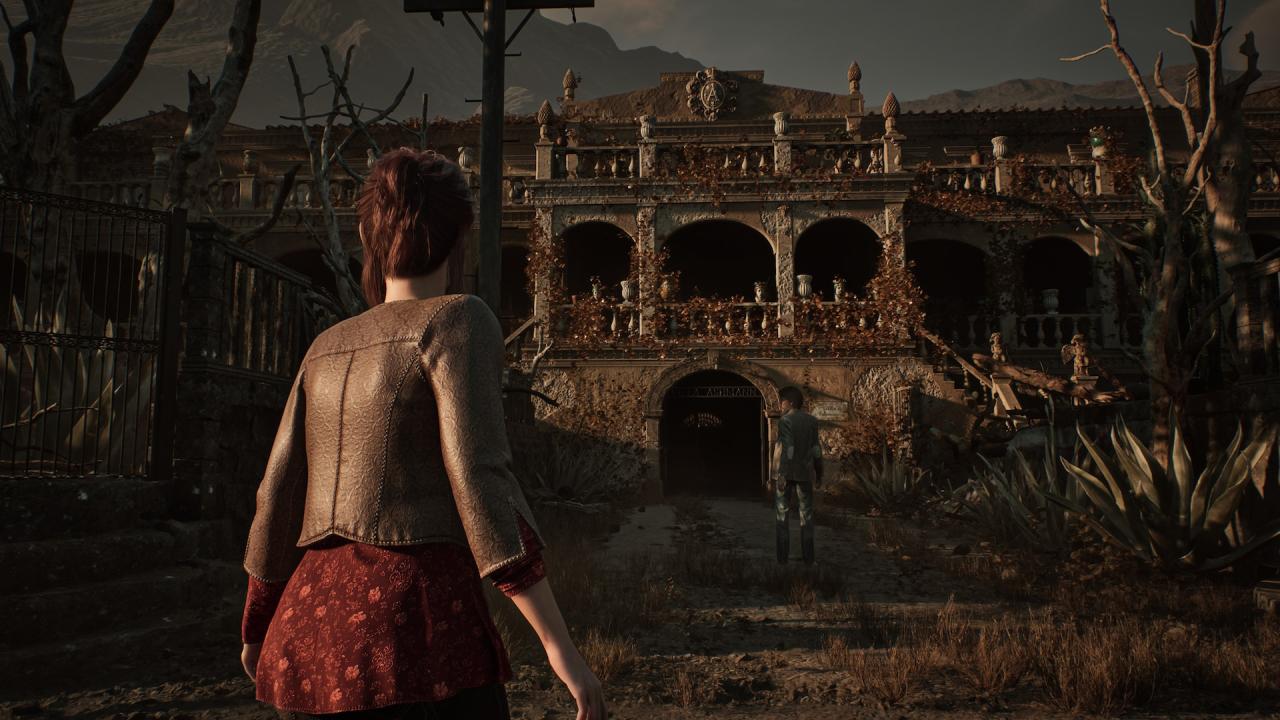
Unfortunately, the follow-up, Remothered: Broken Porcelain, struggled to build on that foundation. It was a disappointing sequel because of technical problems, muddled storytelling, clumsy mechanics, and too many enemies. It often made the experience more frustrating than frightening, rather than improving what worked in the original. With that history in tow, Remothered: Red Nun's Legacy has a lot to prove, especially as the trilogy's final chapter.
Creator Chris Darril is no longer attached to the series, and this time Stormind Games has taken it in a new direction.
The studio also worked on A Quiet Place: The Road Ahead and has tried to get the franchise back on track by refining its mechanics, improving its presentation, and adding new ways to explore its world. The result is a survival horror game that feels closer to what the series should have been all along. It still has a few rough edges, but there is enough here to make the return worthwhile.
The story follows Susan, a mother whose daughter has disappeared under mysterious circumstances. It gets even more disturbing when Susan receives a video that hints at her daughter's whereabouts. Her search eventually leads her to Villa Ashmann, an old estate in Sicily tied to the Ashmann family, a convent, and a disturbing figure known as the Red Nun. The mystery also includes five other missing girls, giving Susan even more reason to investigate what happened at the estate.
As you explore the building, you will gradually learn more about its history and the events surrounding the disappearances. The story doesn't tell you everything straight away, and that is part of the fun. You have to glean bits of information from conversations and objects, from recordings and the odd events around you. The estate feels like something terrible happened, and you gradually work out how all the different parts fit together.
One of the biggest improvements over Broken Porcelain is the narrative presentation.
The story was hard to follow, jumping around characters and timelines in the previous game. Here, the storytelling is much more coherent, and you can follow the mystery without constantly wondering if you've missed an important detail. The cutscenes are easier to digest, and the performances bring the characters to life.
But don't expect a story that will change survival horror altogether. The story is entertaining enough, but its real strength is the atmosphere. There are some disturbing themes involving sexual violence and unsettling family relationships, so this isn't necessarily an easy game to recommend to everyone. If you're fine with darker horror, the mystery still gives you plenty of reason to keep digging until the end. It also provides a fitting conclusion to a trilogy that's been around for years.
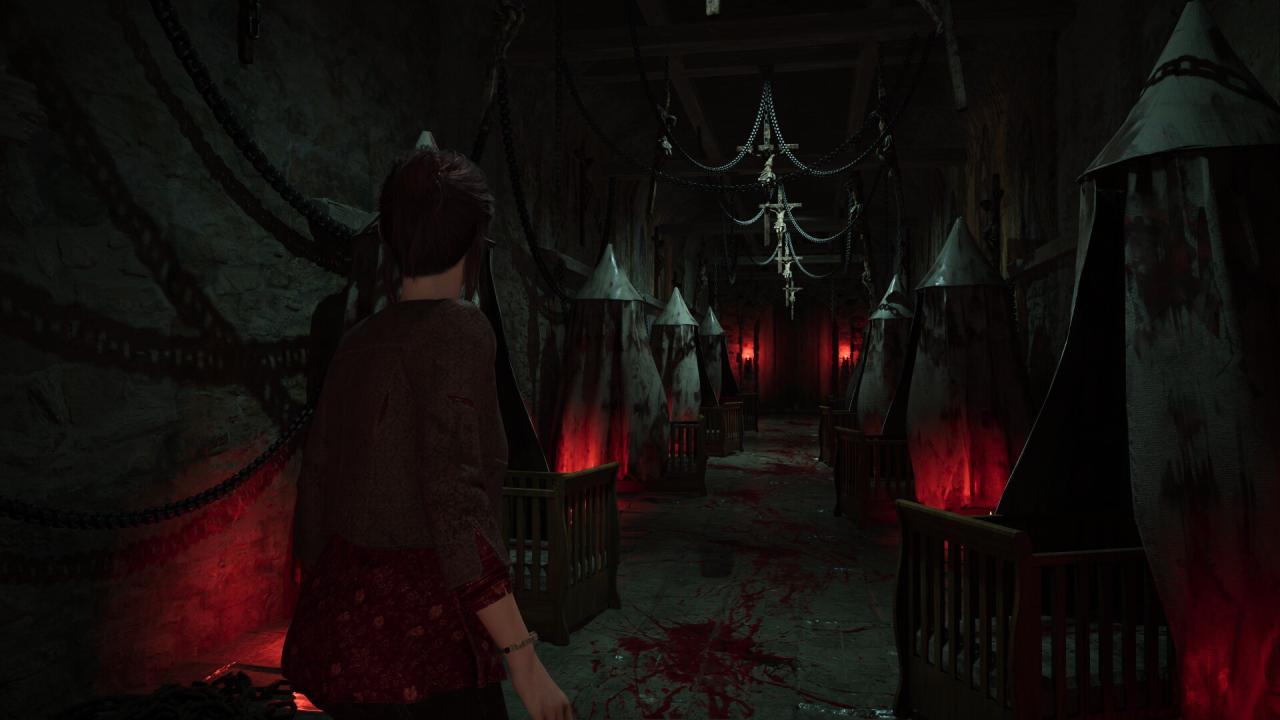
But where Remothered: Red Nun's Legacy really shines is in its approach to survival horror. Rather than turning Susan into a character who can fight her way through every encounter, the game expects you to watch your surroundings and avoid danger whenever possible. You're constantly moving through corridors, checking rooms, looking for useful objects, and figuring out where to go next. When an enemy appears, your first instinct will usually be to find somewhere to hide.
If you've played Clock Tower or other classic survival horror games, the basic idea will feel familiar. The stalkers are dangerous, and you can't simply eliminate them whenever they get in the way. You have to watch their movements, listen for their footsteps, and decide whether it's safe to move on. Even simple actions like opening a door or standing too close to an enemy can give away your position, so even normal actions need some thought.
The mechanics for hiding are simple. You can hide in cabinets or under furniture and wait for the enemy to leave. Sometimes you'll also have to play small mini-games to stay quiet and avoid getting caught. These moments can be tense, especially when you hear a stalker moving nearby and don't know whether it has spotted you. Sound design plays a big role, letting you tell how close an enemy is before you see it.
Sometimes the game makes you wait longer than you need to, though. The hiding sequences can be lengthy, and sitting in a cabinet over and over again as an enemy roams around can become tiresome. The developers do their best to keep you invested with the extra minigames, but these interactions don't always do enough to keep the tension flowing. Stealth is fun in the early encounters, but you'll notice its limitations more as you play.
If a stalker catches up with you, fortunately, you are not totally helpless. Susan can use defensive items to briefly stun enemies so you can escape. You can also use scissors and other items in certain fights, and quick minigames let you fight back just long enough to create some space. These are useful, but should not be the primary focus of combat. You have limited weapons, and the game still encourages you to avoid combat when possible.
Glass plates and other objects can distract or hit enemies. Improvised weapons also let you attack and block, but they don't last long. This limited durability means you need to think about when to use what you've collected rather than assuming you'll always have something available. Healing items are scattered throughout the environment, too, so searching rooms becomes an important part of staying alive.
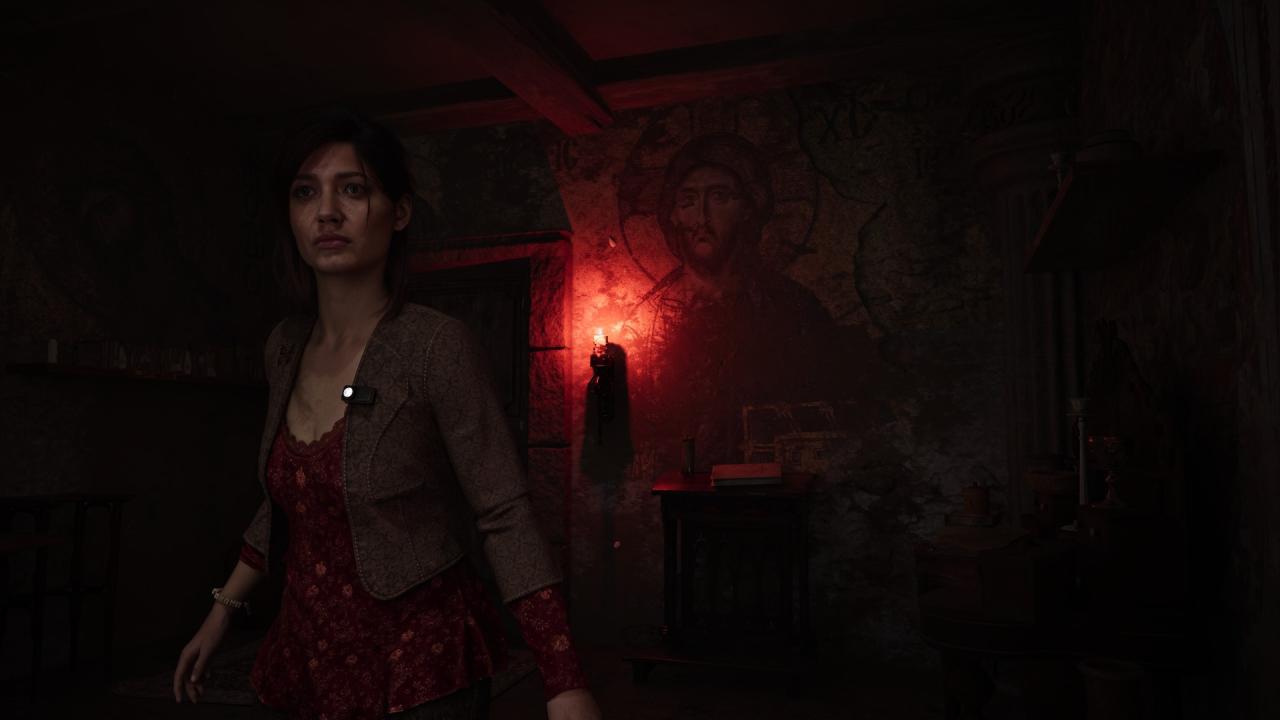
Even so, the difficulty is a little uneven. The enemy AI is an improvement over Broken Porcelain, but you can often lose a stalker by moving around furniture or putting enough distance between yourself and the enemy. Some encounters are more threatening than others, particularly towards the end, but the overall challenge isn't especially high. I've encountered very few moments where survival felt truly difficult, and I'd love additional difficulty options for players who want a harder experience.
Susan's walking speed is another issue. It's painfully slow to get around the estate, and running tends to draw unwanted attention. That means you'll spend much of your time walking cautiously through rooms, even when you're simply trying to find an item. The slower pace fits the atmosphere, but it can become frustrating when you're searching for one missing object and have already explored the same corridor several times.
Navigation doesn't always help, either. The map doesn't constantly tell you where you are, which makes exploring the estate more immersive but also leaves you with little help when you lose your bearings. You might know exactly what you want to accomplish and have no idea where to go. If you miss one small detail, it can pull you out of the experience as you spend a long time wandering through familiar rooms. This is especially true if the game doesn't give you enough clues as to where to go next.
Thankfully, the investigation mechanics offer more than simply searching for keys and pulling levers. Susan gains access to three hypnosis-related abilities, which she can use at metronomes scattered throughout the estate. These abilities let you perceive things that would otherwise remain hidden, and they're one of the game's most distinctive features.
Retrocognition lets you uncover memories connected to particular objects and locations. With it, you can listen to voices from the past and learn more about what happened before Susan arrived. These memories can also give you hints to solve puzzles and some additional background information. It's a nice way to tie the story to the gameplay, making you want to explore the environment instead of seeing every room as a collection of things to loot.
Another welcome addition is the mirror ability. Some mirrors will show details, objects, and paths that are otherwise hidden. Sometimes you have to view an area from a different angle to know how to move on. This adds a supernatural element to the exploration without making things too complex.
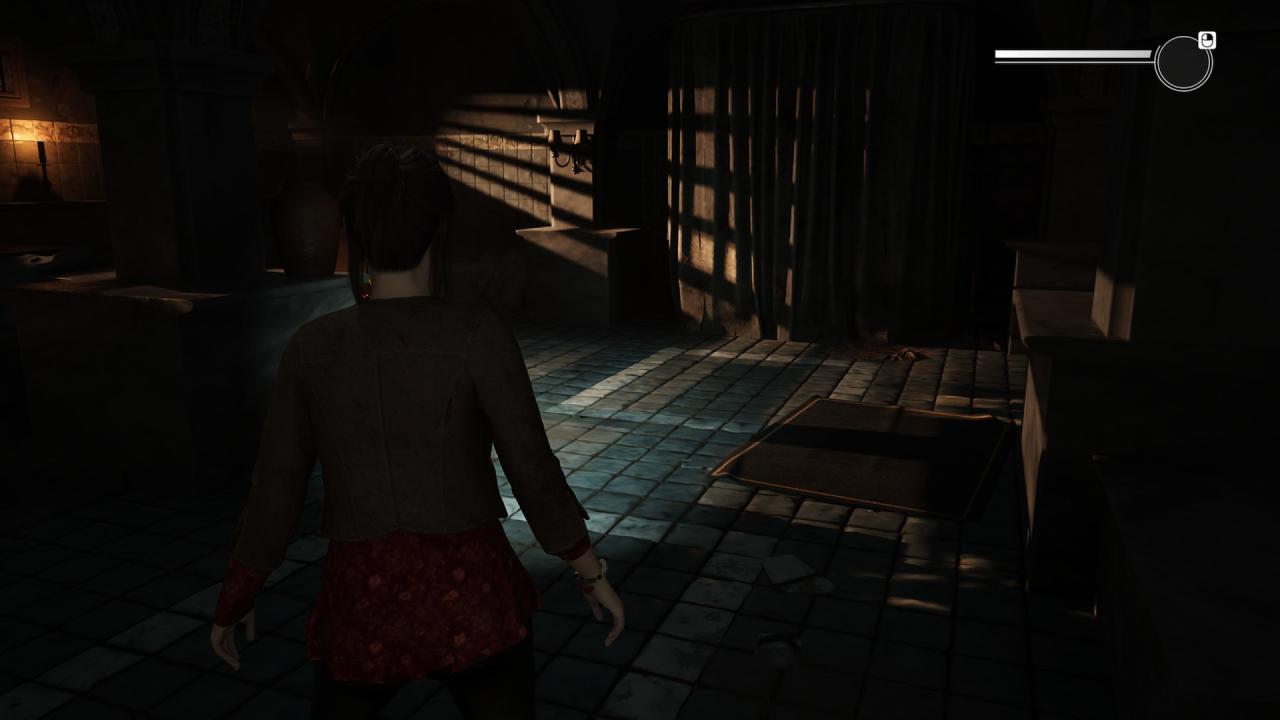
Then there's moth manipulation, which returns in a more useful form from Broken Porcelain. This ability lets you interact with moths to open new routes and access previously inaccessible areas. You can also use it to block attacks temporarily. But the moths aren't around forever, so when you use them, you need to move fast and sometimes come back for more. The mechanic still feels a little awkward, but it works a lot better than it did before.
These skills add a sense of progression to exploration. You're not just getting better gear or making Susan a better fighter; you're slowly learning new ways to perceive and interact with the estate. The supernatural elements also fit the psychological horror setting and feel like a natural part of the experience, not a feature added to complicate the gameplay.
The puzzles themselves are another improvement. The game brings traditional survival-horror puzzles back into the spotlight, asking you to find objects, follow clues, and figure out how different parts of the estate connect. You'll encounter familiar tasks, like finding missing components or locating the right item to unlock a passage, but the supernatural abilities add welcome variety.
Most puzzles are relatively easy, and you probably won't spend long solving them. Players who enjoy the more demanding puzzles found in Silent Hill or Resident Evil might find them a little too straightforward. Still, they're generally creative enough to keep you interested, and I rarely got stuck for long because of a particularly difficult solution.
The larger problem is that the game doesn't always make it clear what you're supposed to do next. When exploration works, returning to a previously visited room with a new ability can be satisfying. When it doesn't, you end up retracing your steps without discovering anything meaningful. The puzzles aren't difficult enough to compensate for these moments, so better guidance would have made the overall experience more enjoyable.
There's no elaborate RPG progression system or experience-point grinding to worry about, either. The focus remains on finding supplies, unlocking abilities, solving puzzles, and discovering new areas. That is probably for the best, considering how the previous game's progression system added unnecessary clutter without making the gameplay more interesting. Here, your progress is tied more directly to what you discover and how you use your abilities.
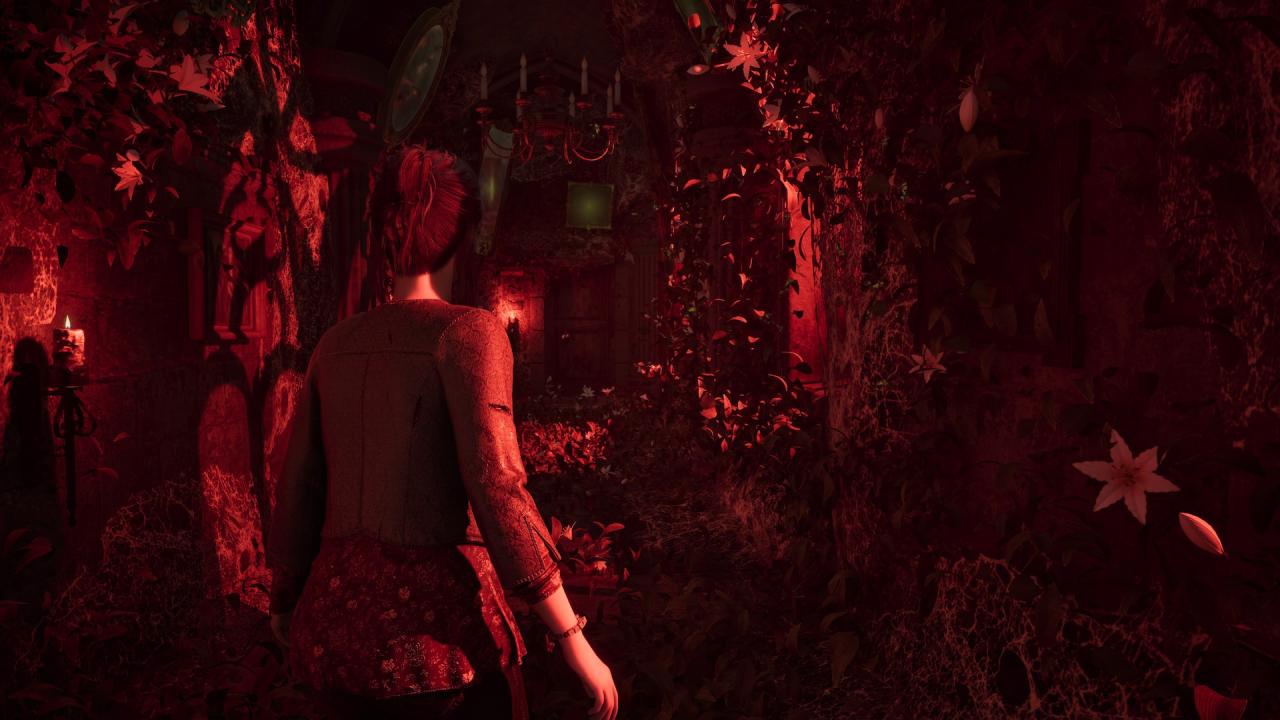
Visually, Remothered: Red Nun's Legacy looks solid. It might not be the most technically impressive horror release around, but it does enough to establish a convincing setting. The lighting is effective, the environments have plenty of detail, and the character models and creature designs help sell the unsettling atmosphere. Some of the cutscenes are particularly effective, giving the story a few memorable moments without relying entirely on elaborate visual effects.
The Ashmann estate is easily one of the highlights. The Victorian architecture, antique furniture, paintings, stained-glass windows, and stone interiors give it an aged, historic feel. Each room has its own character, and the decaying environment suggests something terrible has happened throughout the building. The environmental design supports the narrative and makes you feel uncomfortable just walking around the estate.
Performance is generally solid as well. The game runs fine, but reports include minor issues like occasional crashes, invisible walls around doorways, and clues not appearing correctly when using the mirror ability. These problems can be annoying, particularly if you are already trying to get oriented in the environment. But they don't seem to spoil the overall experience, and the presentation feels more polished than Broken Porcelain.
The game really shines in sound. With legendary Silent Hill composer Akira Yamaoka on board, you know you're in for some creepy music, and that's exactly what you get. His compositions are full of spooky piano melodies and strings, setting a mood that fits the setting. The music doesn't have to be constantly bombastic to impress. Instead, it adds tension to your exploration and makes the quiet parts uncomfortable.
The sound effects are equally important. You can hear the walls groaning, distant footsteps down corridors, and doors opening somewhere nearby. The audio lets you recognize danger before you see it, like when a stalker is coming toward you. You can even hear the Bride's voice change as she gets closer or farther away, making encounters feel much more immediate.
The Bride is one of the game's most memorable enemies because of her creepy appearance and disturbing behavior. She can turn an otherwise routine encounter into an uncomfortable one. Her voice, her movements, and the music that plays with her set her apart from the game's other stalkers. Another highlight is The Red Nun, and Maggie Robertson gives a strong performance. You might know her as Lady Dimitrescu from Resident Evil Village, and she brings that same presence to the role here.
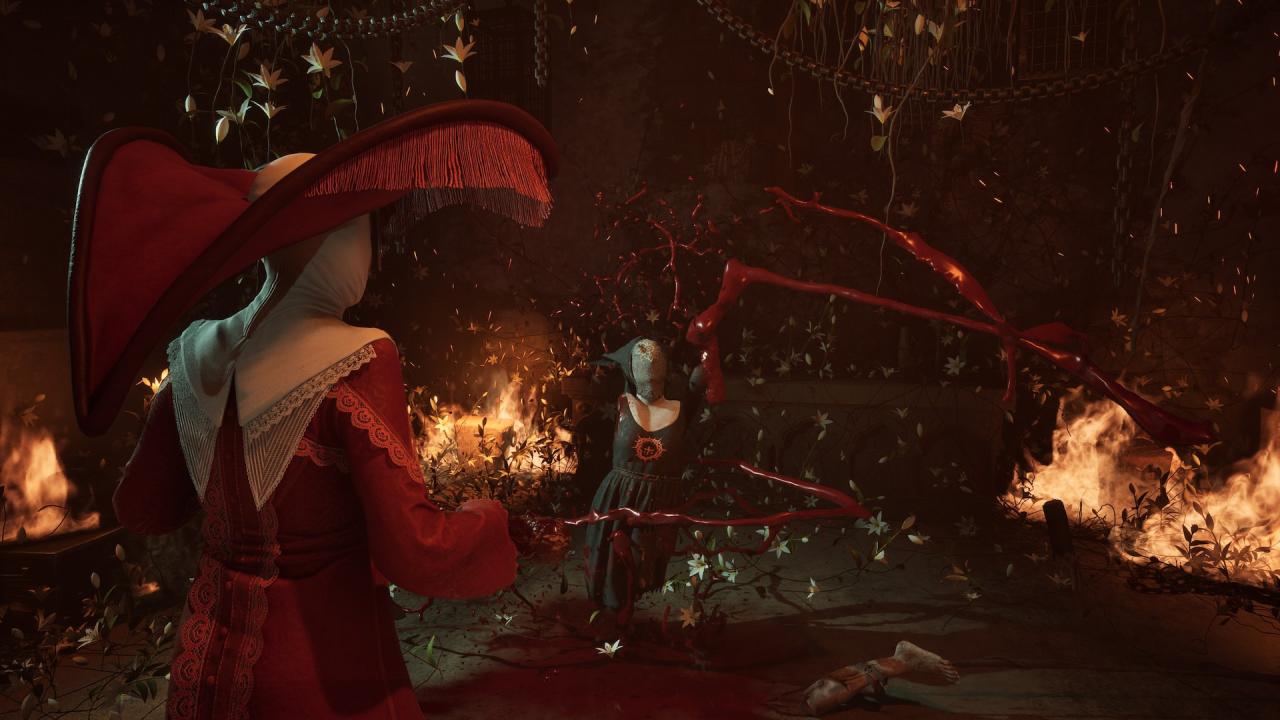
Susan's vocals are strong, but some dialogue scenes feel a bit choppy. The actors are convincing, but some exchanges lack the natural rhythm you expect when characters react to each other. It's not a dealbreaker, and the performances still carry much of the story, but sometimes the dialogue feels like it was recorded separately, with too little interaction between the actors.
Remothered: Red Nun's Legacy is ultimately a welcome improvement over Broken Porcelain, and a decent conclusion to the trilogy. It doesn't solve all the series' problems, and the lack of direction, slow movement, and repeated hiding sequences can get on your nerves. The puzzles could also be a little harder, and the difficulty options could use more flexibility.
But better storytelling, supernatural investigation mechanics, detailed environments, and excellent sound design make the experience worth it. If you like classic survival horror and prefer avoiding enemies to fighting them, there's a lot to like here. It might not be a must-have release, but it proves the franchise still has life.
Editor, NoobFeed
Verdict
Remothered: Red Nun's Legacy is a solid survival horror finale with great sound design, creative abilities, and creepy atmosphere. There are some frustrating navigation and stealth issues, but it's worth playing for horror fans.
82
Related News
No Data.