

AMD Confirms 2027 Launch for Microsoft’s Next-Generation Xbox SOC
AMD signals steady progress on Microsoft’s next-generation Xbox SOC targeting a premium 2027 hardware launch window.
Hardware by Nakiro on Feb 13, 2026
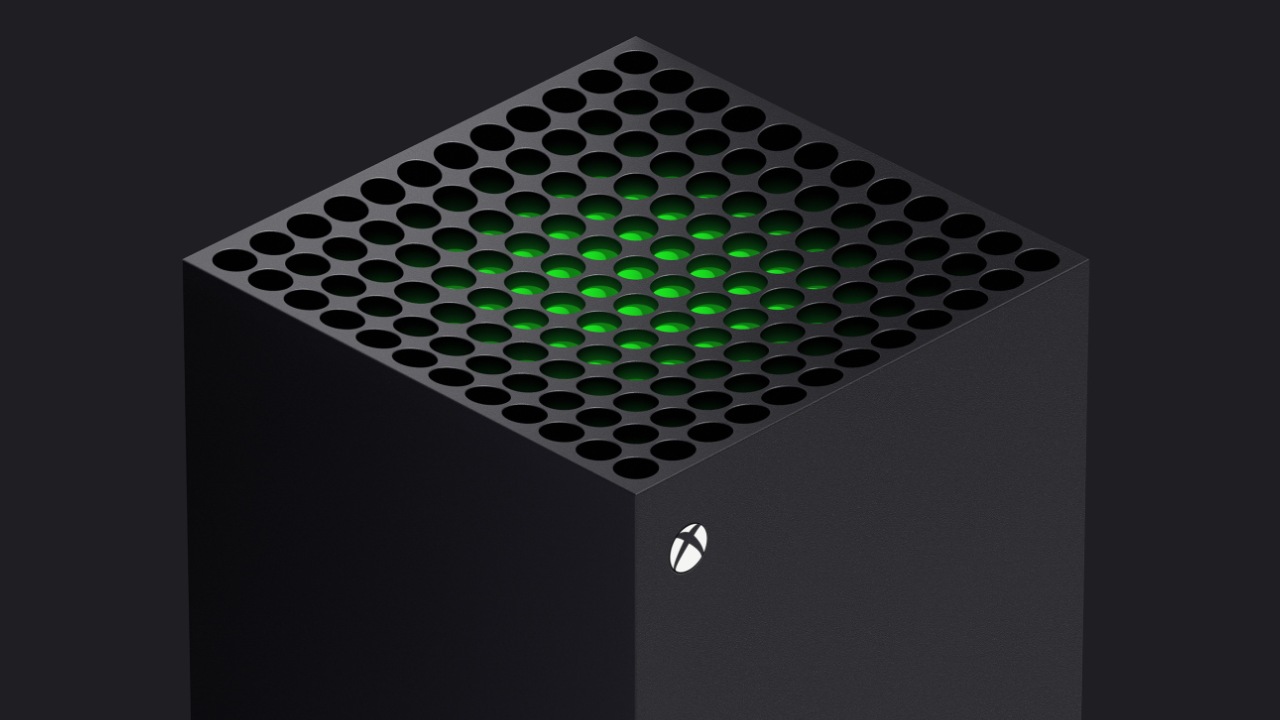
Recent comments from AMD CEO Lisa Su suggest that work on Microsoft's next-gen Xbox is going well and is on track for a 2027 release. She said that work on Microsoft's next-gen Xbox, which will use an AMD semi-custom SOC, is going well and should be ready for release in 2027. No further technical details were given, but the schedule strongly suggests that new technology will still be released that year.
But just when semiconductor progress is confirmed, it doesn't mean that a finished product for consumers is guaranteed. We have to figure out if this means a firm launch window or just that the chip design is ready.
Concerns about prices and market positioning
If the equipment is meant to be cutting-edge in 2027, it's fair to anticipate it to cost a lot. Even when previous design discussions focused on a bigger, stronger system with a lot of memory, affordability was already on the table. Prices have risen much further due to persistent memory supply constraints and AI-driven demand for RAM.
You need to think about who this item is really for. It doesn't look like a regular mass-market console anymore. Instead, the launch plan can focus on finding and reaching a small group of people. Timing will be very important, especially when it comes to synchronizing with other big announcements from platforms like Valve's Steam Machine project or Sony's upcoming PlayStation 6.
It could be lost in the shuffle if it isn't placed correctly. If placed in the right spot, it may create a high-end enthusiast market.
A PC that also works as a console
One popular idea is that the new system will work like a console but be more like a PC. It would still be able to play Xbox games and might even let users access a Windows desktop environment for more features.
From a marketing perspective, it might still be called the next Xbox. But in real life, it might look like a Windows-based gaming PC that works well with other devices. Compared to pre-built systems from companies like Dell that make Alienware computers, a semi-custom AMD SOC with unified GDDR7 memory might, in theory, offer similar performance at a lower cost of production because of the way the supply chain is set up.
That being said, prices are relative in the hardware industry right now. In today's world, standalone GPUs can cost a lot, sometimes as much as whole pre-built computers. The new Xbox probably won't match the speed of the best GPUs in ultra-high-end PC configurations, but it might still be as fast as a very expensive PC setup.
Moving Away from the Old Console Model
More and more people think Microsoft may no longer be going after the conventional console market in the same way. The plan doesn't seem to be based on exclusive games and hardware-driven ecosystems. Instead, it seems to be based on getting people to use the service. The goal is reached if people sign up for Game Pass on any PC platform.
You might see that hardware sales aren't as important in this scenario. The box itself is not the main part of Microsoft's ecosystem; it is just another way to get to it.
If the gadget worked more like a PC, developers wouldn't have to write software that targets a specific console architecture. Instead, it would mostly run regular PC games, which would cut development costs and perhaps even make software more widely available at launch.
Windows Test
One big concern is whether Microsoft can make Windows work without any problems. If the gadget ends up running Windows 11, it needs to avoid the problems users often encounter with desktop PCs.
We have heard many complaints about dependability, account creation, security issues, and overall user experience problems. If Microsoft wants to take over the PC gaming market with its hybrid console-PC strategy, the operating system needs to be as easy to use as a console.
Valve has shown that easy-to-use software can be interesting. SteamOS and the Steam Deck give you a focused, unified experience. Microsoft's current full-screen Xbox interface on top of Windows, on the other hand, has been criticized for being unstable and acting in strange ways.
Microsoft may need to make major changes to its operating system before 2027 to remain competitive.

Pressure on the AI market and the supply of RAM
Much of the conjecture about prices centers on the amount of available memory. Demand for AI-driven data centers continues to consume a significant share of RAM production capacity. Scaling up memory production is not a quick fix; it usually requires years of investment, regulatory approvals, expanded fabrication facilities, and the implementation of new processes.
Some people think an AI bubble might burst, yet demand is still growing. Usage is still high, from businesses to consumers. Stock prices may go up and down, but building infrastructure for memory and advanced process nodes usually takes years, not months.
So, it might not be realistic to expect RAM costs to return to normal by 2027.
When will the manufacturing process start?
When AMD says it's working on a semi-custom SOC, it probably suggests there is room for advanced process nodes, maybe even in the 3nm range. That means the milestones for silicon design and tape-out are going as planned.
But just because a chip is ready doesn't mean it's ready for sale. In the past, console CPUs were taped out years before they were released. Development boards are often assembled with early silicon versions, long before the final consumer versions are ready.
If the 2027 deadline stays the same, we might already be at the point where early hardware prototypes are being put together and tested. The other factors are the operating system's maturity, the level of developer support, the price of RAM, and the console's strategic position in a market increasingly like a PC market.
In the end, whether this gadget becomes a game-changing platform or a high-end niche product will depend more on how well it is made than on the raw silicon.
Also, check our other hardware articles:
- AMD Ryzen 9 9950X3D Review: Setting The Standard For 2025 Gaming CPU
- Amazon Luna 2025 Review: Is Prime Gaming's Cloud Service Your Go-To For Casual Fun?
- AMD RX 9070 XT Review: AMD's RDNA 4 Champion for 1440p Gaming
- GeForce Now Ultimate: Ditching Your Gaming PC For Cloud RTX 4080 Power?
- NVIDIA GeForce RTX 5080 Review (2025): Still A 4K Gaming Powerhouse?
- Intel Core Ultra 9 285K Review And Performance Breakdown (2025)
- AMD Ryzen 7 9800X3D Review: 3D V-Cache Goes God Mode with Stunning Gaming Performance
- Intel Core Ultra 9 285K vs AMD Ryzen 7 9800X3D: In-Depth Gaming Performance and Benchmark Comparison
- NVIDIA GeForce RTX 5080 Super Performance In Cyberpunk 2077: Path Tracing & DLSS 4.0 Tested
- AMD Radeon RX 9070 XT In Cyberpunk 2077: Ray Tracing & FSR 4.0 Tested
- Intel Arc B580 Review: The $250 GPU Revolutionizing 1440p Gaming
- Intel Arc B570 Vs. B580: Value, Specs, And Real-World Gaming Performance
- RTX 5090 Laptop Vs. M4 Max MacBook Pro: Ultimate Raw Performance Vs. Battery Endurance
- Intel Arc b580 Vs. RTX 4060: Game Performance And Value Analysis
- RTX5090 Hell Is Us Demo 4K Ultra Benchmark: DLSS Vs. Native Performance Guide
- NVIDIA RTX 5070 Review: Mid-Range Muscle or Marketing Hype?
- Nintendo Switch 2 Review: Handheld Performance, Features & Value Breakdown
- RTX 5070 Ti Review: Performance, Thermals & Power Efficiency Tested
- Samsung Odyssey OLED G81SF Review 2025: Ultimate 32-Inch QD-OLED Gaming Monitor
- AMD RX 9070 Performance Review: Thermals, Clocks, and Real-World FPS
- AMD Ryzen 5 7600 Review: Best Budget Gaming CPU of 2025?
- AMD Radeon RX 7800 XT Review: RDNA 3 Power For Midrange Gaming
- Asus ROG RTX 5090 Astral OC Vs. Founders Edition: The 4K Gaming Benchmark
Editor, NoobFeed
Latest Articles
No Data.